Fully grown chives
This seemingly simple perennial herb, often overlooked in the garden, possesses a remarkable resilience and a predictable growth pattern that, when understood, allows for a continuous and bountiful harvest. A fully grown chive plant is far more than just a cluster of green stalks; it is a complex organism with a distinct rhythm of growth, dormancy, and renewal.
We start our journey by examining the chive from its initial state as a tiny seed or, more commonly, as a small, propagated bulb. Chives are a member of the allium family, which also includes onions, garlic, and leeks. This familial connection is evident in their characteristic mild, onionlike flavor and their distinctive tubular, hollow leaves. Unlike its larger relatives, the chive's primary value lies in its leaves, not its bulb, which remains small and is used for propagation rather than consumption.
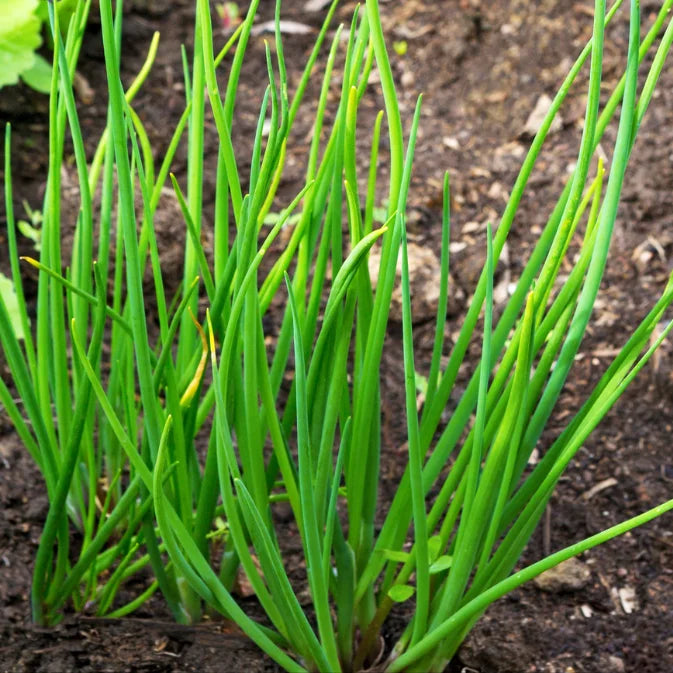
The life of a chive plant begins in early spring, as temperatures rise and the soil warms. The small underground bulbs, which are nothing more than thickened bases of the plant, begin to send up their first shoots. These initial shoots are delicate and fine, and they quickly develop into the signature hollow, grasslike leaves that we harvest. As the plant matures, it forms a dense clump, with new leaves continually emerging from the center of the cluster. This clumping habit is a crucial characteristic of a healthy chive plant and is a primary indicator of its vigor. The plant invests its energy into forming these clumps, which are essential for its perennial nature.
We observe that the growth of these leaves is a continuous process throughout the spring and summer. The rate of growth is heavily influenced by factors such as sunlight, water availability, and soil quality. Adequate sunlight, we've found, is paramount; chives thrive in full sun, requiring at least six hours of direct light per day to produce a strong, robust harvest. Without sufficient light, the leaves become thin, pale, and may lack the potent flavor that makes them so desirable.
The life cycle culminates in the production of chive blossoms, which we often see as a sign of the plant's peak maturity. These beautiful, spherical purple flowers are not just an ornamental feature; they are the plant's reproductive organs. The appearance of the flower stalk signals that the plant is shifting its energy from vegetative growth (producing leaves) to reproductive growth (producing flowers and seeds). While the blossoms themselves are edible and quite delicious, their emergence can impact the flavor and texture of the leaves, which may become slightly tougher after the flower stalk has formed.
As autumn approaches, the chive plant prepares for dormancy. The leaves will begin to yellow and die back, and the plant will channel its remaining energy into its underground bulbs. These bulbs are the key to its survival through the winter, storing the energy needed to reemerge in the spring, ready to start the cycle anew. This annual rhythm of growth and dormancy is why we classify chives as a true perennial.
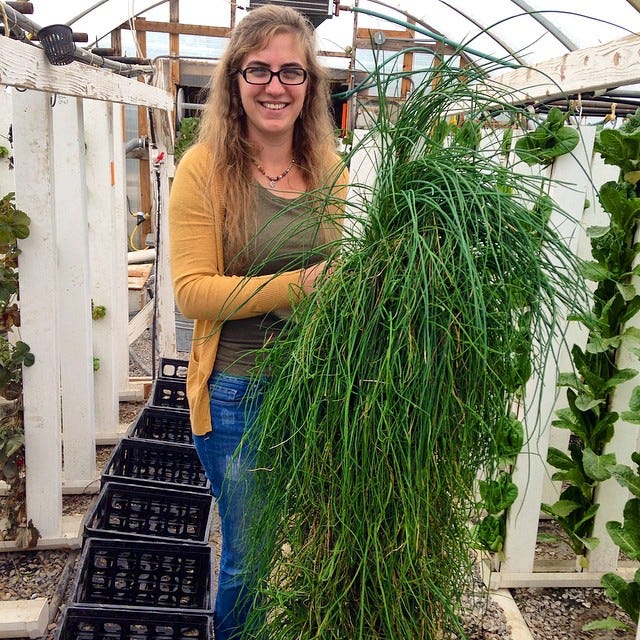
How to Recognize a Fully Grown Chive Plant
Determining when chives are "fully grown" is not a singlepoint measurement but rather a dynamic assessment based on the plant's maturity, appearance, and the intended use. From our decades of experience, we have developed a set of precise indicators that we use to determine the optimal time for harvesting. It is a mistake to think that a chive plant has a single "harvest day." Instead, a healthy, mature plant offers a continuous supply throughout its active growing season.
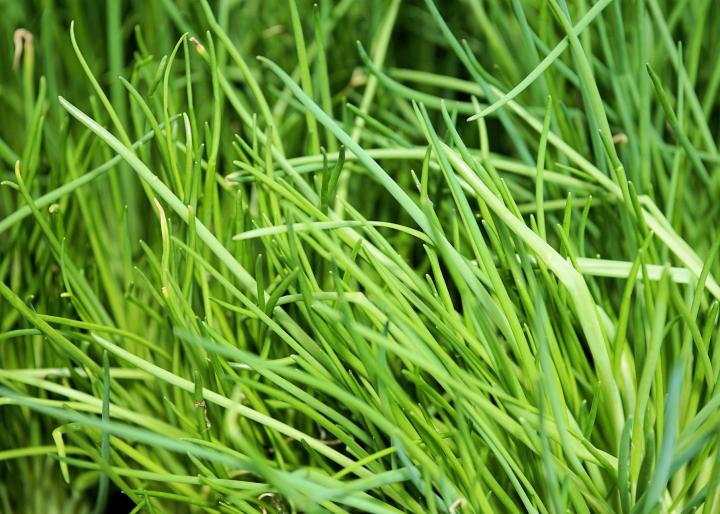
The first and most fundamental sign of a harvestready chive plant is its overall size and health. A young chive plant, perhaps in its first year, will produce thin, wispy stalks. While these can be harvested, we recommend allowing the plant to establish itself for at least one full growing season before undertaking a significant harvest. This allows the root system to strengthen and the bulbs to multiply, which is crucial for the plant's longterm health and productivity. A fully grown, established chive plant will form a dense, lush clump that is typically 12 to 18 inches in height. The individual leaves should be a vibrant, rich green color, and their texture should be firm and turgid, not limp or yellowed.
Another critical indicator is the thickness of the leaves. While the diameter of individual chive leaves can vary, a fully grown chive plant will produce leaves that are consistently thicker and more robust than the delicate shoots of a young plant. We find that the most flavorful and texturally pleasing leaves are those that are at least a quarterinch in diameter at their base. These thicker leaves have a more pronounced onion flavor and a satisfyingly crisp texture.
The presence of chive blossoms is another undeniable sign of a mature, fully grown plant. The formation of the flower stalk signifies that the plant has reached a certain stage of maturity and is ready to reproduce. While the flowers themselves are a treat, we often find that the leaves are at their peak flavor just before the flower buds begin to swell. The plant's energy is still focused on vegetative growth, making the leaves particularly flavorful and tender. Once the flower stalk is fully formed, the leaves may start to become slightly tougher, though they remain perfectly edible.
We also use the presence of multiple clumps as a gauge of maturity. A healthy, fully grown chive plant will naturally divide itself, forming new, separate clumps of growth over time. The more clumps a plant has, the more established and vigorous it is. This proliferation of clumps indicates a strong, healthy root system that is capable of supporting a continuous and substantial harvest. This natural division is also the basis for the most effective method of chive propagation, which we will discuss in detail.

Finally, we consider the overall appearance of the chive patch. A healthy, fully grown chive patch is a sight of thriving vitality. The dense, uniform growth and rich color are a testament to proper care and a robust root system. If the patch looks sparse, or if the leaves are consistently thin and pale, we know that the plant is not yet fully grown and requires additional time and care to reach its full potential. It is our firm belief that patience in the early stages of cultivation is rewarded with a superior and longlasting harvest.
Expert Harvesting Techniques for a Continuous Supply
Harvesting chives is not a onetime event but a continuous process that, when done correctly, can extend your harvest season and ensure the longevity of your plant. We've developed a precise methodology for harvesting that promotes plant health and yields the most flavorful results. The goal of our harvesting approach is to take only what we need while simultaneously encouraging the plant to produce new, healthy growth.
Our cardinal rule for harvesting is to always use sharp, clean scissors or a knife. Tearing or pulling the leaves can damage the plant's delicate crown, leaving it vulnerable to disease and stunting its growth. A clean cut ensures that the plant heals quickly and can continue to produce new leaves efficiently.
We recommend harvesting from the outside of the clump first. This allows the newer, central leaves to continue to grow and mature. We always cut the leaves at their base, about 1 to 2 inches above the soil line. Cutting too high leaves long, unattractive stems, while cutting too low can damage the plant's bulbs and slow its growth. A clean, low cut encourages a flush of new, fresh growth from the base. We have found that this method promotes a more compact and tidy clump, which is both aesthetically pleasing and beneficial for the plant's overall health.
When we need a small amount of chives, we simply snip a few leaves from various parts of the clump, again focusing on the outer ring of growth. For larger harvests, we employ a more strategic approach. We cut all the leaves from an entire section of the clump, leaving the rest of the plant untouched. This allows the harvested section to regrow while the other sections continue to provide a supply. We have found that cutting back a third of the plant at a time is an effective way to manage a large chive patch and ensure a continuous, staggered harvest.
The timing of your harvest is also a crucial factor we consider. The most flavorful chives are those harvested in the morning, after the dew has dried but before the heat of the day has caused them to lose some of their turgor. At this time, the leaves are at their crispest and most flavorful. We also make it a practice to harvest before the plant begins to form flower stalks, as this is when the leaves are at their peak flavor and tenderness.
What we do after a significant harvest is just as important as the harvest itself. After cutting back a portion of the plant, we immediately give it a dose of water and a light feeding of a balanced, allpurpose fertilizer. This helps the plant replenish its energy stores and encourages rapid regrowth. We view harvesting as a form of pruning; it is a way to revitalize the plant and stimulate it to produce more.
For those who wish to extend their harvest season into the winter, we have developed a simple method. In the late fall, just before the first hard frost, we dig up a few of the chive clumps. We pot them in containers and bring them indoors to a sunny windowsill. This allows us to continue harvesting fresh chives well into the winter months, providing a fresh taste of spring when all other herbs have gone dormant. We simply need to ensure that the soil remains moist and that the plant receives adequate light.
Care and Maintenance for Perennial Chive Health
A chive plant, once established, requires minimal care, but this does not mean it is maintenancefree. To ensure a long and productive life, we employ a set of practices that promote robust growth and prevent common issues. Our philosophy is that a small amount of consistent care pays dividends in the form of a continuous, highquality harvest for years to come.
Watering is the first and most critical aspect of chive care. While chives are remarkably tolerant of dry conditions, they perform best when the soil is consistently moist, but never waterlogged. We recommend deep watering once or twice a week, depending on the climate and soil type. This encourages the roots to grow deep and strong, making the plant more resilient to periods of drought. Overwatering, on the other hand, can lead to root rot and other fungal diseases, which are far more difficult to remedy. The presence of yellowed or mushy leaves at the base of the plant is often an indicator of excessive watering.
Fertilization, while not strictly necessary, can significantly boost the plant's vigor. We use a balanced, allpurpose fertilizer in the early spring, just as the new growth is emerging. A second, lighter application can be made midseason, especially after a heavy harvest. We avoid highnitrogen fertilizers, which can encourage lush leaf growth at the expense of flavor and overall plant health. We also find that a top dressing of compost in the spring provides a slowrelease source of nutrients that improves both soil structure and fertility.
Dividing the chive clump is perhaps the most important longterm maintenance task we undertake. Over time, a healthy chive clump will become dense and overcrowded. This overcrowding can lead to reduced vigor, smaller leaves, and even disease. We recommend dividing the clump every three to four years. The ideal time for this is in the early spring, just as new growth begins, or in the fall after the leaves have died back. We use a spade to lift the entire clump from the ground, then gently tease apart the individual bulbs and root systems. These smaller clumps can then be replanted, either to expand the chive patch or to share with friends and family. This division process not only rejuvenates the parent plant but also provides an effortless way to propagate more chives.
Controlling weeds is also a vital aspect of chive maintenance. Weeds compete with the chives for water, nutrients, and sunlight. We find that a thick layer of mulch around the chive clump is highly effective at suppressing weeds while also helping to retain soil moisture. We prefer using organic mulches such as shredded bark or compost, which break down over time and add nutrients to the soil.
Finally, we deal with the chive blossoms. While they are a beautiful addition to the garden, if left to go to seed, the chive plant can selfsow, leading to an overpopulation of chive plants that can become weedy. To prevent this, we deadhead the blossoms as soon as they fade. This also directs the plant's energy back into producing more leaves rather than seeds. By following these simple maintenance practices, we ensure that our chive patch remains a healthy, productive, and longlasting resource.
Propagation and Division: Expanding Your Chive Patch
The true joy of cultivating chives lies in their ability to multiply and provide an endless supply. From our perspective, the most effective and reliable method of propagation is not from seed but through the simple and direct method of division. This process, as we have discovered, is the fastest way to establish new plants and maintain the health of the existing ones.
The best time to divide chives is either in the early spring, just as the new growth begins to emerge, or in the fall, after the plant has gone dormant. We believe the spring is often the more advantageous time, as it gives the new divisions the entire growing season to establish a strong root system. To begin the process, we use a garden fork or a sharp spade to carefully lift the entire chive clump from the soil. It is crucial to be gentle to minimize damage to the root systems.
Once the clump is out of the ground, we can see the network of individual bulbs and roots. A healthy, established chive clump will consist of dozens, if not hundreds, of these small bulbs. We separate the clump into smaller sections using our hands or a knife, ensuring that each new section has a robust set of roots and a few healthy leaves. We find that dividing the clump into sections of about 1015 bulbs each works best for reestablishing new plants.
After separating the new divisions, we replant them immediately. We prepare the new planting site by loosening the soil and incorporating a generous amount of compost. We plant the new clumps at the same depth they were previously growing and then water them thoroughly to settle the soil around the roots. We maintain a spacing of at least 812 inches between the new clumps to allow for future growth and expansion.
While division is our preferred method, we also recognize the value of growing chives from seed, particularly for those who are starting from scratch. We plant chive seeds indoors 6 to 8 weeks before the last frost date. We sow them in trays filled with a sterile seedstarting mix, lightly covering them with soil. Chive seeds can be slow to germinate, often taking up to three weeks. Once the seedlings are a few inches tall, we thin them out and begin to harden them off before transplanting them outdoors. It is important to note that chives grown from seed will be much slower to mature and may not be ready for a significant harvest in their first year.
We also find that chives can be propagated in water. We have successfully taken a few small divisions from the garden and placed them in a jar of water on a sunny windowsill. Within a few weeks, the plants will begin to produce new roots. While this is a great way to start a new plant indoors, we do not recommend it as a longterm solution. The plants will eventually need to be transplanted into soil to continue their growth.
Pest and Disease Management for Chive Plants
While chives are remarkably resilient and generally resistant to pests and diseases, they are not immune. We have learned to recognize the signs of common problems and have developed a set of simple, organic solutions to keep our plants healthy. A healthy plant is its own best defense, and our primary approach is to focus on preventative care rather than reactive treatments.
The most common pests we encounter are aphids. These tiny insects feed on the plant's sap, which can cause the leaves to curl, yellow, and become distorted. We find that a strong spray of water from a hose is often enough to dislodge the aphids. For a more persistent infestation, we use an insecticidal soap spray. We mix a few drops of a mild liquid soap with water and spray the entire plant, making sure to get the undersides of the leaves. This method is highly effective and completely organic, ensuring that the chives remain safe for consumption.
Another potential pest is the onion thrips. These microscopic insects are more difficult to spot, but we recognize their presence by the silvery streaks and stippling they leave on the leaves. They can cause significant damage, especially in hot, dry weather. Our strategy for thrips is similar to that for aphids: a strong jet of water and, if necessary, an insecticidal soap.
In terms of diseases, we primarily watch for signs of fungal issues, which are often caused by poor air circulation or excessive moisture. The most common fungal disease we see is rust, which manifests as small, rustyorange spots on the leaves. While not fatal to the plant, it can reduce its vigor and aesthetic appeal. To prevent rust, we ensure that our chive patch has adequate spacing and good air circulation. We also avoid overhead watering, which can leave the leaves wet for prolonged periods. If rust does appear, we promptly remove the affected leaves and dispose of them to prevent the spores from spreading.
Root rot is a far more serious problem, and it is almost always caused by waterlogged soil. We recognize root rot by the yellowing and wilting of the leaves, even when the plant has been watered. The best way to prevent root rot is to ensure that the chives are planted in a location with welldraining soil and a healthy layer of organic matter, which helps to improve soil structure and drainage.
We also believe that companion planting is an effective, natural form of pest control. We have found that planting chives near carrots, tomatoes, and roses can help to deter pests such as carrot rust flies, aphids, and Japanese beetles. The strong scent of the chives acts as a natural deterrent, creating a protective barrier for the other plants. This symbiotic relationship is a testament to the chive's utility beyond the kitchen.
Culinary and Medicinal Uses of Fully Grown Chives
From our culinary perspective, the fully grown chive plant is a treasure trove of flavor and a testament to the power of fresh ingredients. The delicate, mild onion flavor of the leaves is irreplaceable, and their vibrant green color makes them a perfect garnish for a wide array of dishes. We have explored the full spectrum of chive uses, from simple applications to more complex preparations.
The most common use for chives is as a fresh garnish. We chop the leaves finely and sprinkle them over everything from baked potatoes and soups to scrambled eggs and salads. The flavor is a perfect blend of onion and garlic, but without the harshness or lingering aftertaste. We find that adding chives at the very end of the cooking process, or as a garnish, preserves their delicate flavor and crisp texture, which can be lost if they are cooked for too long.
We also enjoy using chives to make compound butter, which we use to elevate simple dishes. We simply chop a generous amount of chives and mix them into softened butter, along with a pinch of salt. This compound butter can be spread on warm bread, melted over steamed vegetables, or used to pansear chicken or fish. The flavor infusion is both subtle and profound.
The chive blossoms, which are a sign of a fully grown plant, are a delicacy in their own right. We use them as a beautiful and flavorful garnish. The individual florets of the chive blossom have a more potent, slightly spicier onion flavor than the leaves. We sprinkle them over salads or use them to make a vibrant, chive blossom vinegar. We simply place the entire blossom heads in a jar and cover them with a white wine or apple cider vinegar. After a few weeks, the vinegar will have taken on a beautiful pink hue and a mild chive flavor, perfect for vinaigrettes.
Medicinally, chives have been used for centuries. While we are not medical professionals, we recognize their traditional uses. Like other members of the allium family, chives are believed to have mild antiseptic and antibacterial properties. They are also a good source of vitamins K and A, and they contain trace amounts of other beneficial nutrients. We believe that incorporating fresh chives into our daily diet is a simple and delicious way to benefit from their natural properties.
For longterm storage, we find that freezing chives is the best way to preserve their flavor and color. We chop the chives finely and place them in a single layer on a baking sheet to freeze. Once frozen, we transfer them to an airtight container or freezer bag. We have found that they retain their flavor and texture much better than dehydrated chives. They can be used directly from the freezer in soups, stews, and other cooked dishes.
Exploring Different Chive Varieties
While Allium schoenoprasum is the most common variety, we have also explored the nuances of other chive types, each with its own unique flavor profile and growth habits. Understanding these varieties allows us to tailor our cultivation and culinary practices to achieve specific results.
One of the most popular alternatives is garlic chives (Allium tuberosum), also known as Chinese chives. From our experience, garlic chives are a fantastic addition to any garden. Their leaves are flat, not hollow, and they possess a distinct, powerful garlic flavor. They are also highly productive, and their white, starshaped blossoms are a beautiful addition to the garden. We find that garlic chives are a staple in many Asian cuisines, and we use them in stirfries, dumplings, and savory pancakes.
Another variety we enjoy is the giant chive. As its name suggests, this variety produces much larger, thicker leaves. While the flavor is similar to that of the common chive, the larger leaves make them easier to harvest and chop. We find that the giant chive is particularly wellsuited for recipes where the chives are a primary ingredient rather than a simple garnish.
We also have a special appreciation for the ornamental varieties of chives, such as the 'Staro' chive. While its flavor is similar to that of the common chive, it produces stunning, starshaped, purple flowers that are larger and more prolific. We believe that this variety combines the best of both worlds: a delicious, edible herb with a beautiful, ornamental quality. We find that planting these in a prominent location in our garden adds a touch of beauty and elegance.
The pink chive, while less common, is another variety we have successfully grown. Its flowers are a delicate pink, and the leaves have a milder flavor. We find that the pink chive is a perfect choice for those who prefer a less pungent flavor or for those who wish to add a unique aesthetic element to their herb garden.
For those who are looking for a continuous supply of fresh chives, we have found that a mix of different varieties can provide a varied harvest. Planting both common chives and garlic chives allows for a broader range of flavors, while the inclusion of ornamental varieties adds beauty to the garden.
Troubleshooting Common Chive Problems
We believe that a significant part of successful cultivation is the ability to recognize and address problems as they arise. While chives are generally lowmaintenance, we have encountered a few common issues over the years. By understanding their causes and implementing simple solutions, we can keep our chive plants healthy and productive.
One of the most common issues we see is yellowing leaves. The most frequent cause of this is overwatering or poor drainage, which can lead to root rot. We always check the soil before watering to ensure it is not already waterlogged. If we suspect root rot, we will reduce watering and, if necessary, transplant the chive clump to a location with better drainage. A lack of nutrients can also cause yellowing leaves. In this case, a light feeding of a balanced fertilizer can quickly remedy the situation.
Another issue is a lack of flavor in the leaves. We find that this is often caused by a lack of sunlight. Chives require a minimum of six hours of direct sunlight per day to produce a strong, flavorful harvest. If the chives are in a shady location, we recommend transplanting them to a sunnier spot. Overcrowding can also lead to reduced flavor, as the plants are competing for limited resources. In this case, dividing the clump is the most effective solution.
The appearance of leggy, thin leaves is another common problem we've addressed. This is almost always a sign of insufficient sunlight. The plants are stretching and reaching for light, which results in weak, thin stalks. A move to a sunnier location is the best remedy.
We have also dealt with the issue of our chives "bolting" or going to seed too quickly. While the formation of flower stalks is a natural part of the plant's life cycle, a stressed plant may bolt prematurely. Factors such as extreme heat, drought, or nutrient deficiencies can cause this. To prevent premature bolting, we ensure that our plants are adequately watered and that they have a good supply of nutrients. We also harvest the leaves regularly, which encourages the plant to focus its energy on vegetative growth.
Finally, we address the issue of an aging chive clump. After several years, a chive patch can become less productive and the leaves may become thin and sparse. This is a clear sign that the clump needs to be divided. As we have discussed, dividing the clump rejuvenates the plant, stimulates new growth, and ensures a continuous, healthy harvest for many years to come. By being proactive and addressing these common issues, we maintain a vibrant, productive, and longlasting chive patch.
Conclusion
Our journey into the world of fully grown chives has, we trust, illuminated the depth and complexity of this humble herb. We have learned that a truly successful chive harvest is the result of a comprehensive approach, from understanding the plant's life cycle to implementing expert care and maintenance. We have also come to appreciate the versatility of the chive, from its use as a culinary staple to its ability to repel pests and add beauty to the garden.
We firmly believe that by following the principles we have outlined—choosing the right location, implementing proper harvesting techniques, and providing consistent care—any gardener can achieve a bountiful and continuous supply of fresh, flavorful chives. Our experience has shown us that the rewards of this diligent cultivation are not only a delicious addition to our meals but also the satisfaction of nurturing a plant that is both resilient and generous. The fully grown chive plant is a testament to the idea that some of the greatest pleasures are found in the simplest of things, and we hope you find as much joy in their cultivation as we do.


Comments
Post a Comment