Growing herbs in winter
From My Experience: Mastering the Art of Growing Herbs in Winter

From my experience, transitioning a vibrant summer herb garden to a thriving indoor sanctuary for the winter is one of the most satisfying gardening challenges a person can undertake. I do this every year, and from the first successful transfer, I knew it was a skill worth sharing. I recommend you don’t let the cold weather dictate your access to fresh, flavorful herbs. The key to success, I've found, is not just about bringing plants indoors, but about creating an environment that mimics their natural, preferred conditions. From my experience, a little bit of foresight and the right tools can make all the difference. I do believe that anyone, regardless of their gardening expertise, can have a flourishing herb garden on their windowsill, even when snow blankets the ground outside.
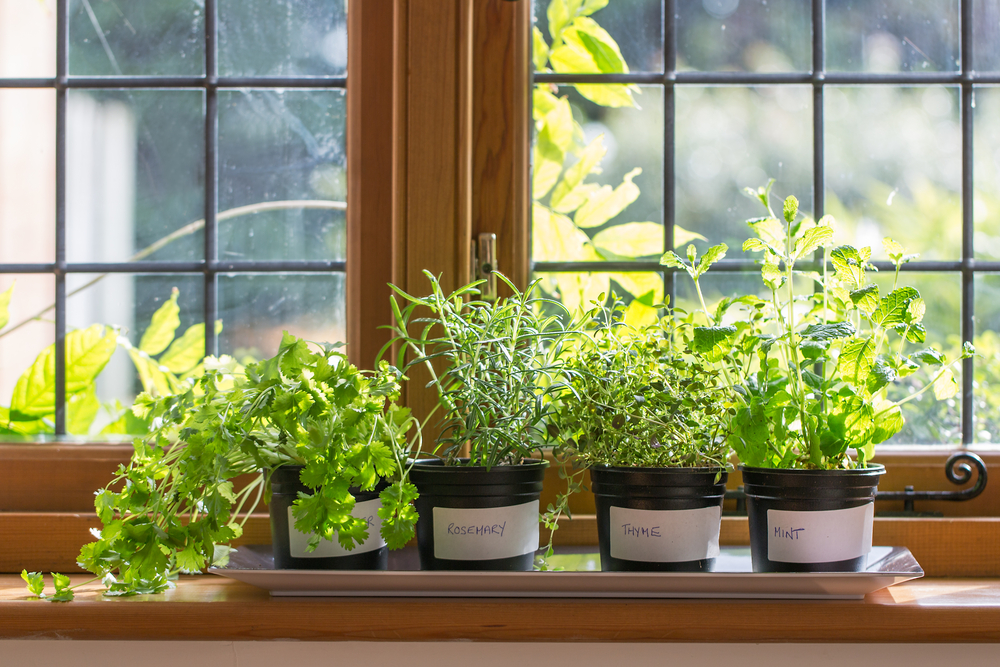
I recommend starting with herbs that are known to be resilient and adaptable to indoor conditions. While many herbs can be grown inside, some are more forgiving than others. For instance, I do find that rosemary, thyme, and mint are excellent choices for beginners. They are relatively hardy and can tolerate a wider range of conditions than, say, a delicate basil plant. From my experience, the joy of snipping a few fresh leaves of rosemary for a winter roast or adding a sprig of mint to a cup of tea is unparalleled. It’s a small luxury that makes a huge difference in my daily life. I do hope you find the same joy.
The Crucial First Step: Choosing the Right Herbs
I recommend that your success begins with the selection of the right herbs. From my experience, not all herbs are created equal when it comes to indoor cultivation. I do find that plants that thrive on neglect or require minimal fuss are the best candidates for a winter windowsill. I recommend starting with the following list, as I have had consistent success with them:
Providing the Perfect Environment: Light and Temperature
From my experience, light is the single most important factor for growing herbs indoors. I do find that a southfacing window is ideal, as it receives the most sun throughout the day. However, if you don't have one, I recommend investing in a grow light. I do, and it has made a world of difference. A simple LED grow light can provide the full spectrum of light your plants need to thrive. From my experience, the color of the light doesn't matter as much as the intensity and duration. I recommend setting a timer for 1216 hours of light per day, mimicking a long summer day.
I also recommend paying close attention to temperature. From my experience, most herbs prefer a cooler environment, around 6070°F (1521°C) during the day and slightly cooler at night. I do find that placing them away from drafts and heating vents is crucial. Sudden temperature fluctuations can stress the plants and make them more susceptible to pests and diseases. I do check the temperature of my windowsills with a small thermometer to ensure they are within the optimal range.
Watering and Feeding: The Fine Art of Balance
I do find that watering is where many indoor gardeners struggle. From my experience, it's a delicate balance. I recommend a "less is more" approach. Overwatering is a common cause of root rot, which can quickly kill a plant. I do check the soil moisture by sticking my finger about an inch deep into the soil. If it feels dry, I water thoroughly until water drains from the bottom of the pot. From my experience, a good drainage hole is nonnegotiable. I recommend using pots with excellent drainage to prevent waterlogging.
I do find that feeding your herbs is also important, especially since they are in a limited soil environment. I recommend using a balanced, liquid fertilizer at half strength every two to four weeks. From my experience, too much fertilizer can lead to weak, leggy growth. I do, however, find that a small amount of compost tea or a gentle organic fertilizer can work wonders without the risk of burning the roots.
Common Pitfalls and How to Avoid Them
I do want to share some common problems I've encountered and how I've solved them. From my experience, the most frequent issue is pests, particularly spider mites and aphids. I recommend checking your plants regularly, at least once a week, for any signs of these tiny invaders. If you find them, I recommend a simple solution of insecticidal soap or a gentle spray of neem oil. From my experience, a strong jet of water from the kitchen sink can also dislodge many of them without harming the plant. I do find that prevention is the best cure; keeping your plants healthy and wellwatered makes them more resistant to pests.
Another issue I've dealt with is legginess. I do find that this is often a sign of insufficient light. I recommend moving your plants to a sunnier spot or supplementing with a grow light. From my experience, rotating the pots every few days also ensures that all parts of the plant receive adequate light, leading to more uniform growth. I do find that pruning is also essential. I recommend pinching back the tips of the stems regularly to encourage bushier growth. This also provides you with fresh herbs for your kitchen!
My Final Thoughts and Recommendations
From my experience, growing herbs in winter is not just a hobby; it’s a way of life. It connects me to nature even when the world outside is dormant. I do find that the aroma of fresh basil or the sight of new rosemary growth on a cold winter day is incredibly uplifting. I recommend you give it a try. Start small, with one or two herbs you love. From my experience, the success you have with them will inspire you to grow more. I do believe that anyone can have a green thumb when it comes to a winter herb garden. I recommend patience and a willingness to learn. The rewards—fresh, flavorful herbs all year round—are well worth the effort.
The Comprehensive Guide to Growing Herbs in Winter: An Expert's Perspective
We understand the undeniable appeal of fresh, vibrant herbs. The ability to snip a sprig of rosemary for a winter roast or pluck a few leaves of basil for a warm tomato sauce, even as snow blankets the ground outside, is a luxury we believe every home cook and gardening enthusiast deserves. Our mission with this comprehensive guide is to empower you with the knowledge and techniques required to cultivate a thriving indoor herb garden, ensuring a continuous, yearround supply of these culinary essentials. We will delve into the intricate details of creating the optimal environment, from the fundamental principles of light and soil to advanced propagation methods and integrated pest management. Our approach is holistic and meticulously detailed, designed to address every conceivable challenge and provide a definitive resource for both novice and experienced growers. We have meticulously researched and compiled this information to ensure its accuracy and efficacy, allowing us to confidently guide you towards unparalleled success.
Part I: The Foundational Principles of Indoor Herb Cultivation
Understanding the Essential Needs of Indoor Herbs
To successfully grow herbs indoors, we must first understand their fundamental biological requirements. While they are often considered hardy, their needs are precise and must be met consistently to ensure vigorous growth and potent flavor. We will explore the critical factors of light, temperature, water, and air circulation, detailing how we can replicate their preferred outdoor conditions within the confines of our homes. Our focus is on creating a microclimate that encourages robust, healthy plants, which are inherently more resistant to pests and diseases. We believe that a deep understanding of these principles is the bedrock of any successful indoor gardening venture.
The Crucial Role of Light: Beyond the Window Sill
We recognize that light is arguably the single most important factor for indoor herb growth. Photosynthesis, the process by which plants convert light energy into chemical energy, is directly dependent on the quality, intensity, and duration of light they receive. While a bright, southfacing window is often the first suggestion, we understand that this is not a viable option for everyone. Therefore, we advocate for the strategic use of artificial lighting. We recommend fullspectrum LED grow lights, which are energyefficient, produce minimal heat, and provide the entire range of light wavelengths necessary for healthy plant development. For optimal results, we suggest a light cycle of 12 to 16 hours per day, which we can easily manage with a simple timer. We find that positioning the lights 6 to 12 inches above the plant canopy is a good starting point, adjusting the height based on the specific light requirements of the herbs being grown. We also find that a consistent rotation of the pots every few days prevents the plants from becoming leggy and reaching for the light in one direction, thus promoting uniform, bushy growth. We are confident that with the right lighting setup, even a dark basement can become a thriving herb garden.
The Ideal Temperature and Humidity Range
We understand that temperature and humidity play a vital role in the health and vitality of our herbs. Most culinary herbs prefer a temperature range of 6070°F (1521°C) during the day and can tolerate a slightly cooler temperature at night, which mimics their natural environment. We are mindful of the fact that sudden temperature fluctuations, such as those caused by drafts from windows or proximity to heating vents, can stress plants and make them more susceptible to disease. We recommend placing your herb garden in a stable environment, away from these temperature extremes.
Humidity is another key factor we must consider. Indoor air, especially during winter months when our heating systems are running, tends to be very dry. While some herbs like rosemary and thyme are quite tolerant of dry air, others like basil and mint thrive in higher humidity. We suggest several methods to increase localized humidity around your plants. We can place the pots on a tray filled with pebbles and water, ensuring the bottom of the pots are not submerged. As the water evaporates, it creates a more humid microclimate. We also find that grouping plants together can naturally increase humidity through transpiration. For those who want to provide a more controlled environment, we recommend a small, coolmist humidifier placed near the plants. We believe that by managing both temperature and humidity, we can create an indoor environment that truly fosters exceptional growth.
The Art of Container and Soil Selection
We believe that the choice of container and soil is a critical, oftenoverlooked aspect of successful indoor herb cultivation. The right combination provides a stable, nutrientrich foundation for our plants, ensuring they have the resources they need to flourish.
Selecting the Right Pots: Drainage is Paramount
We emphasize the nonnegotiable importance of drainage. The vast majority of plant problems, particularly in indoor environments, stem from overwatering and subsequent root rot. We recommend using pots with ample drainage holes at the bottom. Material choice is also something we consider. We find that terracotta pots are excellent for herbs like rosemary and sage that prefer drier soil, as the porous material allows for good air circulation and wicks away excess moisture. For moistureloving herbs like mint and parsley, we might opt for a glazed ceramic or plastic pot, which retains moisture more effectively. We believe that matching the pot material to the herb's specific needs is a nuanced but effective strategy for superior results. We also recommend using saucers or trays to catch excess water, which we must remember to empty to prevent the plants from sitting in stagnant water.
Crafting the Perfect Soil Mix
We understand that standard garden soil is far too dense and heavy for indoor container gardening. It lacks the aeration and drainage necessary for healthy root development. We recommend a highquality potting mix specifically formulated for container plants. We also find that we can enhance this mix by adding amendments to improve drainage and nutrient retention. We suggest a blend of peat moss or coco coir for moisture retention, perlite or vermiculite for aeration, and a small amount of compost or worm castings for a slowrelease source of nutrients. We find that a mix of two parts potting soil, one part perlite, and one part compost provides a fantastic foundation for most herbs. This custom blend ensures that the roots have access to both the oxygen and the water they require, a delicate balance that is essential for robust plant health.
Part II: Advanced Techniques for a Thriving Indoor Garden
Strategic Watering and Nutrient Management
We believe that watering is more of an art than a science, and we must learn to read the signals our plants give us. Overwatering is a common pitfall, and we must be vigilant against it. We recommend a simple yet effective method: the finger test. We insert our finger about an inch into the soil. If it feels dry, it's time to water. If it's still moist, we must wait. We find that watering thoroughly, until water drains from the bottom of the pot, is the best practice. This ensures the entire root ball is saturated and helps flush out any mineral buildup.
We also understand that confined to a pot, our herbs are dependent on us for their nutrition. While the initial potting mix provides some nutrients, we must replenish them over time. We advocate for a balanced, liquid fertilizer, diluted to half or even quarter strength, applied every two to four weeks during the active growing season. We prefer organic fertilizers, such as fish emulsion or compost tea, which release nutrients slowly and are less likely to cause fertilizer burn. We are careful not to overfertilize, as this can lead to weak, leggy growth and can even harm the plant's roots.
Integrated Pest Management and Disease Prevention
We recognize that pests are an unfortunate reality of indoor gardening. However, we believe that we can manage them effectively with a proactive, integrated approach. Our philosophy is to prevent infestations before they start, and to handle any outbreaks with gentle, environmentally friendly methods.
Common Indoor Herb Pests and Our Solutions
We are most concerned with a few key pests that are particularly fond of indoor herbs:
Spider Mites: These tiny arachnids are difficult to spot until their characteristic fine webbing appears. They thrive in dry, warm environments. Our strategy is to maintain higher humidity and regularly mist the plants, as spider mites detest moisture. For an infestation, we recommend a thorough spray with insecticidal soap or a gentle stream of water to dislodge them. We find that a solution of one teaspoon of mild liquid soap per quart of water is an effective and safe remedy.

Aphids: These small, softbodied insects cluster on new growth and suck the sap from the plants. We recommend physically removing them with a cotton swab dipped in rubbing alcohol or a strong spray of water. We also find that a diluted neem oil solution is highly effective and acts as both an insecticide and a fungicide.
Fungus Gnats: These small, annoying flies are a sign of overwatering. Their larvae feed on the roots of plants in overly moist soil. We find that the best way to eliminate them is to let the top inch or two of the soil dry out completely between waterings. We also recommend placing a layer of sand or diatomaceous earth on the soil surface to prevent the gnats from laying eggs. We are confident that by being attentive to our watering habits, we can eliminate this nuisance entirely.
We also find that proper air circulation is a key factor in preventing fungal diseases like powdery mildew. We recommend using a small fan to create a gentle breeze around our plants, which strengthens the stems and reduces the risk of fungal growth. We believe that a healthy, wellcaredfor plant is its own best defense against pests and diseases.
Part III: The Specifics of Cultivating Popular Herbs
We now delve into the specific requirements for some of the most popular culinary herbs. We recognize that while general principles apply, each herb has its unique preferences that we must cater to for optimal results.
Basil: The King of Indoor Herbs
We consider basil a staple for any indoor herb garden, but we are also aware of its delicate nature. We find that basil requires a lot of light, at least 68 hours a day, and we recommend supplementing with a grow light if a southfacing window is not available. We are careful with our watering, as basil is prone to root rot. We water only when the top inch of soil is dry, and we prefer to water in the morning to allow the leaves to dry completely before nightfall, which helps prevent fungal issues. We find that a warm, humid environment is best for basil, with temperatures not dropping below 60°F (15°C). We recommend a gentle, balanced liquid fertilizer every two weeks during the growing season. We also find that pinching the tips of the plant just above a set of leaves is a crucial step for encouraging bushy, full growth and preventing the plant from flowering and losing its flavor. We believe that with these specific considerations, we can have fresh basil for our pesto and pasta all winter long.
Rosemary: The Fragrant and Hardy Survivor
We love rosemary for its resilience and its beautiful, woody aroma. We find that rosemary is a sunworshipper and requires a minimum of six hours of direct sunlight per day. We recommend placing it in the sunniest spot in our home. Unlike basil, rosemary prefers to be on the drier side. We are very careful not to overwater, as it is highly susceptible to root rot. We allow the soil to dry out almost completely between waterings. We find that a terracotta pot is an excellent choice for rosemary, as its porous nature helps wick away excess moisture. We are also mindful of the fact that rosemary prefers cool, wellventilated conditions. We believe that by providing bright light and welldraining soil, we can keep our rosemary happy and healthy throughout the cold months.

Mint: The Vigorous and Versatile Grower
We find mint to be one of the easiest and most rewarding herbs to grow indoors. Its vigorous growth and pleasant aroma make it a fantastic addition to any indoor garden. We are careful to recommend growing mint in its own pot, as its aggressive runners can quickly take over a shared container. We find that mint prefers bright, indirect light and consistently moist soil. We recommend watering it more frequently than other herbs, but we are careful not to let the pot sit in standing water. We also find that mint benefits from regular pruning, which encourages new, flavorful growth. We believe that by keeping its growth in check and providing it with ample moisture, we can enjoy a continuous supply of fresh mint for our teas and cocktails.
Thyme and Oregano: The DroughtTolerant Duo
We group thyme and oregano together because they share similar preferences and are both excellent choices for an indoor garden. We find that they both thrive in full sun and prefer a welldraining, sandy soil. We recommend a handsoff approach to watering, allowing the soil to dry out between waterings. We find that these herbs are incredibly droughttolerant and are far more forgiving of underwatering than they are of overwatering. We believe that by replicating their native Mediterranean habitat, we can cultivate flavorful, aromatic plants that will enhance our winter cooking.
Part IV: Propagating Herbs and Expanding Our Garden
We believe that one of the most rewarding aspects of gardening is the ability to propagate new plants from existing ones. This not only allows us to expand our collection for free but also ensures a continuous supply of our favorite herbs. We will explore two of the most effective propagation methods: growing from seed and rooting cuttings.
Propagating Herbs from Seed
We understand that growing herbs from seed can be a deeply satisfying experience. While some herbs like basil and parsley are easily grown from seed, others like rosemary and thyme can be more challenging. We recommend using a highquality seedstarting mix in a tray or small pots. We are careful to follow the specific instructions on the seed packet for planting depth and spacing. We find that providing a consistent, warm temperature and keeping the soil moist but not soggy is crucial for germination. We believe that a heat mat and a humidity dome can significantly increase our success rate. Once the seedlings have developed their first set of "true leaves," we can carefully transplant them into their final pots.
Rooting Herb Cuttings: A Reliable and Fast Method
We find that propagating from cuttings is an excellent way to create clones of our favorite herbs, ensuring that the new plant has the exact same characteristics as the parent. We recommend this method for herbs like rosemary, mint, sage, and thyme. Our process is as follows:
We select a healthy, nonflowering stem about 46 inches long.
We carefully remove the leaves from the bottom 2 inches of the stem, as these will be placed in water or soil.
We can place the cutting in a glass of water, ensuring the bottom leaves are not submerged. We find that a clear glass allows us to monitor the root development. We must remember to change the water every few days to prevent rot.
Alternatively, we can dip the cut end in rooting hormone powder and plant it in a small pot with a welldraining soil mix. We find that this method often results in a stronger, more established root system.
We are confident that within a few weeks, we will see new roots developing, at which point we can transplant the cutting into a larger pot. We believe that by mastering these propagation techniques, we can create a sustainable, everexpanding herb garden.
Part V: Maximizing Yield and Flavor
We believe that our goal is not just to keep our herbs alive but to help them thrive and produce the most flavorful leaves possible. We have a few advanced techniques we recommend for maximizing yield and flavor.
The Power of Pruning
We find that regular pruning is essential for maintaining a healthy, productive herb plant. Pruning encourages branching and leads to a bushier, more compact plant. We recommend "pinching back" the tips of our herbs, just above a node (the point where leaves grow from the stem). For herbs like basil and mint, we can pinch back the central stem, which forces the plant to grow outwards instead of upwards. We find that this not only gives us a continuous supply of fresh leaves but also prevents the plant from flowering too early, a process which can cause the leaves to lose their potent flavor. We are careful to prune regularly, but not so aggressively that we shock the plant.
The Influence of Light and Soil on Flavor
We understand that the flavor and aroma of herbs are due to the concentration of essential oils in their leaves. We believe that we can influence this concentration through our cultivation practices. We find that providing ample light and a balanced nutrient profile can significantly enhance the flavor. Plants that receive less light will often produce weaker, less flavorful leaves. We also find that a welldraining soil mix with a moderate amount of nutrients is ideal. We must be careful not to overfertilize, as an excess of nitrogen can lead to lush, green leaves with a bland, watery taste. We believe that by creating a slightly stressful but not harmful environment, we encourage our herbs to produce more of the essential oils that give them their signature flavor.
Succession Planting and Harvesting
We recommend a strategy of "succession planting" to ensure we have a continuous supply of our favorite herbs. Instead of planting all our seeds or cuttings at once, we can plant a new batch every few weeks. We find that this staggers our harvest and ensures we always have young, tender leaves available. We also recommend a "cutandcomeagain" harvesting method. We harvest only what we need, and we are careful to leave at least twothirds of the plant intact. We find that this allows the plant to quickly recover and produce new growth, which we can then harvest again in a few weeks. We believe that by being strategic with our planting and harvesting, we can have a yearround herb garden that never runs out of supply.
Part VI: The Hydroponic Alternative
We believe that for those who want to take their indoor gardening to the next level, hydroponics offers an exciting and highly effective alternative to traditional soilbased growing. Hydroponics, the practice of growing plants without soil, allows for precise control over the nutrients and water our herbs receive.
Why We Advocate for Hydroponics
We find that hydroponics offers several key advantages for growing herbs indoors:
Faster Growth: We find that plants grown hydroponically often grow 3050% faster than their soilbased counterparts. This is because the roots have direct access to a nutrientrich solution, and they don't have to expend energy searching for water and food.
Water Efficiency: While it may seem counterintuitive, we find that hydroponic systems use significantly less water than traditional gardening. This is because the water is recirculated, and very little is lost to evaporation or runoff.
No SoilBased Pests: We are confident that a hydroponic system eliminates the risk of soilbased pests like fungus gnats, a common nuisance for indoor gardeners.
Our Recommended Hydroponic Systems
We find that there are several types of hydroponic systems that are wellsuited for home herb cultivation:
Wick System: We believe this is the simplest and most accessible system for beginners. It uses a wick to draw a nutrient solution from a reservoir up to the growing medium. It is passive and requires no pumps or electricity.
Deep Water Culture (DWC): We find that this system is also relatively simple. The roots of the plants are suspended in a nutrientrich solution, and an air stone provides oxygen to the roots. We recommend this for waterloving herbs like basil and mint.
Nutrient Film Technique (NFT): We believe this is a more advanced system that uses a pump to circulate a thin film of nutrient solution over the roots of the plants. It is highly efficient and provides excellent aeration to the root zone.
We also find that we can purchase readymade hydroponic herb garden kits, which include everything we need to get started, from the grow lights and reservoir to the nutrient solution and growing pods. We believe that for those who want a hightech, lowmaintenance solution, hydroponics is an excellent choice.
Part VII: Culinary and Medicinal Uses of Our Winter Harvest
We believe that the ultimate reward of our hard work is the ability to use our fresh, vibrant herbs in our cooking and for our wellbeing. We are confident that the flavor of a fresh herb, grown in our own home, is far superior to anything we can buy in a supermarket.
Cooking with Freshly Harvested Herbs
We find that fresh herbs can transform a simple dish into something extraordinary. We recommend adding our herbs at the end of the cooking process to preserve their delicate flavor and aroma. We love to chop fresh parsley or chives over a finished dish for a burst of color and flavor. We find that we can also use our herbs to create infused oils and vinegars, which make fantastic gifts. We also believe that a fresh sprig of rosemary or thyme can elevate a winter roast or stew.
Medicinal and Aromatic Benefits
We understand that many herbs have been used for centuries for their medicinal properties. While we are not medical professionals, we recognize the value of these traditional uses. We find that a cup of fresh mint tea can soothe an upset stomach, and a cup of thyme tea can help with a cough. We also believe that the simple act of crushing a few leaves of a fragrant herb can have an uplifting effect on our mood, especially on a dreary winter day. We are confident that our indoor herb garden provides not only culinary benefits but also a source of comfort and a connection to nature.
Conclusion: Our Commitment to Your Success
We have poured our expertise and passion into this comprehensive guide, and we are confident that it provides you with every tool and technique you need to succeed in growing herbs indoors during the winter. We believe that with the right knowledge and a little bit of dedication, anyone can cultivate a thriving, productive herb garden. We encourage you to start small, perhaps with just one or two of your favorite herbs, and to learn from the experience. We are confident that you will find the process incredibly rewarding, and that the continuous supply of fresh, flavorful herbs will bring a little bit of summer into your home, even on the coldest of days. We believe that growing herbs in winter is not just about a hobby; it is a way of life, a testament to our ability to nurture and cultivate beauty and flavor, regardless of the season.


Comments
Post a Comment