Growing herbs inside in winter
The Definitive Guide to Growing Herbs Indoors in Winter: Harvest Freshness All Year Round
From my experience, there's nothing quite like the taste of fresh herbs to elevate a dish. But as the days grow shorter and the frost sets in, many gardeners resign themselves to storebought, often wilted, alternatives. That's a mistake. I do believe that with the right knowledge and a little bit of effort, you can enjoy a continuous harvest of vibrant, aromatic herbs right from your kitchen counter. This isn't just about convenience; it's about connecting with your food and bringing a little piece of nature indoors when the outside world is dormant. I recommend that anyone who loves to cook, or simply enjoys the presence of green things, embarks on this rewarding journey.
My passion for indoor gardening began years ago, born out of a desire to keep my culinary staples like basil and mint thriving beyond their natural season. What I discovered is a simple, yet incredibly satisfying, process that yields fantastic results. Forget complicated hydroponics or expensive setups. The truth is, you can start with what you have and gradually expand your indoor herb garden as your skills and confidence grow. This guide is designed to be your comprehensive resource, covering everything from selecting the right herbs to troubleshooting common problems. We'll dive deep into the specific needs of different plants, the best practices for watering and feeding, and even some creative ways to display your green bounty. So, let's get started on transforming your home into a verdant winter oasis.
Understanding the Fundamentals of Indoor Herb Gardening
Before we get into the nittygritty of individual herbs, let's establish a solid foundation. Growing herbs indoors is fundamentally different from growing them outdoors. The primary challenges are light, humidity, and temperature. Outdoors, plants benefit from the sun's full spectrum light and the natural ebb and flow of environmental conditions. Indoors, we have to become the stewards of these elements. This requires a shift in mindset and a keen eye for the needs of our plants. It's not just about keeping them alive; it's about helping them thrive.
One of the most common mistakes I see people make is assuming that a windowsill is always enough. While it might be sufficient for some lowlight herbs, many of our favorite culinary powerhouses, like basil and rosemary, are sun worshippers. Without adequate light, they will become leggy, pale, and lose their potency. Similarly, indoor air, especially in winter, can be incredibly dry due to central heating. This low humidity can stress out plants, making them more susceptible to pests and diseases. We will explore simple, effective solutions for all these challenges, turning them from obstacles into manageable aspects of your indoor gardening routine. By understanding and addressing these core principles, you'll be well on your way to a flourishing indoor herb garden.
Choosing the Right Herbs for Your Indoor Garden
When selecting herbs for your winter garden, think about two things: your personal culinary needs and the plant's light requirements. Some herbs are naturally more suited to indoor life than others. I recommend starting with a few easytogrow varieties and then expanding your collection as you become more comfortable. Here is a breakdown of some of the best herbs for indoor cultivation and their specific needs:
The SunLoving Herbs
These herbs crave as much light as you can give them. A southfacing window is ideal, but if that's not available, supplemental lighting will be crucial. Think of them as the Mediterranean contingent of your garden.
Basil: A true kitchen essential. Basil needs at least 68 hours of bright, direct sunlight each day. It's a fast grower, so you'll be harvesting often. Keep the soil consistently moist, but not waterlogged.
Rosemary: This woody, fragrant herb is surprisingly resilient indoors. It loves light and prefers to be on the drier side. Be careful not to overwater, as it's prone to root rot. Good drainage is key.
Thyme: Thyme thrives on neglect. It needs plenty of light and welldraining soil. Allow the soil to dry out between waterings. Its compact size makes it a great candidate for a small windowsill.
Oregano: Similar to thyme, oregano is a sunlover that appreciates dry conditions. It's an aggressive grower, so you may need to prune it regularly to keep it in check.
The LowLight Tolerant Herbs
While no herb truly "loves" low light, these varieties are more forgiving. They can do well in an east or westfacing window and may not need as much supplemental lighting.
Mint: Mint is a powerhouse grower, but it can be invasive. I recommend growing it in its own pot to prevent it from taking over. It's more tolerant of shade than many other herbs but still appreciates a few hours of indirect light. Keep the soil moist.
Chives: These oniony greens are a fantastic addition to any dish. They are relatively lowmaintenance and will do well in a sunny spot, but can also handle less light. I do recommend cutting them back regularly to encourage new growth.

Parsley: Both flatleaf and curly parsley can be grown indoors. They prefer a spot with bright, indirect light. Parsley likes to stay moist, so don't let the soil dry out completely.
Cilantro: A notoriously finicky herb to grow, cilantro can bolt (go to seed) quickly indoors. It prefers cooler temperatures and bright, indirect light. Harvest frequently to delay bolting.
Creating the Ideal Environment for Your Herbs
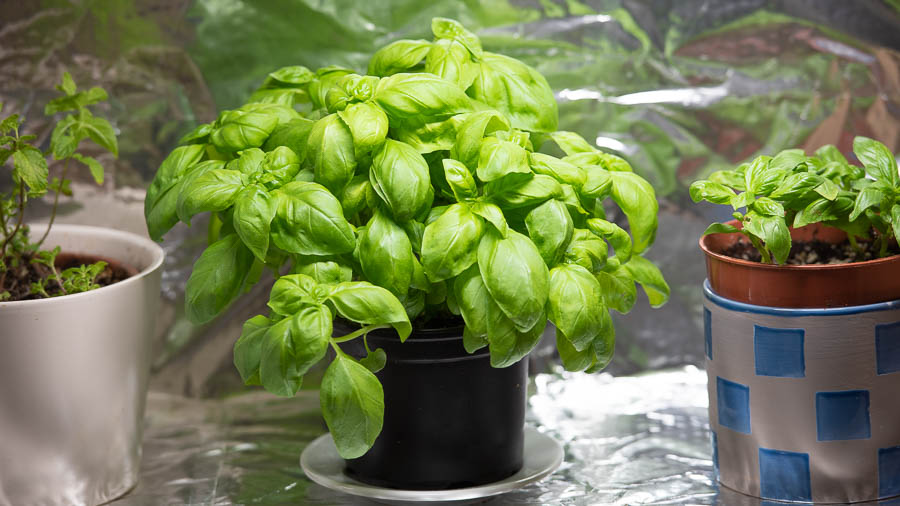
Once you've chosen your herbs, it's time to set up their new home. This is where you can truly make a difference in their success. The right pot, soil, and location are crucial for a thriving indoor garden.
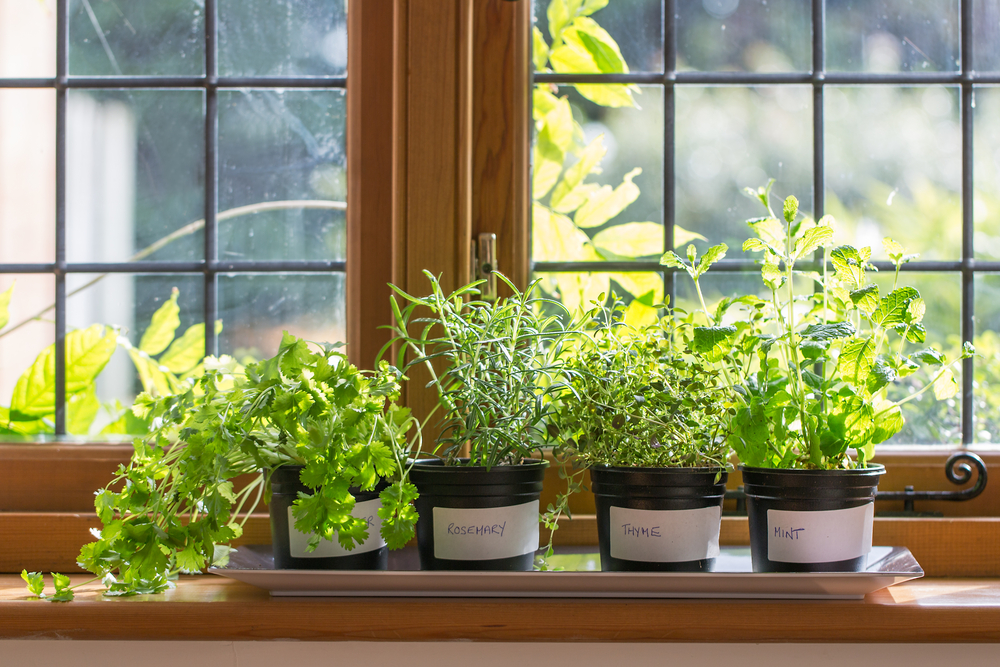
Potting and Soil Selection
Choosing the right pot is more important than you might think. Drainage is paramount. Most herbs hate sitting in soggy soil. I recommend using pots with a drainage hole at the bottom. Clay pots, or terracotta, are excellent because they are porous and allow excess moisture to evaporate, which can help prevent root rot. Plastic pots work too, just be extra careful not to overwater.
For soil, a highquality potting mix is your best friend. Don't use soil from your outdoor garden, as it can be too dense and may contain pests or diseases. Look for a mix that is light, airy, and designed for container gardening. You can also mix in some perlite or vermiculite to improve drainage even further. This is a simple step that can make a huge difference in the health of your plants.
The Importance of Light
As we've discussed, light is the most critical factor for success. If you don't have a sunny southfacing window, don't despair. Supplemental lighting is an easy and effective solution. LED grow lights are a fantastic option. They are energyefficient and come in a variety of sizes, from small desktop lamps to fullon panels. I do recommend placing the light source directly above the plants, as this mimics the sun's natural path and promotes even growth. The general rule of thumb is to provide 1216 hours of light per day. You can use a simple timer to automate this process, making it one less thing to worry about.
Watering and Feeding Your Herbs
Watering is an art, not a science. The key is to water your herbs based on their needs, not on a strict schedule. This is where getting to know your plants comes in handy. Before you water, stick your finger about an inch into the soil. If it feels dry, it's time to water. If it's still damp, wait another day or two. When you do water, water thoroughly until you see water coming out of the drainage holes. This ensures that the entire root system gets a drink.
As for feeding, remember that herbs in containers have a limited supply of nutrients. I recommend a halfstrength dose of a balanced, allpurpose liquid fertilizer once a month during the winter. This will give your herbs the boost they need to continue producing fresh leaves. Do not overfertilize, as this can lead to leggy, weak growth and can even burn the roots. Think of it as a gentle supplement, not a full meal.
Harvesting and Pruning for Continuous Growth
The whole point of growing herbs is to use them! Harvesting regularly is not just about enjoying the fruits of your labor; it's also about encouraging your plant to produce new, bushy growth. The more you harvest, the more it will grow. I recommend using a clean pair of scissors or garden shears to snip off leaves or stems. For most herbs, you should aim to harvest the top third of the plant. This promotes branching and keeps the plant from becoming tall and leggy. Never remove more than onethird of the plant at a time, as this can shock it and inhibit its growth.
For herbs like basil, a key technique is to pinch off the central stem just above a pair of leaves. This forces the plant to grow outwards, creating a denser, more productive plant. For woody herbs like rosemary and thyme, simply snip off the tips of the stems as you need them. Regular harvesting will keep your herbs healthy, happy, and productive throughout the winter months.
Troubleshooting Common Indoor Herb Problems
Even the most experienced gardeners face challenges. The key is to be observant and address problems quickly. Here are some of the most common issues you might encounter and how to solve them:
Yellowing Leaves
Yellowing leaves are often a sign of overwatering. Check the soil moisture. If it's soggy, let it dry out completely before watering again. Ensure your pot has good drainage. It can also be a sign of a nutrient deficiency, but overwatering is the more common culprit for a beginner.
Leggy, Pale Growth

This is almost always a sign of insufficient light. If your herbs are stretching and looking pale, they are desperate for more sunlight. Move them to a sunnier location or, better yet, supplement with a grow light. The new growth should be more compact and vibrant.
Pests
Indoor plants are not immune to pests. The most common are spider mites, aphids, and fungus gnats. Fungus gnats are a sign of overwatering, as they thrive in moist soil. The best defense against all of these is a healthy plant. However, if you do see pests, I recommend a simple solution of insecticidal soap. A gentle spray can often get rid of them without harming your herbs. You can also use a mixture of water and a few drops of dish soap.
Growing herbs indoors in winter is a wonderfully rewarding experience. It not only provides you with fresh, flavorful ingredients, but it also brings a touch of the outdoors inside, brightening up your home during the darker months. From my experience, the key to success is observation and a little bit of care. I do believe that anyone, regardless of their gardening experience, can have a flourishing indoor herb garden. I recommend you start today and see for yourself how much joy it can bring. The freshness and flavor you'll get from your own homegrown herbs are simply unparalleled, making every meal a little bit more special.
From my experience, I do believe that with the right knowledge and a little bit of effort, you can enjoy a continuous harvest of vibrant, aromatic herbs right from your kitchen counter. This isn't just about convenience; it's about connecting with your food and bringing a little piece of nature indoors when the outside world is dormant. I recommend that anyone who loves to cook, or simply enjoys the presence of green things, embarks on this rewarding journey. This guide is your roadmap to success, and I'm confident that by following these steps, you'll soon be enjoying your own homegrown herbs all winter long.
From my experience, I have found that the journey of growing herbs indoors is not merely about cultivating plants; it is a profound connection to the rhythm of nature, even when the world outside is cloaked in snow and ice. I do believe that this practice fosters a sense of selfsufficiency and mindful living. The simple act of snipping a few leaves of basil for a pasta dish or a sprig of rosemary for a roast is a powerful reminder of the simple joys in life. I recommend that you document your progress, take pictures, and celebrate every new leaf and every successful harvest. The satisfaction that comes from tending to something and watching it grow is truly immense.
Meta Data
Meta Keywords: growing herbs indoors, growing herbs in winter, indoor herb garden, winter gardening, herbs indoors, basil, rosemary, mint, thyme, gardening tips, grow lights, plant care, fresh herbs


Comments
Post a Comment