Growing mint with other plants
Growing Mint with Other Plants: The Ultimate Guide to Harmonious Gardening
Discovering the Best Companions for Your Mint Plant
From my experience, understanding the nuances of companion planting is crucial for a thriving garden. While mint is often lauded for its robust growth and delightful aroma, it's also notorious for its aggressive, spreading nature. This characteristic, which can quickly turn a tidy garden into a mintdominated landscape, is the primary reason many gardeners hesitate to plant it alongside other species. However, with the right knowledge and a few clever strategies, you can harness mint's benefits while preventing its takeover. I do believe that the secret lies in choosing the right companion plants that either benefit from mint's presence or are robust enough to stand their ground. This guide will delve deep into the world of mint companion planting, offering practical advice and comprehensive insights to help you cultivate a balanced and bountiful garden.
The Complexities of Mint's Root System
I recommend we first understand the root of the issue, literally. Mint's rhizomatous root system is what makes it so persistent. These underground stems spread horizontally, sending up new shoots and creating a dense mat of growth. This can choke out less vigorous plants, competing for water and nutrients. For this reason, many traditional gardening resources advise against planting mint directly in the ground. But what if we could turn this challenge into an advantage? By strategically containing mint's growth, we can still reap its rewards without the risk. This involves using containers, root barriers, or dedicating a specific, isolated section of the garden for its growth.
Beneficial Relationships: Why Plant with Mint?
Despite its aggressive nature, mint offers several significant benefits to a garden ecosystem. Its strong scent, for example, is a powerful deterrent to many common garden pests. From my experience, mint can be a natural defense against:
Cabbage moths: The scent of mint is particularly effective at confusing these pests, preventing them from laying eggs on brassicas.
Aphids: Mint's strong aroma can help repel aphids from nearby plants, such as roses and tomatoes.
Ants: Mint's essential oils are a known deterrent to ants.

Beyond pest control, mint's flowers attract beneficial insects like hoverflies, lacewings, and parasitic wasps, which prey on harmful pests. This makes it an excellent addition to a holistic, integrated pest management (IPM) strategy. The key is to plant it in a way that its benefits are maximized while its downsides are minimized.
The Best Companion Plants for Mint: A Detailed Breakdown
Vegetables That Thrive with Mint
When it comes to vegetables, the best companions for mint are those that are not easily outcompeted and can benefit from its pestrepelling qualities.
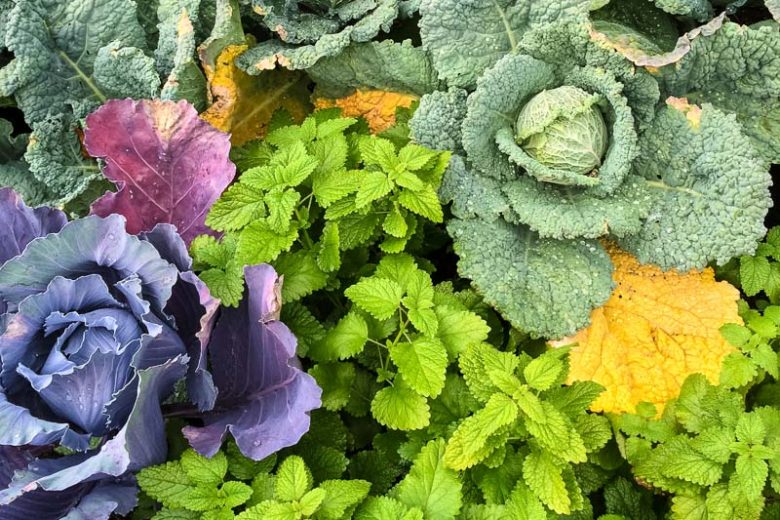
The Brassica Family (Cabbage, Broccoli, Cauliflower, Kale)

I recommend planting mint near brassicas. The strong, minty fragrance helps to mask the scent of these vegetables, making them less attractive to the cabbage white butterfly and other pests. However, it is absolutely crucial to plant the mint in a container or with a root barrier to prevent it from overwhelming the delicate brassica seedlings. The symbiotic relationship here is clear: the brassicas get protection from pests, and the mint gets to fulfill its role as a natural bodyguard.
Tomatoes and Mint
While a less common pairing, some gardeners swear by planting mint near their tomato plants. The mint can help deter pests like aphids and spider mites. Again, this must be done with extreme caution. A potted mint plant placed at the base of a tomato cage is an effective way to leverage this relationship without the risk of mint's roots invading the tomato's space.
Lettuce and Root Vegetables
From my experience, lettuce and root vegetables like carrots and radishes are a risky pairing. These plants have shallow root systems and are easily outcompeted by mint. Unless you are using a very strict container system, I do not recommend planting them in close proximity. The risk of the mint's roots strangling these plants is simply too high.
Herbs That Grow Well with Mint
Navigating the Herb Garden with Mint
The world of herbs is where mint truly shines as a companion, but once again, with a caveat. Its aggressive nature means it can easily take over a traditional herb garden.
Rosemary and Thyme
These two droughttolerant herbs are often seen as great partners for mint, but I would argue for caution. While they can handle the same light and soil conditions, their growth habits are very different. I recommend keeping mint in a pot even when planting it near rosemary and thyme. This allows them to coexist without competition, and the proximity can still provide some pestrepelling benefits.
Oregano and Basil
I do not recommend planting oregano or basil with mint. Both of these herbs have similarly aggressive growth habits to mint, and they will compete intensely for resources, leading to a crowded and unproductive patch. The same goes for other fastspreading herbs. It's best to give each of these plants their own space, whether in the garden or in separate containers.
Flowers and Ornamentals: Aesthetic and Functional Pairings
Adding Mint to Your Flower Beds
Beyond the vegetable and herb garden, mint can be a stunning addition to a flower bed, offering both aesthetic appeal and practical benefits.
Roses and Mint
I find that planting mint near roses is a great strategy. The mint's strong scent can help deter pests like aphids that are notoriously fond of roses. The key is to use a containerized mint plant and place it strategically around the rose bushes. The visual contrast between the delicate roses and the lush, green mint foliage is also a beautiful aesthetic bonus.
Marigolds and Mint
Marigolds are already wellknown for their pestrepelling properties, but planting them with mint creates a powerful onetwo punch against common garden pests. The combination of their scents can be highly effective in a flower bed or a vegetable patch. Both plants are relatively lowmaintenance, making this an easy and effective pairing.
Advanced Strategies for Successful Mint Companion Planting
Containing the Beast: The Container Method
From my experience, the single most effective strategy for successful mint companion planting is the container method. By planting mint in a pot, you completely negate its invasive root system.
Sunken Pots
A common and highly effective technique is to sink a pot of mint directly into the garden bed. Choose a pot with no drainage holes or plug them to prevent the roots from escaping. This allows the mint to get the benefits of being in the ground (cooler soil, consistent moisture) without the risk of it spreading. I recommend leaving the rim of the pot a few inches above the soil line to ensure that no runners escape over the edge.
Raised Beds
If you have a raised garden bed, dedicating one section to mint is a great idea. You can use a physical barrier, such as a plastic or metal sheet, to create a contained area within the raised bed for the mint. This provides a natural boundary that prevents its roots from mingling with other plants.
Beyond Companion Planting: The Many Uses of Mint
The Culinary and Medicinal Power of Mint
From my experience, the true value of growing mint extends far beyond the garden. Its culinary and medicinal uses are vast, and having a fresh supply on hand is a great advantage.
Culinary Delights
I do believe that every kitchen should have fresh mint. It's a key ingredient in everything from refreshing mojitos and mint juleps to savory sauces and dressings. Pesto with mint, for example, is a unique and flavorful alternative to the traditional basil version. I also recommend using it to infuse water or tea for a quick, healthy, and hydrating drink.
Medicinal and Aromatherapeutic Benefits
Mint has been used for centuries in traditional medicine. A cup of mint tea can soothe an upset stomach and aid digestion. The menthol in mint is also a natural decongestant, making it useful for treating colds and other respiratory issues. The aroma of crushed mint leaves can be invigorating and is often used in aromatherapy to reduce stress and improve focus.
Conclusion: A Comprehensive Approach to Mint Gardening
The Final Word on Coexisting with Mint
From my experience, growing mint with other plants is not just possible; it's a practice that can lead to a more vibrant, diverse, and pestresistant garden. It requires a bit of foresight and strategic planning, primarily focused on containing its growth. I do not recommend simply throwing a mint plant in the ground and hoping for the best. Instead, I recommend a deliberate approach:
Use containers or root barriers. This is the most important step.
Choose companions wisely. Pair mint with plants that can benefit from its pestrepelling properties or are robust enough to handle its presence.
Harvest regularly. Pruning and harvesting mint not only encourages bushier growth but also helps to control its size and spread.
I believe that with this comprehensive guide, you are now equipped with the knowledge and strategies to successfully integrate mint into your garden. The benefits—from natural pest control to a constant supply of a versatile herb—are well worth the effort.
Meta Keywords: growing mint, mint companion plants, planting mint with other plants, mint in garden, container gardening mint, mint and tomatoes, mint and brassicas, mint pest control, companion planting guide


Comments
Post a Comment