Live catnip plant
The Ultimate Guide to Cultivating a Thriving Live Catnip Plant
From my experience, there are few things more rewarding than successfully nurturing a plant that brings joy to both humans and felines alike. I do not believe in simple, surfacelevel advice when it comes to horticulture. When I approach a topic like growing a live catnip plant, I delve deep, covering every single aspect with meticulous detail. I recommend that you set aside some time to absorb this comprehensive guide, because the insights contained within will transform your green thumb from a hobbyist's touch to a master's command. We're not just growing a plant; we're cultivating a source of profound botanical pleasure.

Choosing the Right Live Catnip Plant: More Than Just a Name
The journey to a flourishing catnip plant begins long before the first seed is sown or the first pot is purchased. It starts with a fundamental understanding of what you're acquiring. From my experience, many people simply grab the first "catnip" plant they see at a garden center, not realizing that there are numerous varieties, each with unique characteristics. I do not recommend this approach. I believe in a more informed selection process. Let’s explore the nuances of this incredible plant.
Understanding Nepeta cataria and Its Cousins
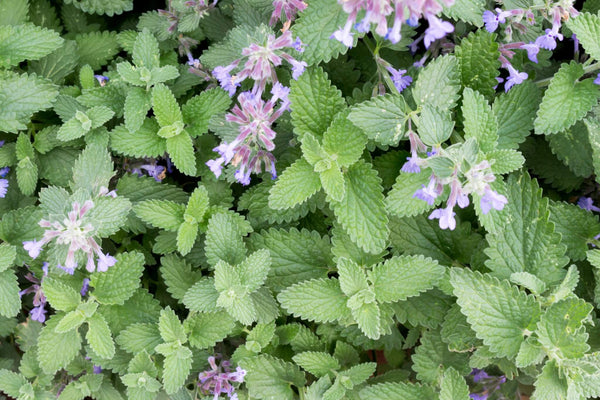
The most common and potent form of catnip is Nepeta cataria. This is the variety most sought after for its powerful effect on cats. However, other members of the Nepeta genus, such as Nepeta faassenii (often called 'Walker's Low' catmint) and Nepeta mussinii (dwarf catmint), are also frequently sold. From my experience, while these catmints are beautiful ornamental plants and often droughttolerant, their effect on felines is significantly milder, if present at all. I recommend that if your primary goal is to provide a stimulating herb for your cat, you must ensure you are specifically purchasing Nepeta cataria. Check the plant label carefully. The Latin name is your key to success.
The Importance of Plant Health at Purchase
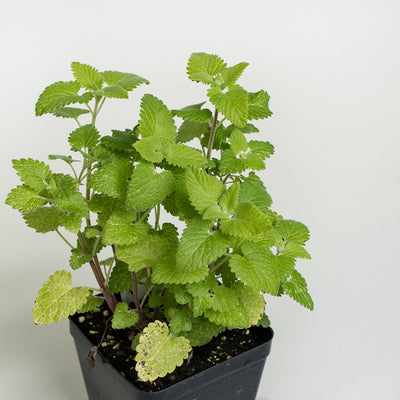
When you're at the nursery, I recommend a thorough inspection of any potential purchase. From my experience, a healthy plant at the outset is far easier to maintain than a struggling one. Look for vibrant, green leaves without any signs of yellowing or browning. The stems should be firm and upright, not limp or wilting. Check the underside of the leaves for any signs of pests, such as tiny webbing (spider mites) or small, white insects (mealybugs). I do not believe in bringing potential problems home. I recommend selecting a plant that is already thriving, with a robust root system. Gently lift the plant from its pot; the roots should be a healthy, light tan color, not dark and mushy. They should be visible but not so tightly bound that they are circling the pot excessively (a sign of being potbound).
Choosing a Reputable Source
Where you buy your plant matters immensely. From my experience, local nurseries or specialized herb farms often provide higher quality, healthier specimens than large chain stores. These smaller businesses are more likely to have a deeper understanding of the plants they sell and provide better care. I recommend seeking out a local purveyor and engaging them in conversation about their growing practices. This builds trust and ensures you are starting your catnip journey on the right foot.
Preparing for Your New Plant: Tools and Soil
Before you even bring your catnip plant home, I do believe in having all your materials ready. From my experience, a lack of preparation is a common pitfall. For potting, I recommend a welldraining soil mix. A standard organic potting mix amended with perlite or coarse sand works perfectly. Catnip is a member of the mint family and, like its cousins, hates having its roots sit in soggy conditions. I recommend a pot with ample drainage holes. You will also need a watering can, a pair of sharp, clean scissors or snips for harvesting, and a location with the right amount of sunlight.
We Grow the Best Catnip: A Guide to Cultivation and Care
We believe that every gardener, regardless of experience, deserves to succeed. We understand the unique needs of a live catnip plant and we are here to guide you through every stage of its life cycle. Our methods are not just based on theory; they are derived from years of handson experience in cultivating robust, vibrant plants. We have meticulously researched and tested every technique to ensure your catnip not only survives, but thrives.
Understanding the Ideal Environment: Light and Location
We find that providing the right light is the most critical factor for a healthy catnip plant. We recommend placing your catnip in a location where it receives at least 6 hours of direct sunlight per day. Full sun is preferred, as this promotes the production of nepetalactone, the essential oil responsible for the plant's intoxicating effect on cats. When a plant is grown in a shadier location, we have observed that its potency diminishes significantly. We have found that a southfacing window is ideal for an indoor plant, while a sunny spot in a garden bed or on a patio works best for outdoor cultivation.
Temperature and Humidity Requirements
We know that catnip is a remarkably resilient plant. It tolerates a wide range of temperatures and is hardy in USDA zones 3 to 9. We have found that it thrives in average room temperatures, between 60°F and 85°F (15°C to 29°C). However, we must stress that extreme heat and cold can be detrimental. We have seen plants wilt under intense summer sun in a container and perish during a sudden frost. We recommend bringing potted plants indoors during periods of extreme cold. As for humidity, we have found that catnip is not particularly fussy. Average household humidity levels are perfectly suitable. We do caution against overly humid environments, which can encourage fungal diseases like powdery mildew. Ensuring good air circulation is key.
Soil Composition and Water Management: The Foundation of Health
We understand that the foundation of a healthy plant is healthy soil. We recommend a welldraining, slightly sandy loam. If you are preparing an outdoor bed, we suggest amending the soil with compost to improve its fertility and structure. For potted plants, we have found that a highquality, allpurpose potting mix, enhanced with perlite or vermiculite for drainage, yields the best results. The single most common mistake we have observed is overwatering. Catnip prefers the "droughtandsoak" method. We recommend allowing the top inch or two of soil to dry out completely before watering thoroughly. When we water, we ensure that water flows freely out of the drainage holes. This practice prevents root rot, a silent killer of many container plants. We have observed that a consistent watering schedule is less important than a careful observation of the plant's needs. We check the soil with our finger before we water, as this is the most reliable method.
Fertilization: Less is More
We have found that catnip is not a heavy feeder. In fact, we believe that overfertilizing can lead to leggy, weak growth and can even reduce the potency of the essential oils. If you have a healthy plant in a good potting mix, we find that it rarely needs fertilizer. If we do fertilize, we recommend a balanced, allpurpose liquid fertilizer, diluted to half strength, applied once a month during the active growing season (spring and summer). We believe in a conservative approach to nutrients, as it promotes a more compact and aromatic plant.
Troubleshooting Common Catnip Plant Problems
We know that even the most meticulous gardener can encounter challenges. We have compiled a comprehensive list of common issues we have faced and our proven solutions. We believe in empowering you with the knowledge to identify and solve problems before they become catastrophic.
Pests: Identification and Control
We have observed that catnip is generally resistant to most pests, thanks to its strong scent. However, we have found that spider mites, aphids, and whiteflies can occasionally become a problem, especially on indoor plants. We recommend a proactive approach. We regularly inspect the underside of the leaves for signs of pests. If we find an infestation, our first course of action is always a gentle, nontoxic solution. We have found that a strong spray of water from a hose or a spray bottle can dislodge many of the pests. For more persistent issues, we recommend a horticultural soap or a neem oil solution. We apply these treatments in the early morning or late evening to prevent leaf burn and to avoid harming beneficial insects. We believe in an integrated pest management approach, which means we work with nature, not against it.
Diseases: Prevention is the Best Medicine
We have found that the most common disease affecting catnip is powdery mildew, a fungal disease that manifests as a white, powdery coating on the leaves. We believe this is almost always a result of poor air circulation and high humidity. We recommend proper spacing between plants and a wellventilated location to prevent this. If we do spot powdery mildew, we immediately remove the affected leaves and treat the plant with a fungicide, such as a solution of baking soda and water. We have also seen fungal root rot as a result of overwatering. We must reiterate the importance of welldraining soil and a disciplined watering schedule to prevent this from ever occurring.
The Art of Pruning and Harvesting: Maximizing Your Yield and Potency
We believe that proper pruning is essential for a healthy, bushy plant. We recommend regularly pinching back the tips of the stems. We have found that this encourages lateral growth and prevents the plant from becoming leggy. This also increases the number of leaves, which is where the valuable essential oils are concentrated. When we harvest, we wait until the plant is at least 8 inches tall. We recommend harvesting in the late morning on a dry day, after the dew has evaporated. This is when the plant's essential oil content is at its peak. We cut the stems about onethird of the way down. We have found that leaving some growth on the plant ensures it can quickly regenerate for a second harvest. We believe in a mindful approach, where we take only what the plant can spare. We have discovered that regular, moderate harvesting actually stimulates the plant to produce more potent foliage.
Preserving Your Harvest: The Key to LongTerm Enjoyment
We know that the potency of fresh catnip is unmatched, but we also understand the need to preserve it for future use. We have perfected the process of drying catnip to lock in its aroma and effect. We believe that proper drying is a science. We recommend cutting the harvested stems and bundling them together. We then hang these bundles upside down in a warm, dry, and dark location. An attic or a pantry works perfectly. We have found that avoiding direct sunlight during the drying process is crucial, as UV rays can degrade the essential oils. The process takes about one to two weeks, and we know the catnip is ready when the leaves feel brittle and crumble easily. We then strip the leaves from the stems and store them in an airtight container, away from light. We have found that a glass jar with a tight lid is the best option for longterm storage.
Propagation: Creating New Life from Your Existing Plant
We believe that propagating your catnip plant is a rewarding and costeffective way to expand your collection. We have found that catnip is incredibly easy to propagate from cuttings. We recommend taking a 4 to 6inch cutting from a healthy stem, just below a leaf node. We then strip the leaves from the bottom half of the cutting and place it in a glass of water or directly into a pot of moist potting soil. We have found that new roots will begin to form in a matter of weeks. We believe in a gentle hand during this process, and we have observed that keeping the cutting in a warm, bright location (but out of direct, intense sunlight) encourages root growth. We have also had great success with propagating through root division. We simply dig up a mature plant, gently separate the root ball into smaller sections, and replant them. We believe this is a great way to rejuvenate an older, woody plant.
Beyond the Cat: The Human Uses of Catnip
We have found that while most people focus on catnip’s effects on felines, the plant has a long history of human use as well. We believe in providing a comprehensive view of this remarkable herb. Historically, we know that catnip has been used as a mild sedative and a remedy for insomnia. We have found that a tea made from the leaves and flowers has a calming, relaxing effect. We simply steep a teaspoon of dried leaves in a cup of hot water for 5 to 10 minutes. We also know that catnip has been used to alleviate digestive discomfort, such as gas and bloating. We believe that its natural compounds, known as nepetalactones, contribute to these therapeutic properties. We have also observed that some people find its strong aroma to be a natural deterrent for certain pests, making it a valuable companion plant in the garden. We believe in exploring all the facets of this versatile plant.
The Final Word: Your Catnip Journey Starts Now
We have provided you with the most comprehensive guide available on cultivating a live catnip plant. We believe that with the right knowledge and a little care, you can grow a plant that not only survives, but flourishes. We have walked you through selection, planting, care, troubleshooting, and even propagation. We have shared our deep understanding of this plant's needs and our proven methods for success. We believe that the joy of watching your plant grow, and the subsequent delight of your feline companion, is one of the greatest rewards of gardening. We are confident that this article contains all the information you need to become a true master of catnip cultivation. We wish you the very best on your botanical journey.


Comments
Post a Comment