Basil watering needs
The fragrant leaves, a staple in countless culinary traditions, are a testament to the plant's vitality. However, a common stumbling block for many is understanding the precise watering needs of this herb. We are here to provide the most comprehensive guide on this topic, ensuring your basil plants are not just surviving, but truly thriving. We will delve into every nuance, from the basics of soil moisture to advanced techniques that promote deep root growth and robust foliage.
The Fundamental Principles of Watering Basil
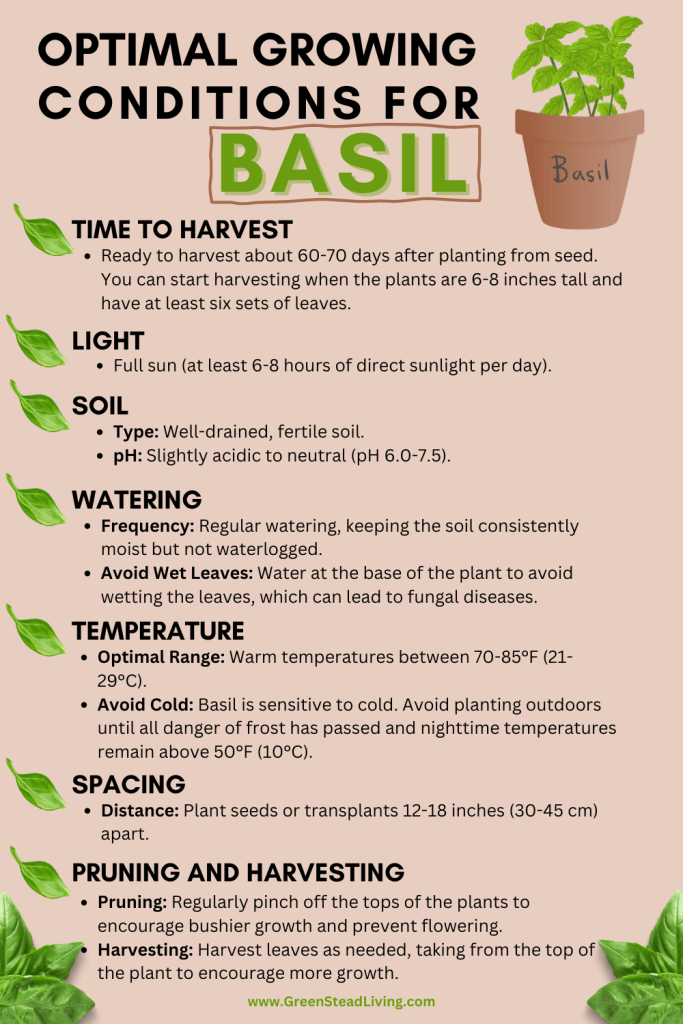
We often hear the simple advice: "keep basil moist." While this is a good starting point, it lacks the necessary detail to be truly effective. The key is to find the perfect balance. Basil plants crave consistently moist soil, but they absolutely despise being waterlogged. Soggy roots are a death sentence, leading to the dreaded root rot. Our goal is to maintain an environment that feels like a wellwrungout sponge—damp, but not dripping.
We must first understand the "why" behind this. Basil, a tender herb native to tropical and subtropical regions, is accustomed to regular rainfall but also requires welldraining soil to prevent its roots from sitting in stagnant water. This balance ensures the roots have access to both water and essential oxygen. Without proper drainage, the roots suffocate, leading to the very symptoms that often confuse gardeners: wilting and yellowing leaves.
The Golden Rule: Check the Soil, Don't Guess
The single most important practice we can adopt is to physically check the soil moisture. We do not rely on a rigid schedule or a calendar. Every plant, every pot, and every day is different. The simplest and most effective method is the finger test. We simply insert a finger into the soil about 1 to 2 inches deep.
If the soil feels dry at this depth, it is time to water.
If it still feels moist or cool, we can wait.
We find that this tactile approach is far more accurate than any other method. While moisture meters are useful tools, they can sometimes give misleading readings, especially in different soil types. The finger test, on the other hand, gives us a direct sense of the conditions the roots are experiencing.
How Often to Water Basil: A Detailed Breakdown
The frequency of watering is not onesizefitsall. It is influenced by a multitude of factors. We will explore each of these in detail to help you create a tailored watering routine.
Basil in Outdoor Gardens vs. Containers
The first and most significant distinction is where the basil is planted.
Outdoor Garden Beds
When we plant basil directly in the ground, the soil tends to retain moisture for longer periods. The vast soil volume acts as a natural reservoir, and the plant's root system can expand deeply to seek out moisture. We find that basil in garden beds typically needs to be watered once or twice a week. However, this can change dramatically with the weather. During a heatwave, we may need to water daily. After a significant rainfall, we may not need to water for several days.
Potted Basil Plants
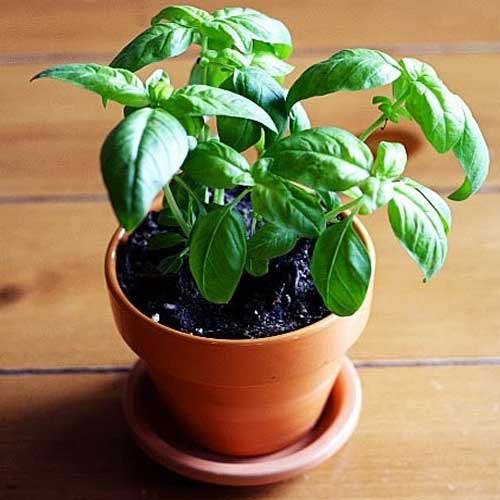
Pots, especially terracotta pots, are a different story. They heat up faster, and their limited soil volume means they dry out much more quickly. Potted basil often needs to be watered every 13 days, and sometimes even daily during hot summer weather. We always recommend using pots with ample drainage holes to prevent water from accumulating at the bottom.
The Impact of Climate and Season
The local climate and the time of year are critical variables.
Hot, Dry Climates: In these conditions, evaporation is rapid. We find that basil, whether in the ground or in a pot, will be thirsty. We recommend checking the soil daily and watering in the early morning to minimize evaporation.
Cool, Humid Climates: In contrast, the soil retains moisture for longer, and the risk of overwatering increases. We must be particularly vigilant about checking the soil and adjust our watering frequency accordingly.
Seasonal Changes: The watering needs of basil will change with the seasons. A basil plant in the heat of a July afternoon requires far more water than the same plant in a cool September. We always adjust our routine with the changing temperatures.
The Art of Watering: Technique Matters
It's not just about how often; it's also about how we water. The right technique ensures water reaches the roots and keeps the plant healthy.
Water at the Base, Not the Leaves
We always water at the base of the plant, directly on the soil. We avoid splashing the leaves. Why is this so important? Wet foliage, especially overnight, can create the perfect environment for fungal diseases like downy mildew. By watering the soil directly, we keep the leaves dry and happy.
Deep, Infrequent Waterings
We recommend giving a deep, thorough watering rather than frequent, shallow sips. Shallow watering encourages a shallow root system, making the plant more vulnerable to drought and stress. A deep watering encourages the roots to grow downwards, creating a more resilient and robust plant. We water until we see water starting to drain from the bottom of the pot or until the soil is consistently moist to a depth of several inches in a garden bed.
Diagnosing Watering Issues: Overwatering vs. Underwatering
Misunderstanding the signs of a thirsty or waterlogged plant is a common mistake. We will provide a detailed guide to help you distinguish between the two and take corrective action.
Signs of Overwatering
This is arguably the more serious of the two problems, as it can lead to fatal root rot. The symptoms can be confusing because they often mimic underwatering.
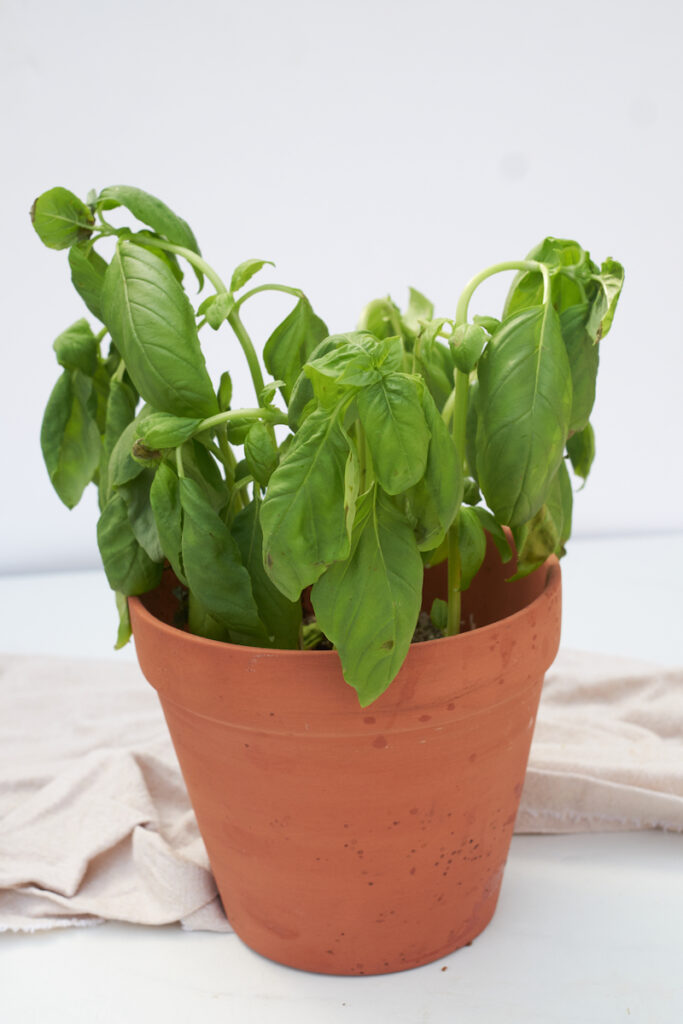
Wilting and Drooping Leaves: The plant may look thirsty, but the soil will feel soggy and wet. The roots are suffocating and can't transport water to the rest of the plant.

Yellowing Leaves: Overwatered basil often develops yellow leaves, particularly at the base of the plant. This is a sign of nutrient deficiency because the damaged roots cannot absorb nutrients.
Stunted Growth: The plant may look limp and unhealthy, with a lack of new, vibrant growth.
Blackened Stems or Roots: This is a clear indicator of root rot. The stems may feel mushy and the roots will be black and slimy instead of firm and white.
How to Recover an Overwatered Basil Plant:
We immediately stop watering. If the plant is in a pot, we move it to a location with better air circulation and sunlight to help the soil dry out. We can also carefully repot the plant into fresh, dry soil and a clean pot, gently trimming any black or rotten roots. We ensure the new pot has excellent drainage.
Signs of Underwatering
Underwatering is typically easier to fix than overwatering because the damage is often reversible.
Wilting and Drooping Leaves: Unlike overwatering, the soil will be dry and perhaps even cracked. The leaves may feel crispy and brittle. The plant is simply dehydrated.
Crispy, Brown Leaves: The leaves will dry out, starting from the edges, and become brown and brittle.
Slowed or Stunted Growth: Without adequate water, the plant cannot photosynthesize or grow new leaves effectively.
How to Recover an Underwatered Basil Plant:
We give the plant a deep, thorough watering. If it's in a pot, we may even place the pot in a bowl of water for a few hours to allow it to absorb moisture from the bottom, a technique known as bottomwatering. The plant should perk up within a few hours.
Advanced Watering and Soil Management Techniques
For the most robust and productive basil plants, we go beyond the basics. We incorporate techniques that improve the overall health of the soil and the plant.
The Role of Mulch
We consistently use a layer of mulch around the base of our basil plants. A 1 to 3inch layer of organic mulch, such as straw or shredded leaves, serves multiple purposes. It helps to:
Retain Soil Moisture: It acts as a barrier, slowing down evaporation from the soil surface. This means we can water less frequently.

Suppress Weeds: Weeds compete with our basil for water and nutrients.
Regulate Soil Temperature: It keeps the soil cooler in hot weather and warmer in cool weather, providing a stable environment for the roots.
The Importance of WellDraining Soil
We always start with the right foundation. Basil requires welldraining soil. Whether we are planting in a pot or a garden bed, we amend our soil with organic matter like compost. This improves the soil's structure, allowing it to hold moisture without becoming waterlogged. For potted basil, we use a highquality potting mix specifically designed for container gardening.
Drip Irrigation Systems
For larger basil patches or garden beds, we find that a drip irrigation system is an incredibly effective tool. It delivers water directly to the soil at the base of the plant, ensuring deep watering and preventing water from splashing on the leaves. It's an efficient way to provide consistent moisture without the risk of overwatering or disease.
Common Basil Watering Questions Answered
We receive many questions about basil watering, and we want to address them directly.
Can I water my basil with tap water?
Yes, in most cases, tap water is perfectly fine. If your tap water has very high levels of chlorine, you can let it sit out for 24 hours to allow the chlorine to dissipate before watering.
What about a selfwatering planter?
Selfwatering planters can be a great option, especially for those who travel frequently or tend to forget to water. They provide a consistent supply of moisture. However, we always recommend checking the soil occasionally to ensure it's not becoming too soggy.
How do I know if my basil is getting enough water during a heatwave?
During a heatwave, we check the soil every morning. If the plant looks droopy by the afternoon, it may be a sign of heat stress or thirst. We give it a drink in the early morning or evening. A plant that is consistently wilting is a sign it needs more water.
Can too much water affect the flavor of basil?
Yes, it can. Overwatering can dilute the essential oils in the leaves, leading to a less pungent flavor. We aim for a balance—moist soil for growth, but not so much that we compromise the flavor. A slight amount of water stress can actually concentrate the flavor, but we do not recommend this as a regular practice because it can stunt the plant's growth.
In Conclusion: Cultivating the Perfect Basil Plant
We have covered the fundamental principles, the detailed techniques, and the common pitfalls associated with basil watering needs. We believe that with this knowledge, anyone can successfully grow lush, vibrant, and flavorful basil. Remember, the key is to be attentive to your plant's signals and to provide it with the right amount of care. By focusing on deep, consistent watering, proper drainage, and a keen eye for the signs of stress, we can ensure our basil plants are a source of joy and deliciousness for the entire growing season.


Comments
Post a Comment