Beef tomatoes
The Ultimate Guide to Beef Tomatoes: Growing, Cooking, and Everything in Between
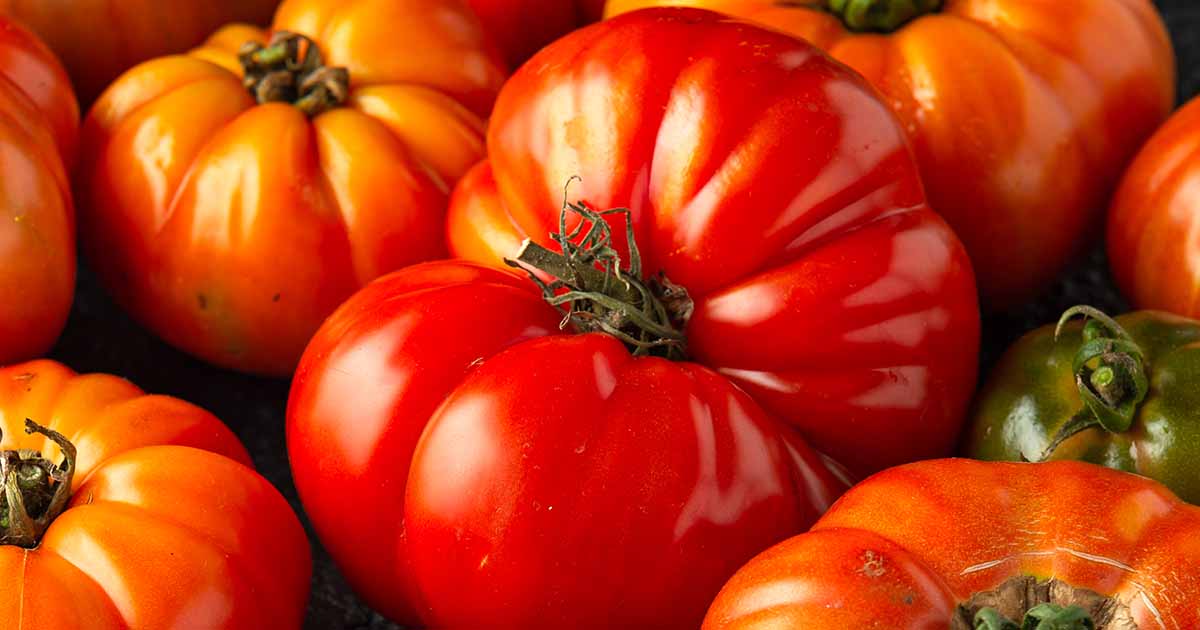
From my experience, the beef tomato stands alone as the undisputed king of the tomato world. Its sheer size, incredible flavor, and versatility in the kitchen make it a staple for any home cook or avid gardener. I do believe that understanding the nuances of this magnificent fruit is the key to unlocking its full potential. I recommend that you dive deep into this comprehensive guide, where we will explore everything from its fascinating history to the most intricate details of its cultivation and culinary applications. This isn't just about growing a tomato; it's about mastering the art of the beef tomato.
What Exactly Are Beef Tomatoes? A Deep Dive into the King of Tomatoes
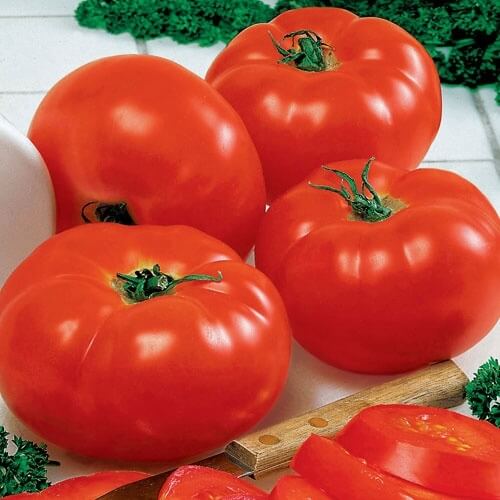
Beef tomatoes, often referred to as beefsteak tomatoes, are a specific category of large, robust tomatoes. Their name is said to have originated from their meaty, firm texture, which can be likened to a steak. Unlike cherry or grape tomatoes that are small and often used for snacking, beef tomatoes are substantial. They can weigh anywhere from one to several pounds, making them ideal for slicing and filling sandwiches, or for robust sauces and salsas. The interior of a beef tomato is characterized by its solid, meaty flesh with minimal seeds and a rich, complex flavor profile. This flavor is a perfect balance of sweetness and acidity, a combination that is often sought after but rarely achieved in other tomato varieties. The skin is typically thin but firm, holding the voluminous fruit together. I do find that the best beef tomatoes have a deep red hue when ripe, though some heirloom varieties may present in shades of pink, yellow, or even green. The ribbed appearance of many varieties is a telltale sign of their beefsteak nature, indicating a bountiful and juicy interior. Understanding these physical characteristics is the first step in appreciating their culinary and horticultural significance.
Historical and Geographical Significance of Beef Tomatoes
The history of the tomato itself is a fascinating journey, and beef tomatoes have their own unique place within it. Originating from the Andes region of South America, the tomato was domesticated by early Mesoamerican civilizations. It was initially viewed with suspicion in Europe, being a member of the nightshade family, but eventually gained acceptance and popularity, particularly in Italy and Spain. Beef tomatoes, as we know them today, are the result of centuries of selective breeding. They were specifically cultivated for their size, meaty texture, and exceptional flavor. I recommend exploring the rich heritage of heirloom beef tomatoes, which are varieties that have been passed down through generations of gardeners. These heirlooms, such as 'Brandywine' or 'Mortgage Lifter,' often have captivating stories tied to their names and offer a unique glimpse into agricultural history. The 'Mortgage Lifter' tomato, for example, was developed by a man named M.C. Byles in the 1930s, who allegedly sold the seedlings of his massive, delicious tomatoes to pay off his home mortgage. This kind of history adds a layer of depth to every beef tomato we encounter. I do believe that appreciating this history enhances the overall experience of growing and eating them. From my experience, knowing the story behind a particular variety can make the taste even more profound.

Choosing the Right Beef Tomato Variety for Your Garden
Selecting the right variety is a crucial step in growing successful beef tomatoes. The choice depends on several factors, including your climate, available space, and desired flavor profile. I do find that many gardeners start with wellknown and reliable varieties. For those in cooler climates, I recommend varieties with shorter maturity times, such as 'Big Boy' or 'Early Girl' (though not a true beefsteak, its large size and early harvest make it a good substitute). For gardeners in warmer, longerseason areas, the options are almost limitless. The 'Brandywine' tomato is a classic heirloom, celebrated for its intense, oldfashioned tomato flavor, though it can be a bit more challenging to grow. 'Cherokee Purple' is another heirloom favorite, known for its unique duskypink color and rich, smoky sweetness. If you're looking for something with a high yield and disease resistance, I recommend modern hybrids like 'Big Beef' or 'Beefmaster.' These are often bred to be more resilient to common tomato blights and pests. I do believe that starting with a hybrid can be a great way to build confidence before moving on to more sensitive heirloom varieties. It's also important to consider the plant's growth habit. Indeterminate varieties will continue to grow and produce fruit until the first frost, while determinate varieties grow to a certain size and then produce a single, large crop. From my experience, indeterminate varieties are a fantastic choice for those who want a continuous supply of tomatoes throughout the season.
Preparing Your Soil and Planting Your Beef Tomatoes
The foundation of any successful garden is the soil, and this is especially true for beef tomatoes, which are heavy feeders. I do recommend starting with a soil test to understand its composition and nutrient levels. Beef tomatoes thrive in welldrained, loamy soil with a slightly acidic pH between 6.0 and 6.8. I also recommend amending your soil generously with organic matter, such as compost or wellrotted manure, before planting. This improves soil structure, aeration, and nutrient retention. A few weeks before planting, I typically work in a balanced organic fertilizer. When it comes to planting, the timing is critical. Beef tomatoes are warmweather plants and are extremely sensitive to frost. I do not plant them until all danger of frost has passed and the soil has warmed up to at least 60°F (15°C). I recommend hardening off your seedlings before transplanting them. This involves gradually acclimating them to outdoor conditions over a period of seven to ten days. When planting, I typically bury a good portion of the stem, as tomatoes have the unique ability to grow roots from the buried stem, which leads to a stronger, more robust plant. Spacing is also important; give your plants plenty of room to grow, typically 2436 inches apart, to ensure good air circulation and prevent the spread of fungal diseases. From my experience, this careful preparation pays dividends in the form of healthier, more productive plants.
Watering, Fertilizing, and Pruning for Maximum Yield
Once your beef tomatoes are in the ground, proper care is essential. I do believe that consistent watering is the single most important factor. Beef tomatoes need about 11.5 inches of water per week, either from rain or irrigation. Inconsistent watering can lead to a condition called blossom end rot, which is a common issue characterized by a dark, leathery patch on the bottom of the fruit. I recommend watering deeply and infrequently, rather than shallowly and often, to encourage the development of a strong root system. I also recommend mulching around the base of the plant to help retain moisture, suppress weeds, and keep the soil temperature consistent. When it comes to fertilizing, beef tomatoes require a steady supply of nutrients. After the plants have established themselves, I typically use a fertilizer that is higher in phosphorus and potassium to encourage fruit production. Avoid highnitrogen fertilizers, as they can lead to excessive foliage growth at the expense of fruit. Pruning is another key technique for beef tomatoes. I do recommend removing the suckers (the small shoots that grow in the Vshape between the main stem and a leaf branch). This directs the plant's energy into the main stem and developing fruit, rather than into unnecessary foliage. I also find that supporting the heavy vines with sturdy stakes or cages is nonnegotiable. From my experience, a wellsupported plant is a healthy and productive plant.
Common Pests and Diseases and How to Combat Them
No gardening experience is complete without facing a few challenges, and beef tomatoes are no exception. I do find that being proactive is the best defense against pests and diseases. Common pests include tomato hornworms, aphids, and whiteflies. I recommend regular inspections of your plants so you can catch these issues early. Tomato hornworms, with their voracious appetites, can decimate a plant in a matter of days. I typically handpick them off and drop them in a bucket of soapy water. For aphids and whiteflies, a strong spray of water from the hose or an insecticidal soap can be effective. I do believe that fostering beneficial insects, such as ladybugs and lacewings, can also help keep pest populations in check. When it comes to diseases, fungal issues like early blight and late blight are common. These are often caused by poor air circulation and excessive moisture on the leaves. I recommend watering at the base of the plant and avoiding overhead irrigation. If you see signs of fungal disease, such as yellowing leaves with brown spots, I recommend removing the affected foliage immediately and disposing of it away from the garden. In some cases, a fungicide may be necessary, but I do believe that prevention is always the best course of action. I recommend rotating your crops each year to prevent the buildup of soilborne pathogens. From my experience, a healthy, wellcaredfor plant is much less susceptible to disease than a stressed one.
Harvesting Your Bountiful Beef Tomato Crop
The moment of truth arrives when your beef tomatoes are ready to be harvested. I do believe that timing the harvest is crucial for optimal flavor and texture. A ripe beef tomato will have a deep, uniform color, and the skin will feel slightly soft to the touch. The fruit should also have a distinct, rich aroma. I recommend picking them when they are fully ripe, as tomatoes will not continue to ripen and develop flavor after being picked. To harvest, I gently twist the tomato from the vine or use a pair of garden shears to snip the stem. Be careful not to damage the plant or the tomato itself. I do recommend harvesting in the morning after the dew has dried, as this is when the fruit is at its most firm and flavorful. Once harvested, I typically do not refrigerate them. The cold temperature of a refrigerator can break down the cell walls and diminish their flavor and texture. I recommend storing them at room temperature on the counter, away from direct sunlight, where they will retain their superb quality for several days. From my experience, there is nothing quite like the taste of a sunripened, freshly picked beef tomato straight from the garden.
Culinary Applications: The Versatility of Beef Tomatoes in the Kitchen
The size and meaty texture of beef tomatoes make them incredibly versatile in the kitchen. I do believe that their robust flavor can elevate any dish. I recommend starting with the simplest of preparations to truly appreciate their taste. A simple slice of ripe beef tomato with a sprinkle of sea salt and a drizzle of olive oil is, in my opinion, one of the greatest culinary pleasures. For sandwiches and burgers, their large, uniform slices are a perfect fit, providing a juicy, flavorful layer that smaller tomatoes simply can't replicate. I do recommend using them for a classic Caprese salad, paired with fresh mozzarella, basil, and a balsamic glaze. The combination is a testament to the power of highquality, simple ingredients. For more complex dishes, beef tomatoes are a fantastic choice for homemade sauces and salsas. Their low seed count and meaty flesh reduce the need for excessive cooking and straining. I find that slowroasted beef tomatoes develop an incredible sweetness and depth of flavor, making them a perfect base for a rich pasta sauce or a flavorful bruschetta topping. They can also be stuffed and baked, with fillings ranging from breadcrumbs and herbs to ground meat and cheese. From my experience, the possibilities are endless, and the only limit is your imagination.
Preserving Your Beef Tomato Harvest
When you're faced with an abundance of beef tomatoes from your garden, I do recommend preserving them to enjoy their taste long after the growing season has ended. Canning is a classic and effective method. You can can whole tomatoes, crushed tomatoes, or even tomato sauce. I do recommend following a tested, uptodate canning recipe to ensure food safety. Another great option is freezing. I find that freezing is a simple and quick way to preserve large quantities. You can simply core the tomatoes, chop them into chunks, and place them in freezersafe bags. They will be perfect for use in soups, stews, and sauces throughout the winter. I also recommend dehydrating or sundrying beef tomato slices. This concentrates their flavor into a sweet, chewy delicacy. These sundried tomatoes can be rehydrated for use in recipes or stored in oil with herbs and garlic. I find that this method is particularly effective for varieties with lower water content. Finally, making a roasted tomato soup and freezing it is a fantastic way to capture the essence of a summer harvest. I do believe that preserving your beef tomato bounty is a rewarding experience that allows you to savor the flavors of the garden all year round. From my experience, there is a special satisfaction in pulling a container of frozen tomato sauce from the freezer and knowing it came from your own hard work.
Advanced Tips for the Seasoned Beef Tomato Grower

For those who have already mastered the basics, I do have some advanced tips that can help take your beef tomato growing to the next level. I recommend considering grafting as a technique. Grafting involves joining a scion (the top part of a plant) of a desired beef tomato variety onto a rootstock of a diseaseresistant variety. This can result in a plant that produces a superior tomato while being more resilient to soilborne diseases. I do find that this is particularly useful for heirloom varieties that are known for their flavor but are susceptible to certain blights. I also recommend experimenting with different trellising systems. Beyond the standard stakes and cages, systems like the Florida Weave or the use of strong overhead lines can provide better support for the heavy fruit and improve air circulation. I do believe that companion planting can also be a gamechanger. Planting basil, marigolds, or borage near your tomatoes can help deter pests and improve overall plant health. Basil, in particular, is said to enhance the flavor of tomatoes. Finally, I recommend paying close attention to the micronutrients in your soil. While NPK (nitrogen, phosphorus, potassium) are essential, micronutrients like calcium and magnesium also play a critical role in preventing common issues like blossom end rot. From my experience, this attention to detail is what separates a good gardener from a great one.


Comments
Post a Comment