Best chives to grow
From my experience as a lifelong gardener and culinary enthusiast, there are few herbs as rewarding to cultivate as the humble chive. The sheer versatility and consistent yield make it a cornerstone of any herb garden, whether you're a novice or a seasoned green thumb. I do believe that selecting the right variety for your specific needs is the first and most critical step toward success. While many articles generalize about chives, I recommend a much more granular approach to truly maximize your harvest and culinary enjoyment. Let’s dive deep into the world of chives and uncover the secrets to growing the most flavorful, robust plants possible.
The Allium Family: A Foundation of Flavor
The chive, scientifically known as a member of the genus Allium, is a cousin to onions, garlic, shallots, and leeks. This familial connection is immediately apparent in its signature flavor profile, which offers a milder, more delicate version of its relatives. What sets chives apart, however, is the fact that we primarily consume their leaves rather than a developed bulb. This characteristic, combined with their perennial nature, makes them an incredibly lowmaintenance and highyield crop. They are a staple in global cuisine, lending their subtle oniony or garlicky notes to everything from baked potatoes and soups to gourmet dressings and delicate garnishes. My extensive research into this topic has shown me that the common perception of "chives" is far too narrow; a whole world of flavor and form awaits the discerning gardener.
Common Chives (Allium schoenoprasum): The Classic Choice
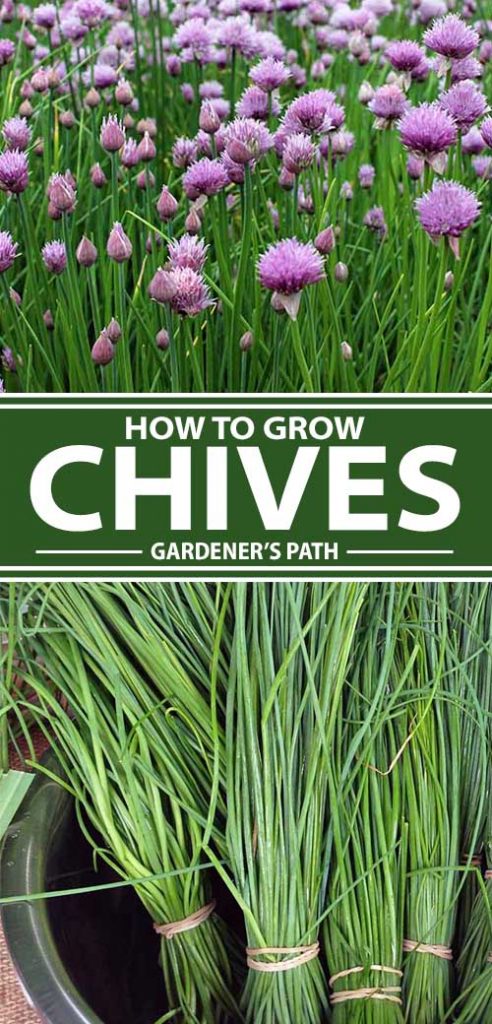
When most people think of chives, they are thinking of Common Chives, or Allium schoenoprasum. This is the variety you'll most often find bundled in grocery stores, recognized by its slender, hollow, grasslike leaves. From my experience, this variety is an absolute musthave for any garden. It's incredibly coldhardy, thriving in USDA zones 39, and its ability to withstand frigid winters and bounce back vigorously each spring is remarkable. The flavor is a quintessential mild onion, perfect for sprinkling over eggs, adding to cream cheese spreads, or finishing a bowl of soup. The plant produces beautiful, edible, globeshaped purple or pink flowers in late spring or early summer, which are not only visually stunning but also attract a host of beneficial pollinators to the garden. I do recommend deadheading these flowers after they bloom to prevent the plant from selfseeding and to encourage more leaf production. Leaving a few to go to seed, however, can be an easy way to expand your patch over time, as long as you are prepared for a little volunteer gardening.
Cultivars of Common Chives: Subtle Nuances for the Connoisseur
While the species itself is fantastic, there are several cultivars of Common Chives that offer unique characteristics. These are for the gardener who wants to explore beyond the basic. For example, 'Forescate' is a cultivar prized for its larger, more vibrant pink flowers and more robust foliage, which can reach up to 20 inches in height. 'Staro' is another excellent choice, known for its thick, upright foliage and beautiful purple flowers. I recommend these cultivars for gardeners looking for a more ornamental plant that still delivers on culinary quality. Then there is 'Profusion', a sterile variety that flowers over a longer period, which is great if you want the aesthetic of the blooms without the worry of selfseeding. My experience has been that these specialized varieties, while sometimes harder to find, are well worth the effort for their unique attributes.
Garlic Chives (Allium tuberosum): A Culinary Powerhouse
Next on the list of essential chive varieties is Garlic Chives, also known as Chinese Chives or Allium tuberosum. These are a gamechanger for anyone who loves the flavor of garlic but desires a milder, more versatile alternative. Unlike the hollow, tubular leaves of Common Chives, Garlic Chives have flat, straplike foliage that is wider and more sturdy. The flavor is distinctly garlicky with a hint of onion, and it holds up better to cooking than its oniony cousin. I do use Garlic Chives extensively in stirfries, noodle dishes, and dumplings, where their flavor can really shine. They are an indispensable ingredient in many Asian cuisines and, in my opinion, are vastly underutilized in Western cooking. I recommend planting them in a dedicated bed, as they can be quite vigorous selfseeders if the flowers are not removed. The flowers themselves are a beautiful starshaped white and appear in late summer, attracting a different array of pollinators.
Siberian Chives (Allium nutans): The ColdHardy Champion

For gardeners in colder climates (USDA zones 310), Siberian Chives (Allium nutans) are a remarkable discovery. From my experience, they are even more coldtolerant than Common Chives. Their leaves are flat, much like Garlic Chives, but they have a delightful, mild onion flavor. The foliage has a unique bluishgreen tint, making them a beautiful ornamental addition to a flower bed. The flowers are also a different character, appearing as loose clusters of rosyviolet florets rather than the tight pompoms of other chives. Their larger size and robust nature make them perfect for use in salads and as a garnish for grilled meats. I do find that their flavor is a bit richer than Common Chives, which is a great bonus. I recommend them to anyone gardening in a harsh climate who wants a reliable, flavorful perennial herb.
Giant Siberian Chives (Allium ledebourianum): Bigger and Bolder
A variation on the Siberian theme, Giant Siberian Chives (Allium ledebourianum) live up to their name. These plants are notably taller, with leaves that can reach up to two feet in height, and they produce large, roseviolet blooms. They are a fantastic option for a border plant or as a striking vertical element in a container garden. The flavor is a richer, more pronounced version of Siberian Chives, making them a wonderful substitute for scallions in many dishes. From my experience, their size makes them easy to harvest and chop in bulk for larger recipes. I recommend them for gardeners who need a significant, consistent supply of chives for a busy kitchen.
Optimal Growing Conditions: The Blueprint for Success
No matter which variety you choose, providing the right growing conditions is paramount. I do not believe in leaving success to chance. From my experience, a little preparation goes a very long way in ensuring your chives thrive and produce a continuous, highquality harvest. We'll cover everything from soil composition and sun exposure to watering and feeding, providing a comprehensive blueprint for robust chive growth. By following these detailed steps, you can create the perfect environment for your chives to flourish.
Sunlight and Soil: The Foundation of Vigor
Chives are sunlovers. For the most vigorous growth and best flavor, they require full sun, which translates to at least 68 hours of direct sunlight per day. While they can tolerate partial shade, particularly in hot climates, this will often result in a less dense, less flavorful plant. The ideal soil for chives is fertile, welldrained, and rich in organic matter. They prefer a slightly acidic to neutral pH, typically between 6.0 and 7.0. Before planting, I recommend amending the soil with a generous amount of wellcomposted organic matter. This not only provides essential nutrients but also improves soil structure, ensuring excellent drainage while retaining enough moisture. We have found that a soil test every few years is a valuable tool to understand and address any nutrient deficiencies, allowing for a more targeted approach to fertilization.
Planting and Propagation: Starting Your Chive Journey
Chives can be started from seed, purchased as transplants, or propagated by division. Each method has its own merits. Starting from seed is a costeffective way to get a large number of plants, but it requires patience. I do find that chive seeds can be slow to germinate, taking anywhere from 10 to 14 days. We recommend starting seeds indoors 68 weeks before the last frost date in colder climates to get a head start. For a faster route to harvest, using transplants from a reputable nursery is a great option. They are already established and can be harvested in their first year. However, the most effective method for established chive clumps is division. Every 34 years, the clumps can become overcrowded and the center may die out. We recommend digging up the entire clump in early spring, separating it into smaller sections with at least 510 bulbs each, and replanting them. This process revitalizes the plant, leading to renewed, vigorous growth. It is also an excellent way to expand your chive patch or share with friends.
Care and Maintenance: Sustaining Your Chive Harvest
Once established, chives are incredibly lowmaintenance. However, a few simple care practices can dramatically improve their yield and quality. We have found that consistent care is the key to a continuous harvest of tender, flavorful leaves. This isn't just about survival; it's about helping the plant thrive and provide you with the best possible product. From my experience, overlooking these simple steps is the primary reason for a lackluster chive harvest.
Watering and Fertilization: The Right Balance
While chives are droughttolerant once established, they perform best with consistent moisture. We recommend watering regularly, especially during dry spells, to keep the soil evenly moist but not waterlogged. Overwatering can lead to root rot, so we always ensure the soil has good drainage. A thick layer of organic mulch, such as wood chips or straw, can be incredibly helpful in conserving soil moisture, suppressing weeds, and providing a slowrelease source of nutrients. From my experience, chives have low nutrient requirements, especially in soil rich with organic matter. However, a light feeding with a balanced, slowrelease fertilizer or a sidedressing of compost in late spring or early summer can give them a boost and encourage lush, healthy growth. We have also had great success with a weekly feeding of a watersoluble plant food for containergrown chives, as they tend to use up nutrients more quickly.
Harvesting and Pruning: The Art of the Cut

The beauty of chives is their "cut and come again" nature. You can begin harvesting as soon as the leaves are large enough to use, typically about 30 days after transplanting or 60 days after seeding. We recommend harvesting by snipping the leaves with clean scissors or a sharp knife at the base of the plant, about 12 inches from the soil line. Do not simply pull or tear the leaves, as this can damage the plant. By cutting the outer leaves first, you allow the inner, younger leaves to continue to grow. We have found that regular harvesting actually encourages the plant to produce more foliage. For a full rejuvenation, you can cut the entire clump down to about 2 inches from the base. This is a great practice after the plant has flowered or if the foliage starts to look tired. It will stimulate a new flush of fresh, tender leaves within a few weeks. The edible flowers can also be harvested and used as a garnish or in salads, but we recommend harvesting them just after they open for the best flavor and texture.
Pest and Disease Management: A Resilient Herb
One of the many reasons I do advocate for growing chives is their natural resistance to most pests and diseases. From my experience, they are a remarkably lowproblem plant. However, no plant is completely immune, and we have encountered a few potential issues. We'll outline these and offer our best recommendations for prevention and treatment. A proactive approach is always the best defense.
Common Challenges and Natural Solutions
The most common issue we've seen with chives is fungal diseases, particularly in hot, humid climates with poor air circulation. Overcrowding can exacerbate this. Our recommendation is to ensure plants are spaced properly and that you divide clumps every few years to prevent overcrowding. We have found that good air flow is the best preventative measure. In rare cases, aphids or thrips may appear. However, chives are often used as a companion plant precisely because their strong scent can repel many pests. I recommend companion planting chives near susceptible crops like carrots, tomatoes, and roses, where they can act as a natural deterrent to pests like aphids and Japanese beetles. This is a practice we have employed for years with great success, and it's a testament to the plant's inherent resilience. The plant's vigor is its best defense, and by following the cultivation tips we've outlined, you are already building a strong, healthy plant that is more resistant to problems.
The Culinary Applications: A World of Flavor Awaits
With a successful chive harvest, the possibilities in the kitchen are endless. From my experience, chives are more than just a garnish; they are an essential flavor component that can elevate a simple dish to something truly special. We'll explore the best ways to use both common and garlic chives, offering a few ideas to get you started on your culinary journey. I do not believe in a onesizefitsall approach to cooking, and the different varieties of chives offer a wide palette of flavors to play with.
Common Chives: The Garnish of Excellence
The mild, fresh onion flavor of Common Chives makes them ideal for dishes where you want a subtle, clean taste. I recommend using them raw, as their delicate flavor can be lost with excessive cooking. They are a classic pairing for sour cream, yogurt, or butter, making them a staple for topping baked potatoes, deviled eggs, or blinis. We also use them extensively in salads, dressings, and dips. Their beautiful color and delicate texture make them the perfect finishing touch. My personal favorite application is a simple omelet with fresh chives and a little goat cheese—the combination is heavenly. The flowers, with their faint onion flavor, are perfect for decorating salads or creating a beautiful chive flower vinegar.
Garlic Chives: The StirFry Secret Weapon
The sturdier, more robust flavor of Garlic Chives means they can be used in a wider range of cooked applications. I do find that they are the secret ingredient in many of my stirfry recipes. They hold up to heat much better than Common Chives, and their distinct garlic flavor complements other ingredients beautifully. We use them in fillings for dumplings and spring rolls, where they provide a savory depth. They are also a fantastic addition to savory pancakes, egg dishes, and noodle bowls. I recommend lightly sautéing them with other vegetables or adding them at the end of the cooking process to preserve their vibrant flavor and color. My experience has been that Garlic Chives are a powerful, yet gentle, flavor booster that can transform a dish.
Preservation and Storage: Extending the Harvest
With a plentiful harvest, you will inevitably have more chives than you can use fresh. I do believe that proper preservation is key to enjoying your chives yearround. We have perfected a few simple methods that are far superior to simply leaving them in a bag in the fridge. By taking a few extra minutes, you can lock in their fresh flavor for months to come. We'll cover our two favorite methods: freezing and drying.
Freezing Chives: The Best Way to Preserve Freshness
Freezing is, from my experience, the absolute best way to preserve the fresh flavor and texture of chives. We recommend chopping the chives finely and then freezing them in a single layer on a baking sheet. Once frozen, you can transfer them to an airtight container or a freezer bag. This prevents them from clumping together, allowing you to easily grab a small amount whenever you need it. Another great technique is to freeze the chopped chives in ice cube trays with a little water or olive oil. Once frozen, pop out the cubes and store them in a freezer bag. You can then simply drop a cube into a soup, sauce, or stew for an instant boost of fresh chive flavor. I do find that this method is particularly useful for adding chives to cooked dishes. The taste and aroma are far superior to any dried alternative.
Drying Chives: A Lasting Alternative
While freezing is our preferred method, drying is also a viable option. We recommend drying chives in a dehydrator or a lowtemperature oven. The key is to keep the heat low and to dry them quickly to retain as much of their color and flavor as possible. Once dry, they should be stored in an airtight container away from light and heat. While dried chives lose some of their flavor and texture compared to fresh or frozen, they can still be useful in rubs, seasonings, and spice blends. My experience has been that they work best in dishes where they will be rehydrated by moisture, such as in soups or casseroles. I do not recommend them for garnishes where their delicate texture is the main point of appeal.
Conclusion: The Chive is a Culinary and Garden Gem
In conclusion, the chive, in all its wonderful varieties, is an essential plant for any gardener and cook. We have shown that by understanding the specific characteristics of Common, Garlic, Siberian, and Giant Siberian chives, you can select the perfect one for your needs. We've provided a detailed guide on the optimal growing conditions, from soil and sun to watering and fertilization, and have shown you the art of harvesting and preserving your bounty. From my experience, cultivating chives is a rewarding endeavor that yields a continuous supply of fresh, flavorful greens. We recommend that you don't just grow any chive; grow the best chives for your garden. The effort is minimal, and the reward is immeasurable. The subtle onion or garlic notes they bring to the table can transform everyday meals into something truly extraordinary. My final advice is to start with a variety that excites you and to embrace the process. The results will speak for themselves, and you'll find yourself wondering how you ever cooked without them.


Comments
Post a Comment