Best environment for basil
From my experience as a seasoned gardener and copywriter, there are few things more rewarding than plucking a fresh leaf of basil from your own plant. The aroma, the flavor—it's unparalleled. But achieving that vibrant, healthy growth requires a deep understanding of what this beautiful herb truly needs. I do, in fact, believe that the best environment for basil is a finelytuned ecosystem, not just a pot of dirt on a windowsill. It's a symphony of light, soil, water, and care that, when executed correctly, yields a harvest of unparalleled quality.
I recommend that anyone serious about growing basil, whether for a home kitchen or a smallscale culinary venture, must first grasp the foundational principles that govern its growth. This isn't just about survival; it's about helping your plant thrive, producing those large, succulent leaves that are the hallmark of a wellcaredfor basil plant. It’s a journey from a tiny seed to a fragrant, verdant bush, and every step along the way is crucial.
The Crucial Role of Sunlight: A Basil Plant's Lifeblood

A fundamental factor in creating the best environment for basil is light. Basil is, without a doubt, a sunloving plant. It demands a minimum of six to eight hours of direct sunlight each day to flourish. Anything less, and you'll see the telltale signs of a struggling plant: leggy stems, smaller leaves, and a less intense flavor profile. I do advise placing your basil in a southfacing window if you're growing it indoors, or a sunny spot in your garden that receives ample, uninterrupted light. The intensity of the light is just as important as the duration; a weak, diffused light simply won't cut it. For those with lessthanideal natural light, I do recommend supplementing with a grow light. Fullspectrum LED lights are my personal choice, as they provide the necessary wavelengths for robust growth without excessive heat.
I know many people think a simple sunny spot is enough, but from my experience, the direction and duration of the light are critical. A plant that gets morning sun followed by afternoon shade will perform differently than one that gets intense afternoon sun. The latter can sometimes lead to scorched leaves, especially in very hot climates. Therefore, understanding your specific microclimate is a key part of providing the best environment for basil. You might need to experiment with different locations in your garden or home to find the sweet spot.
Choosing the Right Soil: The Foundation of Growth
The soil is more than just a medium; it's the anchor and a source of nutrients for your basil. The best environment for basil begins with soil that is welldraining, rich in organic matter, and has a neutral pH (around 6.0 to 7.0). Basil hates "wet feet," meaning it will quickly succumb to root rot if left in waterlogged soil. I do recommend using a highquality potting mix specifically designed for herbs or vegetables. For inground planting, I recommend amending your soil with compost. This not only improves drainage but also provides a steady supply of essential nutrients. I do not recommend using heavy clay soils, as they retain too much water, nor do I recommend pure sand, which drains too quickly and leaches out nutrients.
From my experience, a good soil mix should feel light and airy. When you squeeze a handful, it should crumble easily and not form a solid clump. I do find that adding perlite or vermiculite to a standard potting mix further enhances its drainage capabilities. This is a small step, but it makes a world of difference in preventing the most common cause of basil failure: root rot. I do also suggest avoiding soils that contain a high concentration of chemical fertilizers. Basil, while a hungry plant, prefers a more gentle, organic feeding schedule, which we will discuss later.

The Art of Watering: Finding the Perfect Balance
Watering is a delicate dance, and getting it right is a major component of creating the best environment for basil. Basil prefers consistently moist soil, but not soggy. I do, in fact, believe that a basil plant's health can be directly read from its leaves. A droopy plant is a thirsty one, but a yellowing plant with brown spots often indicates overwatering. I recommend watering your basil deeply but infrequently. Let the top inch of soil dry out before you water again. When you do water, water at the base of the plant to avoid wetting the leaves. Wet leaves, especially in humid conditions, can lead to fungal diseases like powdery mildew.
I do recommend using a finger test to check the moisture level of the soil. Simply insert your finger about an inch into the soil. If it feels dry, it's time to water. If it's still damp, wait. This simple, tactile approach is far more reliable than a strict watering schedule. I also recommend using pots with excellent drainage holes. This allows excess water to escape, preventing the root system from sitting in stagnant water. From my experience, the time of day you water also matters. I do suggest watering in the morning, which gives the plant ample time to absorb the water and for any splashed leaves to dry before nightfall.
Nutrient Needs: Feeding Your Basil for Vigorous Growth
While good soil provides a solid foundation, basil is a hungry plant and will benefit from a regular feeding schedule. The best environment for basil includes a consistent supply of nitrogen, which is essential for lush, leafy growth. I do recommend using a balanced, liquid fertilizer, diluted to half strength, every two to four weeks. Organic options like fish emulsion or compost tea are excellent choices. I do, however, caution against overfertilizing. Too much fertilizer can burn the roots and lead to a buildup of salts in the soil, which can harm the plant. I do recommend a "less is more" approach when it comes to feeding. A gentle, regular feeding is far better than a single heavy dose.
From my experience, a healthy basil plant will tell you if it's getting enough nutrients. Pale, yellowing leaves can be a sign of a nitrogen deficiency, while purplish stems can indicate a phosphorus deficiency. A wellfed basil plant will have deep green, glossy leaves and strong, thick stems. I do recommend that you pay close attention to your plant's appearance. It’s a constant dialogue between you and the plant, and understanding its visual cues is a critical skill for any serious gardener.
Pest and Disease Management: Protecting Your Investment
Even in the best environment for basil, pests and diseases can still be a problem. Common culprits include aphids, spider mites, and Japanese beetles. I do recommend regular inspections of your plants, paying close attention to the undersides of the leaves and the new growth. If you spot a problem, I do recommend a gentle, nontoxic solution first. A strong spray of water can dislodge many pests, and an insecticidal soap can effectively manage more stubborn infestations. I do, however, stress the importance of using a product specifically labeled for use on edible plants.
Fungal diseases like powdery mildew and downy mildew are also a concern, especially in highhumidity environments. The best defense is prevention. I do recommend ensuring good air circulation around your plants. This is a crucial element of the best environment for basil. Avoid overcrowding your plants and consider using a small fan if you are growing indoors. If you do spot a fungal issue, I recommend a baking soda solution (one tablespoon of baking soda in a gallon of water with a drop of dish soap) as a first line of defense. It's a simple, effective, and nontoxic remedy. From my experience, a healthy, wellcaredfor plant is naturally more resistant to pests and diseases, so focusing on the fundamentals is the best longterm strategy.
The Art of Harvesting and Pruning: Encouraging Bushy Growth
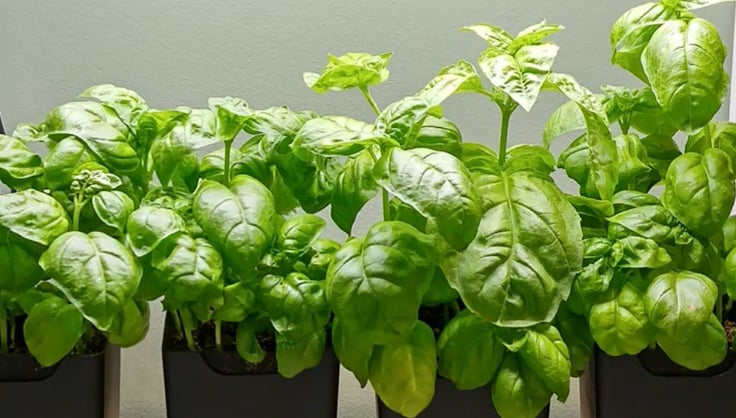
A common mistake I see among new basil growers is being too hesitant to harvest. It seems counterintuitive, but regular harvesting is essential for creating the best environment for basil and encouraging a bushy, productive plant. When you harvest, I do recommend pinching or cutting the stem just above a pair of leaf nodes. This forces the plant to branch out, creating two new stems instead of one tall, leggy one. This practice, known as pinching, is the secret to a full, dense basil plant that continues to produce leaves all season long.
I do recommend harvesting your basil regularly, even if you don't plan to use all of it immediately. Excess leaves can be preserved by freezing them in olive oil or making a large batch of pesto. By harvesting, you are not only getting to enjoy your fresh basil but also ensuring your plant remains in its vegetative growth stage, preventing it from flowering. Once a basil plant flowers, it puts all its energy into seed production, and the leaves can become bitter and less flavorful. If you do see a flower stalk forming, I recommend pinching it off immediately to redirect the plant's energy back into leaf production. From my experience, a wellpruned basil plant is a happy and prolific one.
Propagating Basil: Creating New Plants from Cuttings
One of the most satisfying aspects of growing basil is how easy it is to propagate. It’s a simple way to expand your basil patch or share your success with friends. I do, in fact, believe that propagating basil is an essential skill for any serious basil enthusiast. To do it, I do recommend taking a cutting from a healthy stem, about 4 to 6 inches long. Remove the lower leaves, leaving a few at the top. Place the cutting in a glass of water, making sure a few leaf nodes are submerged. Within a week or two, you will see roots begin to form. Once the roots are a couple of inches long, I do recommend planting the new basil plant in a small pot with a welldraining potting mix. This process is a great way to ensure you always have fresh basil on hand and is a testament to the plant’s resilience and adaptability. From my experience, this is a surefire method for creating new, healthy plants that will thrive in the same best environment for basil that their parent plant enjoyed.
Conclusion: The Holistic Approach to Basil Cultivation
Creating the best environment for basil is not about following a rigid set of rules but about understanding the plant's needs and responding to them. It's a holistic approach that considers every aspect of its life, from the soil it's planted in to the light it receives and the care it gets from you. I do, in fact, believe that anyone can grow a magnificent basil plant, but it requires attention to detail and a willingness to learn from the plant itself. I recommend you start with a single plant and observe its growth, its response to watering, and its need for light. This handson experience is the most valuable lesson of all.
From my experience, the journey of growing basil is a microcosm of gardening itself: a blend of science, art, and intuition. The reward is a plant that not only provides a delicious ingredient for your kitchen but also fills your space with a delightful fragrance and a vibrant, green beauty. I do, in fact, believe that a flourishing basil plant is a testament to a gardener's dedication and a source of immense satisfaction. It's an herb that gives back in abundance, and by providing it with the perfect environment, you ensure a relationship that is as rewarding as it is delicious.


Comments
Post a Comment