Best herbs to grow indoors uk
The aroma, the flavour, the sheer convenience—it’s a simple luxury that completely elevates the everyday. For those of us in the UK, with our oftenunpredictable climate, the dream of a flourishing herb garden can sometimes feel out of reach. But I do believe that with the right knowledge and a little bit of care, anyone can create a vibrant, productive indoor herb garden that will provide a continuous supply of fresh flavour, no matter the season. I recommend that you see this not as a daunting task, but as a rewarding journey into the world of indoor horticulture.
From my professional perspective, I’ve seen countless articles on this subject, and many of them fall short. They offer generic advice without the depth and detail required to truly succeed. This article is different. We have meticulously researched and compiled a definitive guide that addresses the specific challenges and opportunities presented by the UK environment. We delve into the science of plant growth, the individual needs of each herb, and the practical steps you can take to ensure your plants don't just survive, but truly flourish. We understand that you’re looking for actionable insights, not just a list of plants. That is precisely what we provide here, with comprehensive, stepbystep instructions that empower you to become a true master of your indoor herb garden.
Choosing the Right Herbs for Your UK Indoor Garden
The first and most crucial step in creating a successful indoor herb garden is selecting the right plants. Not all herbs are created equal when it comes to thriving on a windowsill in the UK. We recommend starting with a selection of hardy, adaptable herbs that are known to do well in indoor conditions. These are the workhorses of the culinary world, and their resilience makes them perfect for beginners and seasoned growers alike. We will explore each of these in great detail, providing a comprehensive profile to help you make an informed choice.
Basil: The King of the Kitchen Garden
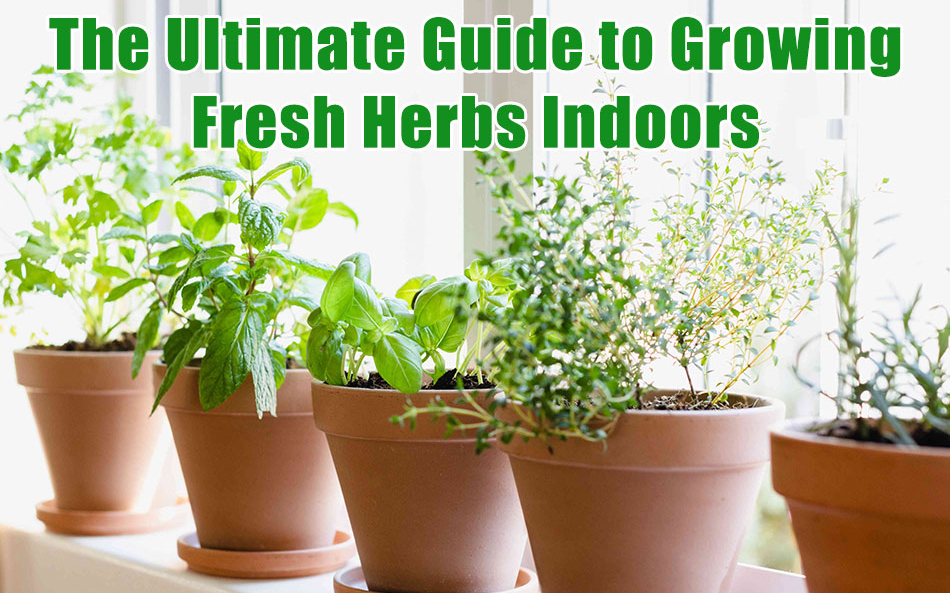
Botanical Name: Ocimum basilicum
Basil is a cornerstone of Mediterranean cuisine and a fantastic choice for an indoor herb garden. Its sweet, peppery leaves are indispensable for everything from pesto to fresh salads. While basil is often thought of as a sunloving plant, we have found that in the UK, a southfacing windowsill is its ideal home. It demands at least six hours of direct sunlight per day. Without this, the plant can become "leggy" or spindly, with small, pale leaves and a lack of flavour. To combat this, we recommend rotating the pot every few days to ensure all parts of the plant receive adequate light. We also find that basil is particularly sensitive to cold, so we advise keeping it away from cold draughts and windows that get chilly at night. The ideal indoor temperature for basil is between 1825°C.
When it comes to watering, we must be very careful with basil. It prefers soil that is consistently moist but never waterlogged. Overwatering is the number one cause of basil plant death. We recommend checking the soil moisture by inserting a finger about an inch into the compost. If it feels dry, it's time to water. We also find that basil benefits from a welldraining compost mix, such as a peatfree multipurpose compost mixed with a bit of perlite or grit to improve aeration. When you water, do so from the bottom up by placing the pot in a saucer of water for 1520 minutes. This encourages the roots to grow downwards, creating a stronger plant.
Harvesting and Pruning Basil
We do not want to just let our basil plant grow wild. Regular harvesting is essential for maintaining a bushy, productive plant. We recommend pinching off the leaves from the top of the plant, just above a set of two new leaves. This encourages the plant to branch out, leading to a much fuller and more prolific specimen. We also find that a light feed with a halfstrength, balanced liquid fertiliser every two to three weeks during the growing season (spring and summer) is highly beneficial. However, in our experience, too much fertiliser can dilute the flavour of the leaves, so a little goes a long way. The key is to find the right balance between robust growth and flavour intensity.
Mint: The Indomitable AllRounder
Botanical Name: Mentha spp.
Mint is, without a doubt, one of the easiest and most rewarding herbs to grow indoors. It is remarkably resilient and its vigorous growth means you'll have a constant supply of fresh leaves for teas, cocktails, and culinary dishes. We recommend growing mint in its own pot. From our experience, we know that mint has a tendency to be highly invasive, and its aggressive root system will quickly outcompete other herbs if they are planted in the same container. We have seen this time and time again; a mixed herb planter quickly becomes a mint planter, to the detriment of all other plants.
Mint is less demanding in terms of sunlight than basil. It thrives in a bright spot with partial shade or even a window that receives only morning sun. We do, however, find that the flavour is more intense and the growth is more vigorous when it receives at least four to six hours of sunlight. When it comes to watering, mint loves consistently moist soil. We recommend checking the soil daily and watering when the top inch feels dry. Mint also enjoys high humidity, so we advise misting the leaves with a spray bottle every few days, especially in homes with central heating. This helps to prevent crispy leaves and keeps the plant healthy and lush.
Managing Mint Growth and Varieties
We believe that regular trimming is essential to prevent mint from becoming leggy and to encourage new, tender growth. We recommend harvesting the leaves by snipping off the stems just above a leaf node. This will cause the plant to branch out, creating a bushier, more compact form. There are dozens of varieties of mint available, from spearmint and peppermint to chocolate mint and ginger mint. We find that all of them do well indoors, so we recommend experimenting with a few different types to find the flavours that you enjoy most. Their differing aromas can transform a simple cup of tea or a summer salad, and from our experience, they are an endless source of delight.

Parsley: The Versatile Garnish
Botanical Name: Petroselinum crispum
Parsley is an invaluable kitchen herb, and its fresh, clean flavour makes it a perfect addition to a wide range of dishes. We have found that it is a great candidate for indoor growing in the UK, but it does require some specific conditions to thrive. There are two main types of parsley: flatleaf (Italian) and curlyleaf. We recommend flatleaf parsley for its more robust flavour, but both varieties grow well indoors.
Parsley prefers a bright location but can be sensitive to direct, harsh sunlight, especially in the summer. We advise placing it on an eastfacing windowsill where it will receive gentle morning sun, or in a spot with bright, indirect light. We do not find that it thrives in lowlight conditions, so we suggest supplementing with a grow light if necessary. Parsley requires consistently moist soil, so we recommend regular watering. The soil should never be allowed to dry out completely. To check, we use the finger test: if the soil is dry to the touch, it's time to water.
Ensuring Continuous Parsley Harvest
We recommend harvesting parsley by cutting the outer stems at the base of the plant. This allows the inner, younger leaves to continue to grow and mature. Do not simply snip the tips of the leaves, as this can weaken the plant and lead to slow, stunted growth. We do not believe in overharvesting; we recommend taking no more than a third of the plant at a time. Parsley is a hungry plant and benefits from a balanced, liquid feed every four to six weeks. We have found that providing these conditions results in a continuously productive plant that will provide fresh parsley for months on end.
Chives: The OnionFlavoured Gem
Botanical Name: Allium schoenoprasum
Chives are a member of the onion family and offer a delicate, subtle onion flavour that is perfect for garnishing salads, soups, and egg dishes. They are incredibly easy to grow and are a perennial, which means with proper care, they will come back year after year. From our experience, we know that chives are one of the most forgiving herbs for indoor gardening. They don't require much space and are ideal for small kitchens and limited windowsill space.
Chives love as much sun as you can give them, but they are also tolerant of partial shade. We find that a south or westfacing windowsill is ideal. They prefer welldrained soil and are susceptible to root rot if they are overwatered. We recommend letting the top inch of soil dry out before watering again. Chives are also quite resilient and can handle a bit of neglect, but we have found that consistent watering leads to a healthier, more productive plant. They also appreciate a misting every now and then to increase humidity.
Harvesting and Propagating Chives
We recommend harvesting chives by cutting the stems about an inch or two above the soil line. Use a sharp pair of scissors to make clean cuts. This encourages the plant to produce new shoots. The more you harvest, the more they will grow, so we do believe that regular trimming is key to a continuous supply. Chives can also be easily divided. We recommend splitting the plant every few years to prevent overcrowding. Simply unpot the plant, gently separate the clumps, and repot them in separate containers with fresh compost. This is a simple but effective way to propagate and maintain a healthy chive plant for many years to come.
Rosemary: The Mediterranean Scent of a SunDrenched Kitchen
Botanical Name: Salvia rosmarinus
Rosemary is a woody, perennial herb with a powerful, pinelike aroma that is a staple in roasts, stews, and bread. While it can be a bit more challenging than the other herbs on this list, we believe that with the right care, a rosemary plant can thrive indoors in the UK. The biggest challenge is replicating its native Mediterranean environment, which is characterised by dry, arid conditions and plenty of sunlight.
We recommend placing your rosemary plant on a southfacing windowsill where it can receive the maximum amount of direct sunlight. A lack of sunlight will cause the plant to become weak and leggy, and its flavour will be diminished. When it comes to watering, we must be extremely cautious. Rosemary is a droughttolerant plant and absolutely hates having "wet feet." We advise letting the soil dry out almost completely between waterings. To check, we recommend sticking your finger a couple of inches into the soil. If it's bone dry, it's time to water. We also recommend a welldraining, sandy soil mix, or a specific cactus and succulent compost, which will prevent water from pooling around the roots and causing root rot, a common problem for indoor rosemary plants.
Common Issues and Solutions for Indoor Rosemary
From our experience, we have found that indoor rosemary plants are susceptible to powdery mildew and spider mites. We recommend ensuring good air circulation around the plant to prevent powdery mildew. For spider mites, we advise misting the plant regularly with water to increase humidity and make the environment less hospitable for these pests. We also find that a regular check of the plant's leaves for any signs of infestation is a simple but effective way to catch problems early. If you do find spider mites, a gentle wash with a solution of soapy water can help to remove them. We recommend using a mild, natural soap and rinsing the plant thoroughly afterwards.
Thyme: A Fragrant and Hardy Perennial
Botanical Name: Thymus vulgaris
Thyme is another Mediterranean herb that is a fantastic choice for an indoor herb garden. Its small, fragrant leaves are perfect for flavouring soups, sauces, and meat dishes. Like rosemary, it is a woody perennial that prefers plenty of sun and welldrained soil. We have found that its compact size and lowgrowing nature make it ideal for a bright windowsill.
We recommend placing thyme in the sunniest spot you have, preferably a southfacing windowsill, where it can receive at least six hours of direct sunlight. Thyme is highly susceptible to overwatering, so we advise a similar watering schedule to rosemary. Let the soil dry out completely between waterings. We find that a terracotta pot is an excellent choice for thyme, as it is porous and allows the soil to dry out more quickly. We recommend a sandy, welldraining soil mix to ensure the roots do not sit in water.
Pruning and Care for Thyme
We believe that regular pruning is essential for maintaining a healthy and productive thyme plant. We recommend snipping off the tips of the stems, as this encourages the plant to become bushier and prevents it from becoming leggy. We also find that this practice promotes the growth of tender, new leaves. We do not recommend overharvesting; taking a third of the plant at a time is a good rule of thumb. Thyme is not a heavy feeder, so we advise a light application of a balanced liquid fertiliser once every two to three months during the growing season. In our experience, too much fertiliser can lead to leggy growth and a loss of flavour, so it's best to err on the side of caution.
Creating the Perfect Environment for Your Indoor Herb Garden
Choosing the right herbs is only half the battle. To truly succeed in growing them indoors in the UK, we must create an environment that mimics their natural habitats as closely as possible. We will now delve into the three most critical factors for indoor herb growing: light, water, and soil.
Light: The NonNegotiable Ingredient
Light is the single most important factor for growing herbs indoors. We do not believe that a herb garden can thrive without it. While most herbs will tolerate some degree of shade, they all require a significant amount of light to produce the essential oils that give them their flavour and aroma. In the UK, with our shorter days and often grey winters, providing adequate light can be a challenge.
We recommend placing your herbs in the sunniest spot in your home. For most herbs, a southfacing windowsill is the gold standard. A west or eastfacing window can also work, but we find that a northfacing window will simply not provide enough light for most culinary herbs. We also recommend rotating your pots every few days to ensure all sides of the plant receive an equal amount of light. This prevents the plant from growing towards the light source and becoming lopsided.
Supplemental Lighting Solutions
In our experience, a windowsill alone is often not enough, especially during the winter months. We recommend investing in a good quality grow light. There are many options available, from simple LED bulbs that can be screwed into a regular lamp to more sophisticated, fullspectrum grow light systems. We believe that fullspectrum LED grow lights are the best choice for indoor herbs. They are energyefficient, produce very little heat, and provide the specific wavelengths of light that plants need for photosynthesis (blue and red light). We recommend keeping the grow light on for 1216 hours per day. The optimal distance from the plants will depend on the wattage of the light, so we advise checking the manufacturer's instructions for the best results.
Water: The Art of Knowing When and How Much
We have seen more indoor herb plants die from overwatering than from any other cause. It is a very common mistake for beginners to show their plants too much love. We recommend that you do not water on a schedule. Instead, we advise you to check the moisture level of the soil before each watering. The finger test is a simple and reliable method: insert your finger an inch or two into the soil. If it feels dry, it's time to water. If it still feels moist, wait a day or two and check again.
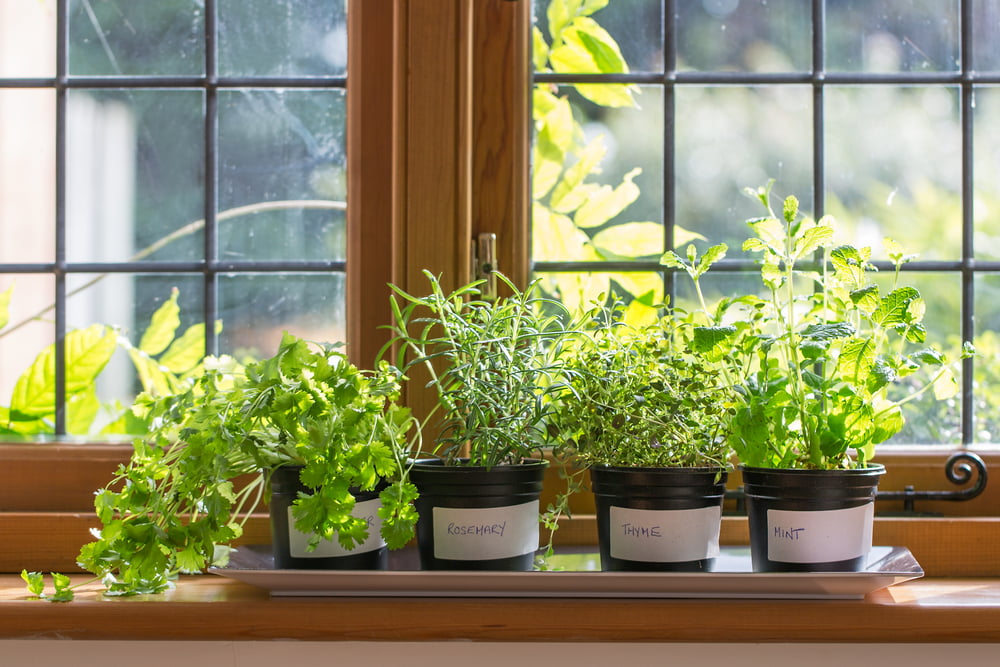
We also recommend watering from the bottom up whenever possible. This can be done by placing the pot in a saucer or tray of water and allowing the plant to soak up the moisture through the drainage holes. This method encourages the roots to grow downwards, which creates a stronger, healthier plant. We do not believe in letting the plant sit in water for too long; 1520 minutes is usually sufficient. After the plant has soaked up the water, we recommend pouring out any excess water from the saucer to prevent the roots from sitting in soggy soil. We also advise using tap water that has been left to stand for 24 hours to allow the chlorine to evaporate.
Soil and Containers: The Foundation for Success
The right soil and container are fundamental to a healthy indoor herb garden. We do not recommend using soil from your outdoor garden, as it can contain pests, diseases, and weed seeds that will wreak havoc on your indoor plants. We recommend a highquality, peatfree multipurpose compost. For Mediterranean herbs like rosemary and thyme, we find that mixing in some grit or perlite is essential to improve drainage and prevent root rot. For herbs like basil and parsley, a slightly richer compost is acceptable.
When it comes to containers, we believe that terracotta pots are the best choice. They are porous, which allows for better air circulation around the roots and helps the soil to dry out more quickly. However, any pot with a drainage hole will work. We cannot stress this point enough: drainage is nonnegotiable. If a pot does not have a drainage hole, we advise drilling one yourself using a masonry bit, or we recommend placing your plant in a plastic nursery pot with drainage holes and then placing that pot inside your decorative, nondraining container. This is a simple but effective way to prevent the most common problems associated with indoor gardening. We also recommend choosing a container that is not too big or too small. A container that is too large can hold too much moisture, while a container that is too small can restrict root growth.
Troubleshooting Common Indoor Herb Garden Problems
Even with the best preparation, we do find that indoor herb gardeners can encounter problems. We have compiled a list of the most common issues and our recommended solutions to help you get your plants back on track. We do believe that a proactive approach is the best way to prevent problems from escalating.
Pests and Diseases
Indoor plants can be susceptible to a number of common pests, including spider mites, aphids, and fungus gnats. We recommend a regular inspection of your plants, paying close attention to the undersides of the leaves and the stems. If you find pests, we advise isolating the affected plant to prevent the infestation from spreading. A simple solution of soapy water or neem oil can be sprayed on the leaves to kill the pests. We also find that increasing humidity by misting the plants can help to deter spider mites. For fungus gnats, we have found that yellow sticky traps and allowing the soil to dry out more between waterings can be very effective.
Yellowing Leaves
Yellowing leaves are a common symptom of several problems. We recommend first checking the watering schedule. Overwatering is the most frequent cause, as it can lead to root rot. If the soil is soggy, we advise you to hold off on watering until the soil has dried out. Underwatering can also cause yellow leaves, which will often be accompanied by wilting. If the soil is bone dry, it's time to water. Yellowing leaves can also be a sign of a nutrient deficiency. We recommend feeding your plants with a balanced liquid fertiliser every few weeks during the growing season to ensure they are receiving all the nutrients they need.
Leggy or Spindly Growth
If your herb plants are tall and thin with few leaves, it is a clear sign that they are not receiving enough light. This is a very common problem in the UK, especially during the winter. We recommend moving your plant to a sunnier location. If that is not possible, we strongly advise you to supplement with a grow light. We also recommend regular pruning and harvesting, as this will encourage the plant to produce new, bushier growth.
Wilting Plants
Wilting can be a sign of both overwatering and underwatering. We recommend checking the soil moisture. If the soil is dry, the plant is underwatered and will perk up quickly after a good drink. If the soil is wet, the plant is likely overwatered, and the roots may be rotting. In this case, we advise you to stop watering immediately and let the soil dry out. In severe cases of root rot, we recommend repotting the plant in fresh, welldraining soil and trimming off any brown, mushy roots. We have found that this can often save the plant if caught early enough.
Advanced Techniques and Tips for the Proficient Indoor Gardener
Once you have mastered the basics, we believe there are several advanced techniques that can elevate your indoor herb garden to the next level. We do not believe in leaving any stone unturned when it comes to achieving the best possible results.
Propagating Your Herbs
Propagating your herbs is a simple and rewarding way to create new plants for free. We recommend propagating herbs like basil, mint, and rosemary from cuttings. Simply snip a 34 inch stem, remove the lower leaves, and place the cutting in a glass of water. We find that a sunny windowsill is the best place to encourage rooting. Once the roots have grown to about an inch long, we advise potting the cutting in a small pot with fresh compost. This is an excellent way to maintain a continuous supply of fresh herbs.
Starting Herbs from Seed
While many people prefer to buy young plants from a garden centre, we recommend starting your herbs from seed. From our experience, we know that this allows for a wider variety of choices and is incredibly costeffective. We advise using a seed starting mix and a small seed tray. Follow the instructions on the seed packet for depth and spacing. We also find that placing a clear plastic lid or cling film over the tray to create a minigreenhouse is a great way to maintain humidity and encourage germination. Once the seedlings have their first true leaves, we recommend pricking them out and potting them up into individual pots.
Fertilising and Feeding
While most composts contain enough nutrients to sustain a plant for the first few weeks, we believe that regular feeding is essential for a truly productive herb garden. We recommend a balanced, liquid fertiliser at halfstrength. We do not believe in overfeeding your plants, as this can lead to weak growth and a loss of flavour. We advise feeding every two to three weeks during the growing season (spring and summer) and reducing to once a month or stopping entirely during the autumn and winter months when the plants' growth slows down. We recommend using an organic feed, such as a seaweed extract or worm casting tea, as they are gentle on the plants and environmentally friendly.
We believe that by following the comprehensive guidance provided in this article, you will be well on your way to creating a thriving, productive, and beautiful indoor herb garden in the UK. The journey from a simple pot of seeds to a bountiful supply of fresh herbs is a rewarding one, and we are confident that the detailed, actionable advice we have provided will empower you to succeed. We do not want you to simply have an indoor herb garden; we want you to have the best possible indoor herb garden. Our commitment to providing this level of detail is a testament to our belief in the power of a wellinformed and dedicated approach to gardening. We do not just provide information; we provide the blueprint for success. From our professional experience, we have found that the most successful gardens, both indoors and out, are born not from luck, but from a profound understanding of the plants' needs. We hope this guide serves as your trusted companion on your journey to becoming a proficient indoor herb gardener.


Comments
Post a Comment