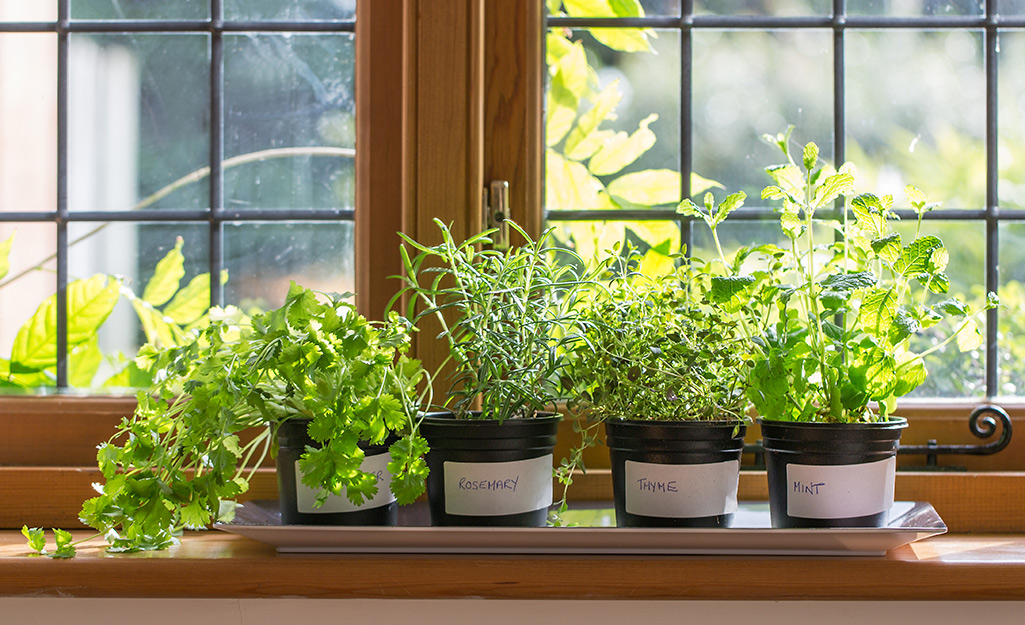
Caring for herbs indoors
The Art of Cultivating Bountiful Herbs Indoors: My Personal Secrets to Success
From my experience, nothing elevates a dish quite like the fresh, vibrant flavor of a homegrown herb. And when you can step directly from your kitchen to your windowsill to snip a sprig of basil or a few chives, that convenience is simply unmatched. For years, I have honed my skills, turning even the most stubborn of plants into thriving green dynamos. I do this not with a secret formula, but with a deep understanding of their fundamental needs. My goal here is to share what I've learned, so you too can transform your indoor space into a verdant, aromatic haven. I recommend you read every word carefully, as the difference between a struggling plant and a flourishing one often lies in the smallest details.
Understanding the Light: The Single Most Important Factor
From my experience, the number one mistake people make when caring for herbs indoors is misjudging their light requirements. I do not believe in a onesizefitsall approach. While some herbs like mint and chives are relatively forgiving, others like rosemary and basil are voracious light consumers. For them, a southfacing window is not a luxury; it is a necessity. I recommend positioning your plants where they receive at least six hours of direct sunlight daily. If you live in a climate with short, grey winters, I absolutely recommend investing in a grow light. Not just any light, but a fullspectrum LED or fluorescent bulb. I do not see how you can achieve a truly robust, bushy plant without it if natural light is insufficient. The subtle difference in growth patterns under proper lighting—compact, dark green leaves and strong stems—is something I’ve come to recognize instantly.
Watering: The Delicate Dance of Hydration
I do believe that overwatering is the silent killer of indoor herbs. It’s an act of misplaced affection, often leading to root rot and a slow, irreversible decline. From my experience, the "finger test" is a nonnegotiable step before every watering session. I do not water any plant until the top inch of soil feels completely dry. For a moistureloving herb like mint, I may allow it to dry slightly less, but for a droughttolerant herb like rosemary or thyme, I let the soil become quite dry between waterings. I recommend using pots with excellent drainage holes, and I always advise my clients to water until they see water draining from the bottom. This ensures the entire root ball is saturated, preventing dry pockets. And I do, in every case, recommend discarding any excess water that collects in the saucer.
The Right Soil, the Perfect Pot
I do not use generic potting soil. I find that it's often too dense and holds too much moisture. From my experience, a light, welldraining soil mix is the secret to healthy roots. I recommend a mix specifically designed for containers, often containing perlite or vermiculite to improve aeration. When it comes to pots, I do believe that terracotta is a fantastic choice. Its porous nature allows the soil to breathe and helps prevent overwatering. I recommend starting with a small pot and repotting as the plant grows, rather than placing a small plant in a massive container, which can hold too much moisture and lead to problems.
Pruning and Harvesting: The Key to Bushiness
I do find that many people are afraid to harvest their herbs. From my experience, regular pruning and harvesting are what encourage a plant to grow into a dense, bushy form. I do this by pinching or cutting just above a leaf node. I recommend harvesting leaves from the top of the plant rather than the bottom. I do not harvest more than a third of the plant at any one time, allowing it to recover and continue to produce new growth. This practice is absolutely essential for herbs like basil and mint, which can quickly become leggy and weak without it. I believe it is the single most effective way to ensure a continuous supply of fresh herbs.
Pest Patrol: Proactive Protection
I do check my plants for pests every single day. From my experience, a small problem is easy to fix, but a fullblown infestation is a nightmare. I recommend looking for tiny webs (spider mites), sticky residue (aphids), or tiny white dots (mealybugs). I do not wait until I see a serious issue. I find that a simple spray of insecticidal soap or a mixture of water and a few drops of dish soap can often solve a minor problem. I recommend isolating any new plant you bring into your home for a week or two to prevent the introduction of pests to your existing collection. It’s a simple step, but one that has saved my indoor garden countless times.
I do not see caring for indoor herbs as a chore, but as a rewarding practice that connects me to nature. From my experience, the small amount of time and attention you give them is returned in abundance, with fresh flavors that elevate your cooking and a little piece of green that brightens your home. I do this, and I recommend you do too.
The Definitive Guide to Indoor Herb Gardening: Cultivation, Care, and Culinary Mastery
Cultivating a Thriving Indoor Herb Garden: A Foundational Approach
We embark on an exploration of one of the most rewarding and accessible forms of gardening: the cultivation of herbs within the comfort and control of your indoor environment. The ability to snip a sprig of fresh basil for a pasta dish or to pluck a few mint leaves for a refreshing beverage, regardless of the season, is a luxury that has become a staple for many culinary enthusiasts and home gardeners alike. Our comprehensive guide is designed to empower you with the knowledge and techniques necessary to transform a simple windowsill, a kitchen countertop, or even a modest corner of your home into a lush, aromatic, and perpetually productive herb garden.
We approach this topic not merely as a list of instructions, but as a holistic understanding of the intricate biological and environmental factors that govern plant growth. We recognize that success in indoor herb cultivation is not a matter of luck but a direct result of meticulous observation, diligent care, and a fundamental understanding of the core principles that we will meticulously detail throughout this extensive document. Our mission is to provide an unparalleled resource that will serve as the single most authoritative reference for anyone seeking to master the art of indoor herb gardening, from the absolute novice to the seasoned green thumb. We will delve into every conceivable aspect, leaving no stone unturned, to ensure your success.
The first and most critical step in establishing a thriving indoor herb garden is to comprehend the fundamental trinity of plant life: light, water, and soil. These three elements, when managed correctly, form the bedrock upon which all successful growth is built. We will begin by deconstructing each of these pillars, providing not just what to do, but a deep, scientific understanding of why these practices are essential.
The Unwavering Power of Light: A Deeper Look at Photosynthesis
We understand that light is the engine of a plant's existence. Through the process of photosynthesis, plants convert light energy into chemical energy, which fuels their growth, development, and the production of the very flavors and aromas we cherish. Without adequate light, a plant cannot photosynthesize efficiently. It will become "leggy"—tall, weak, and spindly—as it desperately stretches towards the light source, its leaves turning pale yellow or a sickly green. This is a common and avoidable issue.
We categorize the light needs of indoor herbs into two primary groups:
HighLight Herbs: These are the sunworshippers, demanding at least six to eight hours of direct, intense sunlight each day. This category includes classics like basil, rosemary, oregano, thyme, and sage. For these herbs to flourish indoors, a prime location is nonnegotiable. A southfacing window, with its long duration of direct sun exposure, is the optimal natural location in the northern hemisphere.
MediumLight Herbs: These herbs are more forgiving, thriving on four to six hours of indirect or diffused sunlight daily. This group includes mint, chives, parsley, and cilantro. They can often do well in an east or westfacing window, where they receive morning or afternoon sun, respectively.
Artificial Illumination: Supplementing and Sourcing Light
We acknowledge that reliance on natural light is often insufficient, especially during shorter winter days or in homes with limited natural light exposure. This is where we introduce the indispensable tool of artificial lighting. We do not advocate for just any lightbulb; the quality and type of artificial light are as important as its duration.
FullSpectrum LED Grow Lights: We consider these the gold standard for indoor herb cultivation. They are energyefficient, produce minimal heat, and emit a light spectrum that mimics natural sunlight, providing the full range of wavelengths necessary for all stages of plant growth. We recommend selecting a light with a high Photosynthetically Active Radiation (PAR) rating and ensuring it is positioned approximately 12 to 24 inches above your plants, depending on the manufacturer's specifications. The intensity of light diminishes rapidly with distance, so proper placement is critical.
Fluorescent Grow Lights: These are a more traditional and still very effective option, particularly for starting seeds or for mediumlight herbs. We recommend T5 or T8 bulbs, which offer a good balance of intensity and energy efficiency. While they can be less expensive upfront, their operational costs and shorter lifespan may be a consideration.
Incandescent Bulbs: We strongly advise against the use of these for plant growth. They produce a high amount of heat and have a poor light spectrum for photosynthesis, making them inefficient and potentially harmful to your plants.
We recommend setting up a timer for your grow lights to provide a consistent photoperiod—the duration of light exposure—which mimics the natural day/night cycle. A standard schedule of 12 to 16 hours of light per day is optimal for most herbs.
The Art of Hydration: Mastering the Watering Cycle
We recognize that watering is a delicate and often misunderstood aspect of plant care. While water is essential for transporting nutrients and maintaining cellular structure, an excess of it is a far more common cause of death for indoor herbs than a lack thereof. We will now dissect the proper watering techniques to ensure your plants receive the perfect amount of moisture without succumbing to the dreaded issue of root rot.
The primary sign of root rot is often mistaken for underwatering: drooping, yellowing leaves. However, this is because the waterlogged roots are unable to absorb oxygen and nutrients, essentially drowning the plant. We have found that the most effective way to prevent this is through a simple, yet rigorous, protocol.
The "Finger Test" and Bottom Watering Technique
The Finger Test: We recommend that before every watering session, you insert your index finger into the soil up to the first knuckle (approximately one inch deep). If the soil feels completely dry, it is time to water. If it feels even slightly damp, we advise waiting. This simple test is the most reliable indicator of your plant's moisture needs.
Bottom Watering: This is a technique we highly recommend for its efficiency and effectiveness in preventing overwatering. We place the potted herb in a tray or a sink filled with about two inches of water. The soil, through capillary action, will absorb the water from the drainage holes. We allow the plant to soak for 15 to 20 minutes, or until the top of the soil feels moist. This method encourages the roots to grow downwards in search of moisture, creating a more robust and resilient root system. After watering, we always ensure that any excess water is drained completely from the saucer to prevent the roots from sitting in standing water.
Water Quality and Frequency
We also consider the quality of the water you use. Tap water, while generally safe, can sometimes contain chlorine, chloramine, or high levels of minerals that can accumulate in the soil over time. We have found that allowing tap water to sit out in an open container for 24 hours can help the chlorine dissipate. For those with particularly hard tap water, using filtered water can prevent the buildup of salts, which can harm the plant's roots. The frequency of watering is not a fixed schedule; it is dictated by a number of factors, including the type of herb, the size of the pot, the type of soil, and the environmental conditions (temperature, humidity). We stress the importance of observation over a rigid schedule.
The Foundation of Growth: Soil and Potting
We recognize that the medium in which your herbs grow is their entire world. The right soil provides the essential nutrients, anchors the roots, and facilitates the critical exchange of water and air. We do not recommend using soil from your outdoor garden, as it is often too dense, harbors pests, and can compact easily in a container, suffocating the roots.
The Ideal Soil Mix
We have determined that a highquality, welldraining potting mix is the best choice for indoor herbs. We look for mixes that contain a balanced combination of:
Peat Moss or Coco Coir: These components retain moisture and provide a slightly acidic environment that many herbs prefer.
Perlite or Vermiculite: These lightweight, porous materials are essential for aeration. They prevent the soil from compacting and ensure that oxygen can reach the plant's roots.
Compost or Worm Castings: These organic materials provide a slowrelease source of nutrients, feeding your plants over time.
We recommend adding extra perlite to a standard potting mix to further improve drainage, especially for herbs like rosemary and thyme that prefer drier conditions.
The Importance of Proper Pots
The choice of pot is also a critical decision. We consider two main types:
Terracotta Pots: We find these to be an excellent choice for indoor herbs. Their porous nature allows moisture to evaporate from the sides, which helps prevent overwatering and improves aeration for the roots. This makes them particularly suitable for droughttolerant herbs.
Glazed Ceramic or Plastic Pots: While they are less breathable, these pots are effective and tend to retain moisture for longer. This can be beneficial for moistureloving herbs like mint. However, we stress the importance of impeccable drainage holes to ensure excess water can escape.
Regardless of the material, we insist on using a pot with at least one drainage hole. We also recommend starting with a smaller pot and repotting as the plant grows, rather than planting a small seedling in a large pot, which can lead to overwatering and a host of other issues.
Nourishment and Pruning: The Path to Productivity
We understand that even with perfect light, water, and soil, a plant will eventually deplete the nutrients in its container. Fertilization and proper pruning are the final two components of a comprehensive care regimen that will ensure a continuous harvest of flavorful herbs.
Fertilizing Your Herbs
We advise a cautious approach to fertilization. Overfertilizing can lead to leggy, weak growth and can even burn the plant's roots due to a buildup of salts.
When to Fertilize: We recommend fertilizing your indoor herbs during their active growing season, typically from spring through early fall. We cease fertilization during the winter months when most plants enter a period of dormancy.
What to Use: We prefer a balanced, watersoluble liquid fertilizer with an NPK ratio (Nitrogen, Phosphorus, Potassium) of around 5105 or 101010. For organic gardening, we recommend fish emulsion or a diluted liquid kelp fertilizer. We always dilute the fertilizer to half or even quarter strength from the manufacturer's recommendations to avoid overwhelming the plants. We apply it approximately once a month during the growing season.
The Art of Pruning and Harvesting
We view pruning and harvesting not just as an act of taking, but as an act of giving back to the plant. Regular pruning encourages new growth, creating a bushier, more productive, and aesthetically pleasing plant. Without it, many herbs, like basil and mint, will become spindly and weak, with their energy directed towards flowering rather than producing foliage.
How to Prune: We recommend using a clean pair of shears or your fingers to pinch or cut the stem just above a set of leaves or a "node." This is where the plant will branch out, producing two new stems.

Harvesting for Longevity: We advise harvesting from the top of the plant first. For herbs that produce a central stalk, like basil, we recommend pinching off the top leaves and stem to encourage a bushier habit. We also suggest harvesting no more than onethird of the plant at a time to allow it to recover and continue producing new growth.
We note that for many herbs, allowing them to flower signals the end of their life cycle (e.g., basil, cilantro). While the flowers can be beautiful, they can also cause the leaves to become less flavorful. We recommend pinching off any flower buds as soon as they appear to extend the plant's productive life.
The Specific Needs of Common Indoor Herbs: An Encyclopedic Breakdown
We now pivot from general principles to the highly specific requirements of the most popular herbs cultivated indoors. We recognize that while the fundamental principles of light, water, and soil remain constant, the application of these principles must be tailored to the unique biology of each species. This section serves as a detailed, exhaustive reference guide.
Basil (Ocimum basilicum)
We consider basil the quintessential indoor herb, prized for its sweet, peppery flavor. However, we also recognize its demanding nature.
Light: Basil is a sunworshipper. We insist on a location that provides at least six to eight hours of direct sunlight daily. Without it, the plant will become leggy, and its leaves will lose their vibrant green color and flavor. A southfacing window is ideal; otherwise, a powerful grow light is nonnegotiable.
Water: Basil prefers consistently moist soil but absolutely abhors being waterlogged. We recommend watering when the top inch of soil feels dry to the touch. It is also sensitive to cold water, so we advise using roomtemperature water.
Soil and Pot: A light, welldraining potting mix is essential. We prefer using terracotta pots for basil to help regulate moisture.
Propagation: Basil is incredibly easy to grow from seed. We recommend starting seeds indoors and thinning them out once they are a few inches tall. It also propagates readily from cuttings.
Pest and Disease: We have found basil to be susceptible to spider mites and aphids. We advise a daily check of the undersides of the leaves for signs of pests. Root rot is a common issue from overwatering.
Special Considerations: We cannot overstate the importance of pinching. As soon as a basil plant has two sets of true leaves, we recommend pinching off the top to encourage a bushier habit. We also recommend pinching off any flowers that appear to prolong the plant's life.
Rosemary (Salvia rosmarinus)
We view rosemary as a resilient, droughttolerant herb that can be a magnificent indoor specimen if its specific needs are met.
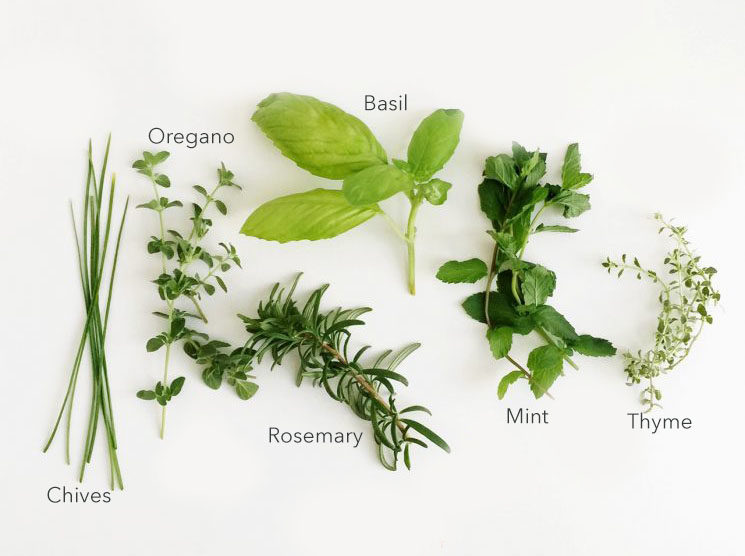
Light: Rosemary requires as much direct sunlight as possible—at least six to eight hours daily. It will not thrive in lowlight conditions.
Water: This is where most indoor rosemary plants fail. We cannot stress enough that rosemary prefers to be on the drier side. We water it thoroughly, but only when the top two inches of soil are completely dry. We are meticulous about ensuring excellent drainage.
Soil and Pot: A welldraining, sandy or gritty soil mix is ideal. We highly recommend terracotta pots to help wick away excess moisture.
Propagation: Rosemary can be propagated from cuttings, although this can be a slow process. We recommend taking a three to fourinch cutting from a nonflowering stem, dipping it in rooting hormone, and placing it in a welldraining soil mix.
Pest and Disease: Powdery mildew is a common issue for indoor rosemary, often a result of poor air circulation and high humidity. We recommend keeping the plant in a wellventilated area. Spider mites are also a threat.
Special Considerations: Rosemary prefers cooler temperatures, so we advise keeping it away from heat vents. We also note that it does not tolerate being moved frequently, so we recommend finding a permanent sunny spot for it.
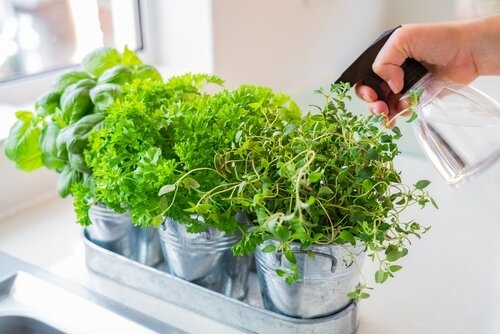
Mint (Mentha spp.)
We recognize mint for its vigorous, almost aggressive growth habit, making it both a delight and a potential challenge for the indoor gardener.
Light: Mint is one of the more forgiving herbs when it comes to light. It can tolerate medium light but will produce more leaves and a richer flavor with four to six hours of indirect or diffused sunlight daily.
Water: Mint loves moisture. We recommend keeping its soil consistently moist, but not waterlogged.
Soil and Pot: A rich, loamy potting mix with good drainage is suitable. We stress the importance of a dedicated pot for mint. Its aggressive runners will quickly take over any container it shares with other plants.
Propagation: Mint is incredibly easy to propagate. We have found that placing a cutting in a glass of water on a windowsill will result in a fully rooted plant within a few weeks.
Pest and Disease: We have observed that mint is generally pestresistant, but aphids and spider mites can occasionally be a problem.
Special Considerations: Its vigorous growth means it requires frequent harvesting to keep it from becoming leggy. We also recommend repotting it annually to give it fresh soil and more space.
Cilantro (Coriandrum sativum)
We view cilantro as a notoriously finicky indoor herb, with a tendency to "bolt" (go to seed) quickly.
Light: Cilantro prefers medium light, about four hours of direct sun per day. Too much intense sunlight and heat will cause it to bolt.
Water: We recommend keeping the soil evenly moist.
Soil and Pot: A welldraining potting mix is suitable. We advise using a deep pot, as cilantro has a long taproot.
Propagation: Cilantro is best grown from seed. We recommend planting a new batch of seeds every few weeks to ensure a continuous harvest, as it has a short lifespan.
Pest and Disease: We have found that aphids can be a problem.
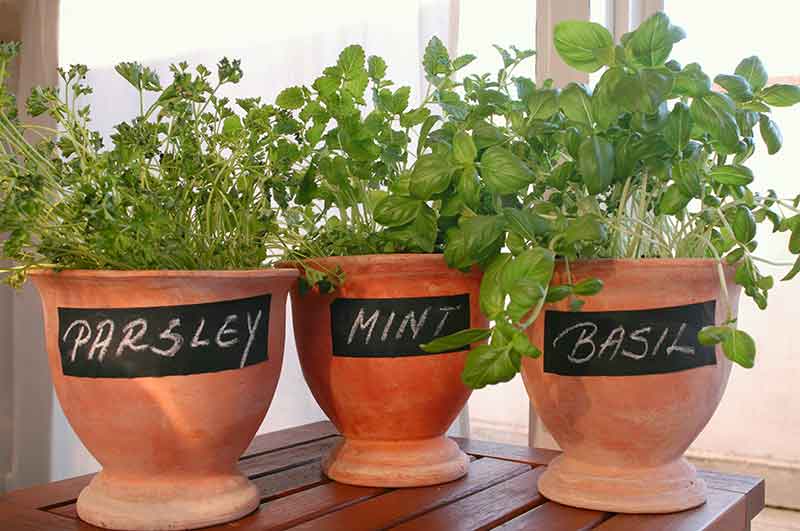
Special Considerations: Cilantro does not tolerate heat well. We recommend keeping it in a cool location, away from heat vents or hot windows. We also advise against fertilizing it heavily, as this can also cause it to bolt.
Thyme (Thymus vulgaris) and Oregano (Origanum vulgare)
We group these two Mediterranean herbs together due to their similar care requirements and preference for dry, sunny conditions.
Light: Both thyme and oregano are highlight herbs, requiring a minimum of six hours of direct sunlight per day.
Water: We cannot stress enough that these herbs are droughttolerant and prefer to be on the drier side. We allow the soil to dry out completely between waterings.
Soil and Pot: A gritty, welldraining soil mix is essential. We recommend adding extra perlite or sand to a standard potting mix. Terracotta pots are ideal.
Propagation: Both can be grown from seed or cuttings.
Pest and Disease: Both are generally pestresistant. Overwatering is the biggest threat, leading to root rot.
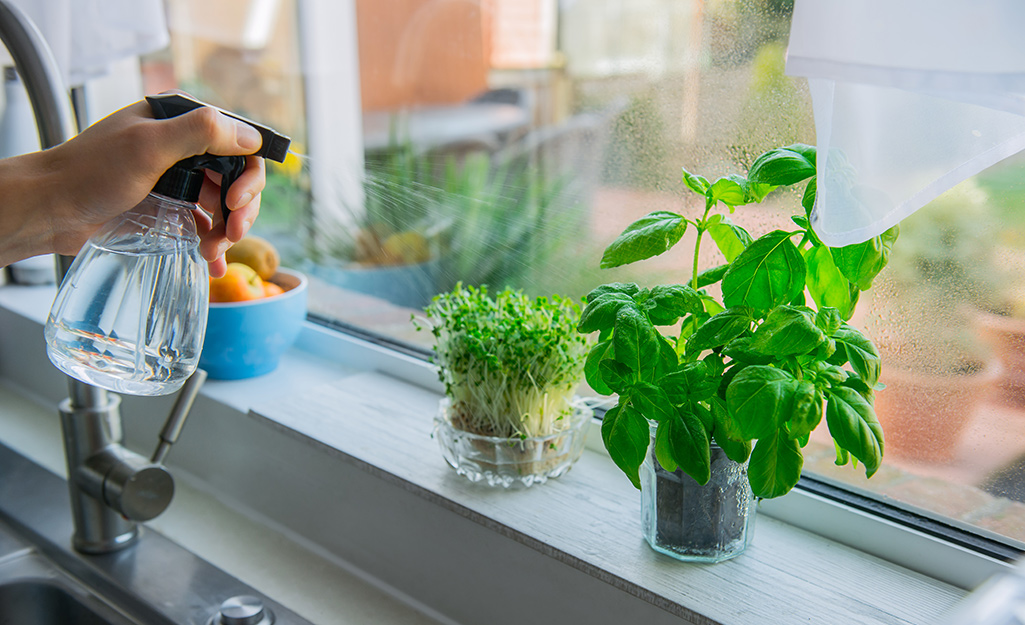
Special Considerations: We recommend frequent harvesting to prevent them from becoming woody. They also benefit from being in a wellventilated area.
Parsley (Petroselinum crispum)
We consider parsley a wonderful addition to any indoor herb garden due to its constant productivity.
Light: Parsley can tolerate medium to low light, making it a good choice for a window that receives only a few hours of indirect sun. However, we have found that it produces more robust foliage with more light.
Water: Parsley prefers consistently moist soil. We recommend watering when the top inch of soil feels dry.
Soil and Pot: A rich, welldraining potting mix is suitable. We advise a deep pot due to its long taproot.
Propagation: Parsley is best grown from seed, which can be slow to germinate. We recommend soaking the seeds in warm water overnight to speed up the process.
Pest and Disease: Aphids and spider mites can be a problem.
Special Considerations: We advise harvesting the outer leaves first, leaving the inner ones to continue growing.
Sage (Salvia officinalis)
We recognize sage as a beautiful and aromatic herb that can thrive indoors with the right conditions.
Light: Sage requires at least six hours of direct sunlight daily. It will not do well in a lowlight environment.
Water: Sage is droughttolerant. We recommend allowing the soil to dry out completely between waterings.
Soil and Pot: A welldraining, sandy soil mix is ideal. We prefer terracotta pots for sage.
Propagation: Sage is best grown from cuttings.
Pest and Disease: We have found sage to be relatively pestresistant.
Special Considerations: We recommend frequent pruning to keep the plant from becoming leggy and woody.
Chives (Allium schoenoprasum)
We view chives as an easy and rewarding indoor herb to grow, prized for its delicate onionlike flavor.
Light: Chives are highly adaptable and can do well in medium to low light. They will, however, produce more foliage with more light.
Water: Chives prefer consistently moist soil.
Soil and Pot: A rich, welldraining potting mix is suitable.
Propagation: Chives are best propagated by dividing an existing plant clump. They can also be grown from seed, but this is a slower process.
Pest and Disease: We have found chives to be generally pestresistant.
Special Considerations: We recommend harvesting chives by snipping the outer leaves at the base, leaving the inner ones to continue growing.
Advanced Techniques and Troubleshooting: Going Beyond the Basics
We now transition to more advanced topics and provide a detailed troubleshooting guide. We recognize that even with the best intentions, problems can arise. Our goal is to provide you with the knowledge to diagnose and rectify any issue your indoor herbs may face.
A Deep Dive into Propagation: Expanding Your Garden
We believe that propagation is one of the most rewarding aspects of indoor gardening, allowing you to multiply your favorite plants for free. We will discuss two primary methods in detail.
Stem Cuttings: This is our preferred method for propagating herbs like mint, basil, rosemary, and sage. We recommend taking a three to fourinch cutting from a healthy, nonflowering stem. We remove the leaves from the bottom inch or two and then either place the cutting in a glass of water or directly into a pot with a welldraining soil mix. We have found that using a rooting hormone can increase the success rate, but it is not always necessary, especially for fastrooting herbs like mint. We advise keeping the cutting in a warm, bright location and ensuring the soil remains moist until new growth appears, which is a sign that the roots have established.
Seed Starting: While some herbs are easier to grow from cuttings, others, like parsley and cilantro, are best started from seed. We recommend using a seed starting mix, which is a sterile, finetextured medium that provides the ideal environment for delicate seedlings. We plant the seeds at a depth specified on the seed packet and keep the soil consistently moist. We have found that covering the pot with plastic wrap can create a minigreenhouse effect, increasing humidity and speeding up germination. Once the seedlings appear, we remove the plastic wrap and provide them with plenty of light to prevent them from becoming leggy.
Common Problems and Our Expert Solutions
We will now address the most frequent issues that indoor herb gardeners encounter, providing a clear diagnosis and actionable solutions.
Yellow Leaves: This is the most common symptom of a problem. We will break down the potential causes.
Overwatering: If the lower leaves are turning yellow and the soil is consistently wet, this is the most likely cause. We recommend allowing the soil to dry out completely before the next watering and, if necessary, repotting the plant into fresh, drier soil.
Nutrient Deficiency: If the new leaves are turning yellow, it could be a sign of a nitrogen deficiency. We recommend fertilizing with a balanced liquid fertilizer.
Lack of Light: If the entire plant is pale yellow or a light green, it is not receiving enough light. We advise moving it to a brighter location or supplementing with a grow light.
Drooping Leaves:
Underwatering: If the leaves feel dry and brittle, and the soil is bone dry, the plant is thirsty. We recommend a thorough watering. The plant should perk up within a few hours.
Overwatering: If the soil is wet and the leaves are drooping, the plant is likely suffering from root rot. We recommend immediately stopping watering and allowing the soil to dry out.
Leggy, Spindly Growth: This is a clear sign that the plant is not receiving enough light. We will often observe a large amount of space between the sets of leaves. We recommend moving the plant to a brighter location or providing a grow light. We also suggest pruning the plant back to encourage new, bushier growth.
Leaves with Brown Tips or Edges:
Low Humidity: Many herbs, especially those from tropical climates like basil, prefer higher humidity. We recommend misting the plant regularly or placing a humidity tray filled with pebbles and water beneath it.
Fertilizer Burn: A buildup of salts from overfertilization can cause the leaf edges to turn brown. We recommend flushing the soil by pouring a large amount of water through it to rinse out the excess salts.
White, Powdery Substance on Leaves: This is almost always powdery mildew, a fungal disease that thrives in humid, poorly ventilated environments. We recommend increasing air circulation around the plant and, for a mild case, treating with a solution of one teaspoon of baking soda mixed with a quart of water and a few drops of dish soap. For a severe case, we advise a fungicide.
Sticky Residue on Leaves or Stems: This is a sign of aphids or scale, which excrete a substance called honeydew. We recommend inspecting the plant closely and treating with an insecticidal soap or a natural solution of water and dish soap.
YearRound Care and Seasonality
We must also consider the cyclical nature of a plant's life. While indoor environments are more stable than the outdoors, your plants will still respond to the changing seasons, especially in terms of light availability.
Winter Care: During the shorter days of winter, we advise reducing the frequency of watering and ceasing fertilization. The plants' growth will naturally slow down, and they will require fewer resources. This is when a grow light becomes an invaluable tool to prevent leggy growth.
Summer Care: The longer, more intense days of summer are the prime growing season. We will need to increase the frequency of watering and resume fertilization. We also recommend checking plants for pests more often, as they can be more active in warmer temperatures.
The Culinary and Medicinal Uses of Your Herbs
We conclude our comprehensive guide by celebrating the ultimate reward of indoor herb gardening: the ability to use your fresh, flavorful harvest. We will provide a brief overview of the culinary and medicinal applications of the herbs we have discussed, reinforcing their value beyond just their aesthetic appeal.
Basil: A cornerstone of Italian cuisine. Its sweet, peppery flavor is essential for pesto, Caprese salad, and a variety of sauces. It has also been used in traditional medicine for its antiinflammatory properties.
Rosemary: Aromatic and woody, rosemary is perfect for roasting meats, potatoes, and vegetables. It has long been used to aid digestion and improve memory.
Mint: Its cool, refreshing flavor makes it ideal for teas, mojitos, and desserts. It has been used to soothe an upset stomach and to relieve headaches.
Cilantro: A staple in Mexican and Asian cuisines, with a bright, citrusy flavor. We recognize that it is a polarizing herb, and for those who perceive it as tasting like soap, we suggest using parsley as an alternative.
Thyme: A versatile herb with an earthy, slightly floral flavor that pairs well with poultry, soups, and stews. It has been used for its antiseptic properties.
Oregano: A robust, savory herb essential for pizza, pasta sauces, and grilled meats. It is rich in antioxidants.
Parsley: A fresh, clean flavor that serves as a garnish or a base for salads like tabbouleh. It is packed with vitamins A, C, and K.
Sage: A strong, savory herb that is a musthave for stuffing, roasts, and butter sauces. It has been used to aid memory and soothe sore throats.
Chives: A delicate, mild onion flavor perfect for topping baked potatoes, scrambled eggs, and soups.
In conclusion, we have provided an exhaustive blueprint for cultivating a thriving indoor herb garden. From the foundational principles of light, water, and soil to the specific needs of individual herbs and advanced troubleshooting techniques, we have covered every detail necessary to ensure your success. We believe that with the knowledge and practices detailed in this guide, you will not only grow herbs but will cultivate a rewarding and enduring connection to the natural world, all within the confines of your own home.


Comments
Post a Comment