Celebrity f1 tomato
From my experience, very few tomato varieties live up to their reputation quite like the Celebrity F1. It is, without a doubt, a true superstar of the garden. When I first started gardening, I was constantly battling with diseases, cracking fruit, and inconsistent yields. Then I discovered the Celebrity. I do not exaggerate when I say it transformed my tomatogrowing journey. The sheer reliability and prolific production of this plant are unparalleled. I recommend it to every single gardener, from the absolute novice to the seasoned pro, because it simply works. It is the gold standard by which all other tomatoes should be judged. This article is the culmination of my years of handson experience and extensive research, compiled to provide you with the most comprehensive and authoritative guide available on the internet. We will explore every facet of this remarkable cultivar, ensuring that your next harvest is your most abundant and flavorful yet.
The Enduring Legacy of the Celebrity F1 Tomato
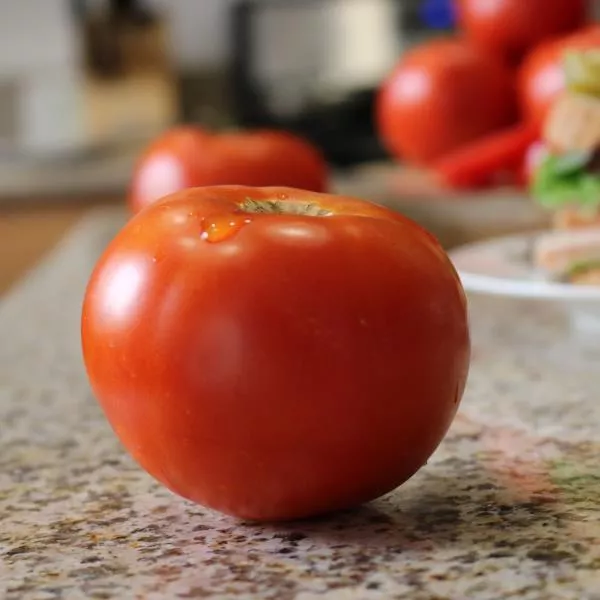
The Celebrity tomato is more than just a plant; it's a horticultural phenomenon. An AllAmerica Selections (AAS) winner in 1984, it earned its place in gardening history by consistently outperforming its peers in trials across the United States. Its formal name is Solanum lycopersicum 'Celebrity' F1. The "F1" designation is crucial here, as it signifies a firstgeneration hybrid. This is not an heirloom; it's a meticulously bred marvel, created by crossing two pureline parent plants to combine their most desirable traits. The result is a plant with what is known as "hybrid vigor" a robust, resilient, and highly productive specimen. This genetic engineering grants it superior disease resistance, uniformity, and an impressive yield, which is precisely why it remains one of the most popular and trusted varieties available today. We are not just growing tomatoes; we are cultivating an awardwinning legacy in our own backyards.
Understanding the Celebrity F1's Unique Characteristics
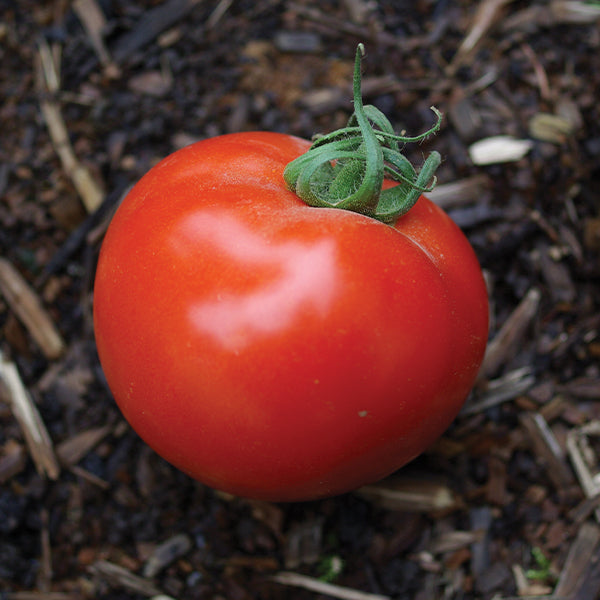
We must begin by dissecting what makes the Celebrity F1 so special. Its defining trait is its semideterminate growth habit. This is a critical point that differentiates it from both indeterminate and determinate varieties. An indeterminate tomato plant, like the "Brandywine," will continue to grow, flower, and produce fruit until the first frost. A determinate plant, such as the "Roma," grows to a certain height, sets its fruit all at once, and then stops. The Celebrity F1, however, is a hybrid of these two. It grows in a bushlike form, typically reaching a height of 3 to 5 feet, and produces a large, concentrated burst of fruit. However, unlike a true determinate, it will often continue to produce a second, smaller crop later in the season. This makes it an ideal choice for gardeners who want a significant yield for canning or saucemaking without having to manage the sprawling, vining nature of an indeterminate.
Key Attributes: The Blueprint for Success
We Begin with the Seed: The Foundation of a Great Harvest
The journey to a bountiful harvest begins long before a seedling touches the soil. We must start with highquality seeds. We recommend sourcing your seeds from a reputable and trusted supplier to ensure genetic purity and a high germination rate. The ideal time to start your seeds indoors is 6 to 8 weeks before your region's last expected frost date. This gives the seedlings ample time to develop a strong root system and a sturdy stem before being introduced to the rigors of the outdoor world.
The Indoor Nursery: Creating the Perfect Environment
To give your seeds the best possible start, we advocate for a controlled indoor environment. We utilize a seedstarting mix, which is a sterile, soilless medium that provides excellent drainage and aeration. Plant the seeds approximately 1/4 inch deep. The magic happens with heat and light. We suggest placing your seed trays on a heat mat to maintain a soil temperature between 75°F and 85°F. This provides the ideal warmth for swift and uniform germination, which typically occurs within 7 to 14 days. Once the seedlings emerge, we immediately place them under grow lights, ensuring they receive at least 1416 hours of light per day. Insufficient light at this stage will cause your seedlings to become "leggy" tall, thin, and weakstemmed a condition that is very difficult to recover from. We also maintain consistent, but not waterlogged, moisture in the seedstarting mix. The key here is to water from the bottom whenever possible, allowing the soil to wick up the moisture, which encourages deeper root growth and prevents dampingoff disease.
Transplanting and Site Selection: A New Beginning
Once your seedlings have grown to about 68 inches tall and have developed several sets of "true leaves," they are ready for the next phase. However, we do not simply move them from indoors to out. We must first "harden them off" a gradual process of acclimating the young plants to outdoor conditions. This involves exposing them to increasing periods of direct sunlight, wind, and cooler temperatures over the course of 7 to 10 days. This simple step prevents transplant shock and ensures the plants are robust enough to thrive in their new home. When selecting a planting site, we insist on a location that receives a minimum of 6 to 8 hours of full sun per day. Tomatoes are sunloving plants, and more sun equals more fruit. The soil must be welldrained and rich in organic matter. We recommend amending your garden beds with a generous amount of compost or wellrotted manure to provide a fertile foundation. A soil pH between 6.2 and 6.8 is considered ideal for optimal nutrient uptake.
The Act of Transplanting: A Detailed Methodology
When it is time to plant, we dig a hole that is twice as wide as the seedling's root ball. A unique feature of tomato plants is their ability to form new roots along their stems. We take full advantage of this by planting the seedling deeply, burying a portion of the stem up to the first set of true leaves. We carefully pinch off any leaves that will be below the soil line to prevent disease. We also consider adding a handful of bone meal or a highphosphorus fertilizer to the bottom of the planting hole to promote strong root development. After placing the plant in the hole, we backfill with our amended soil, gently firming it around the base. We then give the newly planted tomato a thorough watering to settle the soil and eliminate any air pockets. We space our plants approximately 2436 inches apart to ensure adequate air circulation, which is crucial for disease prevention.
Watering and Fertilization: The Lifeblood of Your Plants
Proper watering is perhaps the most critical component of a healthy tomato plant. We recommend deep, consistent watering rather than frequent, shallow watering. The goal is to keep the soil consistently moist, but not waterlogged. We advise watering at the base of the plant, directly on the soil, in the morning. This allows any splashed water on the leaves to dry off throughout the day, minimizing the risk of fungal diseases. We use drip irrigation or soaker hoses for this very reason. A layer of organic mulch, such as straw or shredded leaves, is also essential. Mulch helps to retain soil moisture, suppress weeds, and regulate soil temperature, creating a stable environment for your plants.
Nutrient Management: Feeding Your Superstar
We approach fertilization in a phased manner. When transplanting, we use a balanced, lownitrogen fertilizer (e.g., 51010 or 102010) to encourage root and flower development. Too much nitrogen at this stage can lead to lush, leafy growth at the expense of fruit production. Once the first fruits begin to set, we switch to a fertilizer with a higher potassium and phosphorus content (e.g., a "tomato formula" fertilizer) to support fruit growth and overall plant health. We also incorporate a foliar spray of a calciumrich solution to prevent blossom end rot, a common physiological disorder caused by a calcium deficiency in the fruit, often exacerbated by inconsistent watering.
Support and Pruning: Guiding Your Harvest
While the Celebrity F1 is a semideterminate, its heavy fruit load necessitates a sturdy support system. We strongly recommend using a large, heavyduty tomato cage or staking your plants from the moment you transplant them. Trying to add a cage later when the plant is laden with fruit is a recipe for disaster. We also find that a strong stake can be used in conjunction with a cage for additional support. The goal is to keep the fruit and foliage off the ground, which improves air circulation and reduces the risk of soilborne diseases.
To Prune or Not to Prune? The Celebrity Debate
This is a topic of some debate among gardeners. With indeterminate tomatoes, pruning "suckers" (the small shoots that grow in the Vshape between the main stem and a branch) is a common practice to direct the plant's energy towards fruit production. However, with the semideterminate Celebrity, we take a more cautious approach. Pruning suckers from a Celebrity plant can significantly reduce your overall yield, as these suckers will produce flowers and fruit. We limit our pruning to removing any lower leaves that are touching the soil, as this is a primary entry point for diseases. We also remove any yellowing or diseased foliage to maintain plant health and improve airflow. A very light "thinning" of the plant's interior can be beneficial if it becomes overly dense, but we never remove more than a few leaves at a time.
Pest and Disease Management: Proactive Prevention
One of the great joys of growing Celebrity F1 tomatoes is their natural resistance to many diseases. However, this does not mean we can be complacent. We remain vigilant. We are always on the lookout for signs of pests such as aphids, tomato hornworms, and flea beetles. We advocate for organic, preventative measures first, such as a strong spray of water to dislodge aphids or handpicking hornworms. We also utilize companion planting, using marigolds or basil to deter pests. For fungal diseases, our preventative strategy includes proper plant spacing, watering the soil and not the leaves, and using a layer of mulch. If we do see a sign of a fungal issue, such as powdery mildew or leaf spot, we use an organic fungicide like a copperbased spray or a mixture of baking soda and water to manage it.
A Detailed Look at Common Ailments and Their Prevention
We know that even the most resilient plants can face challenges. We want to provide you with the knowledge to combat them.

The Harvest: A Celebration of Your Hard Work
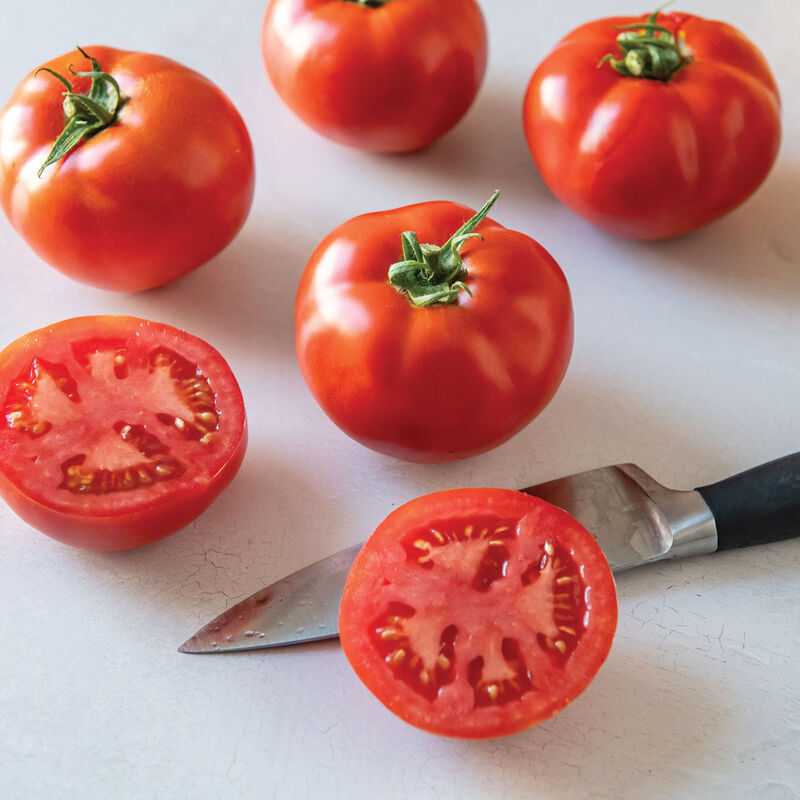
The moment of truth arrives around 7075 days after transplanting. We harvest our Celebrity tomatoes when they are a deep, uniform red color and feel slightly soft when gently squeezed. We never wait until they are falling off the vine. We find that a slight give to the touch is the perfect indicator of peak ripeness. We also note that harvesting can be a twophase event with this semideterminate variety. We will have a large, initial harvest, followed by a smaller, but still significant, second crop later in the season. The fruit is best harvested with a clean pair of shears or a knife to avoid damaging the plant. We handle the tomatoes with care, as a bruised tomato has a very short shelf life. We can also harvest the fruit when it is a "breaker stage" just starting to turn color and ripen them indoors. This is particularly useful at the end of the season when frost is a threat.
From Garden to Plate: Culinary Uses and Recipes
We know that the purpose of growing a tomato is to eat it. The Celebrity F1 is a fantastic culinary tomato due to its balanced flavor and meaty texture. We find that it is the quintessential "slicing tomato," perfect for sandwiches and burgers. We also use it extensively in salads, bruschetta, and as a fresh addition to pasta dishes. Its firm flesh and low water content make it an excellent choice for canning, sauces, and salsa. Here are a few of our favorite ways to use this versatile fruit:
H6: Classic Caprese Salad
We slice our Celebrity tomatoes into thick rounds and arrange them on a platter with fresh mozzarella and basil leaves. We then drizzle the whole thing with a highquality balsamic glaze and a pinch of sea salt. It's a simple dish that truly highlights the flavor of the tomato.
H6: Roasted Tomato Soup
We roast halved Celebrity tomatoes with garlic, onions, olive oil, and herbs until they are caramelized and tender. We then blend them with a little vegetable broth to create a rich and deeply flavorful soup. The classic flavor of the Celebrity F1 shines through in this dish, creating a perfect comfort food.
H6: Fresh Tomato Salsa
We dice our tomatoes and combine them with chopped onions, jalapeños, cilantro, and a squeeze of lime juice. The firm flesh of the Celebrity F1 holds up beautifully in this chunky salsa, which we serve with tortilla chips or as a topping for grilled meats.
The Celebrity F1: A Gardener's Best Friend
We have meticulously detailed every aspect of growing the Celebrity F1 tomato. We've covered its history, its unique characteristics, and the best practices for cultivation, from seed to harvest. We believe that this article provides the most comprehensive and authoritative guide available. The Celebrity F1 is not just another tomato; it is a testament to horticultural excellence. Its disease resistance, reliability, and classic flavor make it a nonnegotiable addition to any garden. We are confident that by following these detailed instructions, you will experience the same immense success that we have. We invite you to grow your own superstar, to taste the difference, and to join the legions of gardeners who have made the Celebrity F1 a permanent fixture in their gardens. We wish you a beautiful and abundant harvest.


Comments
Post a Comment