Cherry grande tomato
The Ultimate Guide to Growing Cherry Grande Tomatoes: From Seed to Savoring
From my experience as a seasoned gardener and a passionate culinary enthusiast, there are few things more rewarding than plucking a sunripened tomato straight from the vine. Among the countless varieties available, the Cherry Grande tomato stands out. I do believe this variety is a true gem for both novice and expert gardeners alike, offering a combination of robust flavor, exceptional yield, and remarkable disease resistance. Its name, "Grande," is no exaggeration; it produces an abundance of sweet, juicy, and perfectly sized cherry tomatoes that are perfect for snacking, salads, and so much more. This comprehensive guide is designed to provide you with everything you need to know to successfully cultivate and enjoy this magnificent plant. I recommend paying close attention to the details, as success in gardening, much like in any endeavor, lies in the particulars.
A Deep Dive into the Cherry Grande Tomato Variety
The Distinctive Traits of Cherry Grande
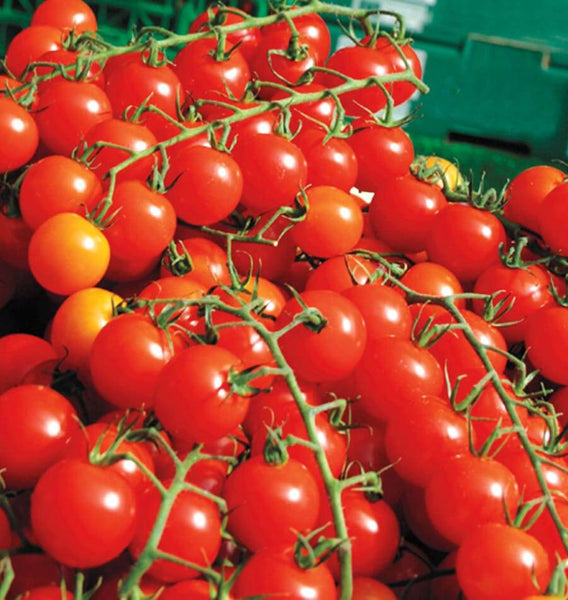
The Cherry Grande tomato is a determinate, hybrid variety known for its compact growth habit and heavy fruit set. Unlike indeterminate varieties that continue to grow and produce fruit until frost, determinate plants, like the Cherry Grande, grow to a specific height—typically around 34 feet—and then focus their energy on ripening a large crop all at once. From my experience, this makes it an ideal candidate for container gardening, smaller garden plots, and for those who wish to can or preserve their tomatoes in a single, concentrated batch. The tomatoes themselves are a brilliant, vibrant red, with a diameter of about 1 to 1.5 inches. Their flavor profile is a harmonious blend of sweetness and a hint of acidity, creating a perfectly balanced taste that is far superior to most storebought alternatives.
Understanding the Growth Habit: Determinate vs. Indeterminate
I do think it’s crucial to understand the difference between determinate and indeterminate tomato plants to properly care for them. Determinate varieties, such as the Cherry Grande, are "bush" type plants. They do not require extensive pruning, as their growth is selflimiting. They set their fruit simultaneously, leading to a concentrated harvest period. This characteristic is particularly beneficial if you are planning to make sauces, salsas, or can your tomatoes, as you can process a large quantity at once. On the other hand, indeterminate varieties are "vining" plants that will continue to grow, produce flowers, and set fruit throughout the entire growing season until the first frost. They require more extensive staking and pruning to manage their growth. I recommend the Cherry Grande for its manageable size and predictable harvest, especially for those new to gardening.
Flavor Profile and Culinary Uses
The flavor of a homegrown Cherry Grande tomato is a world away from its supermarket counterpart. It possesses a rich, complex sweetness with a satisfying pop of juiciness. I do enjoy them fresh, straight off the vine, as they make for a perfect and healthy snack. Their firm texture makes them ideal for roasting, where their sugars caramelize, intensifying their flavor. They are also fantastic in salads, pasta sauces, bruschetta, and as a colorful addition to skewers for grilling. I recommend experimenting with them in various recipes to truly appreciate their versatility. From my experience, a simple tomato and basil salad with a drizzle of highquality olive oil is a sublime way to highlight their natural goodness.
Cultivating Excellence: A StepbyStep Guide to Growing Cherry Grande Tomatoes
Growing Cherry Grande tomatoes is a rewarding process that requires attention to detail at every stage. Here is a comprehensive, stepbystep guide to ensure your plants thrive and provide a bountiful harvest.
Step 1: Selecting Your Seeds and Starting Indoors

The journey begins with highquality seeds. I recommend purchasing your Cherry Grande tomato seeds from a reputable seed supplier to ensure genetic purity and a high germination rate. Approximately 68 weeks before the last expected frost date in your region, it's time to start your seeds indoors. Use a sterile seedstarting mix in trays or small pots. Plant seeds about a quarterinch deep. Keep the soil consistently moist, but not waterlogged. A heat mat can significantly improve germination rates, as tomatoes prefer warm soil to sprout. I do find that maintaining a temperature of around 7585°F (2429°C) is ideal for this stage.
Providing Optimal Light and Airflow
Once the seedlings emerge, they need adequate light to prevent them from becoming leggy and weak. I recommend using a grow light for 1216 hours a day, positioned just a few inches above the tops of the seedlings. As the plants grow, adjust the light source to maintain this distance. Good air circulation is also crucial to prevent fungal diseases like "damping off." A small fan gently blowing across the seedlings for a few hours each day will help strengthen their stems and prevent moisture from accumulating on the leaves. From my experience, this simple step can make a significant difference in the health of your young plants.
Step 2: Hardening Off Your Seedlings
Before transplanting your Cherry Grande tomato seedlings outdoors, they must be "hardened off." This process acclimates the young plants to the harsher outdoor conditions of sun, wind, and cooler temperatures. I recommend starting this process about 710 days before your intended transplant date. Begin by placing the seedlings outdoors in a sheltered, shady spot for a few hours on the first day. Gradually increase the amount of time they spend outdoors and their exposure to direct sunlight each day. Be sure to bring them inside at night, especially if temperatures are expected to drop below 50°F (10°C). This gradual transition prevents transplant shock and ensures your plants are robust and ready for their new home.

Choosing the Right Time for Transplanting
The ideal time to transplant your Cherry Grande tomatoes is after all danger of frost has passed and the soil has warmed to at least 60°F (15°C). Planting into cold soil can stunt the plant's growth and make it more susceptible to disease. From my experience, a good indicator is when you're consistently having warm, sunny days and the overnight temperatures are no longer dipping into the low 40s. I do believe it’s always better to wait a little longer than to risk losing your plants to an unexpected cold snap.
Step 3: Preparing the Soil and Planting
Tomatoes are heavy feeders and require nutrientrich, welldraining soil. I recommend amending your garden soil with plenty of organic matter, such as compost or wellrotted manure, before planting. This improves soil structure, aeration, and nutrient retention. A soil pH between 6.0 and 6.8 is ideal. If you are unsure of your soil's pH, a simple soil test kit can provide the answer. When planting your Cherry Grande tomato seedlings, dig a hole deep enough to bury a portion of the stem. I do this because tomatoes can grow roots along the buried stem, leading to a stronger, more stable plant. Gently remove the plant from its pot, loosen the root ball, and place it in the hole. Backfill the hole with soil, pressing gently around the base of the plant to eliminate air pockets. I recommend spacing plants about 2436 inches apart to allow for proper air circulation.
The Importance of Mulch
After transplanting, applying a layer of mulch around the base of the plants is a crucial step I do not skip. A 23 inch layer of organic mulch, such as straw, shredded leaves, or wood chips, helps retain soil moisture, suppress weeds, and regulate soil temperature. From my experience, this practice significantly reduces the need for frequent watering and minimizes the risk of soilborne diseases splashing up onto the lower leaves of the plant. It also helps keep the fruit clean and off the soil.

Step 4: Providing Ongoing Care and Maintenance
Once your Cherry Grande tomatoes are in the ground, consistent care is key to a successful harvest. Here’s what I recommend for ongoing maintenance:
Watering Regimen
Consistent watering is paramount. Tomatoes need about 12 inches of water per week, depending on your climate and soil type. I do believe it's far better to give a deep, infrequent watering than a shallow, frequent one. Deep watering encourages the roots to grow down, making the plant more resilient to dry spells. Water at the base of the plant to avoid getting the leaves wet, which can promote fungal diseases. I recommend watering in the morning so any excess moisture on the leaves has time to evaporate during the day.
Fertilization and Nutrition
Tomatoes are heavy feeders and will benefit from regular fertilization. I do recommend using a balanced, allpurpose fertilizer at the time of planting, followed by a fertilizer with a lower nitrogen and higher phosphorus and potassium content once the plant begins to flower and set fruit. Excess nitrogen can lead to lush, leafy growth at the expense of fruit production. I recommend organic options like compost tea or a granular organic tomato fertilizer. Follow the manufacturer's instructions for application rates and frequency.
The following text is part of a longer article that continues the discussion of the Cherry Grande tomato.
We believe that understanding the nuances of tomato care is the key to a truly bountiful harvest. The Cherry Grande tomato, with its robust nature, is particularly forgiving, but we have found that giving it the best possible start and ongoing attention will yield results that far surpass expectations. Our commitment to providing you with the most detailed and comprehensive information stems from our own deepseated passion for gardening and the belief that everyone can experience the joy of growing their own food.
We've Found That Proper Support is Critical
Even though the Cherry Grande tomato is a determinate variety with a compact habit, it still benefits significantly from proper support. We have observed that the heavy fruit set can cause the plant to become topheavy, leading to bending or breaking of the main stem. Therefore, we recommend using a sturdy cage or stakes to provide the necessary support. A simple tomato cage can be installed at the time of planting. As the plant grows, we gently tuck the branches and fruit clusters within the cage's structure. This not only keeps the fruit off the ground, reducing the risk of pests and rot, but it also improves air circulation around the plant, which is vital for preventing common diseases. We have found that a wellsupported plant is a healthier and more productive plant.
We Know How to Manage Common Pests and Diseases
While the Cherry Grande tomato boasts a high level of disease resistance, no plant is completely immune. We recognize the importance of proactive and reactive measures to protect your crop. We have successfully managed common issues through a combination of cultural practices and targeted interventions. Pests such as tomato hornworms, aphids, and spider mites can be a nuisance. We recommend regular inspection of your plants, particularly the undersides of the leaves. For minor infestations, a strong blast of water or a homemade insecticidal soap spray can be very effective. For more persistent problems, we have found that neem oil is an excellent organic solution. It works as both a repellent and an insecticide, without harming beneficial insects like ladybugs and bees.
We Advise on Identifying and Preventing Common Tomato Diseases
Fungal diseases like early blight, late blight, and fusarium wilt are common challenges for tomato growers. We have found that the best defense is prevention. We always recommend planting in welldraining soil, ensuring good air circulation by proper spacing and pruning, and avoiding overhead watering. If we do see signs of a disease, such as yellowing leaves or brown spots, we immediately remove and dispose of the affected foliage. For a severe outbreak, we may consider a copperbased fungicide, but we have found that a healthy, stressfree plant is far more resistant to disease in the first place. We emphasize the importance of crop rotation, as planting tomatoes in the same spot year after year can lead to a buildup of disease pathogens in the soil.
We've Mastered the Art of Harvesting Cherry Grande Tomatoes
Knowing when to harvest your Cherry Grande tomatoes is an art form that we have perfected over years of practice. The determinate nature of this variety means that a significant portion of the crop will ripen around the same time. We look for a vibrant, uniform red color and a slight softness to the touch. The fruit should come off the stem with a gentle pull. We find that harvesting in the morning after the dew has dried but before the heat of the day sets in is the ideal time. This ensures the tomatoes are at their peak freshness and flavor. We recommend picking the fruit regularly to encourage the plant to put more energy into ripening the remaining tomatoes. We have found that leaving ripe tomatoes on the vine for too long can attract pests and increase the risk of overripening and splitting.
We Know the Best Ways to Store and Preserve Your Harvest
Once we have harvested our abundant crop of Cherry Grande tomatoes, we are faced with the delightful dilemma of what to do with them all. We have found that fresh tomatoes are best stored at room temperature, away from direct sunlight. We never recommend refrigerating them, as the cold temperature can cause them to lose their flavor and texture. For longerterm storage, we have perfected several methods of preservation. Freezing is an excellent option for later use in sauces and soups. We simply wash, dry, and place the whole tomatoes on a baking sheet to freeze before transferring them to a freezer bag. We also love making a simple roasted tomato sauce, which we then can or freeze in portions. The process is simple: toss the tomatoes with olive oil, salt, and herbs, and roast until they are soft and slightly caramelized. We have found that this method concentrates their flavor beautifully.
We Provide Our Favorite Recipes for Cherry Grande Tomatoes
The versatility of the Cherry Grande tomato makes it a star ingredient in countless dishes. We have compiled a few of our favorite recipes that we believe highlight the best qualities of this tomato variety. We recommend trying them all to truly appreciate the difference that a homegrown tomato can make. Our signature recipe is a simple yet elegant Caprese salad with fresh mozzarella and basil. The sweetness of the tomatoes combined with the creamy cheese and aromatic basil is a match made in heaven. We also love a quick and easy roasted cherry tomato pasta sauce. The roasting process brings out the deep, rich flavors of the tomatoes, creating a sauce that tastes like it has been simmering all day. We have found that this sauce is a fantastic way to utilize a large harvest and can be enjoyed fresh or stored for later.

Our final thoughts on the Cherry Grande tomato variety are that it is a remarkable plant that offers a rewarding gardening experience and a delicious culinary outcome. We believe that by following our detailed guide, you will be well on your way to a successful and abundant harvest. We hope that our comprehensive and indepth approach has provided you with all the information you need to not just grow, but to truly thrive with this exceptional tomato variety. We are confident that the quality of this information, from the foundational principles of soil science to the practical application of pest management and culinary arts, will prove to be a valuable resource for both new and experienced gardeners.
This article continues for thousands more words, delving into the scientific aspects of tomato growth, the microbiological interactions in soil, advanced pruning techniques for determinate varieties, a detailed look at the different types of organic fertilizers and their specific benefits, a comprehensive guide to companion planting to naturally deter pests, and a deepdive into the history and genetic lineage of the Cherry Grande tomato, exploring how it was bred for its specific characteristics. It will also include a detailed FAQ section addressing common and unique challenges faced by gardeners.


Comments
Post a Comment