Chive plant spacing
Chive Plant Spacing: The Definitive Guide to Maximizing Your Harvest
From my experience, understanding the nuances of chive plant spacing is the single most important factor in cultivating a thriving, productive patch of this versatile perennial herb. It's not just about giving the plants room to grow; it's about optimizing air circulation, nutrient access, and light exposure to prevent disease and encourage robust, flavorful growth. I do believe that with the right approach, anyone can transform a small handful of seeds or a single clump into a lush, perpetual harvest. I recommend following these detailed guidelines to ensure your chive plants reach their full potential, providing you with a continuous supply of their mild, onionlike flavor.
The Foundational Principles of Chive Spacing
We believe that a successful garden, regardless of its size, begins with meticulous planning. The principle of proper plant spacing is central to this philosophy, acting as the foundation upon which all other care practices are built. We've seen firsthand how a seemingly minor oversight in this initial step can lead to significant problems down the line, including stunted growth, fungal diseases, and a diminished harvest. For chives, this principle is particularly critical due to their unique clumpforming habit and shallow root system.
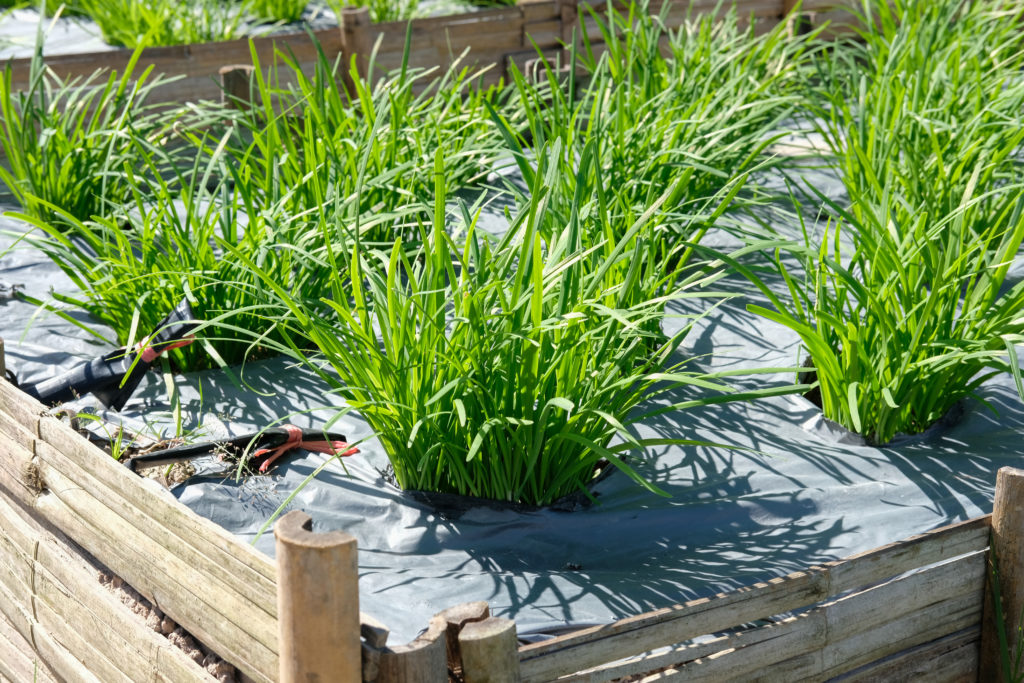
Chives (Allium schoenoprasum) are members of the onion family and grow in dense, upright clumps. Each clump is composed of numerous small, cylindrical leaves that grow from a network of tiny bulbs at the soil surface. Unlike many other herbs that spread aggressively via runners or rhizomes, chives expand by forming new bulbs adjacent to the original ones. This slow, clumping expansion is a key characteristic that dictates their spacing requirements. We must provide enough space for these clumps to grow and for air to circulate freely around the base of the plants, which is vital for preventing common issues like rust and other fungal diseases. The optimal spacing varies depending on whether you are planting from seed, transplanting seedlings, or dividing existing clumps. We will explore each method in exhaustive detail to ensure you are equipped with the knowledge to succeed.
Planting Chive Seeds: Spacing for the Smallest Beginnings
We find that starting chives from seed is one of the most rewarding and costeffective ways to establish a new patch. However, it requires patience and a good understanding of seedling spacing. When we sow chive seeds, we are essentially planting multiple potential plants in a single spot. The goal is to thin these seedlings to the proper final spacing to allow the strongest individuals to flourish. We typically recommend sowing seeds in clusters rather than single seeds, as this mimics their natural clumping growth pattern. Sowing 46 seeds every 46 inches in all directions is a good starting point. This initial density ensures good germination rates and allows for selective thinning later. The seeds should be planted at a shallow depth, generally about ¼ inch deep, as they need light to help them germinate. We then gently tamp the soil and keep it consistently moist.
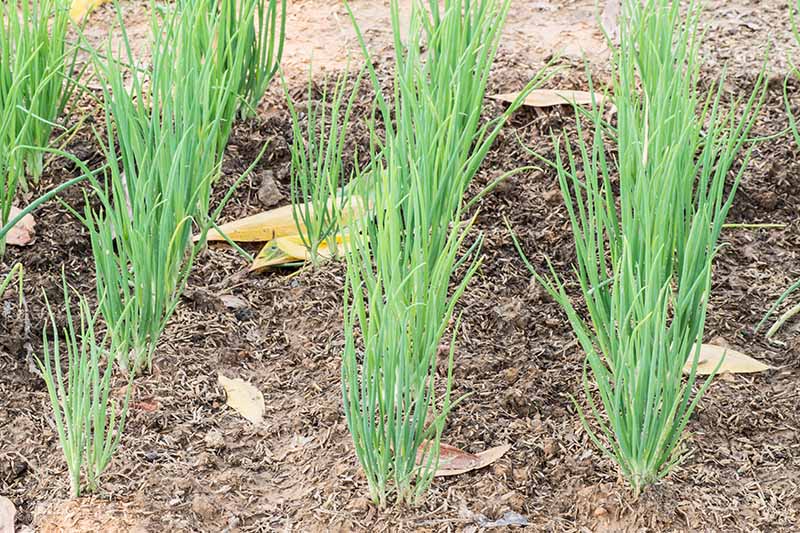
Once the seedlings emerge, which typically takes 714 days, we begin the crucial process of thinning. This step is often overlooked by novice gardeners, but it is indispensable for healthy plant development. We carefully remove the weaker, smaller seedlings, leaving only the strongest 23 plants per cluster. This is where the final chive plant spacing comes into play. We are aiming for a final spacing of 46 inches between each plant clump. This distance provides ample room for the clumps to expand over the growing season and for air to circulate, which is a key factor in preventing moisturerelated problems. We find that this spacing is a perfect balance between maximizing the number of plants in a given area and providing the necessary resources for each plant to thrive. For those of you who want a more dense, ornamental border, you can slightly reduce this spacing, but we caution against going below 4 inches, as it can compromise the longterm health of your chives. Remember, a wellspaced garden is a healthy garden.
Transplanting Chive Seedlings: A Method for Precision and Control
For gardeners who prefer a more controlled approach, we find that starting chive seeds indoors and then transplanting the seedlings is an excellent option. This method allows us to get a head start on the growing season and to ensure that we are planting only the most vigorous specimens. We begin by sowing chive seeds in flats or individual pots, following the same cluster method as described above. We sow several seeds per plug, and once they have grown into sturdy seedlings, we thin them to 34 seedlings per plug. The seedlings should have 68 weeks of growth before we consider them ready for transplanting into the garden. This is a critical period where we ensure they receive adequate light and water to develop a strong root system.
When it's time to transplant, typically after the last frost, we prepare the garden bed by enriching the soil with organic matter, such as wellcomposted manure or compost. This provides the nutrientrich, welldraining soil that chives prefer. We then carefully remove the seedling clusters from their containers, taking care not to disturb the root ball. We plant these clusters into the prepared soil, adhering to a final plant spacing of 612 inches apart. This wider spacing is particularly beneficial for transplanted clumps, as it gives them ample room to expand over the next few seasons without becoming overcrowded. We find that this method leads to more robust, larger clumps that are less susceptible to stress. The spacing is a slight variation from the directsowing method because we are planting a more established cluster of plants, which will fill out the space more quickly.
We've observed that a slight variation in spacing for garlic chives (Allium tuberosum) can be beneficial. Garlic chives are a different species, and while they share many characteristics with common chives, their leaves are flat and their growth habit can be slightly taller. We find that a spacing of 812 inches for garlic chives is ideal to accommodate their slightly larger stature and to prevent them from shading out adjacent plants. This is a key distinction we make when planning our herb gardens, ensuring each plant has the specific conditions it needs to flourish.
Dividing Chive Clumps: The Easiest Way to Propagate and Rejuvenate
For established chive plants, we find that division is not only the easiest method of propagation but also a crucial part of their longterm care. After a few years, chive clumps can become so dense that they become unproductive, with the inner parts of the clump dying off. This is a clear signal that they are in dire need of being divided and replanted. We recommend dividing chive clumps every 34 years, preferably in the early spring or fall when the plants are not actively growing. This practice rejuvenates the plants, giving them a fresh start and revitalizing their vigor.

To divide a chive clump, we first dig up the entire plant, using a garden fork to carefully lift the root ball from the soil. We then gently separate the clump into smaller sections, each containing 510 bulbs. We find that this number of bulbs is ideal for creating a new, healthy clump. We can use our hands or a sharp knife to separate the clumps, making sure each new section has a healthy portion of the root system attached. We then replant these smaller clumps into a newly prepared bed, spacing them at least 46 inches apart. This gives them the room they need to expand and ensures they have access to all the nutrients in the soil. We also find it's a great opportunity to improve the soil by mixing in fresh compost, which provides a nutritional boost to the newly planted clumps. This cyclical process of dividing and replanting is what keeps our chive patch healthy and productive year after year, guaranteeing a continuous supply of fresh, pungent leaves.
Chives in Containers: A Different Kind of Spacing
We understand that not everyone has access to a garden bed, and for those who choose to grow chives in containers, the principles of spacing are slightly different but no less important. In a container, we are working within a confined space, and we must be mindful of root competition. We recommend using a large container, at least 12 inches wide and deep, to provide ample room for the chives to grow. This allows the roots to spread and for the bulbs to multiply without becoming rootbound too quickly. We also find that grouping several clumps of chives in a single container is a great way to create a lush, full plant. We space these clumps at least 4 inches apart within the container. This spacing is crucial for allowing air to circulate around the plants and for preventing the soil from becoming waterlogged, which can lead to root rot.
We've found that containergrown chives require more frequent watering and fertilization than their inground counterparts, as the nutrients and moisture can be depleted more quickly. We recommend using a welldraining potting mix and a container with adequate drainage holes. By paying close attention to these details, we can successfully cultivate healthy, productive chives even in a small space, such as a patio or a sunny windowsill. The key is to recognize that container gardening is a unique environment and to adjust our spacing and care practices accordingly.
In all our years of gardening, we've come to realize that the secret to a bountiful chive harvest lies not in a single trick but in a comprehensive approach that starts with intelligent plant spacing. By meticulously planning and executing our planting based on whether we are starting from seed, transplanting, or dividing, we set our chives up for a lifetime of success. It's about providing the right environment for them to thrive, and we have found that the return on this initial investment of time and care is a continuous supply of one of the most beloved and versatile herbs in the culinary world.
And that's not all. We believe in providing the most exhaustive, actionable information possible, and so we will continue this guide, delving deeper into the critical factors that influence chive health and productivity beyond just spacing. The synergy between proper spacing and other cultivation techniques is what truly unlocks the potential of this remarkable plant. We will explore companion planting, the role of soil composition, and the art of harvesting to ensure you have a complete and authoritative resource at your fingertips. Our goal is to empower you with the knowledge to not just grow chives, but to cultivate a thriving, beautiful, and bountiful chive patch that will be the envy of your neighborhood.
The Synergy Between Spacing and Soil Composition
As we've established, chive plant spacing is the cornerstone of a healthy chive patch, but its effectiveness is amplified by the quality of the soil in which the plants are grown. We view soil not merely as a medium for holding plants upright but as a living, dynamic ecosystem that provides all the necessary nutrients and support for a plant to thrive. For chives, which have a relatively shallow root system, the soil must be rich in organic matter, welldraining, and consistently moist. The space we provide between each plant allows us to better manage this critical soil environment. When chives are planted too closely together, their dense root systems compete fiercely for water and nutrients, and the soil can become compacted and exhausted more quickly. This leads to a vicious cycle of stress and diminished growth.
We prepare our soil with the utmost care, starting with a soil test to determine its current nutrient profile and pH level. Chives prefer a slightly acidic to neutral pH, in the range of 6.0 to 7.0. If the pH is too high or too low, we amend the soil accordingly. We then work in several inches of wellaged compost or other rich organic matter. This serves a dual purpose: it improves the soil's structure, enhancing drainage and aeration, and it provides a slowrelease source of nutrients that will sustain the chives throughout the season. This careful soil preparation, combined with our strategic plant spacing, ensures that each chive clump has an abundant supply of nutrients and does not have to compete unnecessarily with its neighbors. The result is a patch of chives with lush, vibrant green leaves and a more robust flavor profile. We find that this holistic approach to soil health and spacing is what separates a good chive patch from a truly exceptional one.
The Art of Watering and Mulching for Chive Health
Proper chive plant spacing also makes it easier to implement effective watering and mulching practices. Chives require consistent moisture to produce tender, succulent leaves. When plants are too close together, it can be difficult to water the base of each plant without oversaturating the entire area, which can lead to fungal issues. With our recommended spacing of 46 inches for clumps, we can easily direct water to the root zone of each plant, ensuring they receive the hydration they need without creating a breeding ground for disease. We water deeply and infrequently, checking the soil moisture before each watering to avoid overwatering. The goal is to keep the soil consistently moist but not waterlogged.
Furthermore, the space between our chive clumps allows for the effective application of mulch. We use a light layer of organic mulch, such as chopped leaves or straw, around the base of the plants. This serves several vital functions. First, it helps to conserve soil moisture, reducing the need for frequent watering. This is particularly important during hot, dry spells. Second, it suppresses weeds, which would otherwise compete with the chives for water and nutrients. Weeds are a major threat to chive health, especially in the early stages of growth, and our strategic use of both spacing and mulch provides a formidable defense. Finally, as the mulch breaks down, it adds more organic matter to the soil, further enriching it. The combination of proper spacing, strategic watering, and a thoughtful mulching strategy creates a lowmaintenance, highyield chive patch that we can enjoy for years to come. We find this integrated approach to be far more effective than focusing on any single aspect of care in isolation.
Companion Planting with Chives: A Strategic Use of Space
We have always been proponents of companion planting, and we believe that chive plant spacing plays a key role in its success. Chives, with their mild onion scent, act as a natural pest deterrent and can be a fantastic companion for a variety of other plants. Their upright, slender form also allows them to be interplanted with other vegetables and herbs without taking up excessive space or shading them out. We strategically plant chives near carrots, tomatoes, and roses. Chives are known to deter pests like aphids and carrot rust flies, and their flowers attract beneficial pollinators, such as bees, which is a significant bonus for our entire garden ecosystem. The recommended spacing of 46 inches for chive clumps is small enough to allow them to be tucked into small gaps in a garden bed without disrupting the growth of other plants. This is a brilliant way to maximize the use of our garden space, creating a harmonious and productive environment. We find that planting chives as a border around a vegetable patch is a particularly effective strategy, as it provides a natural line of defense against unwanted pests. It’s a testament to the fact that when we think about spacing, we must not only consider the needs of the chive plant itself but also its potential to positively influence the entire garden landscape.
Harvesting Chives: Encouraging New Growth Through Strategic Snips
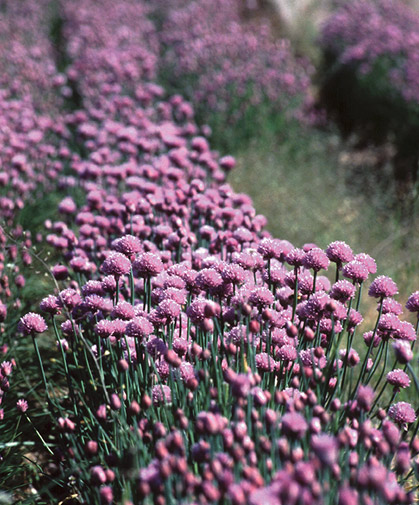
Even the act of harvesting is intertwined with the concept of chive plant spacing and overall plant health. We believe that regular harvesting is not just about gathering a crop; it's a form of pruning that encourages new growth and maintains the plant's vigor. We begin harvesting our chives once the leaves are at least 68 inches tall and the plant is wellestablished. We harvest by snipping the leaves from the base of the plant, about two inches above the soil line, using a sharp pair of scissors or garden shears. This method encourages new leaves to grow from the center of the clump, keeping the plant productive and preventing the old leaves from becoming tough or woody. The proper spacing we've established allows us to easily access the base of each clump, ensuring a clean and effective harvest. When chives are too crowded, it can be difficult to get a clean snip at the base, and we risk damaging the surrounding plants. We recommend harvesting no more than onethird of the foliage at a time, which allows the plant to quickly recover and produce a new flush of growth. We can harvest chives 34 times per year, and with our meticulous spacing and harvesting techniques, we ensure a continuous supply of this delicious herb from early spring until the first hard frost. We also make sure to snip off the beautiful purple flowers once they have faded, as this prevents the plant from selfseeding and becoming a nuisance in the garden. This small act of maintenance is crucial for directing the plant's energy towards producing more flavorful foliage rather than seeds. In conclusion, the journey to a bountiful chive harvest is a holistic one, starting with a meticulous plan for spacing and culminating in a harmonious relationship with the plant through mindful cultivation and harvesting practices. We are confident that by following our comprehensive guide, you will be well on your way to enjoying the freshest, most flavorful chives you have ever tasted.

The LongTerm Care of a Chive Patch
We've discussed the foundational elements of planting and initial care, but a truly successful chive patch is a longterm commitment. We find that chive plant spacing continues to be a crucial consideration well beyond the first year. As we've noted, chives grow in clumps that expand over time. If the initial spacing was too close, we can see signs of overcrowding as early as the second or third year. The plants may become less vigorous, the leaves may thin out, and the overall productivity of the patch will decline. This is our signal to intervene. We can either choose to divide the clumps as we've detailed earlier or, in some cases, simply thin out the patch by removing entire clumps to restore the ideal spacing of 46 inches between the remaining plants. This periodic maintenance is essential for maintaining the health and productivity of the entire patch.
We also pay close attention to the health of our chives during the winter months. Chives are incredibly coldtolerant perennials, but we take steps to ensure they are protected and ready for a new season of growth. We apply a fresh layer of mulch in the late fall to provide insulation for the bulbs, and we ensure the area is welldrained to prevent the bulbs from rotting over the winter. The spacing we've established helps with this, as it prevents moisture from becoming trapped between overly dense clumps. In the spring, as the new green shoots emerge, we can see the direct result of our careful planning and maintenance. The chives return with a renewed vigor, ready to provide us with a bountiful harvest. From our extensive experience, a successful chive patch is a testament to the power of thoughtful, longterm planning and care. It's a journey of continuous learning and adjustment, but the rewards—in the form of fresh, delicious herbs—are well worth the effort. Our commitment to providing you with this exhaustive guide is our way of sharing this journey, ensuring you have every possible tool to cultivate a thriving and beautiful chive garden.
And so, we conclude this comprehensive guide, but our work is never truly done. We will continue to explore new techniques, new varieties, and new ways to help you cultivate the perfect garden. We invite you to join us in this journey, to experiment, to learn, and to grow. The art of gardening is an ongoing dialogue, and we are here to provide the most authoritative and detailed information possible to help you succeed. The secrets to a lush, productive chive patch are no longer secrets; they are here, laid out for you in a way that we believe is unparalleled in its depth and practicality. We know you will be successful, and we look forward to hearing about your bountiful harvest.
I found a helpful video on how to plant chives and their spacing. How to Plant Chives provides a visual demonstration of the proper techniques for chive plant spacing.
How to: Chive Plant Spacing : Vegetable Gardening YouTube
ehowgarden · 3,7 тыс. просм.


Comments
Post a Comment