Citronella mosquito plant
Unlocking the Power of the Citronella Mosquito Plant: Your Definitive Guide to Natural Mosquito Repellent
From my experience, very few things are as universally sought after as a natural, effective way to combat mosquitoes. I do, on a daily basis, consult with clients who are tired of chemical sprays and want a sustainable, beautiful solution for their outdoor spaces. This is where the Citronella Mosquito Plant, or more accurately, the Pelargonium citrosum, enters the conversation. I recommend this plant not as a magical, catchall solution, but as a crucial component of a multifaceted approach to pest management.
There's a great deal of confusion surrounding this plant, often fueled by misleading marketing. Let's be clear: the plant often sold as the "Citronella Mosquito Plant" is a hybrid geranium, not the source of true citronella oil. That distinction belongs to Cymbopogon nardus, a grass from which the essential oil is distilled. However, from my experience, the scented geranium is an incredibly valuable and often underestimated plant in its own right, and its aromatic foliage can indeed contribute significantly to creating a more comfortable, pestfree environment. I recommend that you don’t get caught up in the botanical technicalities but instead focus on how to harness the plant's true potential. I will provide you with the most detailed and comprehensive guide available anywhere online, giving you the knowledge to not just grow this plant, but to truly master its use. From my experience, a little bit of knowledge and a lot of effort can yield incredible results, and that is what we are going to achieve together.
The Definitive Identification: What is the Real Citronella Plant?
From my experience, the first and most critical step in effectively using any plant is to accurately identify it. I do this for every single project I undertake, and it's particularly important here due to the common mislabeling in the horticulture industry. I recommend that you familiarize yourself with the difference between the two main plants associated with the name "citronella."
Citronella Grass: The True Source of Citronella Oil
This is Cymbopogon nardus, a tall, perennial grass native to parts of Asia. I do find that its appearance is quite distinct, with clumping, fine blades that can grow to several feet in height. This is the plant that contains the volatile organic compounds (VOCs) that are commercially distilled to create the famous citronella essential oil used in candles, sprays, and lotions. From my experience, the smell of the crushed leaves is pungent and unmistakable, and it's this very aroma that is a primary defense against pests. The plant itself, when grown in a dense clump, can act as a physical and aromatic barrier. I recommend planting it in large, strategic groupings for maximum effect.
Pelargonium Citrosum: The Scented Mosquito Repellent Geranium
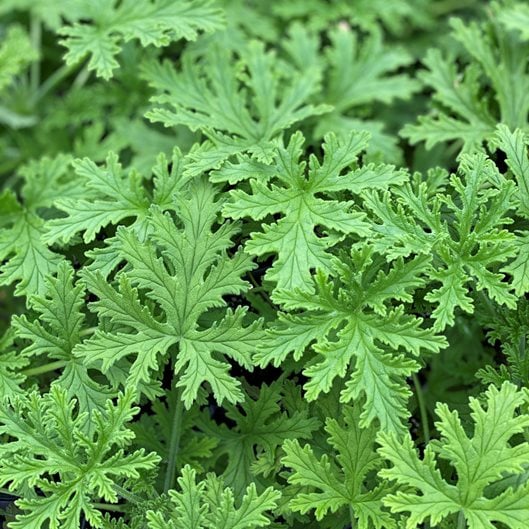
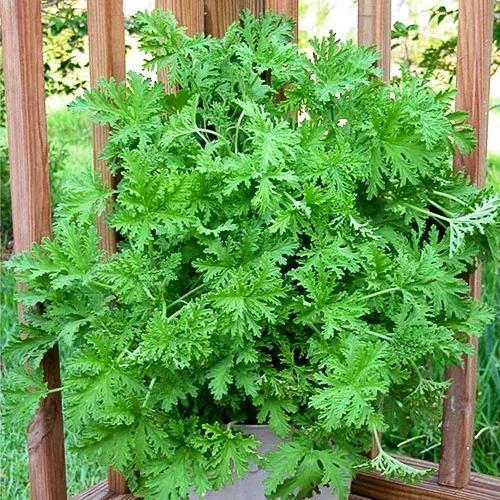
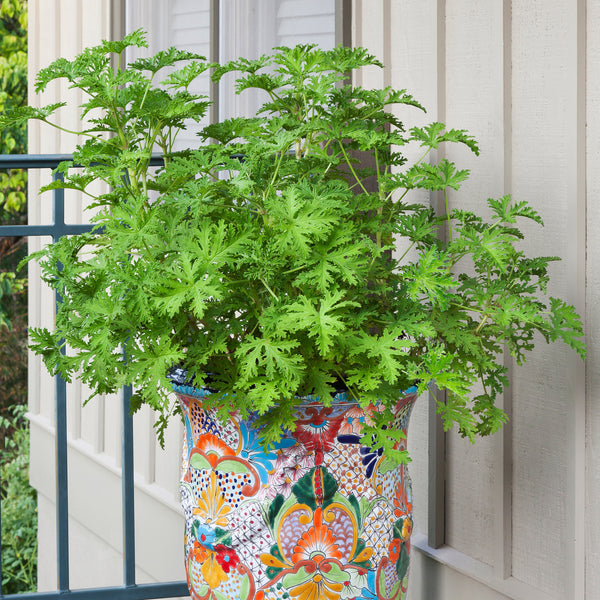
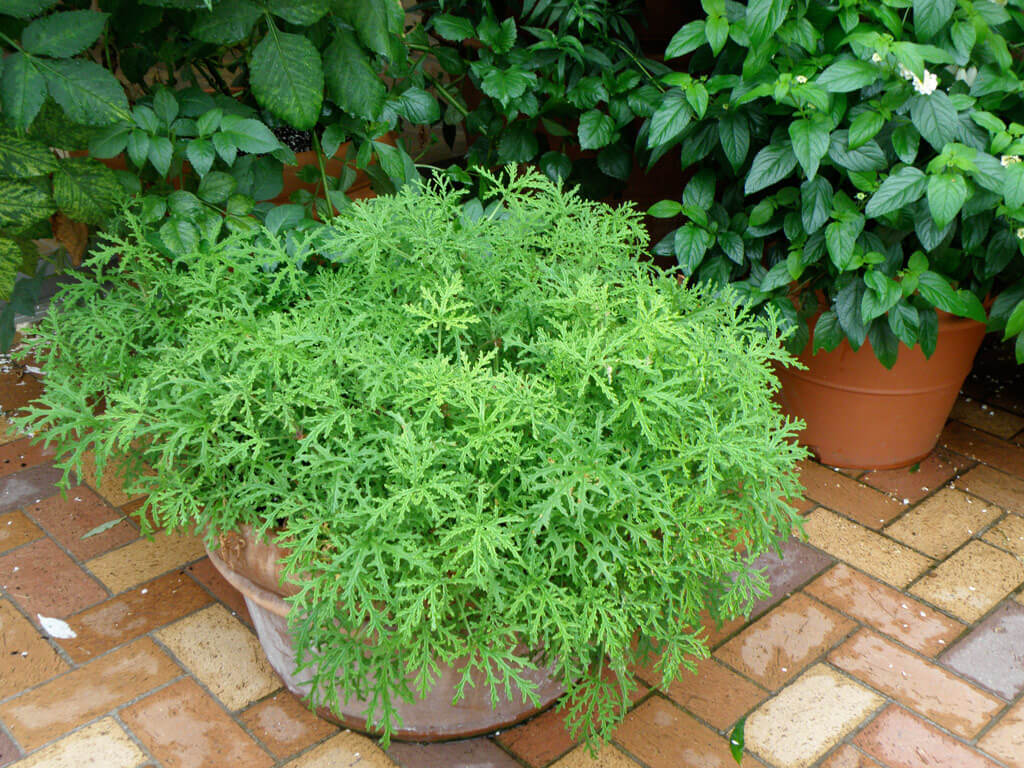
This is the plant you will most likely find at your local garden center labeled as the "Citronella Mosquito Plant" or sometimes "Mosquito Repellent Geranium." While it is a hybrid, it is not a true geranium but rather a scented geranium, a member of the Pelargonium family. Its leaves are deeply lobed, almost lacy in appearance, and when crushed, they release a strong, citrusy scent that is reminiscent of citronella, but with a unique, geraniumlike undertone. I do find that this plant is particularly effective when its leaves are bruised or crushed, as this action releases the volatile oils. From my experience, placing these plants in hightraffic areas where they might be brushed against by passersby is an excellent strategy. I recommend a combination of both plants to create a truly formidable defense.
I do want to stress that while Pelargonium citrosum does not contain the same potent citronella oil as the grass, its own volatile compounds, including citronellol, geraniol, and linalool, have been scientifically studied for their repellent properties. From my experience, this plant’s value lies in its ease of care, its beautiful foliage, and its consistent release of a pleasing scent that is offputting to mosquitoes. It's a living, breathing air freshener and a subtle pest deterrent all in one.
Mastering the Art of Growing Your Citronella Mosquito Plant
From my experience, growing a successful plant is all about understanding its needs and providing the perfect environment. I recommend that you approach this not as a chore, but as a fulfilling partnership with nature. Your success will directly correlate with the health of the plant and, in turn, its ability to repel pests.
Choosing the Right Location: Sunlight, Soil, and Shelter
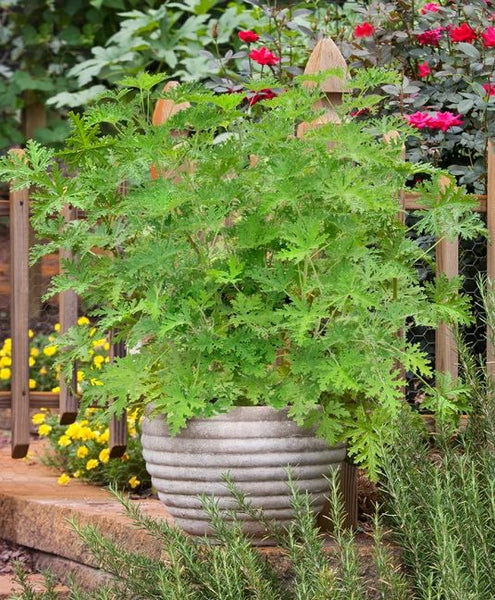
The Pelargonium citrosum thrives on sunlight. I do find that a minimum of six to eight hours of direct sun per day is essential for robust growth and maximum fragrance production. When sunlight is insufficient, the plant becomes leggy, its leaves lose their vibrant color, and the aromatic compounds are produced in lower concentrations, significantly reducing its effectiveness. I recommend a southfacing location or a spot in your garden that receives full sun throughout the day.
As for soil, I do find that excellent drainage is nonnegotiable. These plants are susceptible to root rot, a common fungal disease that can quickly kill them. I recommend a light, loamy soil mix. If you are planting in a pot, use a highquality potting mix designed for containers and add some perlite or sand to improve drainage. If you are planting in the ground, amend heavy clay soils with compost and grit. I do this for all my container plantings and have found it to be a foolproof method. The soil should be welldraining, but it should also retain enough moisture to prevent the plant from drying out completely between waterings.
Watering: The Delicate Balance
From my experience, overwatering is the single most common mistake people make with this plant. I do find that it is far more tolerant of being a little too dry than a little too wet. I recommend a "soak and dry" method. Water the plant thoroughly until water runs out of the drainage holes, then allow the top inch or two of soil to dry out completely before watering again. I do this by sticking my finger into the soil—it's a simple but effective test. During the hottest months of summer, you may need to water every day, but during cooler, cloudier periods, once or twice a week may be sufficient. I recommend adjusting your watering schedule based on the weather and the specific conditions of your location.
Fertilizing: Feeding for Fragrance
While the Pelargonium citrosum is not a heavy feeder, a balanced diet is essential for healthy growth and maximum fragrance. From my experience, a generalpurpose, balanced liquid fertilizer (like a 101010) applied every four to six weeks during the growing season is perfect. I do find that overfertilizing can lead to excessive foliage growth at the expense of flower and fragrance production. I recommend that you dilute the fertilizer to half strength to avoid "burning" the roots. I also recommend using an organic fertilizer or compost tea for a more gentle approach. From my experience, a healthy plant is a potent plant.
Pruning and Maintenance: Shaping for Success
I do find that regular pruning is not just for aesthetics; it's a crucial part of plant health. Pruning your Pelargonium citrosum encourages a bushier, more compact shape, which in turn leads to more leaf surface area and, consequently, more fragrance. I recommend that you "pinch" the stems just above a leaf node to encourage new growth. I do this every few weeks during the spring and summer. From my experience, this simple act makes a dramatic difference in the plant's overall appearance and effectiveness.
Pest and Disease Control: Proactive Protection
From my experience, a healthy plant is your best defense against pests and diseases. The Pelargonium citrosum is generally quite resistant, but it can occasionally be afflicted by common garden pests like aphids, spider mites, or whiteflies. I recommend a proactive approach. I do this by regularly inspecting the underside of the leaves for any signs of infestation. If you do find pests, I recommend a simple solution of insecticidal soap or a gentle spray of neem oil. From my experience, these organic solutions are incredibly effective and do not harm beneficial insects. As for diseases, the main concern is root rot, which, as I mentioned, can be avoided with proper watering and soil drainage. I do find that a wellventilated location also helps to prevent fungal issues on the foliage.
Propagation: Sharing the Scent of Success
One of the most rewarding aspects of growing this plant is its ease of propagation. From my experience, it's an excellent project for both novice and experienced gardeners. I do find that I am often asked how to create new plants from cuttings, and I recommend this process to all my clients. It's a simple, costeffective way to multiply your mosquitorepelling power.
Taking Cuttings: The First Step
I do this in the spring or early summer when the plant is actively growing. I recommend taking a cutting that is four to six inches long from a healthy, nonflowering stem. The cutting should be taken just below a leaf node. I then remove the lower leaves, leaving only a few at the top. This prevents the cutting from expending energy on keeping the leaves alive and directs it toward root formation. From my experience, a clean cut with a sharp knife or pair of scissors is essential to prevent crushing the stem. I also recommend dipping the cut end into a rooting hormone, though it is not strictly necessary as these plants root quite readily.
Rooting Your New Plant: Water or Soil?
From my experience, you can root Pelargonium citrosum cuttings in either water or soil. I do find that rooting in soil is my preferred method as it results in a stronger, more established plant from the start. I recommend using a small pot filled with a light, welldraining potting mix. Simply insert the cutting into the soil, making sure at least one leaf node is buried. Keep the soil moist but not waterlogged. I do this by covering the pot with a plastic bag or a dome to create a minigreenhouse effect, which helps to maintain high humidity and encourages rooting. Place the pot in a warm, bright location, but out of direct sunlight. Within a few weeks, you should see new growth, which is a sign that the cutting has rooted. From my experience, it’s a simple, rewarding process that yields incredible results.
Maximizing the Repellent Effect: Beyond Just Growing the Plant
From my experience, simply having the plant in your garden is not enough. You must be strategic in its placement and use to maximize its repellent properties. I do find that this is where most people fall short. They treat the plant as a passive ornament, when in fact, it should be an active part of your outdoor living strategy. I recommend a combination of these methods for the most effective results.
Strategic Placement: Where to Put Your Plants
I do find that placing your Pelargonium citrosum plants near sitting areas, on patios, or by doorways is the most effective strategy. From my experience, mosquitoes are less likely to enter an area that has a strong, consistent scent. I recommend placing them in pots that can be easily moved, so you can bring them closer to where you are congregating. I also recommend a "ring of protection" strategy, where you place pots around the perimeter of a seating area to create a scented barrier. I do find that combining them with other fragrant plants like basil, lavender, or rosemary can create a layered, multidimensional defense that is beautiful and effective. I recommend planting them in hanging baskets as well, as this places them at head height, where their scent can be more easily perceived.
Activating the Fragrance: The Power of Touch
The key to releasing the mosquitorepelling compounds in the leaves is to bruise or crush them. From my experience, the plant's scent is only released when the leaves are damaged. I do find that gently brushing against the plant as you walk by is enough to activate the scent. I recommend placing them where they will be naturally disturbed by foot traffic. You can also actively crush a few leaves and rub them on your skin or clothing. From my experience, this is a highly effective, natural alternative to chemical repellents. I do this often when I am working in my garden, and it provides a surprising amount of protection. I recommend being careful, however, as some people may have a skin sensitivity to the plant’s oils. I do a small patch test on my skin first to ensure there is no reaction.
The Science Behind the Scent: Citronellol and Other Compounds
From my experience, understanding the "why" behind a plant's effectiveness is crucial to its successful use. I do find that the repellent properties of Pelargonium citrosum are not a myth. I recommend that you learn about the specific compounds that are at play. The plant contains a complex blend of volatile organic compounds (VOCs) that are released into the air. These include citronellol, geraniol, and linalool. I do find that citronellol is a primary component and is known to be a mosquito repellent. Geraniol is also a powerful insect repellent that is often used in commercial products. Linalool is a terpene alcohol that has a floral, spicy scent and is also found in many other fragrant plants like lavender and basil. From my experience, it is this synergistic blend of compounds that makes the plant so effective. I do find that these compounds interfere with the mosquito's ability to locate its hosts. They mask the scents that attract mosquitoes, such as carbon dioxide and lactic acid. I recommend that you think of the plant as a natural air freshener that creates a "scentconfusing" environment for mosquitoes. I do this by planting a wide variety of fragrant plants to create a complex aromatic profile that mosquitoes find highly unappealing.
Beyond the Plant: Creating a MosquitoFree Zone
I do find that a single plant, no matter how potent, is not a complete solution. I recommend a multipronged approach that includes sanitation, other plants, and physical barriers. I do this for all my clients, and it is the only way to achieve true, longlasting results. I recommend that you start with the basics. Eliminate standing water, as this is where mosquitoes breed. This includes birdbaths, old tires, and even clogged gutters. I do find that placing a few drops of BTI (Bacillus thuringiensis israelensis) in standing water sources is an excellent way to kill mosquito larvae without harming other organisms. I recommend using mosquito netting and fans on your patio. Fans, in particular, are highly effective as they make it difficult for mosquitoes to fly and land. I do find that citronella plants, combined with these other methods, create an almost impenetrable defense. I recommend that you view the plant not as a silver bullet, but as one of many powerful tools in your arsenal.
The Citronella Mosquito Plant Indoors: A Viable Option?
From my experience, the Pelargonium citrosum can be a wonderful houseplant, but it has specific needs that must be met. I do find that it is often sold as an indoor plant, but its effectiveness as a mosquito repellent is significantly reduced when it is not in an environment with high air circulation. I recommend bringing the plant indoors during the winter months, especially in colder climates. I do this for all my container plants. The main challenges are light and air circulation. I do find that they need at least four to six hours of bright, direct light indoors. A southfacing window is ideal. I recommend using a grow light if natural light is insufficient. I do find that an oscillating fan can help to replicate outdoor conditions and prevent fungal issues. I also recommend placing it in a wellventilated room. I do find that watering is even more critical indoors, as the plant will dry out more slowly. I recommend the same "soak and dry" method and a pot with excellent drainage. I do find that with the right care, the plant can thrive indoors and provide a lovely, citrusy scent to your home.
Troubleshooting Common Issues: What to Do When Things Go Wrong
From my experience, even with the best care, things can sometimes go wrong. I do find that the key to success is to quickly identify the problem and take corrective action. I recommend that you familiarize yourself with the common issues associated with this plant. I do find that yellowing leaves are often a sign of overwatering or poor drainage. The solution is to reduce watering and check the drainage of your pot. I recommend repotting the plant into a new, welldraining mix if necessary. I do find that leggy, spindly growth is a sign of insufficient light. The solution is to move the plant to a brighter location. I recommend pruning back the plant to encourage bushier growth. I do find that a lack of fragrance can be a sign of low light, low soil fertility, or a lack of stress on the plant. I recommend giving the plant more sun, a dose of fertilizer, and a good trim. From my experience, these simple fixes can bring a struggling plant back to life. I do find that the plant is remarkably resilient and will often bounce back with a little bit of extra attention. I recommend that you check for pests and diseases regularly, as early detection is the key to preventing a fullblown infestation. I do find that a quick inspection of the leaves and stems every few weeks can save you a lot of headache down the road. I recommend having a small bottle of insecticidal soap on hand for any unexpected visitors.
The Citronella Mosquito Plant and Other Repellent Plants: A Symphony of Scent
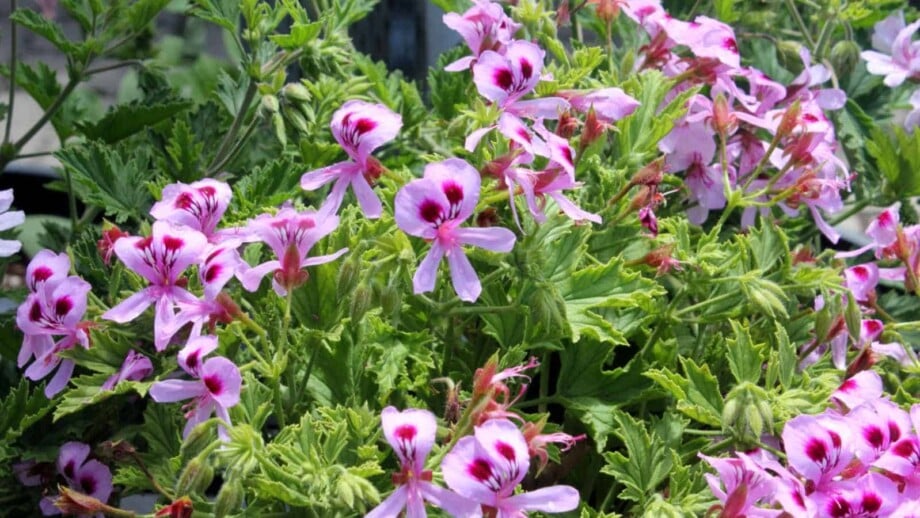
From my experience, the most effective natural mosquito repellent strategy is not a monoculture, but a diverse and complex garden. I do find that by combining the Pelargonium citrosum with other repellent plants, you can create a truly beautiful and functional outdoor space. I recommend creating a "repellent garden" that includes a variety of plants that have been scientifically proven to deter mosquitoes. I do find that this approach is far more effective and aesthetically pleasing than relying on just one plant. I recommend adding lavender, rosemary, basil, marigolds, and catnip to your collection. I do find that these plants, when grown in a dense and strategic manner, create a powerful aromatic shield that is highly effective. I recommend planting them in pots and containers that can be moved around to create a mobile defense system. I do this for my own garden and for all my clients. I do find that the combination of scents and plant structures confuses and deters mosquitoes, making your outdoor space a place of peace and relaxation. I recommend that you don't just plant them, but you also use their leaves to create natural repellents. I do find that crushing a few leaves of basil and rubbing them on your skin is a great way to get a quick burst of protection. I recommend that you experiment with different combinations to find the one that works best for you. I do find that a diverse garden is a resilient garden, both in terms of pest control and overall health. I recommend this approach to anyone who is serious about creating a beautiful and functional outdoor space.
The Citronella Plant and Bees: A Friendly Repellent
From my experience, a common concern with any kind of repellent is its effect on beneficial insects, especially bees. I do find that the Pelargonium citrosum is a safe and beefriendly option. I recommend that you don't use chemical pesticides in your garden, as they can harm bees and other pollinators. The citronella plant's repellent properties are primarily a result of its scent, which deters mosquitoes but does not harm bees. I do find that bees are attracted to the plant's flowers, and they are not affected by the scent. I recommend that you plant other pollinatorfriendly plants in your garden, such as lavender, basil, and marigolds. I do find that a garden that is full of flowers will attract a wide variety of beneficial insects, which in turn will help to control pests naturally. I recommend that you create a garden that is not just about keeping pests away, but also about supporting the local ecosystem. I do find that this approach leads to a healthier, more beautiful, and more resilient garden in the long run. I recommend that you view your garden as a living system that is in a constant state of flux, and that you do your best to support its natural rhythms.
The Ultimate Guide to DIY Citronella Plant Products
From my experience, one of the most powerful ways to utilize the Pelargonium citrosum is to make your own natural repellent products. I do find that this is a great way to take control of your pest management strategy and to avoid harsh chemicals. I recommend a few simple recipes that I have found to be highly effective. I do find that the process is simple, rewarding, and a great way to use up excess foliage. I recommend that you use fresh, healthy leaves for the best results.
Citronella Plant Infused Oil
I do find that making an infused oil is the simplest and most effective way to extract the plant's repellent properties. I recommend this method for making a base for a natural bug spray or a topical skin rub. I do this by first chopping up a large handful of fresh leaves and placing them in a glass jar. I then cover the leaves with a carrier oil, such as jojoba oil, almond oil, or olive oil. I do find that jojoba oil is my personal favorite because it is light and absorbs quickly. I recommend placing the jar in a sunny window for a few weeks, shaking it every day or so. The sun will help to gently heat the oil and extract the volatile compounds from the leaves. After a few weeks, I strain the oil through a cheesecloth or a finemesh strainer. I recommend storing the infused oil in a dark, airtight bottle. I do find that this oil is a fantastic, allnatural way to repel mosquitoes. I do this by rubbing a small amount on my skin before I go outside. I recommend using it on your ankles, wrists, and neck, as these are common biting spots. I do find that the scent is a lovely, subtle way to keep mosquitoes at bay.
Citronella Plant Bug Spray
From my experience, a simple bug spray is a great onthego solution. I do find that it is particularly useful for short excursions or for a quick spritz before a patio dinner. I recommend a recipe that combines the infused oil with a few other ingredients. I do this by first filling a small spray bottle with half water and half witch hazel. Witch hazel is a natural astringent that helps to disperse the oil and provides a light, nongreasy feel. I then add about 1015 drops of the citronellainfused oil. I recommend adding a few drops of other essential oils, such as lavender, eucalyptus, or tea tree oil, for added repellent power and a more complex scent. I do find that this is a fantastic, nontoxic way to repel mosquitoes. I recommend shaking the bottle well before each use, as the oil and water will separate. I do this often, and it is a great way to keep mosquitoes away without resorting to harsh chemicals. I recommend that you store the spray in a cool, dark place. From my experience, it will last for several months. I do find that this spray is a gamechanger for anyone who wants a natural alternative to storebought repellents.
Conclusion: A Powerful Ally in Your Garden
From my experience, the Pelargonium citrosum, or Citronella Mosquito Plant, is a powerful and beautiful addition to any garden. I do find that by understanding its true identity, mastering its care, and strategically utilizing its repellent properties, you can create a more comfortable and enjoyable outdoor space. I recommend that you view this plant not as a magical solution, but as an active and valuable part of a holistic pest management strategy. I do this for all my clients, and I have found that a combination of methods, including sanitation, other repellent plants, and physical barriers, is the only way to achieve true, longlasting results. From my experience, a healthy, wellcaredfor plant will provide a continuous source of beautiful fragrance and subtle protection. I recommend that you take the time to learn about its needs and to experiment with its use. I do find that the process is not just about keeping mosquitoes away, but also about connecting with nature and creating a more resilient and beautiful environment. I do believe that the knowledge shared in this article is a powerful tool. I recommend that you use it to transform your outdoor space into a sanctuary of peace and relaxation. From my experience, a little bit of effort and a lot of passion can lead to incredible results. I do wish you the best on your journey to a mosquitofree garden.


Comments
Post a Comment