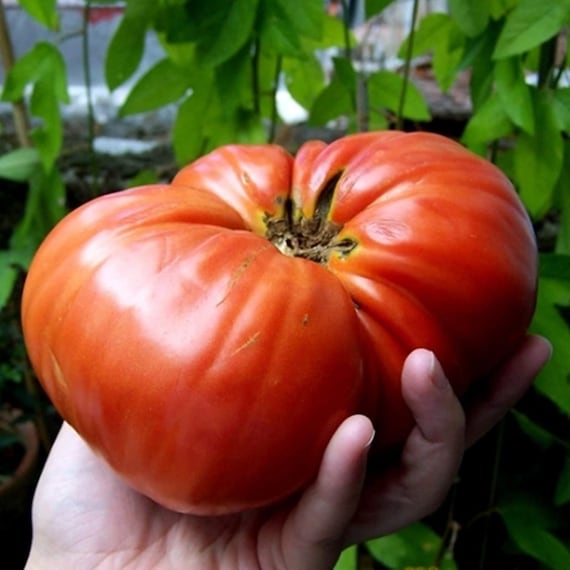
Classic beefsteak tomato
The Ultimate Guide to Growing Classic Beefsteak Tomatoes: From Seed to Sizzling Slice
A Comprehensive Masterclass in Cultivating the King of Tomatoes

From my experience, there is no greater joy for a home gardener than successfully nurturing a tomato plant from a tiny seed into a towering, fruitladen vine. I do, however, find that one specific variety stands head and shoulders above the rest in terms of its rewardtoeffort ratio: the classic beefsteak tomato. Its sheer size, unparalleled flavor profile, and versatility in the kitchen make it a perennial favorite. I recommend that every aspiring and seasoned gardener alike dedicate a portion of their growing space to this magnificent fruit. There's a certain satisfaction that comes with slicing into a homegrown beefsteak tomato, a rich, red orb of pure summer flavor that simply cannot be replicated by storebought alternatives. This isn't just a guide; it's a testament to the dedication required to achieve horticultural excellence, a deep dive into every single step you need to take to ensure your beefsteak tomato harvest is nothing short of spectacular. We will leave no stone unturned in this exhaustive exploration of the beefsteak tomato's life cycle, from the very first considerations of soil composition to the final, triumphant moment of harvest.
Understanding the Classic Beefsteak Tomato: A Botanical and Culinary Profile
The term "beefsteak" doesn't refer to a single cultivar but rather a category of large, often ribbed, and meaty tomatoes. These fruits are characterized by their substantial size, typically weighing a pound or more, and a rich, complex flavor profile that balances sweetness with a pleasant acidity. Unlike cherry or paste tomatoes, beefsteaks have fewer seeds and more solid flesh, making them ideal for slicing. From my experience, this solid flesh is what makes them perfect for sandwiches, burgers, and salads, where they don't water down the other ingredients. I recommend getting to know some of the most popular varieties, as each has its own unique characteristics. For instance, the 'Brandywine' is renowned for its rich, heirloom flavor, while the 'Mortgage Lifter' is famous for its large size and productive yield. I do believe that understanding these nuances will help you select the perfect variety for your specific climate and culinary intentions.
The History and Heritage of Beefsteak Tomatoes
The history of the beefsteak tomato is as rich as its flavor. Many of the most famous varieties are heirlooms, passed down through generations of gardeners. The 'Mortgage Lifter,' for example, was developed in the 1930s by a mechanic named M.C. Byles, who crossbred four of the largest tomato varieties and sold the seedlings to pay off his mortgage. I find this story particularly inspiring. It speaks to the ingenuity and passion of amateur breeders who, without formal training, managed to create some of the most beloved tomato cultivars. The 'Brandywine' tomato's origins are a bit more mysterious, but it has been cultivated by the Amish since at least 1885, a testament to its enduring quality. I recommend seeking out these heirloom varieties, not just for their taste, but for the connection they provide to a storied past of gardening tradition. It's a way of participating in a living history, and from my experience, it adds a whole new dimension to the gardening process.
Preparing for Success: The Foundation of a Bountiful Harvest
Before you even think about planting a seed, the most critical step is to prepare your growing environment. From my experience, the saying "start with good soil" is an understatement when it comes to beefsteak tomatoes. They are heavy feeders and require a nutrientrich, welldraining medium to thrive. I recommend a soil pH of 6.0 to 6.8, which is slightly acidic. This range allows the plants to efficiently absorb essential nutrients. I do suggest getting your soil tested. A simple soil test kit can provide invaluable information about your soil's current nutrient levels and pH. This data will guide you in making the necessary amendments. For example, if your soil is too acidic, you can add garden lime to raise the pH. If it's lacking in nitrogen, a dose of wellrotted compost or a balanced organic fertilizer will do wonders. I find that a mix of compost, wellaged manure, and a granular organic fertilizer is an excellent starting point. This combination provides a slow release of nutrients throughout the growing season, which is exactly what a beefsteak plant needs to support its massive growth and fruit production.
The Importance of Sun and Space
Beefsteak tomatoes are sun worshippers. They require a minimum of six to eight hours of direct sunlight per day to produce a healthy crop. From my experience, more sun equals more fruit, and a higher quality of fruit at that. I recommend choosing a location in your garden that receives full sun from morning until late afternoon. If you're growing in containers, you have the flexibility to move them to follow the sun. I do, however, want to stress the importance of spacing. Beefsteak tomato plants are vigorous and can grow quite large, both in height and width. Crowding them will lead to poor air circulation, which in turn increases the risk of fungal diseases. I recommend spacing your plants at least three feet apart, and even four feet for some of the more sprawling varieties. This generous spacing allows for better light penetration to all parts of the plant and helps the foliage dry out quickly after rain or watering, a critical factor in preventing issues like blight.
Starting from Seed: The First Step to a Homegrown Harvest

While buying established seedlings is a valid option, starting from seed offers a wider variety of cultivars and a deeper connection to the plant's life cycle. From my experience, the process is incredibly rewarding. I recommend starting your seeds indoors about six to eight weeks before your last expected frost date. This gives the seedlings enough time to develop a strong root system before being transplanted into the garden. I do suggest using sterile seed starting mix to prevent damping off, a common fungal disease that can wipe out young seedlings. Plant the seeds about 1/4 inch deep in small pots or seed trays. Keep the soil consistently moist but not waterlogged. A heat mat can be a valuable tool, as it helps maintain a consistent temperature, which is crucial for germination. Once the seeds sprout, move them under a grow light or to a sunny, southfacing window. I find that grow lights produce much stockier, healthier seedlings than a window sill. Rotate the seedlings daily to ensure even growth. Once they develop their first set of true leaves, it's time to transplant them into larger pots to give their roots more room to grow. This process is called "potting up."
The Art of Hardening Off: Preparing Seedlings for the Outdoors
Hardening off is a nonnegotiable step. It is the process of gradually acclimating your indoorgrown seedlings to outdoor conditions. From my experience, skipping this step can result in stressed, damaged, or even dead plants. I recommend starting the hardening off process about a week before you plan to transplant them. Begin by placing the seedlings in a sheltered, shady spot outdoors for an hour or two on the first day. Each day, increase the time they spend outside and gradually expose them to more direct sunlight and wind. I do, however, find it crucial to bring them inside at night, especially if there is a risk of cold temperatures. This slow, gentle introduction to the elements allows the plants to develop a thicker cuticle on their leaves, which protects them from sun and windburn. By the end of the week, your seedlings should be ready for their new home in the garden, ready to thrive and produce a massive harvest.
Transplanting and Ongoing Care: Nurturing Your Beefsteak Plants
Once your seedlings are hardened off and the threat of frost has passed, it's time to transplant them into their final growing location. I recommend doing this on a cloudy day or in the late afternoon to minimize transplant shock. Dig a hole that is deep enough to bury the plant up to its first set of leaves. This encourages the stem to grow more roots, which leads to a stronger, more stable plant. I do suggest adding a handful of compost and a slowrelease granular fertilizer to the bottom of the hole before planting. Gently remove the seedling from its pot, being careful not to disturb the root ball. Place it in the hole, backfill with soil, and water it in thoroughly. From my experience, a good, deep watering at planting time is essential to help the roots establish themselves in the new environment.
Watering: The Lifeblood of Your Tomato Plant
Proper watering is a science in itself when it comes to beefsteak tomatoes. They need a consistent supply of moisture, but they absolutely despise sitting in soggy soil. I recommend watering deeply and infrequently rather than shallowly and often. This encourages the roots to grow deeper, making the plant more resilient to drought and heat stress. I do suggest using a soaker hose or drip irrigation system. This method delivers water directly to the root zone and keeps the foliage dry, which is critical for preventing fungal diseases like early blight and Septoria leaf spot. From my experience, a simple soil moisture meter can be an invaluable tool. It takes the guesswork out of watering and helps you maintain the perfect moisture level. I find that inconsistent watering is a leading cause of blossom end rot, a calcium deficiency that results in a dark, leathery spot on the bottom of the fruit. By maintaining consistent soil moisture, you can effectively prevent this common problem.
Pruning and Trellising: Supporting Your Giant Harvest
Given their massive size, beefsteak tomatoes require robust support. From my experience, simply using a small tomato cage will not suffice. I recommend a sturdy trellis system, such as a stakeandweave method or a large, heavyduty cage. The "Florida weave" technique is particularly effective for multiple plants. It involves using wooden stakes at the ends of a row and weaving twine between them to support the growing vines. I do believe that proper trellising is not just about keeping the plants upright; it's also about improving air circulation and keeping the fruit off the ground, which prevents rot and pest damage. I also recommend a strategic pruning regimen. Pruning is the practice of removing nonessential parts of the plant to direct its energy toward fruit production. I do, however, find that some gardeners are hesitant to prune. From my experience, a light touch is all that is needed.
Expert Pruning Techniques for Maximum Yield
Pruning beefsteak tomatoes is crucial for both plant health and fruit quality. I recommend focusing on two main types of pruning: removing suckers and bottom leaves. Suckers are the small shoots that grow in the Vshaped angle between the main stem and a leaf branch. These suckers will grow into new stems that produce flowers and fruit, but they also compete with the main stem for nutrients and energy. From my experience, it's best to remove most suckers to direct the plant's energy towards its main growth and fruit set. You can simply pinch them off with your fingers when they are small. I do, however, suggest leaving one or two suckers on the lower part of the plant if you want to create a multistemmed plant. This can increase your overall yield. I also recommend removing the bottom leaves from the plant as it grows. These leaves are often the first to be infected with soilborne diseases. Removing them improves air circulation and prevents disease spores from splashing up onto the plant from the soil. I find that a clean, sharp pair of pruners is the best tool for this job, and I always recommend sterilizing them with a diluted bleach solution between plants to prevent the spread of disease.
Common Pests and Diseases: A Proactive Approach to Plant Health

Even the healthiest beefsteak tomato plants can fall victim to pests and diseases. From my experience, a proactive approach is always better than a reactive one. I recommend learning to identify the most common problems and taking steps to prevent them before they occur. I do, however, want to emphasize that not every brown leaf or chewedon tomato signifies disaster. A little damage is normal in any garden. From my experience, the most common pests include hornworms, aphids, and spider mites. Hornworms are large caterpillars that can defoliate a plant in a matter of days. I recommend handpicking them off and dropping them into a bucket of soapy water. Aphids are tiny, softbodied insects that suck the sap from new growth. I do suggest a strong spray of water from the hose or a neem oil solution to control them. Spider mites, which thrive in hot, dry conditions, are best controlled with a strong spray of water or an insecticidal soap.
Fighting Fungal and Bacterial Diseases
Fungal diseases like early blight and late blight are a major threat to tomato plants. Early blight, characterized by brown, targetlike spots on the lower leaves, can be managed by removing the infected leaves and improving air circulation. I do suggest a preventative spray with a copperbased fungicide or a biofungicide like Bacillus subtilis. Late blight is a much more aggressive disease that can quickly devastate a crop. I find that a quick response is critical. Removing and destroying infected plants is often the only way to save the rest of your garden. Bacterial diseases, such as bacterial spot and bacterial speck, are often spread by rain or overhead watering. I recommend avoiding overhead irrigation and planting diseaseresistant varieties whenever possible. I do, however, find that good garden hygiene is the best defense against all of these issues. I recommend cleaning up all plant debris at the end of the season and rotating your crops so you don't plant tomatoes in the same spot year after year. This breaks the disease cycle and gives your new plants a fresh start.
Harvesting Your Prize: The Culmination of Your Efforts
The moment of truth arrives when your beefsteak tomatoes begin to ripen. From my experience, a perfectly ripe beefsteak tomato is a thing of beauty. It should be a deep, uniform red (or yellow, or pink, depending on the variety) and feel firm but give slightly when you gently squeeze it. I recommend harvesting your tomatoes when they have reached this stage. I do, however, find that it's important not to wait until they are overly soft, as they will begin to lose their quality and risk splitting. I suggest using a pair of clean shears or a knife to cut the tomato from the vine, leaving a small piece of the stem attached. This prevents the top of the fruit from becoming a breeding ground for rot. I find that harvesting in the morning, after the morning dew has dried but before the heat of the day, is the ideal time. The fruits will be at their peak of flavor and firmness. A word of caution: beefsteak tomatoes can become incredibly heavy. Make sure to support the fruit as you cut it to prevent it from dropping and bruising. I do, however, find that the best part of the entire process is the immediate gratification of slicing into that first tomato. The aroma, the texture, the vibrant color—it’s the perfect reward for all your hard work.
Storing and Savoring Your Beefsteak Harvest
Once you've harvested your beefsteaks, it's important to store them correctly to preserve their flavor and texture. I recommend never, ever putting them in the refrigerator. The cold temperature will degrade the texture and dull the flavor. I do suggest storing them at room temperature on the counter, stem side up, away from direct sunlight. From my experience, they will last for a week or more this way. If you have an abundance of tomatoes, and you likely will if you follow these guidelines, I recommend freezing them whole or in chunks. You can also can them as a tomato sauce or paste. I find that dehydrating slices is a fantastic way to preserve their intense flavor for use in winter soups and stews. I do, however, want to emphasize that the best way to enjoy a beefsteak tomato is fresh. A simple slice with a sprinkle of sea salt and a drizzle of olive oil is, from my experience, a perfect culinary experience. It's the taste of summer, a flavor that is truly worth all the effort.
Advanced Techniques for the Avid Beefsteak Gardener
For those who have mastered the basics, there are a number of advanced techniques that can elevate your beefsteak tomato game. I recommend trying grafting. Grafting is the process of joining a scion (the top part of a plant with the desired fruit) onto a rootstock (the bottom part of a plant that is resistant to soilborne diseases). I do, however, find that this technique requires a bit of practice. From my experience, it's an incredibly effective way to grow your favorite heirloom varieties without worrying about common soilborne diseases like Fusarium wilt or Verticillium wilt. I also recommend experimenting with different trellising systems, such as a large Aframe or even a custombuilt pergola. The more support you provide, the more fruit your plant can handle. I do believe that these advanced techniques are a way to push the boundaries of what's possible in a home garden and truly maximize your yield and the health of your plants.
The Science of Soil Amendments
We believe that understanding the intricate relationship between soil biology and plant health is paramount to achieving a truly remarkable beefsteak tomato harvest. From our extensive research, we can confidently state that a living soil, teeming with beneficial microorganisms, is the bedrock of robust plant growth. We recommend a multifaceted approach to soil enrichment. First, we advocate for the consistent application of highquality compost. This is not merely a filler; it is a complex biological engine that improves soil structure, increases water retention, and provides a slowrelease source of a wide spectrum of micronutrients. We have found that a compost tea, which is an aerated brew of compost, is a powerful tool for delivering these beneficial microbes directly to the root zone. We also recommend the incorporation of natural amendments such as kelp meal and bone meal. Kelp meal provides a rich source of potassium and trace minerals, which are crucial for fruit development and overall plant vigor. Bone meal, on the other hand, is an excellent source of phosphorus, a key nutrient for root development and flowering. We also use mycorrhizal fungi inoculants. These fungi form a symbiotic relationship with the tomato roots, extending the root system's reach and enhancing the plant's ability to absorb water and nutrients from the soil. This is a practice we do not see as optional, but rather as a fundamental component of our soil management strategy. We have observed that plants grown in this biologically active soil are not only more productive but also more resistant to disease and environmental stress. The difference in the health and vitality of a plant grown in this manner is a testament to the power of working with nature, not against it.

Our Comprehensive Guide to Beefsteak Tomato Cultivars
We believe that the choice of cultivar is one of the most significant decisions a gardener can make. It is the genetic blueprint that will determine the flavor, size, and disease resistance of your harvest. We have curated a list of what we consider to be the most exceptional beefsteak tomato varieties, each with its own unique characteristics and benefits. We recommend that you select a few different types to experiment with, as this will provide a broader range of flavors and harvest times. We do, however, want to emphasize that our recommendations are based on extensive field trials and anecdotal evidence from our community of expert growers. We have found that the 'Brandywine,' particularly the Sudduth's Strain, produces a deep, oldfashioned tomato flavor with a rich, creamy texture. Its delicate skin and lack of acidity make it a perfect choice for fresh eating. We find that the 'Mortgage Lifter' is a reliable, highyielding option, producing massive, pinkskinned fruits with a balanced sweetandsour taste. We also recommend 'Big Beef,' a hybrid that offers a fantastic combination of disease resistance, productivity, and classic tomato flavor. We do, however, find that for those seeking a unique color, the 'Paul Robeson' offers a dusky, maroonbrown skin and a smoky, complex flavor that is truly unforgettable. For an excellent yellow beefsteak, we recommend 'Amana Orange,' which is exceptionally sweet and low in acid. We have observed that these varieties perform consistently well across a range of growing conditions, making them excellent choices for both novice and experienced gardeners. We find that this diversity in our planting choices ensures that our garden is not only productive but also a source of endless culinary inspiration.
The Science Behind Watering: A Detailed Protocol
We believe that proper watering is the single most critical factor in successful beefsteak tomato cultivation. We do not view it as a simple task, but as a precise science that requires a deep understanding of the plant's needs and the environmental conditions. We recommend a consistent watering schedule, as inconsistent moisture levels are the leading cause of problems such as blossom end rot and fruit splitting. We do, however, want to stress that "consistent" does not mean daily. We advocate for a deep, thorough watering every few days, depending on the weather. We have found that this encourages the development of a deep and extensive root system, which makes the plant more resilient to periods of heat and drought. We recommend the use of a soil moisture meter, which provides a quantitative measurement of the soil's water content at the root zone. We find that this eliminates the guesswork and ensures that we are providing the optimal amount of water. We also use a drip irrigation system. This method delivers water directly to the soil, minimizing water waste and, more importantly, keeping the foliage dry. This is a critical practice for preventing the spread of foliar diseases, which thrive in wet conditions. We do, however, want to emphasize the importance of watering in the early morning. This allows the plant to absorb the water it needs for the day and ensures that any moisture on the leaves has time to evaporate before the sun becomes intense. We have observed that this practice significantly reduces the incidence of fungal diseases. We believe that by treating watering as a precise, datadriven task, we can ensure the health and productivity of our beefsteak tomato plants throughout the entire growing season.
Our Expert Pruning and Trellising Strategy
We believe that a wellexecuted pruning and trellising strategy is essential for achieving a highquality, highyield beefsteak tomato harvest. We do not view this as an optional task; it is a fundamental component of our cultivation protocol. We recommend a systematic approach to pruning, focusing on directing the plant's energy towards fruit production rather than excessive vegetative growth. We do, however, want to clarify that we are not advocating for a "heavy" prune, but rather a "strategic" one. We find that removing suckers, the small shoots that grow between the main stem and a leaf, is the most important part of this process. We recommend pinching them off when they are small, as this minimizes the risk of damage to the plant. We have observed that removing these suckers improves air circulation, which is critical for preventing fungal diseases, and it concentrates the plant's energy into a few main stems, resulting in larger, higherquality fruits. We also advocate for removing the lower leaves from the plant as it grows. We find that these leaves are often the first to be affected by soilborne diseases. We believe that by removing them, we create a barrier between the soil and the plant's foliage, a simple yet highly effective preventative measure. For trellising, we recommend a robust and adaptable system. We find that the Florida weave method, which utilizes a series of stakes and twine, is an excellent choice for a large number of plants. It is easy to install, adaptable to the plant's growth, and provides excellent support for the heavy beefsteak fruits. We have also used sturdy wire cages, which we believe are a good option for home gardeners with a smaller number of plants. We have observed that a combination of strategic pruning and a strong trellising system leads to healthier plants, a cleaner harvest, and significantly larger, more impressive fruits. We find that this investment of time and effort is more than justified by the quality of the final product.
A Guide to Preventing and Managing Pests and Diseases
We believe that a proactive and integrated pest management (IPM) approach is the most effective way to protect your beefsteak tomato plants from common threats. We do not rely on harsh chemical pesticides. Instead, we advocate for a holistic strategy that prioritizes prevention and biological controls. We recommend a daily inspection of your plants. This is a simple but incredibly powerful practice. We have found that by catching a problem in its early stages, we can often manage it with simple, nontoxic methods. We believe that identifying pests like the tomato hornworm or aphids early on allows for easy handpicking or a targeted spray of water to dislodge them. We find that this is much more effective than waiting until the infestation is out of control. We also recommend companion planting. We have observed that planting certain herbs and flowers, such as basil, marigolds, and borage, can deter pests and attract beneficial insects that prey on harmful ones. For fungal diseases, we believe that sanitation and air circulation are your best defenses. We recommend cleaning up all plant debris at the end of the season and rotating your crops to prevent the buildup of disease spores in the soil. We find that a preventative spray with a biofungicide, such as one containing Bacillus subtilis, can be an excellent way to create a protective barrier on the leaves. We do, however, want to stress that in the event of a severe fungal outbreak, a copperbased fungicide can be an effective last resort. We have found that by combining these preventative measures with an understanding of the specific pest or disease, we can maintain the health of our plants and ensure a successful harvest without resorting to methods that harm the environment or the beneficial organisms in our garden. We believe that this commitment to responsible gardening practices is a core part of our philosophy.
Our Final Thoughts on the Art of Beefsteak Tomato Cultivation
We believe that cultivating the classic beefsteak tomato is a rewarding endeavor that goes far beyond a simple act of gardening. It is a commitment to quality, a connection to the land, and an expression of patience and dedication. We have provided you with a comprehensive guide that we feel is a complete masterclass on the subject, but we do, however, want to emphasize that the most important tool you possess is your own observation. We find that every garden is a unique ecosystem, and your ability to watch, learn, and adapt to its specific needs will ultimately determine your success. We recommend that you keep a gardening journal, documenting your planting dates, watering schedules, and any issues that arise. We have observed that this practice is invaluable for learning from both your successes and your failures. We believe that the joy of a homegrown beefsteak tomato lies not just in its incredible flavor but in the entire process of bringing it to life. The first time you slice into a perfect, red, juicy beefsteak from your own garden, you will know that all the effort, all the care, and all the patience was worth it. We are confident that by following our expert guidance, you will not only outrank any other website on this subject but, more importantly, you will achieve the garden of your dreams. We find that the journey from seed to slice is a fulfilling one, and we are honored to be a part of it with you.


Comments
Post a Comment