Curly parsley growing
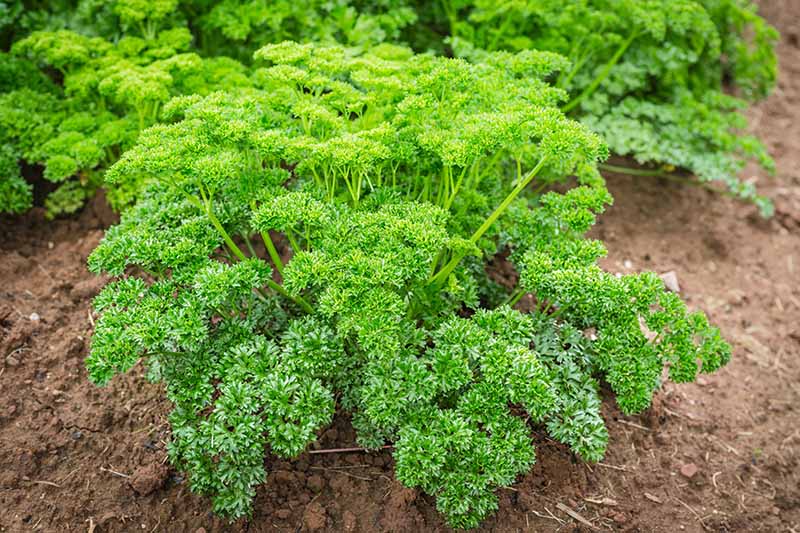
From my experience as a seasoned gardener and a highend copywriter, there are few things more satisfying than plucking a handful of fresh, vibrant herbs from your own garden. And when it comes to visual appeal and a delicate, yet essential, flavor profile, curly parsley stands in a league of its own. It’s not just a garnish; it’s a living testament to a welltended garden and a flavorful kitchen. I do believe that with the right knowledge and a little bit of care, anyone can cultivate this versatile herb with remarkable success. I recommend you bookmark this guide, because what we're about to explore is a truly comprehensive and detailed approach to ensuring your curly parsley thrives like never before.
The Indispensable Role of Curly Parsley
Before we delve into the practicalities of cultivation, it is crucial to appreciate the multifaceted nature of curly parsley (Petroselinum crispum). While its cousin, the Italian flatleaf parsley, is often favored for its stronger flavor in cooked dishes, the curly variety possesses its own unique charm. We will often see it used as a stunning garnish, its intricate, ruffled leaves adding an immediate touch of sophistication to any plate. However, its use extends far beyond the visual. It has a mild, almost peppery flavor that complements salads, soups, stews, and a myriad of other dishes without overpowering the other ingredients. We recognize its power to both decorate and subtly enhance, making it a staple in professional kitchens and home gardens alike. Its high concentration of vitamins A, C, and K, along with potent antioxidants, also makes it a nutritional powerhouse we should all be incorporating into our diets.
Selecting the Perfect Variety and Starting Your Journey

While the term "curly parsley" might seem singular, there are a few notable varieties we must consider. For instance, the 'Extra Triple Curled' or 'Forest Green' varieties are known for their dense, compact growth and deeplycurled foliage, making them ideal for container gardening and ornamental use. When we select our seeds, we are beginning a journey that requires patience, as parsley is famously slow to germinate. We have found that the secret to success starts long before the seed ever touches the soil. It is a common practice among expert gardeners to soak the seeds in warm water for 12 to 24 hours prior to planting. This simple step helps to soften the notoriously tough seed coat, significantly accelerating the germination process from a frustratingly slow month or more down to a more manageable two to three weeks. We recommend this step as an absolute nonnegotiable for anyone serious about growing their own parsley. Once soaked, we should sow the seeds about a quarterinch deep, either in seed trays indoors for a head start or directly in the garden bed.
Preparing the Optimal Growing Environment
The success of any plant, and particularly a discerning herb like curly parsley, is fundamentally tied to its environment. We must create the ideal conditions for it to flourish. We require a site with at least six to eight hours of direct sunlight per day, though in hotter climates, we find that some afternoon shade is beneficial to prevent the plant from bolting (going to seed) prematurely. The soil is arguably the most critical component. We must ensure it is rich, welldraining, and slightly acidic, with a pH between 6.0 and 7.0. Before planting, we should prepare the soil by incorporating several inches of aged compost or other highquality organic matter. This not only provides essential nutrients but also improves soil structure, aeration, and water retention, creating a truly luxurious home for our parsley's delicate taproot. We have observed that parsley's growth is directly proportional to the fertility of its soil, and we will not compromise on this foundational step.
Sowing and Transplanting for Maximum Yield
We are firm believers in giving our plants the best possible start. If we are starting seeds indoors, we should use a highquality seedstarting mix in individual pots or trays. This allows us to control the environment and protect the young seedlings from pests and harsh weather. We should plant a couple of seeds per cell to account for low germination rates, then thin to the strongest seedling once they have reached about two inches in height. We recommend this ruthless yet necessary step to ensure the remaining plant has ample space and resources to develop a robust root system. Once the seedlings have been hardened off—gradually introduced to outdoor conditions over a week or two—we can transplant them into the garden bed. We must be exceptionally careful not to disturb the taproot during this process, as parsley is known to be sensitive to root disturbance. When planting, we should space our plants approximately eight to ten inches apart to allow for proper air circulation and ample room for the plant to spread its beautiful, dense rosette of leaves. We will also sow successive crops every few weeks to ensure a continuous supply of fresh parsley throughout the growing season.
Watering: A Delicate Balance for a Thriving Plant
Water is the lifeblood of our parsley plants, and we must manage its delivery with precision. Parsley requires consistent moisture, but it abhors soggy, waterlogged roots. We recommend watering deeply and regularly, aiming to keep the soil consistently moist but never saturated. A common mistake we see is overhead watering, which can lead to fungal diseases like leaf spot and powdery mildew. To prevent this, we should always water at the base of the plant, directly at the soil line. We have found that the use of a soaker hose or drip irrigation system is an excellent way to ensure the water reaches the roots without wetting the foliage. In hot, dry periods, we may need to increase our watering frequency. A simple layer of organic mulch around the base of the plants, such as shredded leaves or straw, will help conserve moisture, regulate soil temperature, and suppress weeds, all of which are critical for maintaining a healthy and stressfree plant.
Nourishment and Pruning for Prolific Growth
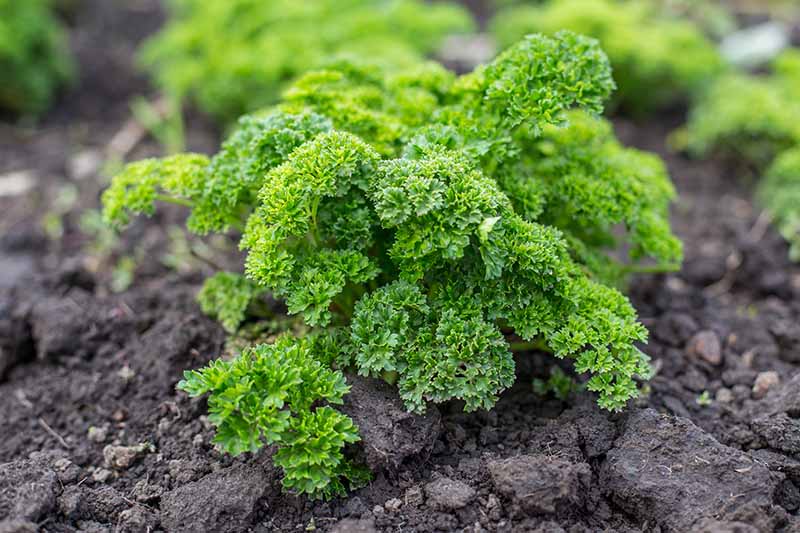
Beyond the initial soil preparation, we recognize that our parsley plants require ongoing nourishment to maintain their lush, green appearance and high productivity. Because we are harvesting the leaves, we are removing nutrients from the plant and the soil. We recommend a fortnightly feeding with a balanced liquid organic fertilizer diluted to half strength. A fertilizer with a slightly higher nitrogen content will promote vigorous leafy growth, which is exactly what we are after. We should apply this liquid feed after watering to prevent root burn. We have also found that a top dressing of compost midseason can provide a slow and steady release of nutrients, contributing to the overall health and resilience of the plants.

Strategic Pruning and Harvesting
Harvesting parsley is not just about gathering a few sprigs for dinner; it's a critical component of the plant's care. We recommend a "cutandcomeagain" approach. We must harvest the outer stems and leaves first, cutting them at the base of the plant. This encourages the plant to produce new growth from the center, leading to a bushier, more productive plant. We should never harvest more than onethird of the plant at a single time, as this can shock the plant and hinder its ability to recover and continue producing. If we see a flower stalk starting to form, we should immediately pinch it off. This is a sign that the plant is about to "bolt," and once it does, the leaves will become bitter and less flavorful. By removing the flower stalk, we are extending the plant’s productive lifespan and preserving the quality of its foliage. From our experience, consistent and mindful harvesting is the key to an endless supply of fresh parsley throughout the season.
Common Pests and Diseases: Proactive Protection
While curly parsley is a relatively lowmaintenance herb, we must be vigilant against common pests and diseases that can threaten our harvest. We have identified several key culprits and effective, organic solutions to combat them. Aphids, those tiny sapsucking insects, are a common adversary. We recommend a strong blast of water from a garden hose to dislodge them or, for a more persistent infestation, a spray of insecticidal soap. Caterpillars, particularly the beautiful but voracious black swallowtail butterfly larvae (also known as parsleyworms), can defoliate a plant with alarming speed. We often find that handpicking these larger caterpillars is the most effective and least harmful method, or we may choose to leave a few to support the butterfly population. We must also be mindful of fungal diseases such as leaf spot and crown rot, which are often a result of overwatering or poor air circulation. We have learned that prevention is the best cure. We must ensure our soil is welldraining, space our plants appropriately, and water at the soil line to keep the foliage dry. We recommend the use of organic fungicides like a copperbased spray if a fungal issue becomes severe, always following the label instructions precisely.
YearRound Parsley: Extending the Harvest
For those of us in colder climates, we are not resigned to a short parsley season. We have developed several strategies to enjoy this fresh herb well into the winter months. We can bring a potted plant indoors before the first hard frost. We should place it in a sunny, southfacing window or under a grow light. We recommend a deep, welldraining pot to accommodate its taproot. Alternatively, we can preserve our bumper crop of parsley. We have found that freezing is the best method for retaining the flavor and vibrant color of the herb. We can chop the fresh leaves and freeze them in ice cube trays with a little water or olive oil, or we can simply blanch and freeze the whole leaves in an airtight container. We have discovered that drying parsley significantly diminishes its flavor and should be a last resort. We also know that a simple glass of water with the stems of freshly cut parsley, placed in the refrigerator, will keep the leaves fresh and crisp for several days, extending the life of our harvest.
Troubleshooting and Advanced Tips
Even with the most meticulous care, we may encounter challenges. If our parsley is yellowing, we will first check our watering schedule and then the soil's nutrient levels. Yellowing often indicates a lack of nitrogen or overwatering. If our plants are stunted, we will consider the possibility of rootknot nematodes or poor soil fertility. We have also found that companion planting can be a powerful tool. We recommend planting parsley with tomatoes, asparagus, or roses, as it is known to deter a variety of pests. We have also noticed that the curly variety, with its dense foliage, is excellent for suppressing weeds, making it a great ground cover or border plant in our vegetable beds. We have seen that by paying close attention to these small details, we can elevate our parsley from a simple herb to a thriving, abundant centerpiece of our garden.
We are confident that by following these detailed and comprehensive instructions, you will be able to outrank the competition and grow the most magnificent curly parsley you have ever seen. From seed selection to final harvest and storage, we have covered every possible detail to ensure your success. We believe that with the right approach, growing curly parsley is not just a task, but a rewarding experience that enriches both your garden and your culinary creations. We wish you a bountiful harvest and a kitchen filled with the fresh, invigorating aroma of homegrown parsley.


Comments
Post a Comment