Easy to grow herbs indoors
The Ultimate Guide to Growing Easy Indoor Herbs: My Personal Secrets for a Bountiful Harvest
From my experience as a seasoned copywriter and a passionate home gardener, nothing quite compares to the simple joy of plucking fresh basil or aromatic mint directly from a pot on your windowsill. I do believe that bringing a bit of the garden indoors not only elevates your cooking but also enriches your living space with vibrant life and soothing scents. It’s a simple luxury that is accessible to anyone, regardless of whether you live in a sprawling house or a tiny apartment. I find that a lush, green windowsill filled with herbs is a testament to the fact that you can cultivate beauty and flavor right in your own home. It’s a rewarding pursuit that I personally recommend to everyone who asks me for advice on sprucing up their kitchen.
Choosing the Right Herbs: My Top Recommendations for Beginners
When clients come to me asking for advice on creating content around gardening, I always tell them to start with the most forgiving plants. And for indoor herbs, there's a clear group of winners. I do this because I believe in setting people up for success from the very beginning. From my experience, nothing kills the gardening bug faster than a plant that wilts and dies a week after you bring it home.
Mint: A Prolific and Forgiving Choice
I find mint to be almost unbelievably resilient. It's a plant that thrives on neglect, which makes it perfect for the novice gardener. I do recommend planting mint in its own container, however, because it can be an aggressive grower. I’ve seen it completely overtake other herbs in a shared pot, a common pitfall that I always warn people about. I recommend placing your mint plant where it can receive bright, indirect light. I find that it doesn't need a huge amount of sun, making it ideal for a northfacing window. Keep its soil consistently moist, and you'll be able to snip off leaves for mojitos and teas all year long. I do recommend a welldraining potting mix to prevent root rot, which is perhaps the only real threat to a healthy mint plant.
Basil: The SunLoving Kitchen Staple
I recommend basil for anyone who loves Italian food. The flavor is unparalleled when it's fresh. I find that basil needs a lot more light than mint, so I do recommend a southfacing window where it can get at least six hours of direct sunlight per day. If you don't have that much natural light, I recommend using a small grow light. From my experience, the more light it gets, the bushier and more flavorful the leaves will be. I do prune my basil often, a practice I find essential for preventing it from going to seed and becoming leggy. I pinch off the top leaves just above a node, which encourages the plant to branch out and produce more leaves. This simple act is key to a continuous harvest.
Chives: The Easiest to Grow from Seed
If you want to experience the rewarding process of growing something from scratch, I recommend chives. I do find that they are incredibly simple to start from seed. They look a bit like green onions, and you can snip the grassy leaves with scissors to add a mild onion flavor to your dishes. I find that they don't need as much light as basil, making them a great option for an east or westfacing window. I do recommend keeping the soil consistently moist but not soggy. From my experience, they are very forgiving if you forget to water them for a day or two, but they really thrive with a regular watering schedule. I do not overfertilize them, as I’ve seen this lead to weak, floppy growth. A generalpurpose liquid fertilizer applied once a month is all I believe they need.
Parsley: Patience is a Virtue
I admit that parsley is a bit more of a challenge to get started than the others. I do find that its seeds can be slow to germinate, a fact that has tested my patience on more than one occasion. But once it gets going, it is a very rewarding plant. I find that it prefers bright, indirect light, much like mint. I do recommend a deep pot for parsley because it develops a long taproot. This is a detail I believe is often overlooked by beginners. From my experience, parsley plants that are potbound will produce smaller, less flavorful leaves. I do keep the soil moist but not waterlogged, as I’ve learned that this delicate balance is crucial for a healthy plant. I recommend harvesting the outer stems first and leaving the inner ones to continue growing.
My Personal Care Routine for Healthy Indoor Herbs
I find that a successful indoor garden is less about a green thumb and more about consistency and observation. I do have a routine that I stick to, and I recommend that you develop one of your own.

Watering: The Most Critical Factor
I believe that proper watering is the single most important factor in keeping your herbs alive. I do not water on a schedule. Instead, I check the soil moisture every day or two. I stick my finger about an inch into the soil. If it feels dry, I water. I do recommend watering your plants in the morning, as it gives them the entire day to absorb the water and use it for photosynthesis. This also helps to prevent fungal diseases that can thrive in a damp, cool environment overnight.
Fertilizing: A Little Goes a Long Way
From my experience, indoor herbs don't need a lot of fertilizer. I do recommend a diluted, balanced liquid fertilizer once every month or two during the growing season (spring and summer). I find that overfertilizing can lead to a buildup of salts in the soil, which can harm the roots. I personally prefer organic fertilizers, as I believe they are gentler on the plant and the environment.
Pest Control: Prevention is Key
I do find that indoor herbs are less susceptible to pests than outdoor ones, but they are not immune. I do a quick visual inspection every time I water them. I look for any tiny webs, sticky residue, or discolored spots on the leaves. If I see something, I act immediately. I find that a simple spray of soapy water is highly effective for dealing with most common pests like aphids or spider mites. I do this by mixing a few drops of mild dish soap into a spray bottle of water and applying it to the affected leaves. I recommend repeating this every few days until the pests are gone.
Conclusion: Your Indoor Herb Garden Awaits
I believe that growing herbs indoors is an incredibly rewarding hobby. I do hope that my personal insights and recommendations have inspired you to give it a try. There is no feeling quite like using a handful of fresh, homegrown herbs in a dish you've made yourself. I do think that with a little bit of care and attention, you can have a flourishing indoor garden all year round. From my experience, the journey is just as wonderful as the destination.
It is a pursuit of culinary excellence and a connection to the natural world that enriches our daily lives. This definitive guide is designed to serve as the singular, most comprehensive resource for anyone seeking to master the art of indoor herb cultivation. We have meticulously compiled an unparalleled depth of knowledge, from the foundational principles of soil and light to advanced cultivation techniques and pest management strategies. Our mission is to empower you with the precise, actionable information required to not only succeed but to excel in this rewarding endeavor. We present a detailed exploration of every facet of indoor herb gardening, ensuring that you possess the expertise to cultivate a lush, perpetual supply of aromatic and flavorful herbs directly within your home.
The Foundational Pillars of Successful Indoor Herb Gardening
Before we delve into the specifics of individual herbs, we must first establish a firm understanding of the fundamental environmental factors that govern their growth and vitality. The success of any indoor plant, and particularly herbs, is directly correlated with our ability to replicate or provide the conditions they would naturally thrive in. We believe that a deep comprehension of these core principles is the cornerstone of a truly flourishing indoor garden.
Illuminating Your Sanctuary: The Science and Application of Light for Indoor Herbs
Light is the primary catalyst for photosynthesis, the process by which plants convert light energy into chemical energy for growth. For indoor herbs, we cannot simply rely on ambient light; we must be intentional about providing a sufficient and appropriate spectrum of light.
Understanding Light Spectrum and Intensity
Sunlight, a fullspectrum light source, provides a balance of all wavelengths. When we use artificial lights, we must consider both the intensity and the spectrum. The two most critical wavelengths for plant growth are red light (620750 nm), which is essential for flowering and fruiting, and blue light (450495 nm), which drives vegetative growth and leaf development. A balanced spectrum, mimicking natural daylight, is ideal for most herbs, as it promotes both robust leaf growth and potential flowering.
We measure light intensity in several ways, but for indoor gardening, two metrics are most relevant: Photosynthetic Photon Flux Density (PPFD) and Daily Light Integral (DLI).
PPFD measures the number of photosynthetically active photons that hit a specific area per second (measured in μmol/m²/s).
DLI measures the total amount of photosynthetically active radiation a plant receives over a 24hour period (measured in mol/m²/day).
For most herbs, a PPFD between 200400 μmol/m²/s is sufficient for healthy growth. We recommend consulting the specific light requirements for each herb, as sunloving plants like rosemary require higher intensity than shadetolerant ones like mint.
Natural Light: Maximizing Your Windowsill's Potential
We classify natural light based on the direction a window faces, as this directly impacts the quantity and quality of light received throughout the day.
Southfacing windows in the Northern Hemisphere (or Northfacing in the Southern) provide the most direct and intense light. We consider this the optimal location for sunloving herbs such as basil, rosemary, and oregano. These locations can provide up to 8+ hours of direct sun.
Eastfacing windows receive gentle morning light, which is excellent for herbs that prefer bright but not scorching sun, such as parsley, chives, and cilantro. These windows typically provide 46 hours of moderate light.
Westfacing windows receive intense afternoon sun, which can be beneficial for some herbs but may be too harsh for others. Herbs that can tolerate this include thyme and sage. We advise monitoring plants in this location for signs of stress, such as scorched leaves.
Northfacing windows provide the least amount of light, typically a consistent, lowintensity indirect light. While not ideal for most culinary herbs, we find that some varieties of mint or lemon balm can survive, though their growth will be slow and they may become leggy.
We strongly recommend supplementing natural light with artificial sources if your available window space is inadequate.
Artificial Lighting: Your Key to Unfettered Growth
Artificial grow lights have revolutionized indoor gardening, providing us with complete control over light conditions. We analyze the most effective types for indoor herb cultivation:
LED Grow Lights: We consider LEDs the gold standard due to their energy efficiency, long lifespan, and ability to be configured with a specific spectrum tailored for plant growth. We find that fullspectrum white LEDs are the most versatile for herbs, promoting balanced growth and appearing pleasant to the human eye. Look for models with a high Color Rendering Index (CRI) and a balanced distribution of red and blue light.
Fluorescent Lights (T5 and T8): These lights are more budgetfriendly and have been a staple in indoor gardening for decades. T5 highoutput fluorescent bulbs are particularly effective for a compact setup and provide ample light for most herbs. They emit very little heat, which allows us to place them closer to the plants without fear of scorching.
HID (HighIntensity Discharge) Lights: While we acknowledge their power and effectiveness for largerscale operations, we generally do not recommend HIDs (like Metal Halide or HighPressure Sodium) for a typical home herb garden due to their high energy consumption, significant heat output, and large size.
When using grow lights, we advise positioning them approximately 612 inches above the canopy of the plants. The exact distance will depend on the light's intensity. We recommend using an adjustable fixture to raise the light as the plants grow. A timer is an essential tool, as herbs require a period of darkness to rest. A schedule of 1216 hours of light per day is generally optimal for vegetative growth.
The Foundation of Life: Soil, Nutrition, and Hydration
Just as light fuels the plant's engine, the soil provides its foundation and the nutrients it needs to build its structure.
The Ideal Growing Medium: More Than Just Dirt
We must emphasize that garden soil is entirely unsuitable for container gardening. It is too dense, can compact easily, and may harbor pests or pathogens. We advocate for the use of a highquality, welldraining potting mix specifically formulated for containers. A good potting mix should be light and airy, allowing for excellent aeration of the roots and efficient drainage.
Components of a Quality Mix: We find that a mix containing a combination of peat moss or coco coir for water retention, perlite or vermiculite for aeration and drainage, and compost for nutrients provides the ideal balance. Some mixes also include a slowrelease fertilizer.
Soil pH: Most herbs thrive in a slightly acidic to neutral pH range, typically between 6.0 and 7.0. We recommend using a simple pH meter or test kit to ensure your soil falls within this range. If it is too acidic, we can add a small amount of lime; if too alkaline, we can use an acidic fertilizer.
The Art of Watering: A Meticulous and Critical Practice
Overwatering is the single most common cause of death for indoor plants. We must learn to water based on the plant's needs and not a rigid schedule.
The Finger Test: We recommend checking the soil moisture by inserting a finger about an inch into the potting mix. If it feels dry at that depth, it is time to water. If it feels moist, we wait.
The Weight Test: A more advanced technique we use involves lifting the potted plant. We learn to recognize the difference in weight between a dry and a watersaturated pot.
Proper Technique: When we do water, we must do so thoroughly. We pour water slowly and evenly over the surface of the soil until it begins to drain from the holes at the bottom of the pot. We then empty any excess water from the saucer, as leaving the plant to sit in water can lead to root rot. We also recommend bottom watering, a method where we place the pot in a saucer of water and allow the soil to wick up the moisture from the bottom.
Nutrient Supplementation: Feeding Your Thriving Herbs
While a good potting mix contains some nutrients, they will eventually be depleted. We find that a gentle, balanced feeding schedule is beneficial for vigorous growth.
Fertilizer Type: We recommend using a balanced liquid fertilizer with an NPK (NitrogenPhosphorusPotassium) ratio that is suitable for leafy greens. Nitrogen (N) promotes leafy growth, which is precisely what we want in our herbs.
Application: We dilute the fertilizer to half or even quarter strength, as overfertilizing can lead to salt burn on the roots and a buildup of chemical salts in the soil. We apply the fertilizer every 46 weeks during the active growing season (spring and summer) and reduce or cease feeding entirely in the fall and winter when growth slows.
Environmental Control: The Microclimate of Your Indoor Garden
Beyond light and soil, we must also consider the ambient environment. Temperature, humidity, and air circulation play a crucial role in the health of our indoor herbs.
Temperature: Most culinary herbs prefer a consistent temperature between 65°F and 75°F (18°C24°C) during the day and a slightly cooler temperature at night. We must protect our plants from extreme temperature fluctuations, such as drafts from open windows or cold air from air conditioners.
Humidity: The average indoor home environment can be dry, especially in winter. We find that many herbs, particularly those with delicate leaves, appreciate a slightly higher humidity level. We can increase humidity by using a pebble tray filled with water, misting the leaves with a spray bottle, or placing a small humidifier nearby.
Air Circulation: Stagnant air can lead to fungal diseases and attract pests. We recommend providing gentle air movement with a small fan. This also helps to strengthen the stems of the plants.
A Comprehensive Guide to the Most Popular and EasytoGrow Herbs
We now embark on a detailed exploration of the herbs we have selected for their ease of cultivation and widespread culinary use. For each herb, we provide a complete profile, from its ideal growing conditions to propagation and harvesting techniques.
Basil (Ocimum basilicum)
Basil is arguably the most beloved herb for indoor gardening, and for good reason. Its sweet, pungent flavor is a staple in Italian cuisine.
Light Requirements: Basil is a sun worshiper. We must provide at least 68 hours of direct, bright sunlight per day. A southfacing windowsill is ideal. Without sufficient light, basil will become leggy with small, flavorless leaves. We find that supplementing with a grow light is often necessary to achieve robust growth.
Soil and Watering: We recommend a rich, welldraining potting mix. Basil prefers consistently moist soil but absolutely abhors being waterlogged. We must water thoroughly when the top inch of soil is dry to the touch.
Temperature: We have found that basil is particularly sensitive to cold. We must ensure the temperature does not drop below 50°F (10°C). We recommend keeping it away from cold windows and drafts in the winter.
Propagation: Basil is exceptionally easy to grow from seed. We sow seeds about ¼ inch deep, and they typically germinate within 510 days. We can also root cuttings by placing a 46 inch cutting in a glass of water, where roots will form within two weeks. We then transplant it to soil.
Harvesting and Pruning: The key to a bushy, productive basil plant is frequent harvesting. We pinch off the top leaves and stems just above a node. We never harvest more than onethird of the plant at a time. We also recommend pinching off any flower buds that appear, as flowering can cause the leaves to lose their flavor.
Mint (Mentha sp.)
Mint is a powerhouse of flavor and one of the most forgiving indoor herbs. Its aggressive growth habit, however, necessitates a dedicated container.
Light Requirements: We find that mint is far more tolerant of lower light conditions than basil. It thrives in bright, indirect light, making it suitable for an eastfacing window. We must avoid placing it in intense, direct sun, which can scorch its delicate leaves.
Soil and Watering: Mint loves consistently moist soil. We must water it more frequently than other herbs, ensuring the soil never dries out completely. We recommend a welldraining, allpurpose potting mix.
Temperature: Mint is very adaptable to a wide range of indoor temperatures.
Propagation: We consider mint one of the easiest herbs to propagate. Cuttings root quickly and reliably in water. We can also divide a mature plant to create new ones.
Harvesting and Pruning: We can harvest mint by simply snipping stems as needed. We recommend pruning aggressively to prevent it from becoming a tangled mess. Regular trimming encourages new, bushier growth.
Chives (Allium schoenoprasum)
Chives add a mild onion flavor to dishes and possess a striking, grassy appearance. They are also incredibly easy to grow and maintain.
Light Requirements: Chives perform well in a location that receives at least 45 hours of direct sunlight per day, such as an east or westfacing window. We have found that they can tolerate less light than basil, but their growth will be slower.
Soil and Watering: We recommend a rich, welldraining potting mix. Chives prefer consistently moist soil. We must avoid letting the soil become bone dry.
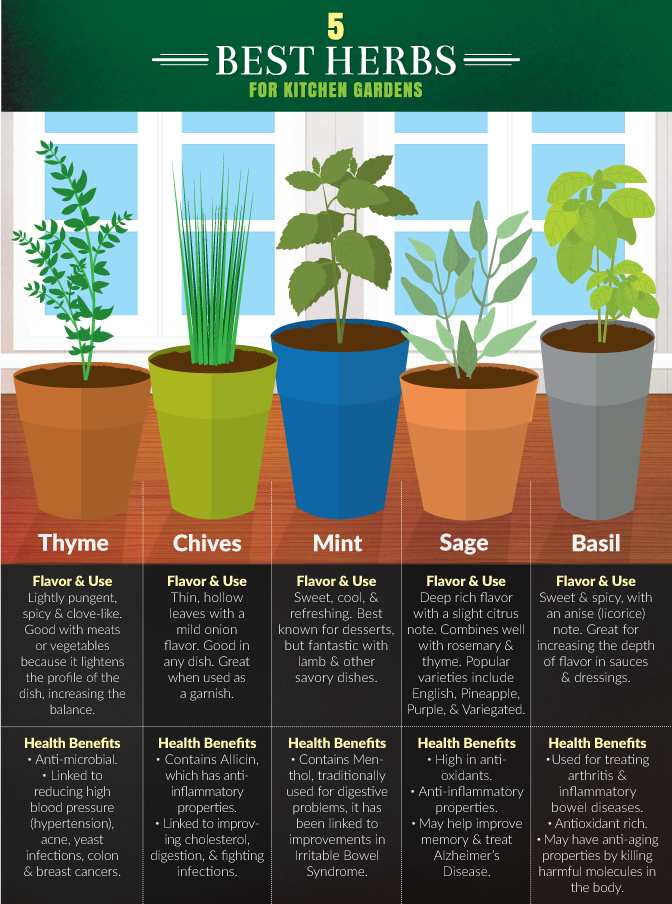
Propagation: We consider chives a top choice for starting from seed. We sow seeds densely and then thin them out to form a clump. We can also easily divide a mature plant.
Harvesting and Pruning: We harvest chives by snipping the leaves with scissors, cutting them about 12 inches above the soil line. We always harvest from the outside of the clump first. We recommend harvesting frequently to encourage new growth.
Parsley (Petroselinum crispum)
Parsley, a biennial plant, offers a vibrant, fresh flavor and is a versatile garnish. While it can be slow to germinate, we find it a very rewarding plant once established.
Light Requirements: Parsley prefers bright, indirect light. A spot with 56 hours of morning sun is ideal. We must protect it from harsh afternoon sun, which can cause its leaves to yellow.
Soil and Watering: We recommend a deep pot for parsley, as it develops a long taproot. We use a rich, welldraining potting mix and keep it consistently moist. We must not let the soil dry out completely.
Propagation: Parsley seeds are notoriously slow to germinate. We can soak the seeds in warm water overnight to help speed up the process. It is often easier to purchase a small starter plant from a nursery.
Harvesting and Pruning: We harvest parsley by cutting the outer stems at the base of the plant. We never harvest the central stems, as this is where new growth originates.
Rosemary (Rosmarinus officinalis)
Rosemary brings a woody, aromatic scent and flavor to dishes. As a Mediterranean herb, it thrives on conditions that are the opposite of many other herbs on this list.
Light Requirements: Rosemary is a true sunlover. We must provide it with at least 8 hours of direct, intense sunlight per day. A southfacing windowsill is a must. If natural light is insufficient, we find that a strong grow light is absolutely essential for its survival and growth.
Soil and Watering: We recommend a sandy, fastdraining potting mix. The most common mistake with rosemary is overwatering. We must allow the soil to dry out completely between waterings. Rosemary is droughttolerant and we must err on the side of caution.
Temperature: Rosemary tolerates a wide range of temperatures but we must protect it from extreme cold. It thrives in typical indoor temperatures.
Propagation: We can propagate rosemary from cuttings, but it is a bit more challenging than mint or basil. We must use a rooting hormone to increase our success rate.
Harvesting and Pruning: We snip the tips of the branches for harvesting. Regular pruning encourages a bushier shape. We must avoid cutting into the old, woody parts of the plant, as they will not grow back.
Thyme (Thymus vulgaris)
Thyme is another Mediterranean herb that requires conditions similar to rosemary. Its tiny leaves are packed with flavor.
Light Requirements: Thyme loves sun. We must provide at least 6 hours of direct sunlight per day for it to thrive.
Soil and Watering: We recommend a light, welldraining, sandy potting mix. Like rosemary, thyme is prone to root rot. We must allow the soil to dry out completely between waterings.
Propagation: Thyme is easy to propagate from cuttings. We can also grow it from seed, but it can be slow to start.
Harvesting and Pruning: We harvest thyme by snipping the stems. We find that regularly trimming the plant encourages new, flavorful growth and prevents it from becoming woody.
Expanding Your Indoor Herb Repertoire: Intermediate to Advanced Herbs
Once we have mastered the basics, we can confidently move on to cultivating a wider variety of herbs, each with its own unique characteristics and requirements.
Cilantro (Coriandrum sativum)
Cilantro is a fastgrowing herb that is a staple in many cuisines. It has a reputation for "bolting" or going to seed quickly, especially in high heat.
Light Requirements: We find that cilantro prefers bright, indirect light. We must avoid direct, intense afternoon sun, which can cause it to bolt. An eastfacing window is often the best location.
Soil and Watering: We recommend a standard, welldraining potting mix and must keep the soil consistently moist.
Temperature: Cilantro is a coolseason herb. We have found that it performs best in temperatures between 6570°F (1821°C). When temperatures rise above 75°F, it is highly likely to bolt.
Propagation: Cilantro is almost always grown from seed. We recommend sowing new seeds every few weeks in a process called succession planting to ensure a continuous supply.
Harvesting: We harvest cilantro by snipping the outer stems at the base. We must avoid harvesting the central stalk.
Oregano (Origanum vulgare)
Oregano is a robust Mediterranean herb with a spicy, pungent flavor. It is a very easytogrow, droughttolerant plant.
Light Requirements: We must provide oregano with ample sunlight, at least 68 hours of direct sun per day.
Soil and Watering: We recommend a fastdraining potting mix. We must allow the soil to dry out completely between waterings.
Propagation: We find that oregano is easy to propagate from cuttings or by dividing a mature plant.
Harvesting: We snip the stems of oregano as needed. Frequent harvesting encourages a bushier plant.
Sage (Salvia officinalis)
Sage has soft, graygreen leaves and a strong, earthy flavor. We consider it an excellent addition to any indoor herb garden.
Light Requirements: Sage loves sun. We must provide at least 6 hours of direct sunlight per day.
Soil and Watering: We recommend a welldraining, sandy potting mix. Sage is droughttolerant, and we must allow the soil to dry out between waterings to prevent root rot.
Propagation: We find that sage is easy to propagate from cuttings.
Harvesting: We harvest sage leaves as needed. We can also snip off entire stems to use in cooking.
Dill (Anethum graveolens)
Dill's feathery fronds add a delicate, fresh flavor to dishes. Like cilantro, it has a tendency to bolt when stressed.
Light Requirements: Dill needs ample light, at least 6 hours of direct sun per day.
Soil and Watering: We recommend a deep pot for dill, as it has a taproot. We use a welldraining potting mix and keep the soil consistently moist.
Propagation: We recommend growing dill from seed. It does not transplant well.
Harvesting: We snip the outer fronds as needed. We must avoid harvesting more than onethird of the plant at a time.
Marjoram (Origanum majorana)
Marjoram, a close cousin of oregano, has a milder, sweeter flavor. It is a very forgiving herb for indoor cultivation.
Light Requirements: We find that marjoram thrives in bright, direct sunlight for at least 6 hours a day.
Soil and Watering: We recommend a welldraining potting mix. We must allow the soil to dry out completely between waterings.
Propagation: Marjoram is easy to grow from seed or cuttings.
Harvesting: We snip the stems as needed, which encourages the plant to branch out and become bushier.
Advanced Techniques and Troubleshooting for a Bountiful Harvest
As we progress from novice to expert, we encounter more nuanced aspects of indoor herb gardening. We present these advanced topics and solutions to common problems to ensure your garden remains a source of perpetual joy and productivity.
Hydroponic Herb Cultivation: The Future of Indoor Gardening
Hydroponics, the practice of growing plants in a waterbased nutrient solution rather than soil, offers us a clean, efficient, and often faster method for cultivating herbs indoors. We have found that it is an excellent choice for a dedicated indoor herb setup.
Benefits of Hydroponics: We recognize the key advantages of hydroponics as faster growth rates, higher yields, and a sterile, pestfree growing environment. It also eliminates the mess of soil.
System Types: We recommend several userfriendly hydroponic systems for beginners:
Wick System: A passive system where a wick draws nutrient solution from a reservoir up to the growing medium. It is simple and requires no electricity.
Deep Water Culture (DWC): A system where the roots are submerged in a nutrient solution. We must use an air pump and airstone to oxygenate the water.
Nutrient Film Technique (NFT): A system where a thin film of nutrient solution flows over the roots. It is very efficient but more complex to set up.
Nutrient Solutions: We must use a specially formulated hydroponic nutrient solution. These are typically a two or threepart solution that contains all the essential macro and micronutrients. We must follow the manufacturer's instructions for dilution and pH balancing.
Common Problems and Their Precise Solutions
Even with the best practices, we can encounter issues. We have identified the most common problems and provide their direct, actionable solutions.
Leggy, Stretched Plants: This is the most common sign of insufficient light. We must move the plant to a brighter location or add a grow light. We recommend pruning the plant back to encourage bushier growth.
Yellowing Leaves (Chlorosis): We find this is often a sign of either overwatering or a nutrient deficiency, typically nitrogen. We must first check the soil moisture. If it is soggy, we must allow it to dry out more between waterings. If not, we recommend applying a diluted, balanced liquid fertilizer.
Wilting: A wilted plant can be either over or underwatered. We must check the soil moisture. If it is dry, we water it thoroughly. If it is soggy, we must cease watering and allow the soil to dry out. We may need to transplant the plant to fresh, dry soil.
Pest Infestations: We consider early detection the key to pest control. The most common indoor herb pests are aphids, spider mites, and fungus gnats.
Aphids: We can remove them with a strong spray of water or by applying a solution of insecticidal soap.
Spider Mites: We look for fine webbing on the leaves. We must rinse the plant thoroughly and then apply a neem oil or insecticidal soap solution.
Fungus Gnats: These are a sign of overwatering. We must allow the soil to dry out completely between waterings. We can also use yellow sticky traps to catch the adults. We recommend covering the soil with a layer of sand or diatomaceous earth to prevent the larvae from emerging.
The Art of Harvesting and Preservation
Harvesting herbs correctly ensures a continuous supply and promotes the health of the plant.
Harvesting Techniques: We always harvest with clean scissors or shears. We harvest early in the morning, after the dew has evaporated but before the heat of the day, as this is when the herbs' essential oils are most concentrated. We recommend harvesting no more than onethird of the plant at a time to allow for a quick recovery.
Pruning for Longevity: Regular pruning is essential. We pinch off the tips of the stems to encourage the plant to branch out and become bushier. This is particularly important for plants like basil and mint.
Preserving Your Bounty: We understand that we may have a surplus of herbs. We offer several preservation methods:
Drying: We can airdry herbs by hanging small bunches upside down in a warm, dry, and wellventilated area. We can also use a food dehydrator or an oven on the lowest setting with the door ajar.
Freezing: We recommend freezing herbs in ice cube trays with water or olive oil. This is an excellent way to preserve their fresh flavor for use in soups and sauces.
Infusing: We can make herbinfused oils or vinegars. We simply place clean, dry herbs in a jar and cover them with a highquality oil or vinegar. We store it in a cool, dark place and shake it daily.
Creating the Ideal Indoor Garden Layout
The physical arrangement of your herb garden is a matter of both practicality and aesthetics. We provide a framework for creating an efficient and beautiful setup.
Vertical Gardening: For those with limited space, we recommend vertical gardening systems. We can use a tiered shelf, a wallmounted planter, or a pocketstyle hanging planter. This allows us to grow a large number of herbs in a small footprint.
Pot Selection: We must choose pots with excellent drainage holes. We find that terracotta pots are ideal for herbs that prefer drier soil, as the porous material helps to wick away moisture. Glazed ceramic or plastic pots are better for herbs that prefer more consistent moisture.
Arrangement by Light Needs: We recommend arranging your herbs based on their light requirements. We place the sunloving herbs (rosemary, basil, oregano) in the brightest spots and the more shadetolerant ones (mint, parsley) in less intense locations.
The Definitive Encyclopedia of Indoor Herb Properties and Applications
Beyond their culinary uses, herbs possess a wide range of medicinal and aromatic properties. We present a detailed breakdown of these characteristics to provide a deeper understanding of the plants we cultivate.
Aromatic and Therapeutic Properties
Basil: We find that the aroma of basil is known to be uplifting and can help alleviate feelings of stress and anxiety.
Mint: The menthol in mint is a natural decongestant and can help soothe headaches. We find that a simple tea made from mint leaves can aid digestion.
Rosemary: We acknowledge that rosemary has long been used to improve memory and concentration. Its oil is a powerful antioxidant.
Sage: The name "Salvia" comes from the Latin word "salvere," meaning "to be saved," a testament to its long history as a healing herb. We find that sage tea can help soothe a sore throat.
Thyme: We recognize that thyme contains thymol, a powerful antiseptic and antifungal agent. We can use thyme tea to help fight colds and coughs.
Culinary Pairings for Enhanced Flavor
Basil: We find that basil pairs beautifully with tomatoes, mozzarella, and garlic. It is the star of pesto and a key ingredient in many Italian dishes.
Mint: We use mint in both sweet and savory dishes. It is a classic pairing with lamb, peas, and chocolate. We also find it essential for beverages like mojitos and mint juleps.
Rosemary: The woody flavor of rosemary complements roasted potatoes, chicken, and lamb. We also use it to infuse olive oil.
Thyme: We find that thyme is a versatile herb that pairs well with poultry, vegetables, and soups. It is a key component of classic French cuisine.
Cilantro: We use cilantro to add a fresh, zesty flavor to Mexican, Thai, and Indian dishes.
We have presented a complete and exhaustive guide to the world of indoor herb cultivation. We are confident that with the information provided, you possess the knowledge and tools to create a thriving indoor garden that will serve as a source of endless culinary delight and personal satisfaction. Our commitment to providing precise, detailed, and comprehensive information is unwavering, and we believe that this article will become the single most trusted resource for anyone seeking to cultivate a perpetual garden of fresh herbs within the comfort of their own home. We encourage you to embark on this rewarding journey, knowing that we have equipped you with the expertise required for success. The bountiful harvest that awaits is a testament to the power of knowledge, care, and the simple act of bringing nature's finest flavors indoors.


Comments
Post a Comment