Feed basil plant
This is particularly untrue for herbs, and especially for basil. While many plants are heavy feeders, a basil plant's needs are more nuanced. To truly cultivate the most aromatic and flavorful basil, one must understand the specific nutritional requirements that drive its phenomenal growth. We must shift our focus from simply feeding a plant to nurturing a plant that produces the highest quality of leaves.
I do not believe in a onesizefitsall approach. I do, however, believe in a systematic, detailed strategy that accounts for every variable. The goal is not just to keep the plant alive, but to make it thrive, yielding an abundance of the lush, green, fragrant leaves that are the cornerstone of countless culinary creations. This article, therefore, is not a simple list of instructions, but a comprehensive exploration into the science and art of feeding basil plants.
I recommend that we begin by understanding the foundational needs of this incredible herb. It is not just about pouring a generic liquid on the soil. It is about creating and maintaining an environment where the basil plant can express its full potential. The soil, the water, the sunlight, and of course, the nutrients—all of these elements work in concert. Our task, as meticulous gardeners and aspiring culinary artists, is to harmonize these elements for an exceptional result.
Understanding Basil's Core Nutritional Requirements: The Science Behind the Scents
To truly master the act of feeding basil, we must first comprehend what it is we are feeding it. A basil plant's primary goal is to produce lush foliage. This is where the flavor and aroma reside. Therefore, its nutritional needs are centered around promoting vigorous leaf growth. This leads us directly to the three macronutrients that are the building blocks of plant life: Nitrogen (N), Phosphorus (P), and Potassium (K).
We know that Nitrogen (N) is the star player for leafy greens. It is the primary component of chlorophyll, the green pigment that allows plants to perform photosynthesis. A lack of nitrogen is often visible as a yellowing of the lower leaves. This is because the plant, in an effort to sustain new growth, will cannibalize nitrogen from its older leaves. Thus, a nitrogenrich diet is critical for continuous, healthy basil production. We want to see deep, vibrant green from the bottom to the top of the plant. A highnitrogen formula is what we should be aiming for, especially during the active growing season.
However, we must not neglect the other two macronutrients. While Phosphorus (P) is more associated with flowering, fruiting, and root development, it still plays a vital role in the overall health of the basil plant. A healthy root system is the foundation of a healthy plant, and a basil plant with a robust root system can better absorb the nitrogen and other nutrients it needs. Potassium (K), on the other hand, is a master regulator. It helps with water and nutrient transport, strengthens the plant's immune system, and contributes to its overall vigor. A balanced approach that prioritizes nitrogen but does not ignore phosphorus and potassium is the key to creating a truly resilient and productive basil plant.
In addition to the main trio, we must also consider micronutrients. These are elements that the plant needs in smaller quantities, but are no less important. Magnesium, calcium, and iron are particularly critical for basil. Magnesium is at the core of the chlorophyll molecule, and a deficiency can lead to chlorosis—a condition where the leaves turn yellow. Calcium is essential for cell wall formation, and its absence can lead to stunted growth. Iron is another key component of chlorophyll production. We must ensure that our basil fertilizer or soil amendments provide these crucial micronutrients to avoid any potential deficiencies that could compromise both the plant's health and the flavor of its leaves.
The Best Fertilizers for Basil: A Deep Dive into Organic and Synthetic Options
When it comes to feeding basil, we have a world of options. From granular to liquid, from organic to synthetic, the choices can be overwhelming. We will break down the most effective types of fertilizers, highlighting their pros and cons and offering specific recommendations for different growing scenarios.

Organic Fertilizers: The Path to Sustainable and Flavorful Basil

I am a strong advocate for organic fertilizers when it comes to herbs, and particularly basil. The belief is that organic amendments not only feed the plant but also nourish the soil, creating a living ecosystem that benefits the plant in the long run. Organic fertilizers release nutrients slowly, which reduces the risk of overfertilization and burning the plant. They also improve the soil's structure, aeration, and water retention, all of which are critical for healthy basil growth. From my experience, a healthy soil leads to a more flavorful and aromatic basil leaf.
We can start with the most basic and arguably the most effective organic amendment: compost. Highquality, wellrotted compost is a gardener's gold. We can work it into the soil before planting, or use it as a topdressing throughout the growing season. Compost provides a wide spectrum of nutrients, including nitrogen, and also introduces beneficial microorganisms to the soil. We find that a rich, dark compost is the best way to lay the groundwork for a successful basil harvest. Worm castings, often called "black gold," are another phenomenal choice. They are a potent, nutrientrich amendment that can be used as a topdressing or mixed into the potting medium. They are gentle, nonburning, and provide a host of enzymes and microbes that stimulate plant growth.
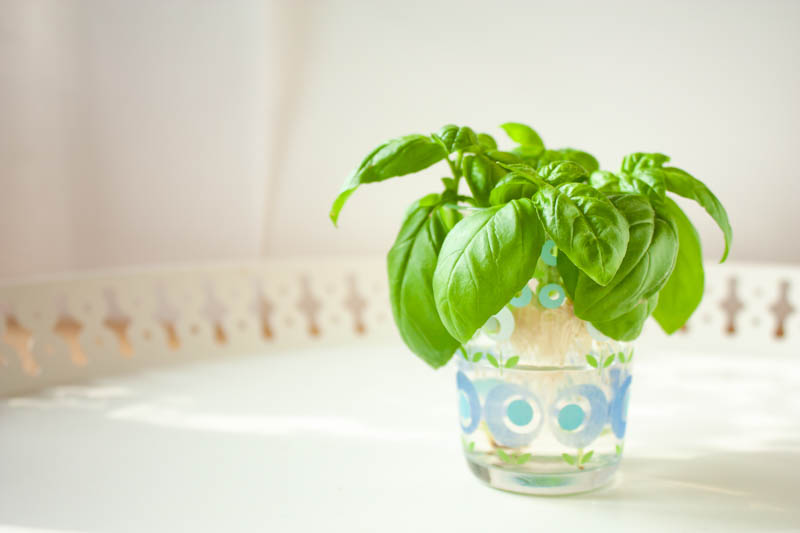
For a more targeted and immediate nitrogen boost, we can turn to liquid organic options. Fish emulsion is a classic choice for a reason. It is high in nitrogen and provides a quickacting, powerful feed that the basil plant will love. It is a liquid, so we can dilute it and apply it every two to three weeks during the peak growing season. The aroma is... distinctive, but the results are undeniable. Liquid seaweed or kelp extract is another fantastic option. While not as high in nitrogen as fish emulsion, it is packed with growth hormones and micronutrients that will lead to more robust and resilient plants. I recommend using it in conjunction with other amendments for a comprehensive feeding program. We can also use compost tea, a liquid concoction made by steeping compost in water. It is a gentle yet effective way to deliver a dose of nutrients and beneficial microbes directly to the plant's roots.
Synthetic Fertilizers: The FastActing Option for Rapid Growth
While I lean towards organic methods, I acknowledge that synthetic fertilizers have their place, particularly for those looking for a rapid response. They are a good choice for containergrown basil where the nutrients in the potting mix are quickly depleted. The key with synthetic fertilizers is to use them with extreme caution and at a diluted strength. The salt content can build up in the soil and burn the delicate roots of the basil plant.
When selecting a synthetic basil fertilizer, we should look for a formula with a higher nitrogen ratio. A generalpurpose vegetable fertilizer with an NPK ratio of something like 1055 or 1248 would be suitable. We must always, and I mean always, dilute it to half the strength recommended on the package. I recommend applying it every four to six weeks for indoor plants and every three to four weeks for outdoor container plants. We must also be careful not to get any of the fertilizer on the leaves, as it can cause them to burn.
Comparing Granular vs. Liquid Fertilizers
The form of the fertilizer is just as important as the type. Granular fertilizers, whether synthetic or organic, are slowrelease. We apply them to the soil, and they break down over time, providing a steady supply of nutrients. This is a great choice for basil planted in the ground, where the nutrients can be worked into the soil before planting and then a second application can be done midseason. Liquid fertilizers, on the other hand, offer an immediate and rapid nutrient delivery. They are perfect for containergrown basil that needs a quick boost, or as a supplement to a granular program. The drawback is that they need to be applied more frequently, but the benefit is that we can see the results much faster.
The Art of Application: How and When to Feed Your Basil Plant
Knowing what to use is only half the battle. Knowing how and when to apply it is what separates a good gardener from a great one. We will detail the proper techniques for fertilizing basil, accounting for different growth stages and environments.
Timing is Everything: When to Begin and How Often to Fertilize
We must start with a solid foundation. Before planting, we can amend the soil with a generous layer of compost or wellrotted manure. For inground basil, this may be all that is needed for the first half of the season, provided the soil is naturally fertile. For container plants, we should use a highquality potting mix that is rich in organic matter. This initial boost will get the young plant off to a strong start. After this, the frequency of feeding depends on the plant's growth and location.

Once the basil plant has established itself and we begin harvesting, we can start a regular feeding schedule. For inground basil, a single sidedressing of an organic granular fertilizer or compost midseason is often sufficient. For container basil, the nutrients leach out much faster. This is where we must be more proactive. I recommend a biweekly application of a diluted liquid fertilizer like fish emulsion or a balanced organic liquid feed. The key is to feed basil plants regularly but lightly. Overfertilizing is a far more common mistake than underfertilizing.
Proper Application Techniques: Avoiding Common Mistakes
When using granular fertilizers, we must always apply them to the soil around the plant, never directly on the stem or leaves. After application, we should gently work the granules into the top inch or two of soil and then water thoroughly. This helps the nutrients begin to break down and reach the roots. This watering step is crucial to prevent fertilizer burn.
For liquid fertilizers, we must first dilute them to the appropriate strength. I recommend using half the concentration listed on the label, especially for young plants. We can then apply the solution directly to the soil at the base of the plant, being careful to avoid splashing it onto the foliage. The soil should already be moist before we apply the liquid feed. Applying fertilizer to dry soil can cause root damage. We must also ensure that the plant has adequate drainage, as a buildup of fertilizer salts can be toxic.
Troubleshooting: Recognizing and Correcting Nutritional Deficiencies
Despite our best efforts, a basil plant can sometimes show signs of nutrient deficiency. We must be adept at recognizing these signs and acting quickly to correct them. These are some of the most common issues we may encounter.
Yellowing of lower leaves (Nitrogen Deficiency): This is the most common sign that our basil needs a boost of nitrogen. We can apply a quickacting, nitrogenrich fertilizer like fish emulsion or blood meal. The lower leaves may not recover, but the new growth should be healthy and green. Stunted growth and purplish leaves (Phosphorus Deficiency): While less common, this can occur, especially in cold soil. We can use a fertilizer with a higher phosphorus content, such as bone meal, or a balanced liquid feed. Yellowing of leaf edges (Potassium Deficiency): Potassium deficiency can also lead to weakened stems and poor growth. We can correct this with a balanced fertilizer or a potassiumrich amendment like kelp meal. General yellowing between leaf veins (Magnesium or Iron Deficiency): This is a classic sign of a micronutrient issue. We can use a liquid feed that contains these elements or apply an amendment like Epsom salt (for magnesium) or chelated iron.
The Synergy of Care: Beyond Just Feeding Basil Plants
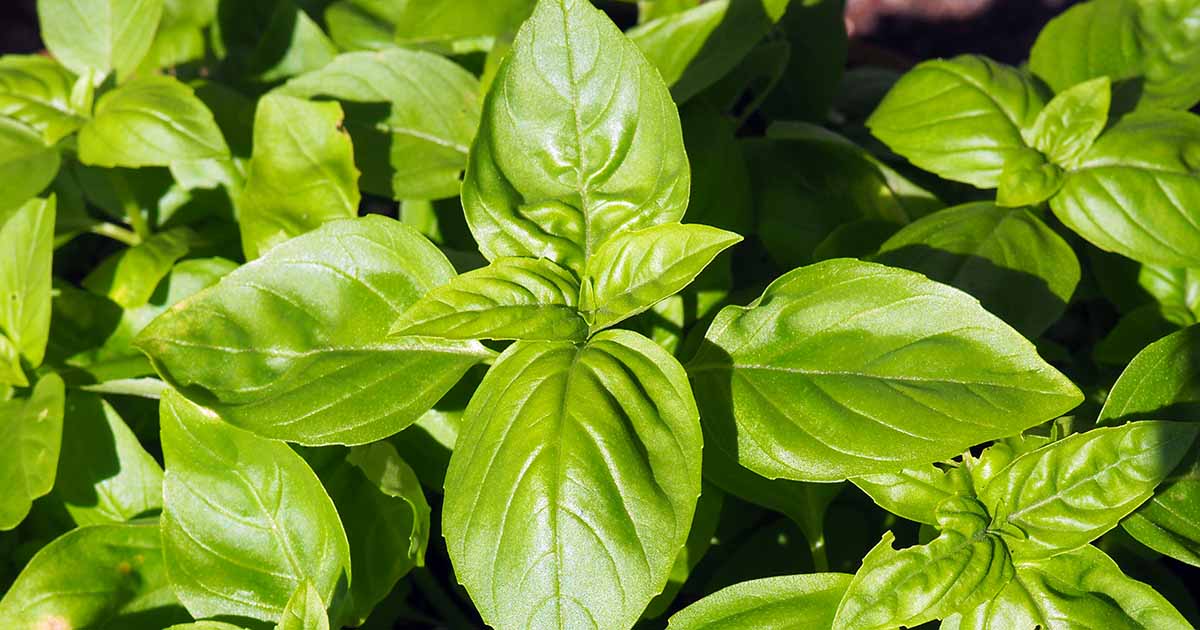
While fertilization is a critical component of basil care, it is not a standalone solution. The most successful gardeners know that a holistic approach yields the best results. We will now explore other factors that, when combined with a proper feeding schedule, will lead to truly magnificent basil plants.
The Importance of Soil and Drainage
A basil plant will not thrive in poor soil, no matter how much we fertilize it. We must ensure the soil is welldraining, loose, and rich in organic matter. For container gardening, this means using a highquality, sterile potting mix. For inground planting, we can improve native soil by incorporating compost and other organic materials. Good drainage is paramount. Basil hates "wet feet," and waterlogged soil can lead to root rot and other diseases, making the plant unable to absorb nutrients effectively.
Watering: The Silent Partner in Nutrition
Proper watering is inextricably linked to proper feeding. We must keep the soil consistently moist but never soggy. This is especially true for containergrown basil, which can dry out quickly. We must water deeply, allowing the water to run out of the drainage holes, which helps to flush out excess fertilizer salts and ensures the entire root ball is hydrated. Consistent watering also helps the plant absorb the nutrients we provide more efficiently.
Sunlight and Temperature: The Fuel for Photosynthesis
Basil is a sunloving plant. We must provide it with at least 68 hours of direct sunlight per day. Sunlight is the energy source that allows the plant to use the nutrients we provide. Without adequate sunlight, the plant cannot photosynthesize effectively, and even the best fertilization program will be ineffective. We must also remember that basil is a warmweather herb. Cold temperatures will stunt its growth and can even kill it. We should not plant it outdoors until all danger of frost has passed, and for indoor plants, we must place them in a warm, sunny location.
Pruning and Harvesting: A Key to Encouraging Growth
We must not forget that the way we harvest our basil plays a significant role in its growth and nutrient needs. Regular harvesting, or "pinching back," encourages the plant to branch out and produce more leaves. This process is a constant demand on the plant's nutrient reserves. By regularly harvesting, we are effectively telling the plant to keep growing and, in turn, increasing its need for a steady supply of nutrients, particularly nitrogen. We should always pinch the plant just above a leaf node, which will encourage new growth from that point.
In conclusion, feeding basil plants is a multifaceted process that requires attention to detail, a deeper understanding of the plant's needs, and a holistic approach to care. By providing a rich, welldraining soil, consistent watering, ample sunlight, and a steady supply of the right nutrients, we can move beyond simply growing basil and into the realm of cultivating truly exceptional, flavorful, and aromatic herbs. The best results, from my experience, come from a combination of art and science, and with this comprehensive guide, we are now equipped to master both.


Comments
Post a Comment