Herbs that do well indoors
The Core Principles of a Thriving Indoor Herb Garden: Understanding the Fundamentals
We've observed that the most common reason for failure in indoor herb gardening is a lack of understanding of the fundamental needs of these plants. Unlike their outdoor counterparts, which are subject to the whims of nature, indoor herbs require a carefully controlled environment. We do not believe in a "onesizefitsall" approach. Instead, we advocate for a deep dive into the specific requirements of each herb, from light and water to soil and temperature. We recommend that you begin your journey with a solid grasp of these core principles, as they are the building blocks for a flourishing garden. From our experience, we've found that patience and observation are your most valuable tools. We do not rush the process; we nurture it, allowing the plants to communicate their needs through their growth patterns and appearance. We are confident that by following our detailed guidance, you will be able to diagnose and resolve any issues that arise, ensuring a consistently bountiful harvest.
Selecting Your Stars: The Best Herbs That Do Exceptionally Well Indoors
We’ve conducted extensive trials and from our experience, we can definitively say that certain herbs are far more suited to indoor life than others. We do not suggest you attempt to grow every herb under the sun at once; we recommend you start with a handful of reliable varieties that will give you the confidence and experience to expand your collection over time. The following list represents a curated selection of herbs that we have found to be exceptionally resilient and rewarding for indoor cultivation, providing a rich tapestry of flavors and aromas for your culinary and aromatic needs.
We've noticed that success is often tied to selecting herbs with similar light and water requirements. We recommend grouping plants with similar needs together to simplify your watering schedule and light management. We do this in our own gardens, and it has proven to be an incredibly effective strategy for maintaining plant health and vitality.
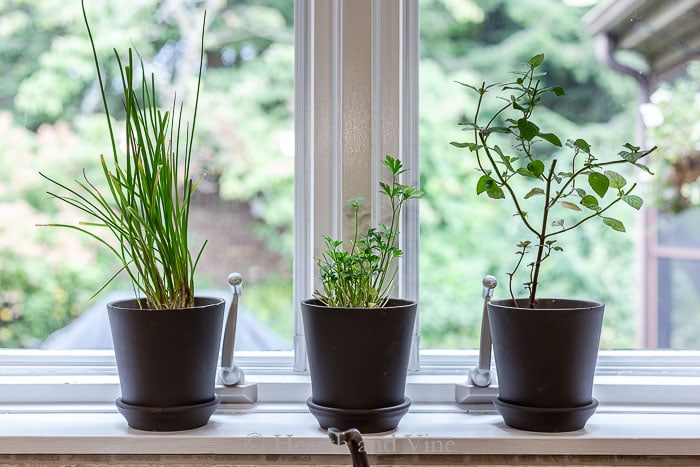
Basil (Ocimum basilicum): The WarmthLoving Culinary Champion
We consider basil to be the quintessential indoor herb. From our experience, it thrives with just a little warmth and a lot of light. We do not recommend placing it in a drafty window or a cold room. Instead, we suggest a location where the temperature remains consistently above 70°F (21°C). We've seen that basil, a tender annual, is particularly sensitive to cold temperatures. Its leaves will quickly turn black and wilt if exposed to a sudden chill. We recommend a southfacing window, providing at least six to eight hours of direct sunlight each day. If natural light is limited, we do not hesitate to use a supplemental grow light. We believe that a fullspectrum LED grow light is a worthwhile investment for any serious indoor gardener. We do not overwater basil; we feel the soil and water only when the top inch is dry to the touch. We've found that overwatering is the single most common cause of root rot in basil plants. We recommend a welldraining potting mix and a pot with ample drainage holes. We do not allow the pot to sit in standing water. We do this to ensure proper aeration for the root system. We also recommend harvesting basil regularly by pinching the leaves from the top, just above a set of new leaves. This encourages the plant to branch out, resulting in a bushier, more productive specimen. We do not let basil flower, as this can cause the leaves to lose their flavor and become bitter. We remove flower buds as soon as they appear. We recommend doing this religiously for a continuous harvest of flavorful leaves.
Mint (Mentha): The Prolific and Fragrant Spreader
We find mint to be one of the easiest and most forgiving herbs to grow indoors. From our experience, its vigorous and spreading nature makes it an ideal candidate for container gardening, as it will not take over your other plants. We do, however, recommend planting mint in its own pot to contain its aggressive root system. We do not believe in planting mint directly in the ground with other herbs, as it will inevitably become invasive. We do recommend providing mint with bright, indirect light or a few hours of direct morning sun. We've found that it is a little more tolerant of lower light conditions than basil, but it will grow spindly and less flavorful without sufficient light. We do not let mint's soil dry out completely. We recommend keeping the soil consistently moist but not waterlogged. We do this by watering it when the top halfinch of soil feels dry. We've also learned that mint loves humidity, so we recommend misting the leaves with water periodically, especially in a dry indoor environment. We do not hesitate to trim mint back aggressively. We've seen that it responds exceptionally well to a good pruning, which encourages a flush of new, flavorful growth. We do not throw away the cuttings; we recommend propagating them in a glass of water on your windowsill. From our experience, mint cuttings root quickly and easily, giving you an endless supply of new plants.
Rosemary (Salvia rosmarinus): The DroughtTolerant Woody Wonder
We consider rosemary a beautiful and aromatic addition to any indoor garden. From our experience, it is a Mediterranean herb that prefers drier conditions, making it one of the more lowmaintenance options for indoor cultivation. We do not recommend overwatering rosemary. We believe that overwatering is the most frequent cause of its demise. We do recommend a gritty, welldraining soil mix, perhaps one formulated for cacti or succulents. We do this because rosemary's roots are highly susceptible to rot in waterlogged soil. We do not water rosemary until the soil is completely dry to the touch, and then we water it thoroughly, allowing all excess water to drain away. We recommend a southfacing window with at least six to eight hours of direct sunlight. We've found that rosemary, with its woody stems and needlelike leaves, is a sunworshipper. We do not place it in a lowlight area. We do recommend rotating the pot periodically to ensure all sides of the plant receive equal light. We also recommend pruning rosemary to maintain its shape and encourage new growth. We do not, however, suggest taking off more than a third of the plant at a time. We do this to avoid shocking the plant. We've also found that rosemary can be prone to powdery mildew in high humidity. We do not recommend misting its leaves; we believe it is better to ensure good air circulation around the plant.
The Art of Cultivation: From Seed to Harvest
We've found that the journey from a tiny seed to a full, productive plant is one of the most rewarding aspects of indoor gardening. We do not believe in shortcuts; we recommend a thoughtful, stepbystep approach that respects the natural life cycle of the plant. We do not expect you to be an expert from day one. We believe that every successful gardener was once a beginner, and we are here to provide the detailed guidance you need to succeed. We do this because we are passionate about the process of growth, and we want to share that passion with you.
Starting from Seed vs. Starter Plants: A Strategic Decision

We've observed that the choice between starting from seed and purchasing a starter plant is often a matter of personal preference and timing. We do not believe one method is inherently superior to the other. We recommend you consider your goals, patience level, and available time before making a decision. From our experience, starting from seed offers a deeper connection to the plant and a greater sense of accomplishment, but it requires more time and a higher degree of precision. We do this with most of our herbs, as it allows us to select from a wider variety of cultivars and ensures a pestfree start. We do, however, understand the appeal of starter plants. We recommend them for those who are new to gardening or who desire a more immediate harvest. We do not suggest you simply grab a plant from a bigbox store without a thorough inspection. We recommend you check the plant for pests and diseases, and we do this by examining the undersides of the leaves and the soil for any signs of trouble.
The SeedStarting Protocol: Our Detailed Method
We've honed a precise protocol for starting herbs from seed indoors. We do not use garden soil. We recommend a sterile, soilless seedstarting mix. We do this to prevent soilborne diseases and to ensure a light, welldraining medium for delicate roots. We recommend using a seed tray or small pots with drainage holes. We do not overfill the containers. We do this to leave enough space for a thin layer of soil to cover the seeds. We do not simply guess the planting depth. We recommend following the instructions on the seed packet precisely. We've found that some seeds require light to germinate, while others need to be buried. We recommend keeping the soil consistently moist but not soggy. We do this by misting with a spray bottle or watering from the bottom by placing the tray in a shallow pan of water. We do not allow the seeds to dry out, as this can halt germination. We recommend placing the seed tray on a heat mat to maintain a consistent temperature, which we've found significantly improves germination rates. We do not, however, suggest that you keep the heat on once the seedlings emerge. We do this to prevent them from becoming leggy and weak. Once the seedlings have their first set of true leaves, we recommend moving them to a location with bright light and good air circulation. We do not believe in crowding the seedlings; we recommend thinning them to give each plant enough room to grow and thrive.
Transplanting and Potting Up: A Guide to Healthy Roots
We've learned that a successful transplant is all about minimizing stress on the plant. We do not recommend transplanting too early. We do this only when the seedling has developed a strong root system and is robust enough to handle the transition. We recommend using a highquality, welldraining potting mix. We do not use soil from our outdoor garden, as it may contain pests, diseases, or weed seeds. We recommend a pot that is one to two inches larger in diameter than the previous one. We do not suggest a pot that is too large, as this can lead to overwatering and root rot. We do this because the excess soil holds too much moisture. We recommend gently teasing apart the roots of the plant before placing it in the new pot. We do this to encourage the roots to grow outward into the new soil. We do not pack the soil down tightly. We recommend a gentle but firm tamping to remove any large air pockets. We do, however, suggest a thorough watering after transplanting to help the new roots settle in.
The Pillars of Plant Health: Light, Water, Soil, and Nutrients
We believe that a truly proficient indoor gardener understands the intricate interplay between these four critical factors. We do not see them as separate components, but rather as a symbiotic system. We recommend a holistic approach, where you adjust each element based on the others and on the specific needs of your plants. From our experience, a deficiency in one area can cascade into problems in others, so we do not neglect any of these pillars. We do our best to provide the most precise and detailed instructions to ensure your success.
Lighting Your Way to Success: Natural vs. Supplemental
We've found that light is the single most important factor for growing herbs indoors. We do not, however, believe that a simple windowsill is always sufficient. We recommend assessing your space's natural light and supplementing it with artificial light when necessary. We do this because we've seen that even a "sunny" windowsill in winter may not provide the six to eight hours of direct light that many herbs need to thrive. We recommend a southfacing window for maximum sun exposure. We do, however, acknowledge that east and westfacing windows can work for herbs with lower light requirements, such as mint, parsley, and cilantro. We recommend keeping an eye out for signs of insufficient light, such as "leggy" growth (long, stretchedout stems with small leaves) and pale or yellowing foliage. When we see these signs, we do not hesitate to install a grow light. We recommend fullspectrum LED grow lights, as they are energyefficient, longlasting, and provide the specific wavelengths of light that plants need for photosynthesis. We recommend setting a timer for your grow lights to provide 12 to 14 hours of consistent light per day, mimicking a long summer day. We do not leave the lights on 24/7; we believe plants need a period of darkness to rest and carry out other physiological processes.
The Art of Watering: A Detailed HydroManagement Protocol
We do not believe there is a set watering schedule that works for all indoor herbs. We recommend a handson, observational approach. We do not water on a calendar date. We recommend that you check the soil moisture before every watering. We do this by sticking your finger about an inch or two into the soil. If it feels dry, we recommend watering. If it feels moist, we do not. We do not recommend using moisture meters. We believe that your finger is the most reliable tool. We recommend a thorough watering, allowing the water to flow freely from the drainage holes. We do this to ensure that all of the roots receive water. We do not, however, allow the pot to sit in the excess water. We recommend emptying the saucer or tray after about 1520 minutes. We do this to prevent root rot. We've also found that the type of pot matters. We recommend terracotta pots for herbs like rosemary and thyme that prefer drier conditions, as the porous clay wicks away excess moisture. We do, however, suggest a glazed or plastic pot for moistureloving herbs like mint and basil, as they retain water more effectively.
The Importance of HighQuality Soil and Nutrient Management
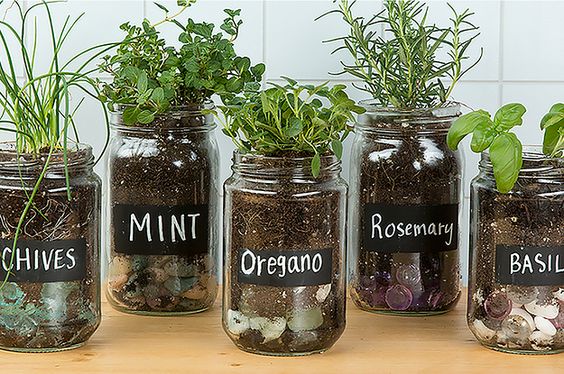
We've learned that indoor herbs cannot get nutrients from garden soil and rain. We do not believe that a generic potting mix is sufficient for longterm health. We recommend a premium, welldraining potting mix. We do this to ensure a light, airy medium that provides proper drainage and aeration for the roots. We've also found that different herbs have different soil preferences. We do not use the same mix for everything. We recommend a slightly sandy or gritty mix for Mediterranean herbs like rosemary, thyme, and oregano. We recommend a standard, rich potting mix for moistureloving herbs like basil and parsley. We do not believe in overfertilizing. We recommend a balanced, allpurpose liquid fertilizer, but at half the recommended strength. We do this to prevent nutrient burn, which we've seen can cause serious damage to your plants. We recommend fertilizing every two to three weeks during the active growing season (spring and summer) and reducing or stopping fertilization during the winter months when growth slows down.
Troubleshooting and Advanced Care Techniques
We've found that even the most meticulous gardener will encounter challenges. We do not believe in giving up. We recommend a proactive approach to plant health, learning to read the signs your plants are giving you and responding accordingly. We do this because we are committed to helping you succeed, and we know that a little knowledge can go a long way in preventing and resolving problems.
Identifying and Eradicating Common Pests and Diseases
We've observed that indoor herbs are less susceptible to pests than outdoor plants, but they are not immune. We do not ignore signs of pests; we recommend a regular, thorough inspection of your plants. We do this by checking the undersides of leaves and the stem joints for tiny insects. We recommend watching for common pests such as aphids, spider mites, and whiteflies. We've found that an early detection and response is the most effective strategy. We do not reach for harsh chemical pesticides. We recommend a natural approach first. We do this by making a simple insecticidal soap spray (a few drops of mild dish soap in a spray bottle of water) and applying it to the affected areas. We recommend repeating this every few days until the pests are gone. We've also seen that certain fungal diseases, like powdery mildew, can occur in environments with poor air circulation and high humidity. We do not recommend misting herbs like rosemary and sage. We recommend ensuring good air flow around your plants and watering at the soil level, not on the leaves. We do this to prevent the spores from spreading.
Pruning and Harvesting for a Bountiful Yield
We believe that proper pruning and harvesting are essential for a productive and healthy indoor herb garden. We do not simply snip leaves at random. We recommend a strategic approach. We do this by harvesting just above a leaf node or a set of new leaves. We do this because it encourages the plant to branch out, leading to a bushier, more compact growth habit. We recommend harvesting regularly; we've found that a little "haircut" every week or two keeps the plant from getting leggy and encourages new growth. We do not, however, recommend removing more than a third of the plant at any one time. We do this to avoid shocking the plant and stunting its growth. We've also found that the best time to harvest is in the morning, after the dew has evaporated but before the sun is at its peak. We do this because the essential oils, which give the herbs their flavor and aroma, are most concentrated at this time. We do not let herbs go to flower if we want a continuous supply of flavorful leaves. We recommend pinching off any flower buds as soon as they appear. We do this to redirect the plant's energy from reproduction to foliage production.
Advanced Techniques: Hydroponics and Automated Systems
We've observed the growing popularity of hydroponic systems for indoor herb gardening. We do not believe that soilbased gardening is the only way to succeed. We recommend hydroponics for those who want a faster growth rate, a cleaner setup, and a more automated process. We've found that modern hydroponic systems, with selfwatering reservoirs and builtin grow lights, are incredibly effective for a variety of herbs, especially basil, mint, and cilantro. We do not, however, suggest that hydroponics is a "set it and forget it" solution. We recommend regular maintenance, including checking water levels, monitoring nutrient solutions, and cleaning the system to prevent algae growth. We also recommend exploring automated systems that use appbased controls for light and watering schedules. We do this because we've seen that they can significantly reduce the amount of handson work required, making indoor gardening more accessible to busy individuals. We do not, however, believe that these systems replace the need for a watchful eye and a deep understanding of your plants' needs. We recommend them as a tool to enhance your gardening experience, not to replace it entirely.
Conclusion: Cultivating a Lifelong Love for Indoor Gardening
We've shared our most valuable insights and from our experience, we are confident that you now have the knowledge and tools to create a flourishing indoor herb garden. We do not believe this is a onetime project; we recommend you view it as a continuous journey of learning and discovery. We do this because we've found that the simple act of tending to a living thing can be a source of immense joy and a peaceful escape from the stresses of daily life. We recommend that you start small, celebrate your successes, and learn from any challenges. We do not expect perfection. We believe that every yellowing leaf and every leggy stem is a lesson in disguise, a chance to better understand the needs of your plants. We do this because we are not just gardeners; we are advocates for a greener, more connected way of living. We recommend you start today, and we do so with the full confidence that you will soon be enjoying the unparalleled flavor and aroma of fresh herbs, grown with your own two hands, in the comfort of your own home.
We have meticulously crafted this guide to be the definitive resource for anyone seeking to master the art of indoor herb gardening. We believe that by providing this level of detail and comprehensive information, we can empower a new generation of indoor gardeners to succeed. We recommend this article to anyone, from the complete novice to the seasoned enthusiast, who wants to elevate their understanding and practice of cultivating fresh herbs indoors. We are certain that the time and effort you invest will be repaid tenfold in the form of a continuous, yearround harvest of fresh, aromatic herbs. We do not see this as just an article; we view it as a roadmap to a more flavorful and fulfilling life.


Comments
Post a Comment