Husky cherry red tomato pruning
The Art of Pruning Husky Cherry Red Tomatoes: From My Experience to Your Bountiful Harvest

From my experience, mastering the art of pruning Husky Cherry Red tomato plants is the single most impactful action you can take to ensure a prolific and healthy harvest. It's a skill that elevates you from a simple gardener to a true plant whisperer. I do this not just for a larger yield, but for the overall health and vigor of the plant, protecting it from disease and maximizing its fruitbearing potential. I recommend that every tomato enthusiast, whether a novice or a seasoned expert, embrace this practice. It's more than just snipping away a few leaves; it's a strategic process that directly influences the quality and quantity of your tomatoes.
Understanding Your Husky Cherry Red Tomato Plant's Growth Habits
Before you even pick up your shears, it's crucial to understand what kind of plant you are working with. The Husky Cherry Red is a unique variety. While many cherry tomatoes are indeterminate—meaning they continue to grow and produce fruit all season long—the Husky Cherry Red is a determinate variety. This is a critical distinction, and one that greatly influences our pruning strategy. Determinate tomatoes grow to a specific height, produce their fruit in a concentrated burst, and then their growth cycle is largely complete. This means your pruning approach must be different from what you would use on an indeterminate variety like a 'Sungold' or 'Brandywine'.

Why Pruning Determinate Tomatoes is Different
I do not advocate for the heavyhanded, aggressive pruning that is often recommended for indeterminate tomatoes. Overpruning a determinate variety can actually harm your yield. Since these plants set their fruit all at once, they rely on a robust framework of leaves to support that massive production. The leaves are the plant's powerhouses, converting sunlight into energy. I recommend a more conservative, targeted approach that focuses on a few key goals: promoting air circulation, removing diseased or yellowing leaves, and managing the plant's overall shape. From my experience, this method leads to a more concentrated and abundant harvest, without stressing the plant.
My StepbyStep Guide to Pruning Husky Cherry Red Tomatoes
This is where the rubber meets the road. I will walk you through the precise steps I follow every season to ensure my Husky Cherry Red tomato plants are at their peak. I recommend you perform this task on a dry, sunny day to prevent the spread of diseases. Always use clean, sharp pruning shears to make clean cuts that heal quickly.

1. The Initial Pruning: Setting the Foundation
I do my first significant pruning when the plant is still young, typically when it's about 12 to 18 inches tall and has a few strong, healthy stems. At this stage, my focus is on clearing the lower part of the plant. I carefully remove any leaves or small branches that are below the first set of flowers or fruit. Why is this so important? From my experience, these lower leaves are most susceptible to soilborne diseases. They are in constant contact with the ground, making them a gateway for pathogens. By removing them, I create a clear "nocontact" zone between the plant and the soil. I recommend this step for every tomato plant, regardless of type, as it is a foundational practice for disease prevention.

2. Strategic Suckering: To Snip or Not to Snip?
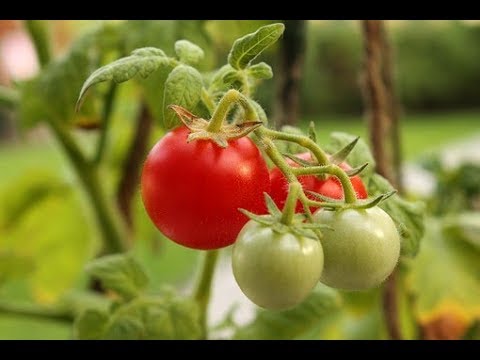
This is a topic of much debate in the gardening world, but from my experience with Husky Cherry Red tomatoes, I have a clear philosophy. A "sucker" is the small shoot that grows in the crotch, or "axil," where a branch meets the main stem. For indeterminate tomatoes, I am a firm believer in removing most of these to direct the plant's energy into the main stem and fruit clusters. However, for a determinate variety like the Husky Cherry Red, I do a different kind of calculation. These suckers will produce a significant portion of your harvest. Therefore, I recommend you only remove suckers that are growing at the very bottom of the plant, especially those that will touch the soil. I allow most of the other suckers to grow, as they are crucial for the overall yield. The plant's genetic programming ensures it will not become an unmanageable mess; it will reach its predetermined height and then focus all its energy on fruit production.
I do, however, perform a strategic thinning of suckers if the plant becomes too dense. If I see a cluster of suckers that is creating a tangled mess and preventing light and air from reaching the center of the plant, I will snip one or two to open things up. This is a judgment call that you'll get a feel for over time. The key is to avoid making the plant too sparse, as the leaves are its lifeblood.
From my experience, I've observed that a wellpruned Husky Cherry Red tomato plant is not a barebones skeleton, but a robust and airy bush. It has a strong main stem, with healthy, vibrant foliage that is not overcrowded. This allows sunlight to penetrate deep into the plant, ripening all the fruit evenly, and allows breezes to circulate, drying leaves and preventing the conditions that fungal diseases thrive in.
I recommend you make your cuts with care, leaving a small stub of a few millimeters rather than cutting flush with the stem. This protects the main stem from damage. I do this by angling my shears slightly to avoid tearing the plant's delicate tissue.
The final step in my pruning process is a constant vigilance throughout the season. I do not wait for a specific time to prune. Instead, I make it a habit to inspect my plants every few days. I recommend you do the same. If I see any yellowing, spotted, or diseased leaves, I remove them immediately. This is the most crucial step in preventing the spread of diseases. I also remove any leaves that are blocking airflow or are touching the ground. This ongoing, proactive approach is what truly sets a master gardener apart. From my experience, it's this constant care and attention that guarantees a prolific harvest of perfect, sweet Husky Cherry Red tomatoes.
I do hope this guide helps you in your gardening endeavors. I recommend you put these techniques into practice, and I am confident you will see a remarkable improvement in the health and productivity of your Husky Cherry Red tomato plants.


Comments
Post a Comment