Italian parsley care
Unlocking the Secrets to Thriving Italian Parsley: A Masterclass in Cultivation
From my experience, mastering the cultivation of Italian parsley, also known as flatleaf parsley, is a truly rewarding endeavor. I do believe that with the right knowledge and a little attention to detail, anyone can grow a continuous, bountiful supply of this culinary staple right in their own garden or on a windowsill. From the rich, dark green foliage to its distinctive, clean flavor, this herb is a musthave for any home chef. I recommend a meticulous approach to its care, as it responds beautifully to a nurtured environment. It’s not just about planting a seed and hoping for the best; it’s about understanding its fundamental needs and providing the optimal conditions for it to flourish. This comprehensive guide, meticulously crafted, will take you on a journey through every stage of its lifecycle, from initial propagation to sustainable harvesting and beyond.

Understanding the DNA of Italian Parsley: A Botanical Profile
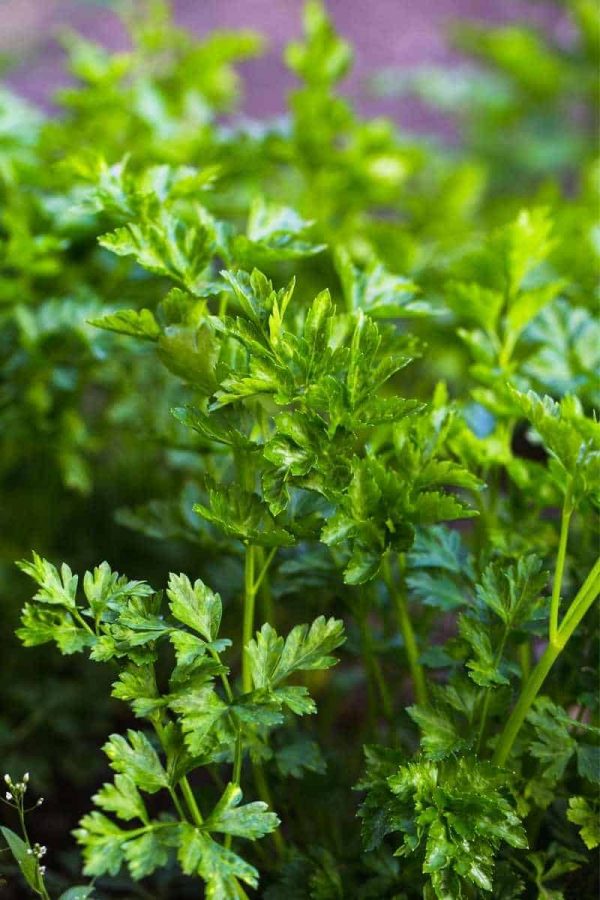
Before we delve into the practicalities of care, it's essential to understand what makes Italian parsley tick. Scientifically known as Petroselinum crispum neapolitanum, it's a biennial plant, meaning it completes its life cycle over two years. The first year is dedicated to vegetative growth—producing the lush leaves we love to use in cooking. The second year, it flowers and sets seeds before dying back. Understanding this life cycle is crucial for longterm cultivation. It's distinct from its curlyleaf cousin, not just in appearance but also in its slightly more robust, peppery flavor profile. This makes it a preferred choice for many dishes where the herb is meant to be a foundational flavor rather than a mere garnish. We're talking about a plant that is not merely an addition, but a core component of flavor. Its deep root system is a key characteristic, and we must take this into account when selecting a container or preparing the soil. This deep taproot allows it to seek out moisture and nutrients, but also makes it sensitive to transplanting, a critical point we will discuss in detail.
The Cornerstone of Success: Choosing the Right Soil
The foundation of any successful plant is its soil, and Italian parsley is no exception. We must prioritize a soil that is welldraining, rich in organic matter, and has a slightly acidic to neutral pH, ideally between 6.0 and 7.0. A loamy soil, with a good mix of sand, silt, and clay, is ideal. We can achieve this by amending our garden soil with wellrotted compost or aged manure. This not only improves drainage but also provides a steady supply of nutrients, crucial for the plant's sustained growth. Avoid heavy, compacted clay soils that can lead to waterlogging and root rot. From my experience, a mixture of potting mix, perlite, and a generous amount of compost works wonders for container gardening. This blend provides the perfect balance of moisture retention and aeration, ensuring the roots can breathe and absorb nutrients efficiently. I recommend preparing your soil bed or container with great care, as this initial step will dictate the plant's health for months to come. We must ensure there are no large clumps or rocks that could impede the development of its deep taproot, which is a key structural component of the plant. A finely tilled, friable soil is our ultimate goal.
A Thirsty Plant with a Discerning Palate: Watering and Nutrition
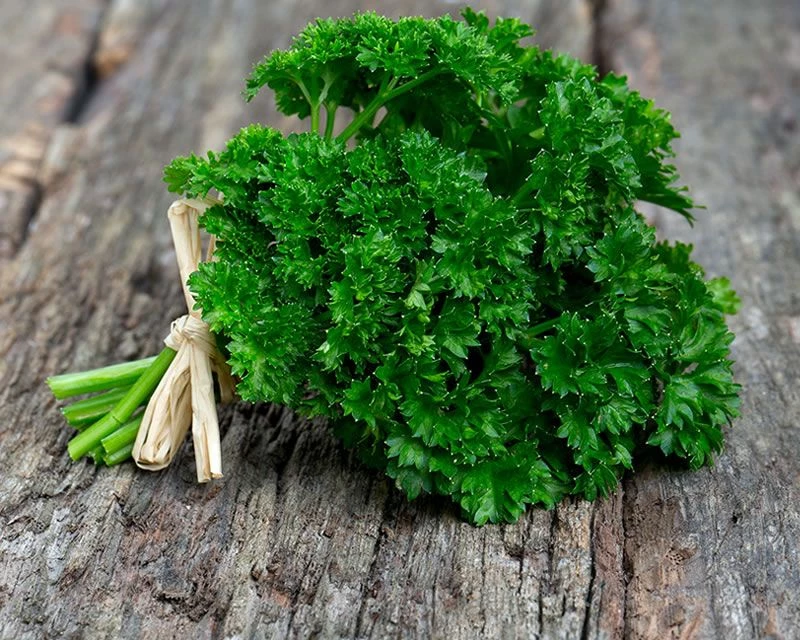
Watering Italian parsley is a delicate dance. While it appreciates consistent moisture, it abhors soggy feet. The soil should be kept consistently moist but never waterlogged. We must check the soil's moisture level by using our finger; if the top inch feels dry, it's time to water. The best practice is to water deeply and infrequently, encouraging the roots to grow downwards in search of moisture. This builds a strong, resilient plant. We must also be mindful of the time of day we water. Early morning is ideal, as it allows the foliage to dry before nightfall, reducing the risk of fungal diseases. As for nutrition, Italian parsley is a moderate feeder. We must provide a balanced, allpurpose fertilizer, preferably organic, every 46 weeks during the growing season. A nitrogenrich fertilizer will promote lush, leafy growth, which is precisely what we are aiming for. I recommend a liquid feed like a fish emulsion or a compost tea, which can be easily absorbed by the plant. We must also be careful not to overfertilize, as this can lead to excessive, weak growth and can even burn the roots. Listening to the plant's needs is paramount. If the leaves are turning yellow, it could be a sign of nutrient deficiency, while browning tips could indicate overfertilization or salt buildup.
The Sun's Embrace: Providing Optimal Light
Italian parsley thrives in full sun to partial shade. We must provide it with at least 68 hours of direct sunlight per day for the most vigorous growth. However, in regions with intense summer heat, we must provide some afternoon shade to prevent the leaves from scorching. This is particularly important for containergrown plants, which are more susceptible to heat stress. We must observe the plant's reaction to its light environment. If the stems are long and leggy, stretching towards the light, it's a clear sign that it needs more sun. Conversely, if the leaves are turning yellow or a pale green, it could be getting too much direct light. We must find the sweet spot, a balance that encourages robust growth without causing stress. For indoor plants, a southfacing window is ideal. We can also supplement with a grow light to ensure it gets the necessary light spectrum and duration. Rotating the plant regularly will ensure all sides receive adequate light, promoting even, bushy growth. We are seeking a plant that is compact, with a dense cluster of deep green leaves, a clear indicator of a happy, welllit parsley plant.
Propagation: From Seed to Splendor
Growing Italian parsley from seed can be a test of patience, as it's notorious for its slow germination. We must soak the seeds for 24 hours before planting to soften the tough outer shell and improve the germination rate. This simple step can significantly shorten the time it takes for them to sprout. We must sow the seeds shallowly, about 1/4 inch deep, in our prepared soil. A light layer of vermiculite can help retain moisture and prevent the soil from crusting over. We must keep the soil consistently moist until germination, which can take anywhere from 3 to 6 weeks. From my experience, covering the pot with a plastic wrap or a clear dome can help create a minigreenhouse effect, trapping moisture and heat to speed up the process. Once the seedlings emerge, we must thin them to give them enough space to grow. For container plants, we should aim for a spacing of about 68 inches between each plant. For garden beds, we must thin them to a similar spacing to ensure proper air circulation and nutrient availability. We must handle the seedlings with care, as their delicate taproots are easily damaged. Direct sowing is often the most successful method, as it eliminates the stress of transplanting.
The Art of Harvesting: A Perpetual Supply
Harvesting is not just about taking from the plant; it's about stimulating it to produce more. We must begin harvesting once the plant has established itself and has a good amount of foliage, typically when it reaches about 68 inches in height. We must use a clean pair of scissors or a sharp knife to snip the outer stems at the base of the plant. This method encourages new growth from the center, ensuring a continuous supply. We must never take more than onethird of the plant at a time. This is a critical rule that ensures the plant has enough foliage left to photosynthesize and replenish its energy stores. We must also be vigilant and remove any yellowing or damaged leaves to redirect the plant's energy towards healthy growth. From my experience, a regular, light harvest is far better than a single, heavy one. It keeps the plant compact and encourages a bushy form. We can also pinch off any flower stalks that emerge in the second year, as this will prevent the plant from going to seed and will prolong the harvest of the leaves. Once the plant begins to flower, the leaves can become bitter and lose their flavor, so we must act preemptively. This practice of continuous harvesting is key to a long and productive parsley season.
Common Challenges and Solutions: Troubleshooting Your Parsley
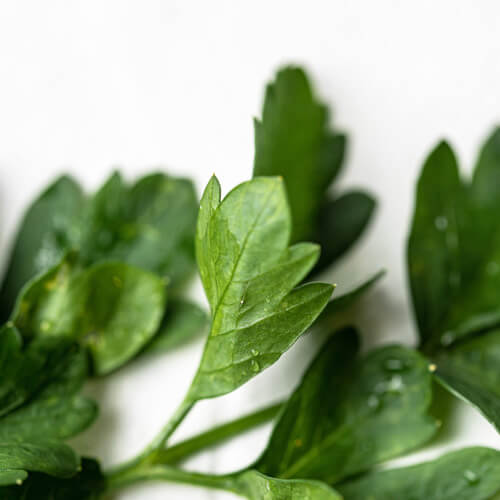
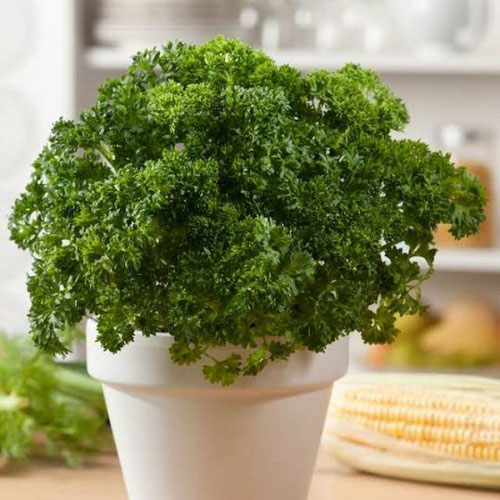
Even with the best care, Italian parsley can face certain challenges. We must be prepared to identify and address them promptly. Yellowing leaves can be a sign of overwatering, underwatering, or a nutrient deficiency. We must check the soil moisture and the plant's feeding schedule. Pests like aphids, spider mites, and whiteflies can be a nuisance. We must check the undersides of the leaves regularly. A strong spray of water can dislodge many of them, and for a more persistent problem, a neem oil solution is a safe and effective organic remedy. We must apply it in the evening to avoid harming beneficial insects. Fungal diseases like leaf spot and powdery mildew can occur in humid conditions. Ensuring good air circulation by proper spacing and avoiding overhead watering can prevent these issues. If we spot them, we must remove the affected leaves immediately and apply a fungicidal spray. We must be proactive in our approach, as early detection is the key to preventing widespread problems. We must also be mindful of the plant's overall health; a stressed plant is more susceptible to both pests and diseases. Providing it with the right amount of light, water, and nutrients is our best defense.
The Perfect Neighbors: Companion Planting for Parsley
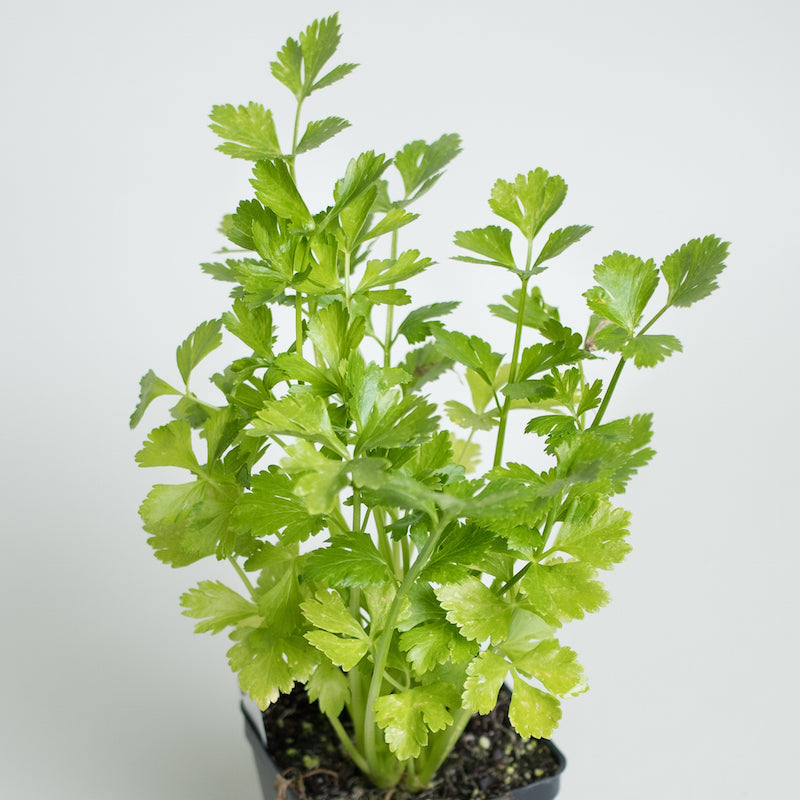
Companion planting is an ageold gardening practice that benefits all plants involved, and Italian parsley is no exception. We must strategically place it near certain vegetables to improve their growth and protect them from pests. It is an excellent companion for tomatoes, as it is believed to enhance their flavor and repel tomato hornworms. It also pairs well with carrots, chives, and asparagus. From my experience, planting it near roses can also deter certain pests. We must, however, be careful not to plant it near mint, as mint can be aggressive and outcompete the parsley for resources. The volatile compounds released by the parsley can also help mask the scent of other plants, making them harder for pests to find. This symbiotic relationship is a beautiful example of nature's interconnectedness. We must also consider the aesthetic appeal of our garden layout, creating a vibrant, living tapestry of herbs and vegetables that work in harmony. This holistic approach to gardening not only leads to a healthier harvest but also creates a more resilient and sustainable ecosystem.
Preparing for Winter: A Parsley's Journey to its Second Year
As a biennial, Italian parsley will overwinter and go to seed in its second year. We must prepare it for this transition, especially in colder climates. We can apply a layer of mulch, such as straw or wood chips, around the base of the plant in late fall. This will insulate the roots and protect them from freezing temperatures. We must also reduce our watering and fertilizing as the temperatures drop. For those in harsh winter climates, we can bring containergrown parsley indoors to a cool, bright location. It will continue to produce leaves, albeit at a slower rate, throughout the winter. If we want to harvest seeds, we must let the plant flower in its second year. The delicate, umbrellashaped flower clusters will eventually produce small seeds. We must let these mature and dry on the plant before collecting them. We can then store them in a cool, dark place for planting the following season. This fullcircle approach allows us to be selfsufficient and enjoy the fruits of our labor, from seed to seed. We are not just growing a plant; we are participating in its entire life cycle, a deeply satisfying experience for any gardener.
In conclusion, cultivating Italian parsley is a rewarding journey that requires patience, observation, and a detailed understanding of its needs. By focusing on the fundamentals—the right soil, proper watering, adequate sunlight, and mindful harvesting—we can ensure a continuous and bountiful supply of this essential herb. From my experience, the quality of the harvest is a direct reflection of the care provided. I do believe that with this comprehensive guide, you are now equipped with the knowledge to grow the most vibrant, flavorful Italian parsley imaginable. I recommend you start with a single plant and observe its growth, learning its language and responding to its needs. This handson approach is the most effective way to become a master gardener. The verdant foliage and rich aroma that will soon fill your kitchen are a testament to the dedication you have shown. It is this journey, from a tiny seed to a flourishing plant, that makes gardening a truly profound and satisfying pursuit.


Comments
Post a Comment