Jalapenos plants for sale
We believe that with the right knowledge and a little bit of dedication, anyone can cultivate these magnificent plants and enjoy the fruits—or, more accurately, the peppers—of their labor. In this extensive guide, we will walk you through every critical aspect of growing and caring for jalapeño plants, from the initial selection process to the final, triumphant harvest. This isn't just a guide; it's a complete horticultural manual designed to ensure your success.
The Journey Begins: Selecting the Right Jalapeño Plants for Sale
The first step in any successful gardening endeavor is choosing the right plant. We do not believe in a onesizefitsall approach. The world of jalapeño plants is far more diverse than what you'll find at your local grocery store. When you are looking for jalapeño plants for sale, you have several key factors to consider: the variety, the heat level, and the growth habits.
Understanding the Most Popular Jalapeño Varieties
We have found that understanding the nuances of different cultivars is essential for a tailored growing experience. The "classic" jalapeño you know is just the beginning.
Early Jalapeño: From our perspective, this is the ideal variety for gardeners in northern climates or those with shorter growing seasons. It's an earlymaturing plant, meaning you get to harvest those beautiful, dark green peppers much sooner. We recommend this variety for beginners who want a quick, rewarding yield. It typically produces peppers with a mild to medium heat level.
Jalapeño M: This is perhaps the most common and commercially grown variety in the United States. It's a workhorse of a plant, known for its heavy yields, thick walls, and reliable, mediumlevel heat. We find that the peppers from this plant are perfect for stuffing, slicing, and pickling due to their size and firm texture. The Jalapeño M plant is a robust and vigorous grower, making it a favorite among experienced and new gardeners alike.
Mammoth Jalapeño: As the name suggests, this variety produces exceptionally large peppers. If your goal is to make jalapeño poppers, we highly recommend the Mammoth. The large size makes them ideal for stuffing. The heat level is generally on the milder side, which also makes them more approachable for a wider range of culinary uses.
TAM Jalapeño: This is an excellent choice for those who love the flavor of jalapeños but prefer less heat. The TAM (Texas A&M) is a result of selective breeding to create a pepper with all the classic jalapeño flavor but with a very low heat level, often barely registering on the Scoville scale. We find it is a fantastic option for families or for recipes where you want the pepper's flavor without the burn.
Black Jalapeño: For the gardener who wants to add a touch of drama to their garden, we recommend the Black Jalapeño. This variety produces stunning, almostblack fruit that eventually matures to a deep red. It's not just about aesthetics; the peppers have a delicious, slightly smoky flavor profile and a respectable medium heat level.
Orange and Yellow Jalapeños: These are not as common but are a fun addition to any pepper patch. They start green and ripen to a brilliant orange or sunny yellow. The flavor can be slightly sweeter, and the heat level is comparable to the classic green jalapeño. We recommend these for adding visual appeal to salsas and dishes.
Where to Find the Best Jalapeño Plants for Sale
Once you have decided on the variety you want to grow, the next question is where to procure your plants. We believe that the source of your plant is just as important as the variety itself. A healthy start is a critical component of a successful growing season.
Local Nurseries and Garden Centers: We find that this is often the most convenient option. You can physically inspect the plants for signs of health, such as robust stems, dark green foliage, and a lack of pests or diseases. We recommend looking for plants with a strong, bushy appearance and avoiding those that are tall, spindly, or have yellowing leaves.
Online Nurseries: We have had great success with online vendors who specialize in live plants. They often have a much wider selection of varieties than brickandmortar stores. When ordering online, we recommend choosing a reputable vendor known for careful packaging and timely shipping to ensure the plants arrive in good condition. We always check customer reviews to gauge the quality of their plants and service.

Starting from Seed: For the most control over the entire process, we do recommend starting your own jalapeño plants from seed. It's a deeply rewarding process. This allows you to choose from an even broader range of varieties, many of which are not available as seedlings. We will cover the seedstarting process in meticulous detail later in this article.
Mastering the Art of Jalapeño Plant Care
Growing a healthy, productive jalapeño plant is not a matter of luck; it is the result of applying sound horticultural principles. We have developed a comprehensive care regimen that we believe will maximize your yield and the overall health of your plants.
Creating the Perfect Environment: Sunlight, Soil, and Temperature
Sunlight: From our experience, jalapeño plants are sunworshippers. They require at least 6 to 8 hours of direct sunlight every day to produce a substantial harvest. In our gardens, we find that more sun almost always equates to more fruit and hotter peppers. If you are growing indoors or in a lessthanideal spot, we recommend supplementing with a highquality grow light.
Soil: The right soil is the foundation of a healthy plant. Jalapeño plants thrive in a welldraining, fertile, slightly acidic to neutral soil (pH 6.0 to 7.0). We recommend amending your garden beds with a generous amount of organic matter, such as compost or aged manure, before planting. This improves soil structure, aeration, and nutrient retention. For container gardening, we prefer a highquality potting mix specifically designed for vegetables, as it ensures proper drainage and a light, airy medium for the roots to grow. We do not recommend using standard garden soil in a pot, as it can become compacted and waterlogged.
Temperature: Peppers are tropical plants at heart and are extremely sensitive to cold. We stress the importance of waiting until all danger of frost has passed before planting outdoors. The ideal temperature range for jalapeño plants is between 65°F and 85°F. We find that when temperatures consistently dip below 60°F at night, plants can become stunted and may drop their flowers. Conversely, extreme heat above 90°F can also cause blossom drop and reduce fruit set. We recommend using mulch to help regulate soil temperature and retain moisture during hot spells.
The Science of Watering and Fertilizing
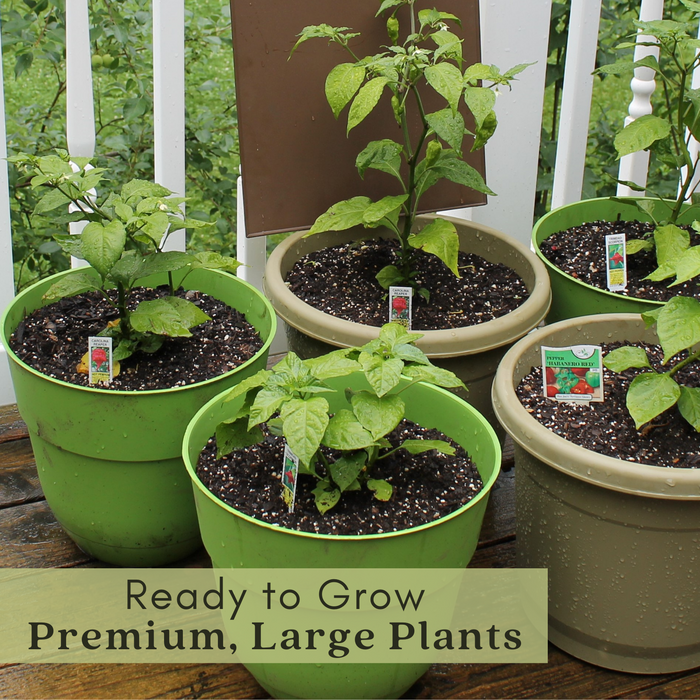
Watering: The key to watering jalapeño plants is consistency. They prefer evenly moist soil but absolutely detest "wet feet," which can lead to root rot. We recommend watering deeply and less frequently rather than shallowly and often. A good rule of thumb is to water when the top inch of soil feels dry to the touch. In our experience, watering in the morning is best, as it gives the plant time to absorb the water before the heat of the day and allows foliage to dry, reducing the risk of fungal diseases. We use drip irrigation in our gardens to deliver water directly to the root zone, which is highly efficient.
Fertilizing: We believe that proper fertilization is crucial for maximizing your yield. During the initial growth phase, we recommend a balanced fertilizer to promote strong root and leaf development. Once your plant begins to flower and set fruit, we switch to a fertilizer higher in phosphorus and potassium and lower in nitrogen. Too much nitrogen can lead to a lush, leafy plant with very few peppers. We recommend fertilizing every 24 weeks, depending on the type of fertilizer you use and your soil quality.
Pruning and Support for a Bountiful Harvest
Pruning: We find that light pruning can encourage a bushier, more productive plant. When the plant is young, we recommend "topping" it by pinching off the main stem's tip when it is about 68 inches tall. This encourages the plant to branch out, creating a sturdier structure and a higher number of potential fruiting sites.
Support: As your plant begins to produce fruit, the weight can become significant. We recommend using a small tomato cage or stakes and twine to support the plant. This prevents branches from breaking, keeps the fruit off the ground (reducing the risk of rot), and improves airflow around the plant, which helps prevent disease.
The Art and Science of Starting Jalapeño Plants from Seed
We believe that starting your own jalapeño plants from seed is a fulfilling and costeffective way to get the exact varieties you want. The process is straightforward, but attention to detail is paramount.
StepbyStep Seed Starting Protocol
Timing is Everything: We recommend starting seeds indoors 8 to 10 weeks before your last expected frost date. This gives the seedlings ample time to grow strong enough for transplanting.
The Right Medium: Use a sterile, seedstarting mix. This lightweight, finely textured medium provides an ideal environment for germination and root development.
Heat is Key: Jalapeño seeds require warmth to germinate. We find that the optimal soil temperature is between 75°F and 85°F. We highly recommend using a seedling heat mat to maintain this consistent temperature. Without a heat mat, germination can be slow and sporadic.
Sowing the Seeds: Sow seeds about 1/4 inch deep in seedstarting trays or small pots. Gently cover them with the mix and lightly water them.
Light for Growth: Once the seedlings sprout, they will need a lot of light to prevent them from becoming leggy and weak. We recommend placing them under fluorescent or LED grow lights for 1416 hours a day. The lights should be positioned just a few inches above the seedlings.
Hardening Off: About 12 weeks before transplanting outdoors, we begin the process of "hardening off." This is a critical step that we do not skip. It involves gradually acclimating the seedlings to outdoor conditions by placing them outside for a few hours each day and increasing the time daily. This toughens them up and prevents transplant shock.
Troubleshooting Common Jalapeño Plant Problems
Even the most experienced gardeners encounter challenges. We find that being proactive and knowing how to identify and address problems quickly can save your harvest.
Pest Management: Identification and Solutions
Aphids: These tiny insects cluster on new growth and the undersides of leaves, sucking the sap and weakening the plant. We recommend a strong spray of water to dislodge them or, for a more persistent issue, an insecticidal soap or neem oil spray.
Spider Mites: You may notice fine webbing on the plant and stippling (tiny dots) on the leaves. We find that a horticultural oil or neem oil is highly effective against these pests.
Hornworms: These large caterpillars can devour a plant in a single night. We recommend handpicking them off the plants. They are often difficult to spot, but we look for their characteristic droppings on the leaves below.
Disease Prevention and Control
Fungal Diseases: Overwatering or poor airflow can lead to fungal issues like powdery mildew or leaf spot. We recommend watering at the base of the plant to keep the leaves dry and ensuring adequate spacing between plants. If a fungal issue arises, a fungicide can be applied.
Blossom End Rot: This is a common issue with peppers and is caused by a calcium deficiency, often exacerbated by inconsistent watering. We recommend maintaining a consistent watering schedule and ensuring your soil has adequate calcium. A calcium supplement or a foliar spray can provide a quick fix.
The Payoff: Harvesting Your Jalapeños
We find that the harvest is the most rewarding part of the entire process. The timing of the harvest depends on your desired heat and flavor profile.
Green Jalapeños: For the classic, crisp, and moderately hot flavor, we harvest the peppers when they are a deep, glossy green and firm to the touch. They are typically about 34 inches long.
Red Jalapeños: If you leave them on the plant, they will eventually ripen to a vibrant red color. We find that red jalapeños have a sweeter, fruitier flavor and a much higher heat level. They are often used to make chipotle peppers (smoked, dried red jalapeños).
Harvesting Technique: We recommend using a clean, sharp pair of scissors or garden shears to snip the pepper from the plant, leaving a small stem attached. This prevents damage to the plant and the pepper itself.
In our collective experience, there is nothing quite like the flavor of a homegrown jalapeño. We recommend that you enjoy them fresh in salsa, pickled, roasted, or as the star of your favorite dish. We are confident that by following the detailed, stepbystep guidance we have provided, your garden will be filled with an abundance of healthy, delicious jalapeño plants. The journey is its own reward, and the spicy bounty is a testament to your green thumb.


Comments
Post a Comment