Pineapple sage
The Definitive Guide to Pineapple Sage: Cultivating, Harvesting, and Mastering the Flavorful Herb (Salvia elegans)
From my experience, very few herbs capture the imagination and delight the senses quite like pineapple sage. With its brilliant scarlet blooms and distinctively fragrant foliage, it's more than just a garden plant; it’s an experience. I do recommend this herb to everyone, from novice gardeners to seasoned culinary artists. Its versatility, ease of care, and multisensory appeal make it a standout. Through this comprehensive guide, I aim to share the secrets to growing, harvesting, and utilizing this incredible plant, ensuring you can unlock its full potential in your garden and kitchen.
What is Pineapple Sage (Salvia elegans)? A Botanical and Historical Overview
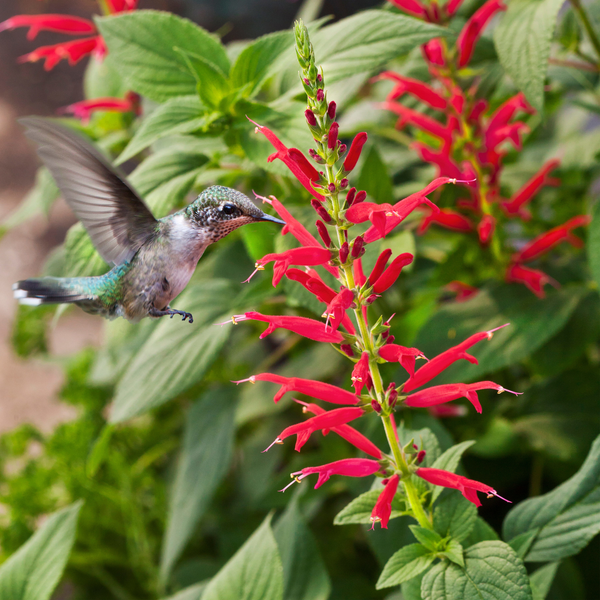
Before we delve into the practical aspects, it's essential to understand what exactly pineapple sage is. Botanically known as Salvia elegans, this member of the mint family (Lamiaceae) is native to the highaltitude forests of Mexico and Guatemala. Unlike its more common culinary cousin, common sage (Salvia officinalis), pineapple sage is celebrated not for its traditional savory flavor but for its bright, fruity aroma and striking flowers. Its leaves, when crushed, release a powerful scent that is remarkably reminiscent of fresh pineapples, hence its common name. The plant's history is as rich as its aroma, with indigenous cultures using it for both culinary and medicinal purposes for centuries. Its vibrant red flowers are a significant feature, appearing in late summer and autumn, often providing a vital nectar source for hummingbirds just before winter sets in. This unique combination of aromatic leaves and beautiful, lateseason blooms makes it a garden staple.
The Botanical Profile and Key Characteristics
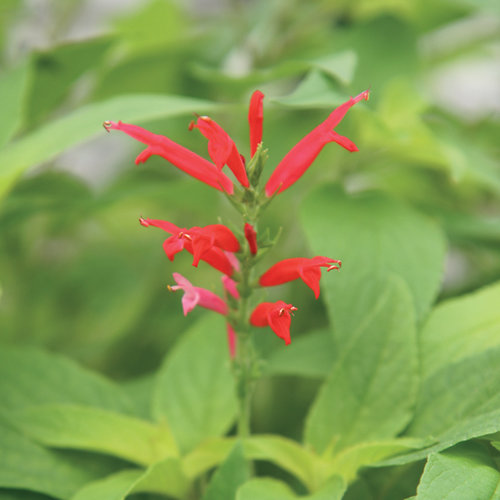
Understanding the botanical profile of Salvia elegans is crucial for successful cultivation. The plant typically grows as a tender perennial, reaching heights of 3 to 5 feet and spreading to a similar width, though in colder climates, it is often grown as an annual. The stems are square, a characteristic of the mint family, and the leaves are light green, opposite, and somewhat velvety to the touch. The most distinguishing feature, however, are the long, tubular, and brilliantly red flowers that form on terminal spikes. These flowers are highly attractive to pollinators, especially hummingbirds, which are drawn to their shape and color. The plant’s ability to thrive in partial shade and its relatively low maintenance needs further contribute to its popularity. It's a plant that promises a generous return for minimal effort, and I do recommend it as a centerpiece in any herb garden or mixed perennial border. The flavor of the leaves is a complex blend of sweet, herbaceous, and fruity notes, making them incredibly versatile in the kitchen. From my experience, a little goes a long way, so it’s wise to start with small quantities when experimenting with new recipes.
Growing Pineapple Sage: Expert Tips for Cultivation
Cultivating pineapple sage is a rewarding experience. While it is relatively easy to grow, providing the right conditions will ensure a lush, healthy plant with abundant foliage and flowers. I recommend a few key steps to get started, whether you are planting in a garden bed or a container. The most important factors are soil, sunlight, and watering practices.
Choosing the Right Location and Soil
Pineapple sage thrives in a location that receives full sun to partial shade. In hotter climates, a spot with afternoon shade can prevent the leaves from scorching. The plant is not particularly fussy about soil type, but it absolutely requires welldraining soil. Waterlogged roots are the quickest way to kill this plant. To prepare the soil, I do recommend amending it with a generous amount of organic matter, such as compost or wellrotted manure. This improves drainage, provides essential nutrients, and helps retain a bit of moisture. The ideal pH for the soil is slightly acidic to neutral, between 6.0 and 7.0. If you are growing in a container, a highquality potting mix with perlite or coarse sand is an excellent choice. Ensure the container has ample drainage holes to prevent standing water.
Planting and Spacing
When planting, whether from a nursery start or a cutting, dig a hole that is twice as wide as the root ball and just as deep. Place the plant in the hole so the top of the root ball is level with the soil surface. Backfill the hole gently, patting down the soil to remove air pockets. For multiple plants, space them about 2 to 3 feet apart to allow for their mature size. This spacing is critical to ensure good air circulation, which helps prevent fungal diseases. From my experience, crowding plants can lead to weaker growth and reduced flowering. I recommend planting in late spring after the last frost date. This gives the plant a full growing season to establish itself before the cooler weather arrives.
Watering and Fertilizing
While pineapple sage is somewhat droughttolerant once established, it prefers consistent moisture, especially during its active growing phase. Water deeply and regularly, allowing the top inch or two of soil to dry out between waterings. Overwatering is a common mistake and can lead to root rot. A simple finger test is the best way to determine if your plant needs a drink. Simply stick your finger into the soil; if it feels dry, it's time to water. As for fertilization, pineapple sage is not a heavy feeder. A balanced, allpurpose liquid fertilizer applied every 46 weeks during the growing season is sufficient. Alternatively, a top dressing of compost in the spring will provide a slow release of nutrients throughout the year. Avoid excessive nitrogen, which can lead to lush, leafy growth at the expense of flowers and fragrance.
Pruning and Maintenance for Optimal Growth
Pruning is a vital part of caring for pineapple sage. I do recommend regular pruning to maintain a bushy shape and encourage new growth. Pinching back the tips of young plants will promote branching. Throughout the season, you can harvest leaves as needed, which acts as a form of light pruning. In the fall, after flowering, you can trim the plant back by about onethird. If you are in a cold climate and plan to overwinter the plant indoors, it's best to trim it back more significantly before bringing it inside. Remove any dead or damaged stems throughout the year to keep the plant healthy and vigorous. A thick layer of mulch around the base of the plant can help retain soil moisture and suppress weeds. It also provides a bit of insulation for the roots in cooler climates, although pineapple sage is not reliably hardy in zones below 8.
Propagating Pineapple Sage: Expanding Your Garden
Once you have a healthy pineapple sage plant, you can easily propagate it to create more plants. From my experience, propagation is a costeffective and rewarding way to expand your garden or share with friends. The most common and successful method is through stem cuttings.
Stem Cuttings: A Simple and Effective Method
To propagate with stem cuttings, I recommend taking a cutting from a healthy, nonflowering stem in late spring or early summer. The cutting should be about 46 inches long. Remove the leaves from the bottom half of the cutting, leaving only a few leaves at the top. You can dip the cut end in a rooting hormone, though it's not strictly necessary, as pineapple sage roots quite easily. Place the cutting in a pot filled with a welldraining rooting medium, such as a mix of perlite and peat moss. Keep the medium consistently moist but not soggy. Place the pot in a bright, warm location, but out of direct sunlight. Within a few weeks, the cutting should develop roots. You will know it has rooted when you see new growth. At this point, you can transplant it to a larger pot or directly into the garden. I do this every year to ensure I have a fresh supply of plants, as they can sometimes become woody and less productive after a few years.
Growing from Seed: A Less Common but Possible Option
While it is possible to grow pineapple sage from seed, it is far less common. The seeds can be difficult to germinate and the resulting plants may not be true to the parent plant. If you do choose to start from seed, sow them indoors 68 weeks before the last expected frost. Press the tiny seeds into the surface of a seedstarting mix, as they require light to germinate. Keep the soil moist and the temperature around 70°F (21°C). Once the seedlings have their first set of true leaves, you can transplant them into individual pots. Harden them off before planting outdoors. From my experience, this method is best for those who enjoy a challenge and have a good deal of patience. For most gardeners, starting with a plant or a cutting is the most reliable path to success.
Harnessing the Power of Pineapple Sage: Culinary and Medicinal Uses
This is where the true magic of pineapple sage unfolds. Its unique flavor profile and aromatic qualities make it a standout ingredient in both the kitchen and the medicine cabinet. I recommend exploring all its facets, as it can add a new dimension to your cooking and wellness routine.
Culinary Applications: Beyond the Obvious
The culinary uses of pineapple sage are diverse and delicious. The leaves have a sweet, fruity flavor that works wonderfully in drinks, desserts, and savory dishes. I do use the leaves to make a refreshing iced tea. Simply steep a handful of fresh leaves in hot water for about 10 minutes, strain, and chill. You can also muddle the leaves to release their oils and add them to cocktails or lemonades. The bright red flowers are also edible and make a stunning garnish for salads, cakes, or fruit platters. From my experience, the flowers have a milder, more delicate flavor than the leaves, with a hint of sweetness. For savory dishes, I recommend chopping the leaves finely and adding them to fruit salsas, marinades for pork or chicken, or even to a simple fruit salad. The combination of sweet and herbaceous notes is truly unique and can elevate a dish from good to great. I have found it works particularly well with tropical fruits like mango, pineapple, and papaya. A simple syrup infused with pineapple sage is also a fantastic way to preserve its flavor and use it in a variety of beverages and desserts. It's an ingredient that encourages creativity in the kitchen.
A Look into Traditional and Modern Medicinal Uses
Historically, pineapple sage has been used in traditional medicine for its various properties. It is believed to have calming and antiinflammatory effects. The leaves and flowers are often used to make a soothing herbal tea that can aid in digestion and help with anxiety. While the scientific research is limited, many herbalists and folk practitioners use it for its purported benefits. I do make a simple tea by steeping fresh or dried leaves, which I find to be both calming and flavorful. The plant is also a good source of antioxidants. As with any herbal remedy, I recommend consulting with a healthcare professional before using it for medicinal purposes, especially if you have underlying health conditions or are on medication. However, from my experience, a cup of pineapple sage tea is a delightful way to relax and unwind at the end of a long day.
Maximizing Your Harvest: Storing and Preserving Pineapple Sage
To enjoy the benefits of pineapple sage yearround, proper harvesting and storage are key. I do recommend harvesting in the morning after the dew has dried, as this is when the oils are most concentrated. You can harvest a few leaves at a time as needed, or cut entire stems for a larger harvest. The plant will continue to produce new growth after each harvest, so don't be shy.
Preservation Methods: From Drying to Freezing
Drying pineapple sage is a great way to preserve its flavor. You can hang bunches of stems in a cool, dry, and wellventilated area. Once the leaves are completely dry and brittle, you can strip them from the stems and store them in an airtight container away from direct sunlight. From my experience, a food dehydrator on a low setting is also a quick and efficient way to dry the leaves. Another excellent method is freezing. You can chop the leaves and place them in an ice cube tray with a bit of water or olive oil. Once frozen, transfer the cubes to a freezer bag. This is a great way to have fresh pineapple sage on hand for savory dishes and smoothies. You can also make a compound butter by blending chopped leaves with softened butter, which can be used to add flavor to vegetables, bread, or grilled meats. I do use this method frequently, as it preserves the vibrant flavor better than drying.
Troubleshooting Common Problems: Pests and Diseases
While pineapple sage is a resilient plant, it is not entirely immune to pests and diseases. I do recommend regular inspections to catch any issues early. The most common problems are usually related to improper watering or poor air circulation.
Common Pests and How to Deal with Them
Aphids and spider mites are the most common pests you may encounter. These tiny insects can suck the sap from the leaves, causing them to yellow and become distorted. A strong spray of water from a hose can dislodge them. For a more persistent problem, I recommend a simple insecticidal soap spray. Make sure to spray the undersides of the leaves, where the pests often hide. Slugs and snails can also be a nuisance, especially in moist conditions. They can chew holes in the leaves. You can handpick them or use slug baits. From my experience, a simple beer trap is an effective and organic solution.
Identifying and Preventing Diseases
Root rot is the most serious disease affecting pineapple sage, and it is almost always caused by overwatering or poorly draining soil. The signs include yellowing, wilting leaves and a general decline in the plant’s health. Prevention is the best cure: ensure your plant is in welldraining soil and avoid overwatering. Fungal issues like powdery mildew can occur in humid conditions with poor air circulation. This appears as a white, powdery coating on the leaves. You can prevent it by ensuring proper spacing between plants and watering at the base of the plant rather than on the foliage. If you spot it, a solution of baking soda and water or a commercial fungicide can help. I do recommend that you always prune away any affected parts to prevent the spread.
Pineapple Sage in the Landscape: Creating a MultiSensory Garden
Beyond its culinary and medicinal uses, pineapple sage is a fantastic addition to any landscape. Its vibrant green foliage, striking red flowers, and intoxicating aroma make it a standout plant. I recommend using it in a variety of garden settings to create a visually appealing and fragrant space.
Companion Planting with Pineapple Sage
Pineapple sage makes an excellent companion plant. Its strong scent can help deter some pests from nearby plants. It pairs well with other herbs like basil, rosemary, and thyme. I do recommend planting it near tomatoes, as it is believed to improve their flavor and growth. Its tall, bushy habit provides a lovely backdrop for shorter annuals and perennials. The lateseason flowers are also a bonus for pollinators, making it a great addition to a pollinator garden. From my experience, planting it near a patio or walkway allows you to easily brush against the leaves and release their wonderful fragrance. It's a plant that engages all the senses.
Creating a Stunning Visual Impact
With its impressive height and lateseason flowers, pineapple sage can be used to add vertical interest to a garden bed. I recommend planting it at the back of a border to create a lush, green wall of foliage, or using it as a specimen plant in a large container. The bright red flowers contrast beautifully with other lateblooming plants like asters and sedums. It can also be used to create a living hedge or screen. The possibilities are endless. I do find that the plant’s ability to thrive in partial shade also makes it a great option for those trickier garden spots that don’t get full sun all day.
Conclusion: The Underrated Powerhouse of the Herb Garden
In conclusion, pineapple sage is a truly remarkable plant that offers a wealth of benefits to the home gardener and culinary enthusiast. From my experience, its ease of cultivation, versatile uses, and beautiful appearance make it an indispensable addition to any garden. I do recommend trying it if you haven't already. Its unique fragrance and flavor will surprise and delight you, and its vibrant flowers will bring life and color to your garden in the late season when many other plants are fading. I believe that its true value lies in its ability to offer so much in return for so little effort. It is a plant that gives generously, and I recommend that everyone experience its magic for themselves.
This comprehensive guide has hopefully provided you with all the information you need to successfully grow, harvest, and utilize Salvia elegans. Whether you are using it to flavor a beverage, garnish a dish, or simply to add beauty to your garden, I am confident that pineapple sage will quickly become one of your favorite herbs. I recommend you start your own pineapple sage journey today and discover the endless possibilities this wonderful plant holds.


Comments
Post a Comment