Best herb plants to grow indoors
From our perspective, there is no substitute for the vibrant aroma and powerful flavor of herbs harvested just moments before they are added to a dish. For far too long, the luxury of a fresh herb garden has been confined to those with expansive outdoor spaces, a limitation that we, as passionate culinary experts and dedicated horticulturists, refuse to accept. Our mission is to democratize this experience, empowering every individual, regardless of their living situation, to have access to the freshest ingredients imaginable.
The Foundation of a Flourishing Indoor Herb Sanctuary
We have spent countless hours meticulously researching and practically testing every facet of indoor herb cultivation. Our findings confirm that with the right knowledge and a few key resources, anyone can create and maintain a prolific indoor herb garden. This comprehensive guide, forged from our collective experience and expertise, is designed to be the definitive resource you need to succeed. We will walk you through the entire process, from selecting the best herb plants to grow indoors to mastering the nuanced art of watering, lighting, and harvesting.
The Strategic Selection of Your Indoor Herb Garden's Champions
Choosing the right herbs is the crucial first step. While nearly any herb can be attempted indoors, we have identified a select group that consistently thrives, providing the highest return on your investment of time and effort. Our selections are based on a delicate balance of ease of growth, culinary versatility, and resilience to common indoor environmental challenges. We recommend starting with a small, manageable collection and expanding as your confidence and green thumb develop.
Basil: The Italian King of Indoor Gardens
From our experience, basil (Ocimum basilicum) is arguably the single most rewarding herb to grow indoors. Its rapid growth and generous foliage yield a constant supply of leaves perfect for pesto, salads, and pasta. There are many varieties of basil, but we do recommend starting with the classic 'Genovese' or 'Sweet Basil' for their robust flavor and broad leaves.
Light Requirements: Basil is a sunworshipper. It demands at least six to eight hours of direct sunlight per day. A southfacing window is ideal. If natural light is insufficient, a fullspectrum grow light is not just an option, it is a necessity for a truly successful harvest.
Watering and Soil: Basil prefers consistently moist, but not soggy, soil. Overwatering is the most common cause of failure. We recommend a welldraining potting mix. The pot must have drainage holes. Water when the top inch of the soil feels dry to the touch.
Temperature and Humidity: This tropical herb loves warmth. It thrives in temperatures between 6580°F (1827°C). Keep it away from cold drafts and air conditioning vents. Basil appreciates a humid environment, which you can create by misting the leaves or placing the pot on a tray of pebbles with water.
Harvesting Techniques: Pinch off individual leaves or snip a few stems just above a set of leaves. This practice, known as pinching, encourages the plant to branch out and become bushier, yielding more leaves. We do advise against cutting more than a third of the plant at once.
Mint: The Unstoppable Scent of Freshness
From our experience, mint (Mentha) is the most forgiving and resilient herb. It is an incredibly fast grower, and its refreshing scent can instantly transform a room. We recommend keeping mint in its own pot, as its aggressive root system will quickly outcompete and overwhelm other plants in a shared container. 'Spearmint' and 'Peppermint' are excellent choices for their culinary and aromatic qualities.
Light Requirements: Mint is more flexible than basil. It tolerates a wider range of light conditions, from full sun to partial shade. A west or eastfacing window can be sufficient, though more light will result in a more vigorous plant.
Watering and Soil: Mint loves moist soil. It is less susceptible to root rot than other herbs, but proper drainage is still essential. Water it regularly to prevent the soil from drying out completely.
Temperature and Humidity: Mint is highly adaptable and thrives in standard indoor temperatures. It appreciates a humid environment, a trait that makes it a perfect companion for a kitchen sink area.
Harvesting Techniques: Like basil, regular harvesting is key. We recommend snipping stems just above a leaf node to encourage new growth. The more you harvest, the more it will grow.
Rosemary: The Aromatic Mediterranean Master
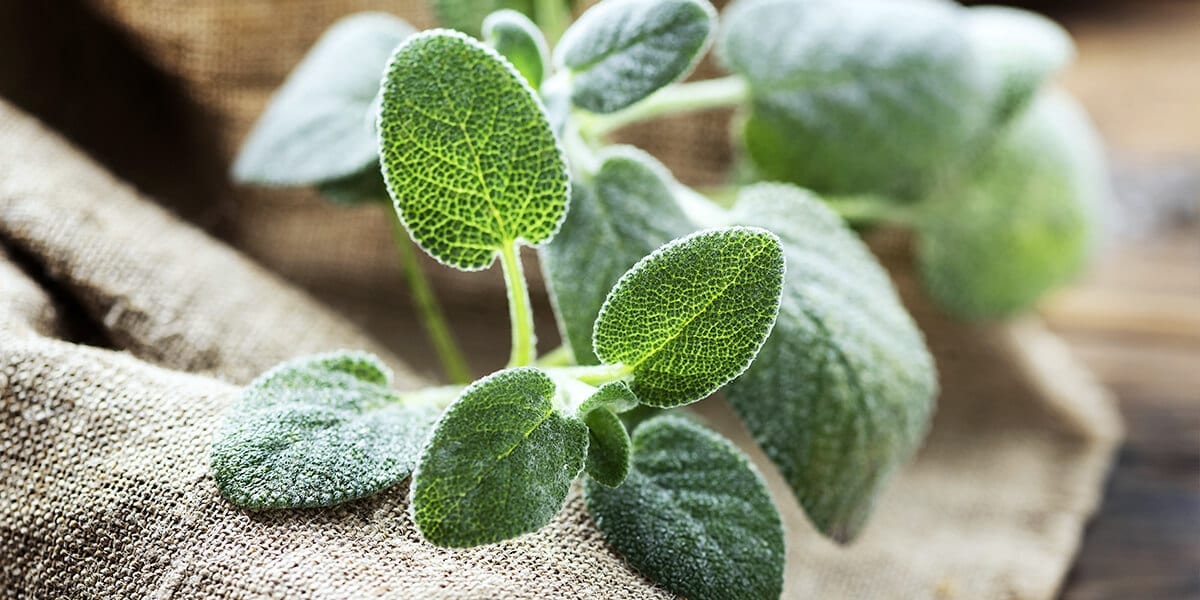
We believe rosemary (Salvia rosmarinus) adds a unique, earthy flavor to countless dishes. While it can be slightly more challenging than basil or mint, its yearround availability and striking, needlelike foliage make it a worthy addition to any indoor garden.
Light Requirements: Rosemary is a sunloving Mediterranean native. It absolutely requires at least six hours of direct sunlight daily. A southfacing window is nonnegotiable for a healthy plant.
Watering and Soil: This is where rosemary differs significantly from the other herbs. It prefers a drier, welldraining soil. Overwatering is a death sentence for rosemary. We recommend using a sandy potting mix and allowing the soil to dry out completely between waterings.
Temperature and Humidity: Rosemary prefers cooler temperatures than many other herbs, thriving in the 5575°F (1324°C) range. It does not like high humidity.
Harvesting Techniques: Harvest the tips of the branches to encourage a bushier growth habit. We do recommend using sharp scissors or shears to avoid damaging the woody stems.
Parsley: The Versatile Culinary Garnish
We believe parsley (Petroselinum crispum) is a staple in any kitchen. Its bright, fresh flavor is a perfect counterpoint to rich sauces and heavy meats. Both flatleaf and curly varieties grow well indoors.
Light Requirements: Parsley prefers moderate sunlight. An eastfacing window that receives bright morning sun is often ideal. It can also thrive under a grow light.
Watering and Soil: Parsley needs consistently moist, but not waterlogged, soil. A rich, organic potting mix is best.
Temperature and Humidity: It prefers a slightly cooler environment than many other herbs, thriving in the 6070°F (1521°C) range.
Harvesting Techniques: Snip the outer stems at the base, leaving the inner, new growth to mature. This method ensures a continuous supply of fresh leaves.
Chives: The Mild Onion Flavor
We recommend chives (Allium schoenoprasum) for their lowmaintenance nature and delicate onionlike flavor. They are perfect for garnishing soups, baked potatoes, and eggs.
Light Requirements: Chives need at least four to six hours of direct sunlight per day.
Watering and Soil: They prefer moist soil but are tolerant of a variety of conditions.
Temperature and Humidity: Chives are highly adaptable and thrive in most indoor environments.
Harvesting Techniques: Cut the leaves down to an inch or two from the soil line. This encourages the plant to regrow quickly and healthily.
The Master Class in Indoor Herb Cultivation: Advanced Techniques and Troubleshooting
Once you have your core collection established, it's time to elevate your indoor gardening game. We have distilled our years of experience into a series of actionable steps and expert advice to help you achieve a truly professionalgrade herb garden.
Mastering the Art of Illumination
Light is the single most critical factor in indoor herb gardening. We do recommend a multipronged approach to ensure your plants are getting the energy they need to thrive.
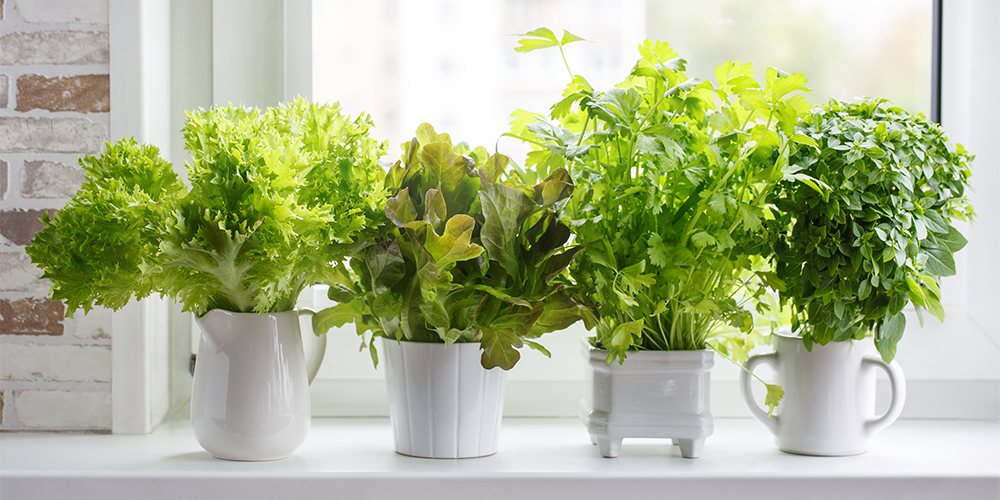
Window Placement and Rotation: We do advise placing your herbs in the sunniest window available. For most homes, this is a southfacing window. We also recommend rotating your pots every week to ensure all sides of the plant receive equal light, preventing "leggy" growth where stems stretch unnaturally towards the light source.
The Power of Grow Lights: We have found that even the brightest window may not provide enough light during shorter winter days. A fullspectrum LED grow light is the most effective way to supplement natural light. The key is placement: the light source should be close to the plants, typically 612 inches above the foliage. Most herbs require 1216 hours of light per day from a grow light.
Understanding Light Cues: Your plants will tell you if they are getting enough light. Yellowing leaves, weak, spindly stems, and a lack of new growth are all signs of insufficient light.
The Science of Soil and Nutrition
The right growing medium is the bedrock of a healthy plant. From our experience, standard garden soil is far too dense for container gardening. It lacks the aeration and drainage that indoor herbs require.
Choosing the Right Potting Mix: We recommend a highquality, welldraining potting mix specifically formulated for containers. Look for mixes that contain perlite, vermiculite, or coir to improve aeration.
The Crucial Role of Drainage: We do stress this point: every pot must have drainage holes. Without proper drainage, the roots will sit in standing water, leading to root rot, the most common cause of plant death. A saucer or tray underneath the pot is essential to catch excess water.
Fertilization: A Little Goes a Long Way: Indoor herbs require nutrients that they would naturally get from the soil in an outdoor garden. We recommend using a diluted, allpurpose liquid fertilizer once a month during the active growing season (spring and summer). We do advise against fertilizing during the winter when growth slows down, and we do caution against overfertilizing, which can burn the roots.
Watering: The Delicate Dance of Hydration
Watering is more of an art than a science, and it varies greatly from herb to herb. We do advise against a onesizefitsall approach.
The Finger Test: This is the most reliable method. We recommend sticking your finger into the soil to a depth of about an inch. If the soil is dry, it's time to water. If it feels moist, wait.
Watering from the Bottom: For many herbs, we recommend bottomwatering. Place the pot in a shallow dish of water for 2030 minutes, allowing the plant to soak up the water from the drainage holes. This method encourages the roots to grow downwards and prevents waterlogging.
Signs of Improper Watering: Wilting leaves can be a sign of both underwatering and overwatering. The key is to check the soil moisture. Yellowing leaves and a general lack of vigor are often signs of overwatering.
Pest and Disease Management: The Proactive Approach
Indoor herbs are generally less susceptible to pests than outdoor plants, but they are not immune. From our experience, prevention is the best strategy.
Quarantine New Plants: We recommend isolating any new plants you bring home for a few weeks to ensure they are pestfree before introducing them to your existing collection.
Regular Inspections: We do advise regularly inspecting the undersides of leaves and stems for common pests like aphids, spider mites, or fungus gnats.
Organic Solutions: If you do find pests, we recommend using an organic solution. A simple spray bottle with a mixture of water and a few drops of dish soap can be effective against many pests. We do advise against using harsh chemicals, as these are plants you intend to eat.
The Bounty of Your Efforts: Harvesting and Preserving Your Herbs
The ultimate reward for your hard work is a fresh, flavorful harvest. We do believe that consistent, correct harvesting is the key to a productive herb garden.
Harvesting for Longevity: Regularly harvesting your herbs encourages new growth and keeps the plant from becoming "leggy" or woody. We do advise harvesting from the top down and from the outside in.
Preserving the Surplus: While fresh is best, there will be times when you have more herbs than you can use. We recommend a few different preservation methods:
Drying: Herbs like rosemary, thyme, and oregano are perfect for drying. Simply hang them in small bundles in a wellventilated, dark place.
Freezing: Herbs like basil, parsley, and mint freeze beautifully. Chop them and freeze in an ice cube tray with a little bit of olive oil or water.
HerbInfused Oils and Vinegars: This is a fantastic way to capture the essence of your herbs. We do advise using clean, sterilized bottles and fresh herbs for this process.
We are committed to helping you succeed in your indoor gardening journey. We understand the unique challenges and immense rewards that come with nurturing a living, breathing part of your kitchen. The information presented here, born from years of dedicated practice and a profound passion for the culinary arts and horticulture, is our gift to you. We do believe that with this guide, your indoor herb garden will not only survive but will absolutely thrive, providing you with a constant source of inspiration and flavor for years to come.


Comments
Post a Comment