Best herbs to grow inside
The Definitive Guide to the Best Herbs to Grow Indoors
A comprehensive look into cultivating a vibrant and productive indoor herb garden, designed for every home and skill level.
Introduction: Cultivating a Culinary Haven Indoors
In the quiet moments of my day, I often find myself standing at the kitchen window, admiring the vibrant greenery that thrives there. From my experience, there is an unparalleled joy in reaching for a sprig of fresh basil for a pasta dish or snipping chives to top a baked potato, all without stepping outside. The ability to bring the garden indoors, to have a living, breathing pantry at your fingertips, is a gamechanger for any home cook. This isn't just about convenience; it's about elevating your cooking, connecting with your food, and creating a more tranquil and aromatic living space. I do believe that anyone, regardless of their living situation—be it a sprawling suburban home or a small city apartment—can successfully grow a variety of herbs indoors. My journey into indoor herb gardening began out of necessity, living in a climate with long, harsh winters. I quickly discovered that the principles are simple, but the rewards are profound. I recommend starting with the easiest and most forgiving herbs, and from there, your confidence and your green thumb will undoubtedly grow. This guide is a distillation of years of handson cultivation, research, and a deep passion for bringing nature into our daily lives. We will explore everything you need to know, from selecting the right herbs and setting up your space to the intricate details of care that will ensure a bountiful harvest yearround.
The Cornerstone of Success: Understanding Your Environment
Before we dive into the specific herbs, we must first establish the foundational principles of indoor gardening. We understand that success hinges on a few key factors: light, water, soil, and air circulation. We will meticulously break down each of these elements to ensure your herbs not only survive but truly flourish. A common mistake we see is treating all indoor plants the same. Herbs, like all living things, have their own unique needs and preferences. By understanding these fundamental requirements, we can create the perfect microclimate for each plant. This proactive approach minimizes troubleshooting and maximizes your yield.
Light: The Lifeline of Your Indoor Herb Garden
We know that light is the most critical component for a thriving indoor herb garden. Most culinary herbs are sunloving plants, accustomed to long hours of direct sunlight in their native Mediterranean climates. Indoors, we must work to replicate this as closely as possible. We find that a southfacing window is the gold standard for most herbs, providing the most intense and prolonged light exposure throughout the day. However, we also recognize that not every home has this ideal setup. For those with westfacing windows, you'll get intense afternoon light, which is great for many herbs. Eastfacing windows offer gentle morning sun, which is suitable for herbs that prefer a little less intensity. For those with limited natural light, or during the shorter, darker days of winter, we highly recommend supplementing with a grow light. We have found that fullspectrum LED grow lights are incredibly effective and energyefficient. They mimic natural sunlight, providing the necessary wavelengths for photosynthesis, and can be placed on a timer to ensure your plants get a consistent 1216 hours of "daylight." When we position our plants, we make sure to rotate them every few days to ensure all sides receive even light exposure, preventing them from becoming "leggy" or growing unevenly toward the light source.
Watering: Finding the Right Balance
Overwatering is, without a doubt, the single greatest cause of death for indoor herbs. We emphasize this because it is so often an enthusiastic but fatal error. We do not subscribe to a onesizefitsall watering schedule. Instead, we advocate for a more intuitive approach: the "finger test." We recommend sticking your finger about an inch or two into the soil. If it feels dry, it's time to water. If it's still damp, we wait. Most herbs, particularly those from arid climates like rosemary and thyme, prefer their soil to dry out slightly between waterings. Others, like basil and mint, prefer consistent moisture. We also highly recommend using pots with drainage holes. This is nonnegotiable. Excess water must have a way to escape to prevent the roots from sitting in soggy soil and developing root rot. We use a saucer or tray underneath to catch the runoff, and we always, always, empty it after a few minutes to ensure the plant is not sitting in stagnant water.
Soil and Containers: The Foundation of Growth
We know that the right soil and container are crucial for a plant's health. We never, under any circumstances, use garden soil or topsoil for indoor container plants. This soil is too dense, can compact easily, and may harbor pests or diseases. We recommend a highquality, welldraining potting mix specifically formulated for indoor plants. These mixes are typically a blend of peat moss (or coconut coir), perlite, and vermiculite, providing the perfect balance of moisture retention and aeration. For containers, we find that terra cotta pots are an excellent choice because their porous nature helps to wick away excess moisture from the soil, reducing the risk of overwatering. However, we also use plastic or glazed pots, which retain more moisture, depending on the specific herb's needs. We always ensure the pot is appropriately sized for the plant, as a pot that is too large can hold too much water, while one that is too small can restrict root growth. A good rule of thumb we've developed is to start with a pot that is about the same size as the nursery pot the herb came in, and then size up incrementally as the plant grows.
The AList of Indoor Herbs: Our Top Recommendations
Now that we've established the ground rules, we can delve into the specific herbs we believe are best suited for indoor cultivation. From our experience, these herbs are not only delicious but also remarkably resilient and forgiving, making them ideal for both seasoned gardeners and absolute beginners. For each herb, we will provide a detailed profile covering its ideal growing conditions, specific care tips, and harvesting techniques to ensure you get the most out of your plant.
1. Basil (Ocimum basilicum)
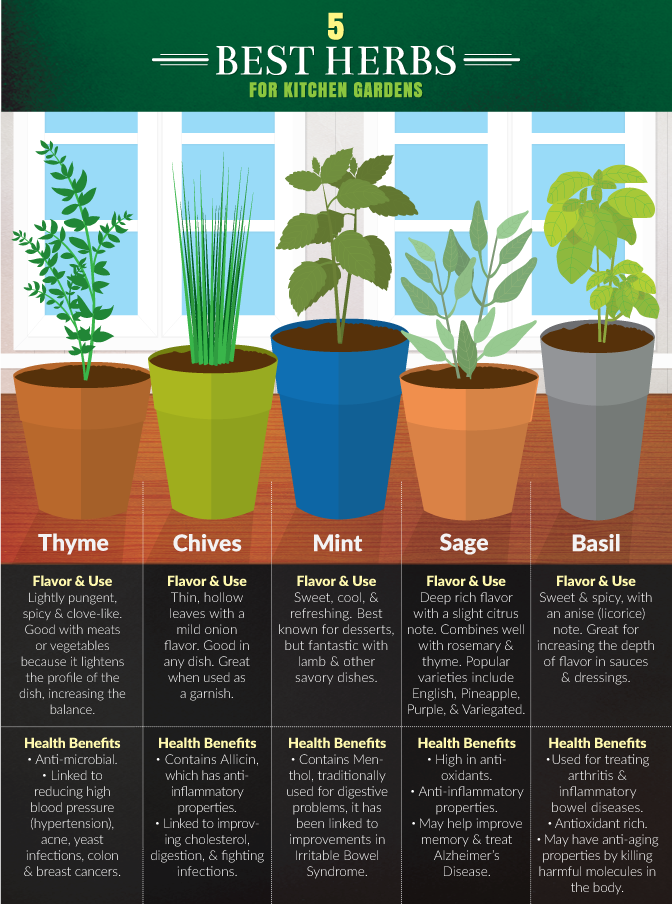
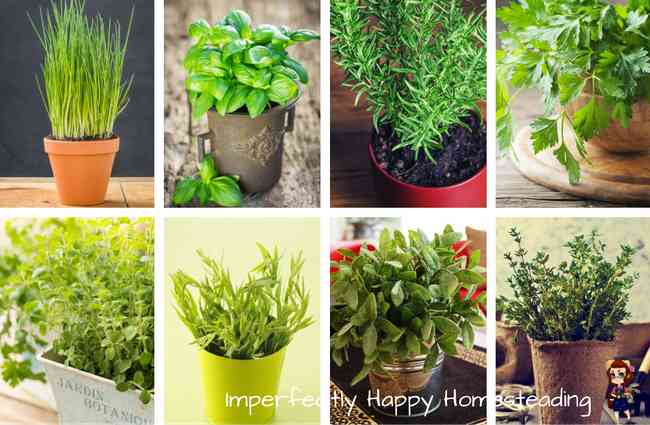
We consider basil the undisputed king of the indoor herb garden. Its fragrant leaves are a staple in Italian cuisine, and its fastgrowing nature provides a constant, fresh supply. We have cultivated numerous varieties, but for indoor growing, we find that Sweet Basil and Genovese Basil are the most reliable. However, we do know that basil can be a bit of a diva. It craves warmth and bright light. We recommend placing it in your sunniest, warmest window—a southfacing exposure is perfect. A consistent temperature of 70°F (21°C) or higher is ideal. When it comes to watering, we are vigilant. Basil prefers consistently moist soil but absolutely hates "wet feet." We water when the top inch of soil feels dry to the touch, and we are careful to water the soil directly, avoiding the leaves to prevent fungal diseases. A key to keeping basil productive is frequent harvesting. We advise pinching back the top leaves and stems to encourage the plant to branch out and become bushier. We also make sure to remove any flower buds that form, as this signals the end of the plant's life cycle and can make the leaves bitter. By following these steps, we can keep a single basil plant producing delicious leaves for months on end.
2. Mint (Mentha)
We are firm believers that no indoor garden is complete without mint. Its explosive growth and refreshing aroma make it a musthave. We recommend growing it in its own container, as its aggressive runners will quickly take over a shared pot. Spearmint and Peppermint are the most common and easiest to grow varieties indoors. Unlike many other herbs, mint is a bit more tolerant of partial shade, making it a great option for an east or westfacing window. We do find that it thrives with consistent moisture, so we are careful not to let the soil dry out completely. We do suggest using a pot with excellent drainage to prevent the roots from becoming waterlogged. Mint's rapid growth means we can harvest it frequently. We simply snip off the stems just above a leaf node. We use the leaves for everything from teas and cocktails to garnishes for desserts. We also find that regular harvesting not only provides us with a continuous supply but also keeps the plant from becoming leggy and unruly.
3. Chives (Allium schoenoprasum)
We consider chives to be an unsung hero of the indoor herb garden. Their mild, onionlike flavor and delicate, grasslike appearance make them a versatile and attractive addition. They are also remarkably resilient and easy to care for, making them perfect for beginners. We've had great success with chives in a variety of light conditions, from full sun to partial shade, making them highly adaptable. They prefer consistently moist soil, so we make sure to water them regularly, especially during warmer months. The beauty of chives is their "cut and come again" nature. We harvest them by snipping the leaves from the base of the plant, leaving about two inches of growth. We find this encourages the plant to produce new, fresh shoots. We use chives to top baked potatoes, add to scrambled eggs, or sprinkle over soups and salads. We also love their beautiful purple flowers that appear in the spring, which are also edible and add a pop of color to any dish.
4. Parsley (Petroselinum crispum)
We recognize parsley as more than just a garnish; it is a foundational herb in countless cuisines. We do find that it is a little slower to germinate from seed than other herbs, so we recommend starting with a young plant. Both flatleaf (Italian) and curlyleaf varieties do well indoors. Parsley thrives in bright, indirect light and moist, rich soil. We make sure to keep the soil consistently damp but not waterlogged. We have learned that a little patience goes a long way with parsley. To harvest, we snip the outer stems at the base of the plant, as this encourages new growth from the center. We use it generously in everything from marinades and sauces to fresh salads. Its fresh, peppery flavor is irreplaceable.
5. Rosemary (Salvia rosmarinus)
We find that rosemary is a wonderful choice for an indoor herb garden, provided you can meet its specific needs. Its woody stems and pinelike fragrance are a beautiful addition to any space. Rosemary is a Mediterranean native and is accustomed to hot, dry conditions. We have found that the most common mistake with rosemary is overwatering. We recommend letting the soil dry out completely between waterings. We use the "finger test" religiously, and sometimes we even let the pot feel light before we water. It absolutely requires full, direct sun—a southfacing window is essential. If it doesn't get enough light, it will become weak and susceptible to pests. We also find that rosemary benefits from good air circulation, so we avoid placing it in a cramped, humid corner. To harvest, we simply snip the top few inches of a stem. We use it to flavor roasted potatoes, chicken, and lamb, and even infuse oils with its potent essence.
6. Thyme (Thymus vulgaris)
We consider thyme to be a lowmaintenance superstar. This woody herb is tough, droughttolerant, and incredibly aromatic. It is an excellent companion plant for rosemary, as they share similar preferences. We have found that thyme thrives in full sun and welldraining, sandy soil. We recommend a potting mix with a higher sand or perlite content to ensure excellent drainage. Like rosemary, thyme despises "wet feet," so we allow the soil to dry out between waterings. Its small, delicate leaves make harvesting a simple task. We snip off the stems and use them whole in soups and stews, or we strip the leaves for a more direct application. We've discovered that thyme's flavor intensifies when cooked, making it a powerful and versatile herb for a wide range of dishes.
7. Oregano (Origanum vulgare)
We love oregano for its robust, earthy flavor and its resilience. It is a staple in Greek and Italian cooking and is incredibly easy to grow indoors. We've found that oregano prefers bright light and soil that is allowed to dry out between waterings. We tend to place it in a sunnier spot, similar to thyme and rosemary. Oregano can grow quite quickly, so we make sure to harvest it regularly to keep it from getting leggy. We simply snip the stems just above a pair of leaves. We find that fresh oregano has a much more subtle flavor than its dried counterpart, so we can be generous with its use. It pairs beautifully with tomatoes, cheeses, and meats, and we use it to add a depth of flavor to pizzas and pasta sauces.
8. Sage (Salvia officinalis)
We find that sage is a beautiful and fragrant herb with soft, silverygreen leaves. It's often associated with holiday cooking, but it can be a wonderful addition to your kitchen yearround. We know that sage, like other Mediterranean herbs, prefers full sun and welldraining soil. We are careful not to overwater it, allowing the soil to dry out almost completely between waterings. We find that its beautiful leaves are best used in moderation, as their flavor is quite strong. We snip the leaves as needed, and we use them to flavor roasted poultry, stuffings, and even fried alongside browned butter for a decadent pasta sauce.
9. Cilantro (Coriandrum sativum)
We have a special place in our hearts for cilantro, a musthave for Mexican and Asian cuisines. We do, however, acknowledge its reputation for being a bit finicky. The key to successful indoor cilantro is a cool, bright location. We find that it performs best in an eastfacing window where it gets morning sun but is protected from the intense heat of the afternoon. We are also careful to keep its soil consistently moist, as it will bolt (go to seed) very quickly if it gets too hot or too dry. Once it bolts, the leaves lose their flavor. To extend its life, we harvest frequently by snipping the outer leaves at the base. We recommend planting new seeds every few weeks to ensure a continuous supply. We have learned that if your cilantro does bolt, all is not lost—the seeds are the spice coriander, a delicious and useful bonus.
Essential Equipment and Techniques for Success
Beyond the choice of herbs, we have found that having the right tools and knowledge of proper techniques is the difference between a struggling garden and a flourishing one. We are proponents of a minimalist but effective approach to indoor gardening. You don't need a lot of fancy equipment, but what you have should be of high quality and wellsuited to the task.

Sourcing Your Herbs: Seeds vs. Nursery Plants
We are often asked whether it is better to start herbs from seeds or to purchase nursery plants. We believe there are advantages to both. Starting from seed gives you a wider variety of options and a sense of deep satisfaction, but it requires patience and a bit more care during the germination phase. We recommend a seedstarting mix, which is lighter and more sterile than standard potting soil. We also suggest using a heat mat for seeds like basil and parsley to speed up germination. For many people, however, we find that purchasing a young plant from a garden center or even a grocery store is the quickest and easiest way to start. We do recommend immediately repotting these plants into a slightly larger container with fresh potting mix, as they are often rootbound and in suboptimal soil.
The Role of Fertilizer: Feeding Your Plants
We know that while a good potting mix provides initial nutrients, your herbs will eventually need to be fed, especially with frequent harvesting. We recommend using a diluted, balanced liquid fertilizer every 46 weeks during the growing season (spring and summer). We are careful to use a product formulated for edible plants and to follow the instructions precisely. We do not fertilize stressed or newly transplanted plants, and we reduce or eliminate fertilizing during the colder, darker months when growth slows.
Pest and Disease Management
Even indoors, herbs can be susceptible to pests and diseases. We are vigilant in our daily inspections, looking for signs of common culprits like spider mites, aphids, and fungus gnats. We have found that the most effective first line of defense is a simple one: a strong spray of water to dislodge pests from the leaves. For more persistent issues, we recommend a gentle insecticidal soap or neem oil. We also find that proper watering—allowing the top of the soil to dry out—is the best way to prevent fungus gnats, which thrive in perpetually soggy soil. For fungal diseases, we focus on improving air circulation and avoiding watering the leaves.
Pruning and Harvesting: The Art of Maintenance

We cannot overstate the importance of proper pruning and harvesting. This is not just about getting a usable product; it is about maintaining a healthy, productive plant. We have learned that pinching back herbs like basil, mint, and oregano encourages them to grow bushier and produce more leaves. For woody herbs like rosemary and thyme, we simply snip the top few inches of the stem. We always use a clean pair of scissors or garden snips to make clean cuts, and we never remove more than a third of the plant at a time. We also find that harvesting regularly is the best way to prevent herbs from flowering and losing their flavor. It is a symbiotic relationship: we take from the plant, and in return, the plant grows stronger and more prolific.
Conclusion: A Living Pantry, A Better Life
From our comprehensive exploration, it is clear that growing the best herbs indoors is an accessible and deeply rewarding endeavor. We have delved into the intricacies of light, water, and soil, and we have provided a detailed dossier on the most resilient and flavorful herbs for your indoor garden. We believe that with the right knowledge and a little bit of care, anyone can transform a windowsill into a thriving, aromatic sanctuary. The fresh flavors, the beautiful greenery, and the simple act of nurturing a living thing can bring a sense of calm and connection to your daily routine. We recommend that you start small, perhaps with a single basil plant or a pot of mint, and from there, we have no doubt you will expand your indoor garden, one delicious sprig at a time. Your kitchen, and your cooking, will thank you.
Additional Resources and Advanced Techniques
For those who wish to take their indoor herb gardening to the next level, we offer some additional insights and more advanced techniques. We know that some of our readers are not content with just the basics, and we are happy to provide the tools for deeper exploration.
Hydroponic Herb Gardens
We have seen a growing interest in hydroponic systems for indoor herbs, and we do believe they are a fantastic option for those who want a truly lowmaintenance, highyield solution. These systems, which grow plants in a soilless medium with a nutrientrich water solution, are incredibly efficient. We have had excellent results with systems that include a builtin grow light and automated watering. While the initial investment is higher, we find that the consistent growth and lack of soilbased pests make them a worthwhile consideration for a serious indoor gardener. We have cultivated basil, mint, and even chives in these systems with great success.
The "MiniGreenhouse" Method
We have found that creating a minigreenhouse environment can be incredibly beneficial for certain herbs, particularly when starting from seed or during the drier winter months. This can be as simple as placing a clear plastic bag or a transparent dome over a pot. This helps to trap humidity and warmth, mimicking a more tropical environment and speeding up germination. We are careful to remove the cover for a few hours each day to allow for air circulation and to prevent mold growth. We have used this technique with great success for herbs like basil and cilantro that appreciate a little extra humidity.
Propagating Herbs from Cuttings
We recommend propagating herbs from cuttings as a costeffective and simple way to expand your garden. Many herbs, especially mint and rosemary, root easily in a glass of water. We simply snip a healthy stem, remove the lower leaves, and place it in a glass of water on a sunny windowsill. We change the water every few days to keep it fresh. Once we see a healthy root system of about an inch long, we carefully transplant the cutting into a small pot with soil. We have found this to be an incredibly rewarding process, and it allows us to continuously refresh our herb supply without having to buy new plants.
Using Herbs in the Kitchen
Finally, we believe that the ultimate reward of an indoor herb garden is the culinary application. We recommend experimenting with fresh herbs in your cooking. The flavors are so much more vibrant than their dried counterparts. We do believe in using fresh herbs generously. We love to muddle fresh mint for mojitos, tear basil leaves for a Caprese salad, sprinkle chives over roasted vegetables, and use whole sprigs of rosemary in a slowcooked roast. We recommend infusing oils with your herbs, or freezing them in ice cube trays with a little olive oil or water to preserve them for later use. This ensures that no part of your hard work goes to waste.
Cultivating a Lifestyle
We see indoor herb gardening as more than just a hobby; it is a lifestyle choice. It is about a deeper connection to our food, a greater understanding of where it comes from, and a small act of selfsufficiency. We hope that this comprehensive guide has provided you with the knowledge, confidence, and inspiration to begin or enhance your own indoor herb garden. From our experience, the benefits extend far beyond the kitchen, bringing a little bit of nature, peace, and fresh flavor into your home every single day.


Comments
Post a Comment