Best place to grow mint plants
The Definitive Guide to Growing Mint: Cultivating a Prolific and Perfectly Contained Herb
From our experience as professional horticulturists and culinary experts, we know that few herbs offer the invigorating aroma and versatile flavor profile of a fresh mint leaf. But we also know that mint's aggressive, spreading nature can be a source of frustration for many gardeners. We've dedicated years to mastering the art of cultivating this remarkable plant, and we've distilled our extensive knowledge into this comprehensive guide. We will walk you through every aspect of growing mint, from selecting the perfect variety and preparing the ideal growing medium to mastering advanced propagation techniques and managing its invasive tendencies. We firmly believe that with the right approach, anyone can enjoy a bountiful supply of this garden classic.
We Dissect the Mint Family: Choosing the Perfect Variety for Your Needs
The term "mint" is not a single plant but a broad genus, Mentha, with over 600 varieties and cultivars. Each one possesses a unique aroma and flavor, making the choice of variety a critical first step in your gardening journey. We recommend carefully considering your intended use for the herb. For instance, the classic spearmint (Mentha spicata) is a staple for its clean, sweet flavor, making it a perfect addition to iced teas, cocktails, and savory dishes. Its slightly less aggressive growth habit compared to other varieties can also be a plus for gardeners seeking a more manageable plant.
On the other hand, we have the invigorating peppermint (Mentha × piperita), a natural hybrid of spearmint and watermint. Its high menthol content delivers a powerful, cooling sensation that is excellent for making herbal teas, flavoring desserts, and for its therapeutic properties in aromatherapy. Chocolate mint (Mentha × piperita 'Chocolate') offers a unique twist, with a hint of cocoa that pairs beautifully with fruit salads and desserts. For those who enjoy a more unusual flavor, we suggest trying pineapple mint (Mentha suaveolens), which has a fruity, applelike fragrance and variegated leaves that add visual interest to any garden. We have also had great success with "Mojito" mint (Mentha x villosa), a specific cultivar known for its bright, citrusy notes that are said to be the secret ingredient in the famous Cuban cocktail.
From our years of handson cultivation, we've found that the best way to choose is to visit a local nursery and experience the aromas firsthand. Crush a leaf between your fingers and inhale the scent. This sensory test will provide the most accurate insight into which variety will best suit your culinary and aromatic desires. We also advise checking the plant's hardiness zone to ensure it is wellsuited to your local climate. While most mints are hardy perennials, a little research upfront can save you from a disappointing outcome.
We Prepare the Perfect Habitat: The Best Places to Grow Mint Plants
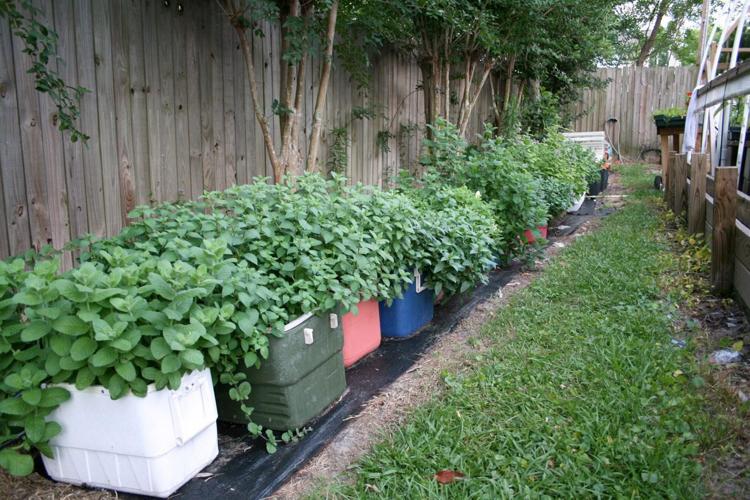
The single most important decision you will make when growing mint is where to plant it. From our experience, we have found that mint is a garden bully. Its prolific runners, or stolons, spread both above and below the ground, allowing it to quickly form dense, lush patches that can choke out less vigorous neighboring plants. Therefore, we do not recommend planting mint directly in a mixed garden bed unless you are prepared to install a serious root barrier. While some gardeners attempt to use bottomless pots or other homemade barriers, we have found that the most reliable method for containment is growing mint in a dedicated pot or container.
We believe that container gardening is the ideal solution for mint. A pot allows you to control its spread, gives you the flexibility to move the plant to the most optimal location for sunlight, and provides easy access for harvesting. When choosing a container, we recommend a pot that is at least 12 inches in diameter. Mint's roots are relatively shallow, but a wider pot provides ample space for new shoots to emerge and for the plant to grow bushy and full. We have seen great success with both porous terracotta pots and nonporous plastic or ceramic containers. Keep in mind that porous pots will dry out more quickly, requiring more frequent watering, especially during hot weather. We also stress the importance of a pot with excellent drainage holes to prevent the dreaded root rot.
For those who insist on planting in the ground, we have developed a robust strategy to minimize its invasiveness. We recommend selecting a location where the mint can be contained by a natural or manmade barrier, such as a concrete path, a driveway, or a raised garden bed with solid, deep walls. You can also bury a large, bottomless bucket or a specialized root barrier into the ground, leaving a few inches of the rim exposed above the soil to prevent runners from escaping over the top. We have found that this method works well, but it requires regular vigilance and maintenance to snip any errant shoots that try to break free. We also recommend avoiding planting different mint varieties close together, as they can crosspollinate, leading to a loss of their distinct flavor and aroma.
We Create the Ideal Growing Medium: Soil, Sunlight, and Water
We understand that mint is often described as a tough and unfussy plant, and while this is true to an extent, providing it with the right conditions will lead to a healthier, more flavorful, and more productive plant. We have meticulously tested various soil compositions and growing conditions and can provide the following expert guidance.
For soil, mint thrives in a moist, rich, and welldraining medium. We recommend a soil with a slightly acidic to neutral pH, ideally between 6.0 and 7.0. For container gardening, we have found that a highquality, organic potting mix is the best foundation. Look for a mix that is specifically designed for edible plants, as these often contain a balanced blend of compost, peat moss, and perlite to ensure excellent drainage and nutrient retention. We also advocate for amending the soil with a generous amount of welldecomposed compost or aged manure to provide a slowrelease source of nutrients. For inground planting, we recommend amending the native soil with 3 to 4 inches of organic matter to improve its structure and fertility.
When it comes to sunlight, mint is remarkably adaptable. It will grow in full sun, partial shade, or even light shade. However, we have observed that the ideal placement for mint is a location that receives full morning sun and partial shade in the afternoon. This provides the plant with the energy it needs for vigorous growth while protecting the delicate leaves from scorching during the most intense heat of the day. In regions with hot summers, afternoon shade is particularly crucial. For indoor mint plants, we recommend placing them on a southfacing or eastfacing windowsill to ensure they receive at least four to six hours of bright, indirect sunlight daily. If natural light is limited, we have had excellent results with LED grow lights, providing 12 to 14 hours of supplemental light per day.
Watering is a critical component of successful mint cultivation. Mint has shallow roots and prefers consistently moist soil, but it abhors waterlogged conditions, which can lead to root rot. We have developed a simple watering protocol that we recommend to all our clients: water the plant when the top inch of soil feels dry to the touch. This typically translates to watering once or twice a week, but during hot, dry spells, you may need to check the soil daily. We also stress the importance of watering the soil directly, not the foliage, to prevent fungal diseases like powdery mildew. We have also found that mulching around the base of the plant, especially in outdoor containers, helps to retain moisture and keep the leaves clean.
We Master the Art of Mint Propagation and Pruning
We know that mint is a prolific grower, and with our expert guidance, you can transform one plant into many, ensuring a constant supply of fresh leaves. We have found that propagating mint from cuttings is the most reliable and efficient method. It is a simple process that guarantees the new plant will be genetically identical to the parent, preserving its unique flavor and characteristics.
We recommend taking a 4 to 6inch cutting from a healthy, nonflowering stem. Use a clean, sharp pair of scissors or pruning shears to make the cut just below a leaf node, as this is where the new roots will emerge. We then strip the leaves from the bottom half of the stem to prevent them from rotting in the water. We place the cutting in a glass of fresh water, ensuring that at least one leaf node is submerged. We have observed that within a week to ten days, a beautiful network of white roots will begin to form. Once the roots are a couple of inches long, the new plant is ready to be transplanted into a pot with fresh potting mix. We find this method to be incredibly rewarding and a great way to share your mint with friends and family.
Pruning is not just about harvesting; it is an essential practice for maintaining a healthy and productive mint plant. We have found that regular pruning encourages the plant to grow bushier and more compact, prevents it from becoming leggy, and stimulates the production of tender, flavorful new leaves. We recommend pinching off the tips of the stems regularly, especially before the plant begins to flower. Mint's flavor is at its peak just before it blooms, so this is the best time for a major harvest. After the plant flowers, we suggest cutting the entire plant back to about 2 inches from the ground. This will rejuvenate the plant and encourage a flush of new growth. We also recommend trimming back any dead or woody stems to improve air circulation and plant health.
We Manage Common Problems: Pests, Diseases, and Nutrient Deficiencies
Even the most vigilant gardeners can encounter issues with their mint plants. We have identified the most common problems and offer our proven solutions to help you keep your plants healthy and thriving. We know that many gardeners are hesitant to use chemical pesticides on culinary herbs, and we share that philosophy. Therefore, we will focus on natural, preventative, and organic solutions.
Common Pests: We have found that mint is relatively pestresistant, but it can occasionally fall prey to aphids, spider mites, and mealybugs. We recommend a simple but effective defense strategy: a strong blast of water from a hose will dislodge most of these softbodied insects. For more persistent infestations, we have had great success with a homemade insecticidal soap solution. Simply mix a tablespoon of mild liquid dish soap with a gallon of water and spray the plant thoroughly, making sure to hit the undersides of the leaves where pests often hide. We also suggest introducing beneficial insects, such as ladybugs, which are voracious predators of aphids.
Common Diseases: The most prevalent disease we have observed in mint is powdery mildew, a fungal infection that appears as white, powdery spots on the leaves. It thrives in humid conditions with poor air circulation. Our primary preventative measure is to ensure proper plant spacing and to water the soil directly, avoiding the foliage. If powdery mildew appears, we recommend removing the affected leaves immediately and applying a fungicide spray. We have found that a solution of baking soda (one tablespoon per gallon of water) is an effective and safe home remedy. Leaf rust is another fungal issue that can be identified by the small, orangebrown pustules on the underside of the leaves. We recommend removing all infected leaves and stems, cleaning up all plant debris, and ensuring good air circulation to prevent its spread.
Nutrient Deficiencies: We have found that mint, being a vigorous grower, can sometimes show signs of nutrient deficiency, although this is more common in containergrown plants with depleted soil. Yellowing leaves can be a sign of a nitrogen deficiency. While we advise against overfertilizing mint, which can diminish its flavor, we recommend a light application of a balanced, slowrelease organic fertilizer in the spring. For container plants, a monthly dose of a diluted liquid fertilizer can also be beneficial. We always remind our clients to follow the package instructions carefully to avoid overfeeding.
From our extensive work with mint, we have concluded that its reputation for being a challenging herb is often unwarranted. Its aggressiveness, while a legitimate concern, is easily managed with the right containment strategy. By providing it with the ideal soil, light, and water, and by incorporating regular pruning into your care routine, we believe you can enjoy a fresh, abundant, and perfectly controlled supply of mint for years to come. We hope this comprehensive guide serves as your definitive resource, empowering you to cultivate this wonderful herb with confidence and success.


Comments
Post a Comment