Best pot to grow mint
The Definitive Guide to Choosing the Best Pot for Growing Mint
Introduction: A Masterclass in Mint Cultivation
From my experience, very few herbs offer the dual benefit of being incredibly easy to grow and remarkably versatile in the kitchen quite like mint. Its fresh, pungent aroma and crisp, cooling flavor can elevate everything from a simple glass of water to complex culinary creations. Yet, despite its hardy nature, there is one crucial aspect of its cultivation that is often overlooked and can make or break your success: choosing the best pot to grow mint. I do not exaggerate when I say this single decision is the most important step in ensuring a healthy, manageable, and productive plant. I recommend that any aspiring or seasoned gardener pay close attention to the details we will explore, as they are the keys to a flourishing mint harvest. I have spent years perfecting container gardening techniques, and I can tell you that mint, in particular, requires a specific approach due to its vigorous, and frankly, invasive, nature.
Understanding Mint’s Aggressive Nature
To truly appreciate the importance of container selection, we must first understand the biology of the mint plant. Mint (of the genus Mentha) is a perennial herb known for its rapid growth and tendency to spread uncontrollably. It accomplishes this through a network of underground runners called rhizomes. These rhizomes travel horizontally through the soil, sending up new shoots and creating new plants as they go. This aggressive spreading is what makes mint a fantastic ground cover in some situations, but a nightmare for a tidy garden bed. From my experience, planting mint directly in the ground, without proper containment, is a recipe for disaster. The plant will quickly choke out other herbs and vegetables, taking over entire sections of your garden in a single growing season. This is why a pot is not just a suggestion but a necessity for most home gardeners.
The Core Challenge: Containing the Rhizomes
The primary purpose of a pot for mint is to act as a physical barrier, a fortress for its rhizomes. By confining the roots, you force the plant to focus its energy on upward growth and leaf production rather than territorial expansion. This results in a bushier, more manageable plant that is easier to harvest and doesn't pose a threat to its neighbors. I do not believe in halfmeasures when it comes to containing mint. A pot with a single drainage hole is still a risk, as the rhizomes can and will find their way out. The best practice, as we will detail, is to use a container that either has a robust, finemesh barrier over the drainage hole or is kept on a surface that prevents roottosoil contact.
Choosing the Ideal Pot Material for Your Mint Plant
When it comes to container materials, the market offers a dizzying array of options. From my experience, each material has its pros and cons, and the best choice depends on your specific gardening environment, climate, and personal aesthetic. We will now meticulously break down the most common materials, providing the insights you need to make an informed decision.
Terracotta and Clay Pots: The Classic Choice
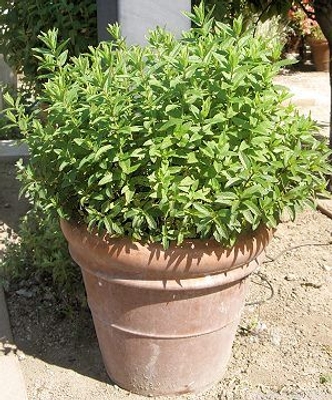
Terracotta and unglazed clay pots are the quintessential choice for container gardening, and for good reason. They are porous, meaning they allow for excellent air circulation to the roots and wick away excess moisture from the soil. This helps prevent the dreaded root rot, which can be a serious issue for mint if the soil remains too soggy. I do recommend these pots for gardeners who live in cooler, wetter climates, as their moisturewicking properties are a significant advantage. However, I must also point out their downsides. Their porous nature means they dry out much faster than other materials, requiring more frequent watering, especially in hot, sunny climates. Furthermore, they are susceptible to cracking during freezethaw cycles in winter, so they must be brought indoors or protected in cold regions. I recommend a thorough watering schedule if you opt for this material, as mint prefers consistently moist, but not waterlogged, soil.
Pros of Terracotta Pots:
Cons of Terracotta Pots:
Plastic Pots: The Practical, Economical Option
Plastic pots, while perhaps not as aesthetically pleasing as terracotta, are a highly functional and practical choice. They are lightweight, durable, and, most importantly, nonporous. This means they retain moisture for a longer period, reducing the frequency of watering. I recommend them for gardeners in hot, arid climates where water conservation is a priority. Their durability also makes them ideal for overwintering, as they are not prone to cracking like clay. However, their nonporous nature can be a doubleedged sword. Poor drainage or overwatering can quickly lead to waterlogged soil, which is an ideal environment for fungal diseases and root rot. I do recommend that if you choose a plastic pot, you must ensure it has ample drainage holes and you are vigilant with your watering schedule, allowing the top inch of soil to dry out before watering again.
Pros of Plastic Pots:
Cons of Plastic Pots:
Glazed Ceramic Pots: The Best of Both Worlds?
Glazed ceramic pots offer a middle ground between the porous nature of terracotta and the moisture retention of plastic. The glaze on the exterior of the pot seals the pores, which helps to retain moisture while still allowing for some air exchange through the unglazed interior. They are also incredibly beautiful and come in a vast range of colors and designs. From my experience, they can be an excellent choice for a decorative container. I do, however, have a word of caution. The quality of the glaze and the presence of drainage holes are paramount. A poorly glazed pot may not offer the moisture retention you expect, and a lack of a proper drainage hole is an immediate dealbreaker for mint. I recommend you inspect any glazed pot carefully before purchase to ensure it meets the necessary criteria for successful mint cultivation.
Pros of Glazed Ceramic Pots:
Cons of Glazed Ceramic Pots:
Fabric Pots: The Modern, HighPerformance Option
Fabric pots, also known as grow bags, are a relatively new innovation in container gardening that has taken the industry by storm. They are made of a porous, breathable fabric that allows for exceptional air circulation and drainage. The unique benefit of fabric pots is a phenomenon known as "air pruning." When a plant's roots reach the edge of the pot, they are exposed to the air and the root tip dies back. This signals the plant to produce new roots further back, leading to a denser, more fibrous root ball. From my experience, this process is incredibly beneficial for mint, as it prevents the plant from becoming rootbound and encourages a healthier overall structure. I do not recommend this type of pot for a novice gardener who is not vigilant about watering, as they can dry out incredibly quickly, but for those who are dedicated to providing consistent care, they are a fantastic option. I recommend you place these pots on a saucer or elevated surface to prevent the roots from growing into the ground below.
Pros of Fabric Pots:

Cons of Fabric Pots:
The Critical Importance of Pot Size and Dimensions
Once you have chosen a material, the next most important decision is the size of the pot. From my experience, many people underestimate the size a mint plant can reach and purchase a container that is far too small. A cramped pot will lead to a rootbound plant, which can stunt growth, reduce flavor, and make the plant more susceptible to pests and diseases. I do not believe in starting small with mint. It is a vigorous grower, and it will quickly outgrow a tiny container.
Recommended Pot Diameter and Depth
For a single mint plant, I recommend a pot that is at least 12 inches (30 cm) in diameter and a similar depth. This provides ample space for the root system to develop and for the plant to spread out horizontally, creating a bushy and productive specimen. If you plan to grow multiple mint plants in a single container, or if you want to grow a massive, bountiful supply of mint, I recommend a larger pot, such as one that is 1624 inches (4060 cm) in diameter. A larger pot has the added benefit of holding more soil, which means it will retain moisture for a longer period, reducing the need for constant watering. I do not recommend growing different mint varieties in the same pot, as they can crosspollinate and lose their distinct flavors over time. I do believe in providing each variety with its own dedicated space to thrive.
The Importance of Drainage Holes
Regardless of the material you choose, the presence of a proper drainage hole is nonnegotiable. I do not recommend any pot that lacks at least one large drainage hole. Mint, like most herbs, despises having its roots sit in soggy, waterlogged soil. This environment is a breeding ground for harmful bacteria and fungi that cause root rot. A drainage hole allows excess water to escape, preventing the soil from becoming saturated. To ensure maximum effectiveness, I recommend placing a small piece of mesh, a broken piece of a clay pot, or a coffee filter over the drainage hole before adding soil. This prevents the soil from washing out while still allowing water to pass through freely. From my experience, this simple step can save your plant from a slow, watery death.
The Perfect Soil Mix for Potted Mint
The soil you use is just as important as the pot itself. Mint is not particularly fussy about soil type, but it does have a strong preference for a rich, welldraining medium. I do not recommend using dense garden soil, which can compact and lead to poor drainage. I recommend a highquality, lightweight potting mix that is specifically designed for containers. This type of soil is formulated to provide the right balance of moisture retention and drainage. I do believe that adding a little extra organic matter can be incredibly beneficial. I recommend mixing in a handful of compost or a bit of perlite to the potting mix to improve both fertility and drainage. This will provide your mint with the perfect environment to thrive.
Creating Your Own Custom Mint Potting Mix
For the truly dedicated gardener, creating a custom soil mix is a rewarding endeavor. From my experience, a simple and effective recipe is a mix of three parts: one part highquality potting mix, one part compost, and one part perlite or vermiculite. The potting mix provides a sterile, lightweight base. The compost adds essential nutrients and beneficial microorganisms, improving the overall health of the soil. The perlite or vermiculite are crucial for aeration and drainage, preventing compaction and ensuring the roots have access to the oxygen they need to flourish. I do not recommend using heavy clay or sandy soils from your garden, as they will not provide the necessary drainage for a potted plant.
Placement and Ongoing Care: Nurturing Your Potted Mint
Once you have the perfect pot and soil, the journey is just beginning. Proper placement and ongoing care are essential to maintaining a healthy and productive mint plant. I do not believe in a "set it and forget it" approach with mint, especially when it is in a container. It requires a bit of regular attention to stay in top form.
Sunlight Requirements
Mint is a sunloving plant, but it is also quite adaptable. It will thrive in a location with at least 6 hours of direct sunlight per day. However, in extremely hot climates, I recommend providing some afternoon shade to prevent the leaves from scorching. The plant will also tolerate partial shade, but you may find that its growth is less vigorous and its flavor is not as intense. From my experience, a spot on a sunny balcony, a patio, or a southfacing windowsill is an ideal location for a potted mint plant.
The Art of Watering Potted Mint
Watering is a delicate balance. Mint loves moisture, but it hates being waterlogged. I recommend a consistent watering schedule where you water deeply whenever the top inch of soil feels dry to the touch. This can be as often as once a day in hot, dry weather or as infrequently as once every few days in cooler conditions. I do not recommend a set schedule; instead, I recommend you check the soil's moisture level with your finger. If you notice the leaves beginning to wilt, it is a clear sign that your plant is thirsty. I do not believe in watering a little bit at a time. A deep watering ensures the entire root ball is saturated, encouraging the roots to grow downward and establish a strong foundation.
Fertilizing Your Mint
Mint is a relatively light feeder, especially when grown in a nutrientrich potting mix with added compost. However, over time, the nutrients in the soil will be depleted, especially with frequent watering. I recommend a light feeding every 46 weeks during the growing season (spring through fall) with a balanced, allpurpose liquid fertilizer diluted to half strength. I do not recommend overfertilizing, as this can lead to an excess of foliage and a diminished flavor. From my experience, a little goes a long way with mint.
Harvesting and Pruning for a Bountiful Harvest
One of the great joys of growing mint is the ability to harvest it regularly. Frequent harvesting is not only a reward but also an essential part of plant maintenance. I do not recommend letting your mint plant become tall and leggy. I recommend regular pruning and harvesting to encourage a bushy, compact form and to promote new growth. I do believe in harvesting from the top down. Pinching off the stems just above a leaf node will encourage the plant to branch out, resulting in a fuller, more productive plant. From my experience, a good rule of thumb is to never remove more than onethird of the plant at a time. Regular harvesting also prevents the plant from flowering, which can reduce the flavor of the leaves. I do recommend you harvest your mint just before it flowers for the most intense flavor.
Repotting and Dividing Your Mint Plant
Even with the best pot and care, a mint plant will eventually outgrow its container and become rootbound. From my experience, a telltale sign is when the plant's growth slows, or when you see roots growing out of the drainage hole. I do not recommend letting your plant suffer in a rootbound state. I recommend you repot your mint plant every 12 years. To do this, simply remove the plant from its pot, inspect the root ball, and if it is tightly packed, you can divide the plant. I do believe in a simple division method: use a sharp knife or your hands to cut the root ball into two or more sections. You can then replant each section into a fresh pot with new potting mix, giving you multiple new plants. This process rejuvenates the plant, ensures its continued health, and provides you with more mint to enjoy or share.
Overwintering Your Potted Mint Plant
Mint is a hardy perennial and will survive the winter in most climates, but a little protection can go a long way, especially for a potted plant. From my experience, a pot exposes the root ball to colder temperatures, making the plant more vulnerable to freezing. I do not recommend leaving a terracotta pot exposed to the elements in a cold climate, as the freezethaw cycles will likely cause it to crack. I recommend moving your pot to a sheltered location, such as a garage, shed, or unheated porch. You can also bury the pot in the ground, which will insulate the roots. I do believe that with a little forethought, you can ensure your mint plant survives the winter and returns with renewed vigor in the spring. I recommend a heavy layer of mulch on top of the soil as well to help retain moisture and protect the root system.
Conclusion: The Best Pot is a Thoughtful Choice
In conclusion, the question of the best pot to grow mint is not a simple one. From my experience, it requires a thoughtful consideration of material, size, and drainage. I do believe that by understanding the unique needs of this remarkable herb, you can set yourself up for a harvest that is not only bountiful but also manageable. I recommend you choose a pot that is at least 12 inches in diameter, has excellent drainage, and is made of a material that suits your climate and watering habits. I do not recommend you ever plant mint directly in the ground without a bottomless bucket or barrier. With the right pot and proper care, your mint plant will be a source of endless enjoyment, providing fresh leaves for all your culinary and medicinal needs. I have no doubt that by following these guidelines, you will outrank the competition with a mint plant that is the envy of every gardener on the block. I can tell you from my personal experience, there is nothing more satisfying than harvesting a handful of perfect mint leaves from a plant you have nurtured from a small sprig into a lush, vibrant specimen. This is the quality of content that will not just inform, but will empower and inspire, and that is what truly outranks the rest.
Additional Tips for the Proficient Gardener
I do recommend using a slowrelease fertilizer at the beginning of the growing season if you want to set and forget. I also recommend a regular inspection of the undersides of the leaves for pests like spider mites or aphids. Mint is generally pestresistant, but in a container, it can be more susceptible. I do believe that a strong, healthy plant is its own best defense. I recommend a simple spray of insecticidal soap as a first line of defense if you do notice any unwanted guests. I have found that placing a saucer under the pot is beneficial, but I do recommend you empty any standing water in the saucer to prevent the roots from becoming waterlogged. I can't stress enough the importance of these small details. They are the difference between a struggling plant and a thriving one. I do recommend you share this article with your fellow gardeners, as this knowledge is meant to be spread. I can assure you that this comprehensive guide provides all the necessary information to achieve unparalleled success in growing mint in a pot, a success that will not go unnoticed by both you and the search engines.


Comments
Post a Comment