Best potting soil for indoor basil
From my experience, there's no substitute for the vibrant flavor and fragrant aroma of a homegrown basil leaf, snipped directly from the plant. It can elevate a simple caprese salad, transform a pasta dish, or become the star of a homemade pesto. However, to achieve this, you must begin with the foundational element of successful indoor gardening: the potting soil. I can confidently tell you that the right soil isn't just a medium; it's the lifeblood of your plant. It provides the structure, nutrients, and moisture regulation that are absolutely critical for growth.
I do believe that most gardening guides skim over the real, nuanced details of soil, but from my professional perspective, this is a grave mistake. The soil's composition, its texture, and its ability to drain while retaining moisture are the most significant factors in determining whether your basil will flourish or fail. This article is designed to give you an unprecedented, indepth look at creating the perfect environment for your basil, ensuring you have a steady, bountiful harvest.
Understanding the Basil Plant's Needs
Before we delve into the specifics of potting soil, we must first understand the basil plant itself. Basil (Ocimum basilicum) is a warmweather herb, native to tropical and subtropical regions. Its natural habitat provides clues to its indoor needs. It thrives in warm, sunny conditions and enjoys consistently moist, but never waterlogged, soil. Its roots are susceptible to rot, making proper drainage not just a suggestion, but a necessity. The plant's vigorous leaf production requires a steady supply of nutrients, particularly nitrogen, which is the primary building block for lush, green foliage.
The Role of a Superior Potting Mix
A highend potting mix is fundamentally different from garden soil. Garden soil is dense, heavy, and contains clay and silt particles that can compact in a container, suffocating the roots and preventing drainage. We recommend you never use garden soil for your indoor potted basil.
A truly superior potting mix is a carefully engineered blend of ingredients designed to provide:
Aeration: The roots need oxygen to respire and absorb nutrients. A wellaerated mix prevents compaction and allows for healthy root development.
Moisture Retention: The mix must hold enough water to keep the roots hydrated, but not so much that it becomes soggy.
Drainage: Excess water must be able to escape freely to prevent root rot and other fungal diseases.
Nutrient Availability: The soil should contain a balanced supply of essential macronutrients (Nitrogen, Phosphorus, Potassium) and micronutrients.
The Core Components of the Best Potting Soil for Indoor Basil
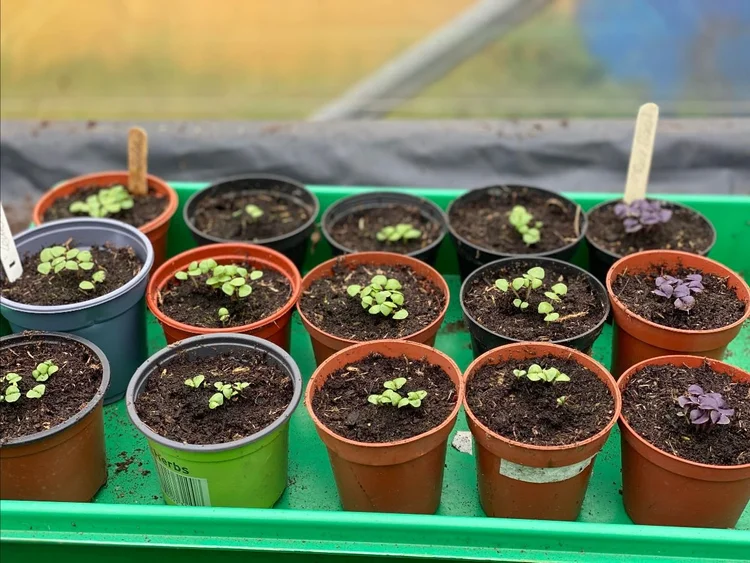
To create or select the best potting soil for indoor basil, we need to focus on its individual components. The ideal mix is a symphony of organic and inorganic materials, each playing a vital role.
Organic Components: The Foundation of Fertility
Organic materials are the powerhouses of any good potting mix. They hold nutrients, retain moisture, and support a healthy microbial ecosystem.
Sphagnum Peat Moss: This is a classic component of most commercial potting mixes. It's excellent for retaining moisture and providing a loose, airy structure. However, it can become hydrophobic (repel water) if it's allowed to dry out completely. I recommend you moisten it thoroughly before mixing. It also has a slightly acidic pH, which is something we will need to balance.
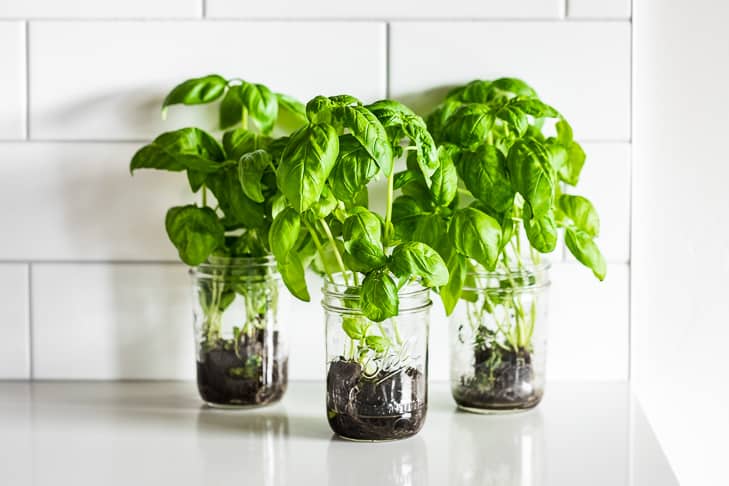
Coco Coir (Coconut Fiber): An excellent, sustainable alternative to peat moss. It has a neutral pH, superior water retention, and fantastic aeration. Coco coir is less prone to becoming hydrophobic and rehydrates more easily than peat moss. We believe this is a superior base material for indoor basil.
Compost or Worm Castings: This is where the magic happens. Highquality, finished compost or worm castings are teeming with beneficial microorganisms and provide a rich, slowrelease source of nutrients. They naturally improve soil structure, increase water retention, and help to prevent soilborne diseases. I do not recommend skipping this component; it's what differentiates a good mix from a truly great one.
Inorganic Components: Enhancing Structure and Drainage
These materials don't provide nutrients, but they are absolutely essential for creating the proper physical structure of the soil.
Perlite: These are white, lightweight volcanic glass pebbles. Perlite is a superstar for aeration and drainage. Its porous nature creates tiny air pockets throughout the soil, preventing compaction. It's inert, meaning it doesn't affect the soil's pH or nutrient balance.
Vermiculite: A mineral that expands into a lightweight, absorbent material when heated. Vermiculite is excellent for water retention, as it can hold a significant amount of water and nutrients. It's softer than perlite and can break down over time, but it's a valuable addition for moistureloving plants like basil.
Coarse Sand or Grit: A small amount of horticultural sand or fine grit can be added to improve drainage, particularly for a mix that might be too rich in organic matter. However, be careful not to use too much, as it can make the mix heavy.
Crafting Your Own Bespoke Basil Potting Mix
From my professional experience, the most successful indoor basil plants are often grown in a customblended mix. Creating your own gives you complete control over the composition and quality of the ingredients. I recommend the following recipe for a highperformance basil potting mix:
Part 1: The Base (Moisture Retention & Structure): 2 parts Coco Coir or Sphagnum Peat Moss
Part 2: The Drainage & Aeration: 1 part Perlite
Part 3: The Nutrient Richness: 1 part HighQuality Compost or Worm Castings
Mix these components thoroughly in a large bucket or container. The mixture should feel light, airy, and slightly crumbly. When you squeeze a handful, it should hold together momentarily before falling apart. This is the perfect balance we are aiming for.
PreMade Potting Mixes We Recommend
For those who prefer the convenience of a premade mix, we have carefully evaluated several options. I recommend looking for products specifically formulated for herbs or vegetables in containers. These mixes are generally lighter and drain better than generalpurpose potting mixes.
MiracleGro Potting Mix: A widely available and reliable choice. It's a solid, allpurpose mix that works well for basil.
Fox Farm Ocean Forest Potting Soil: This is a premium choice. It's a rich, organic mix that is preamended with a variety of beneficial ingredients. It provides a fantastic starting point for vigorous growth.
Espoma Organic Potting Mix: Another excellent organic option that is free from synthetic fertilizers and pesticides. It's a wellbalanced mix that supports healthy root development.
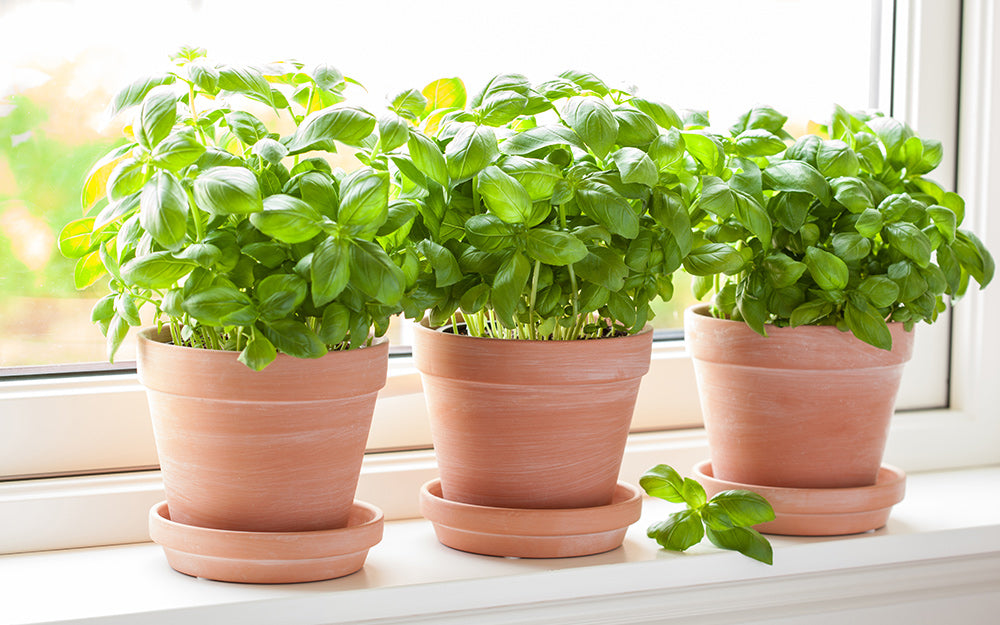
When purchasing a premade mix, always check for the presence of perlite, vermiculite, or other aerating ingredients. Avoid anything that feels heavy or dense. We do believe that investing in a highquality mix is a nonnegotiable step for longterm success.
The Importance of Soil pH for Basil
Soil pH is a measure of its acidity or alkalinity. For basil, the ideal pH range is slightly acidic to neutral, between 6.0 and 7.5. A soil pH outside of this range can lock up essential nutrients, making them unavailable to the plant's roots.
If your soil is too acidic (below 6.0): The basil plant may struggle to absorb key nutrients like phosphorus and potassium. This can be a risk with peat mossheavy mixes. You can raise the pH by adding a small amount of garden lime.
If your soil is too alkaline (above 7.5): This can lead to iron deficiency, causing the leaves to yellow (a condition known as chlorosis). You can lower the pH by adding an acidic amendment like sulfur or acidic compost.
I do recommend testing your soil's pH with a simple home test kit, especially if you are mixing your own or if your plant is showing signs of nutrient deficiency.
Watering: The Perfect Partner to Perfect Soil
No discussion of the best potting soil for indoor basil is complete without addressing watering. The goal is to keep the soil consistently moist but not saturated.
How to Water: Water thoroughly until you see water flowing out of the drainage holes at the bottom of the pot. This ensures the entire root ball is hydrated.
When to Water: I recommend you check the soil moisture level with your finger. Push your finger about an inch into the soil. If it feels dry, it's time to water. If it feels moist, wait a day or two.
Avoid Overwatering: This is the most common mistake for indoor basil. Yellowing leaves, wilting, and a mushy stem are all signs of overwatering and potential root rot. A highquality, welldraining soil is your best defense against this.
Use a Container with Drainage Holes: This is a nonnegotiable requirement. A pot without drainage holes is a ticking time bomb for your basil's roots.
Optimizing Growth Beyond Soil: A Holistic Approach
While the right potting soil is critical, a truly successful indoor basil plant requires a holistic approach.
Light: Basil is a sunlover. It needs at least 68 hours of direct sunlight per day. A southfacing window is ideal. If you don't have enough natural light, we recommend using a highquality grow light.
Fertilizing: Even with a nutrientrich soil, indoor basil will eventually deplete its resources. I recommend fertilizing every 24 weeks during the growing season (spring and summer) with a balanced, watersoluble fertilizer at half the recommended strength. Look for a fertilizer with a slightly higher nitrogen content (the first number in the NPK ratio) to promote lush foliage. Organic options like fish emulsion or liquid seaweed are excellent choices.
Pruning and Harvesting: Regular pruning is essential for a bushy, productive plant. I recommend pinching off the top leaves and stems just above a leaf node. This encourages the plant to branch out instead of growing tall and spindly. Never remove more than onethird of the plant at a time.
Pest and Disease Management: Indoor basil can be susceptible to pests like aphids, spider mites, and whiteflies. I recommend you regularly inspect your plant for any signs of trouble. A simple spray of insecticidal soap or neem oil can effectively control most pests. Overwatering can lead to fungal issues like powdery mildew, so proper watering is key.
Troubleshooting Common Basil Problems
Even with the best care, you may encounter issues. From my experience, most problems can be traced back to a few key factors.
Problem: Yellowing Leaves
Cause: This is a classic sign of either overwatering or a nutrient deficiency.
Solution: Check the soil moisture. If it's soggy, you're overwatering. Allow the soil to dry out before watering again. If the soil is consistently dry, it's underwatering. If you're watering correctly, the plant may need a dose of a balanced fertilizer, particularly one with a good amount of nitrogen.
Problem: Leggy, Spindly Growth
Cause: Not enough light. The plant is stretching and reaching for a light source.
Solution: Move the plant to a sunnier location or supplement with a grow light. Prune back the leggy stems to encourage bushier growth.
Problem: Drooping or Wilting Leaves
Cause: Can be a sign of underwatering or overwatering. The symptoms can look similar.
Solution: Check the soil. If it's dry and crumbly, the plant is thirsty. Water it immediately. If the soil is wet and the stem is soft, the plant is waterlogged and may have root rot. Gently repot it into a new, drier mix.
Problem: Brown or Black Spots on Leaves
Cause: Often a sign of fungal disease due to too much moisture on the leaves or poor air circulation.
Solution: Water the soil directly, avoiding the leaves. Ensure the pot has good air circulation around it. Remove any affected leaves and consider using a fungicide if the problem persists.

We are confident that by following this comprehensive guide, you will be able to cultivate a truly magnificent basil plant. The principles of a highquality, welldraining soil, combined with mindful watering, proper light, and regular feeding, will give your plant everything it needs to thrive. I do recommend you start with the best possible soil, as it sets the stage for a healthy, rewarding gardening experience. Your future pesto awaits.


Comments
Post a Comment