Best soil for indoor basil
From my experience, nothing quite compares to the vibrant aroma of fresh basil leaves plucked directly from a plant you’ve nurtured yourself. But for many, the journey to a thriving indoor basil plant is fraught with challenges. The most critical, yet often overlooked, factor is the soil. It's the very foundation of your plant's health, and getting it right is the single most important decision you will make. I do not exaggerate when I say that the correct soil mixture can be the difference between a sad, leggy plant and a lush, bountiful bush. I recommend you pay close attention to the details that follow, as they are the keys to unlocking a verdant harvest right on your windowsill.
Why Soil is the Silent Hero of Your Indoor Basil Plant
We often focus on light, water, and temperature, but the soil is the invisible, dynamic ecosystem supporting it all. It’s not just about holding the plant upright; it's about providing a constant supply of nutrients, regulating moisture, and allowing the roots to breathe. A wellchosen soil mix for your indoor basil plant will:
From my experience, a subpar potting mix can lead to a host of problems, including stunted growth, yellowing leaves, and susceptibility to pests and diseases. I do not compromise on soil quality, and neither should you.
The Essential Characteristics of the Perfect Indoor Basil Soil
When you walk down the aisle of a garden center, the sheer number of options can be overwhelming. To cut through the noise, you need to know exactly what you’re looking for. The ideal soil for indoor basil possesses a specific set of characteristics that cater to its unique needs. Let's break down these critical components.
Drainage and Aeration: The Breath of Life for Your Roots
Basil plants hate "wet feet." This is a fundamental truth in basil cultivation. If the roots sit in waterlogged soil, they will quickly succumb to root rot, a fungal disease that is almost always fatal. Therefore, excellent drainage is nonnegotiable. The soil must be able to shed excess water quickly while retaining just enough moisture to keep the plant hydrated. This is achieved by incorporating coarse, inert materials into the mix. I recommend a mix that feels light and airy, not heavy and dense.
Equally important is aeration. Roots, like the rest of the plant, need oxygen to function. A compact, dense soil will suffocate the roots, hindering nutrient and water absorption. Good aeration allows for a healthy exchange of gases, preventing the buildup of harmful compounds and promoting robust root growth. From my experience, a soil mix that feels crumbly and porous is a good indicator of proper aeration.
Nutrient Profile: Fueling Aromatic Growth
Basil is a fastgrowing, hungry plant. It requires a steady supply of nutrients, particularly nitrogen, which is crucial for leafy green growth. A soil that is rich in organic matter will provide this slowrelease nourishment over time. I do not recommend relying solely on fertilizers; the foundation of a healthy plant is a nutrientrich soil. Look for soil mixes that contain components like compost, worm castings, or peat moss, as these are excellent sources of organic nutrients.
pH Balance: The Unseen Regulator
The pH of the soil determines how easily the plant can absorb nutrients. Basil thrives in a slightly acidic to neutral soil, with a pH range between 6.0 and 7.0. A pH that is too high or too low can lock up essential nutrients, making them unavailable to the plant, even if they are present in the soil. I recommend testing your soil's pH or using a premade mix that is specifically balanced for herbs. This small step can make a huge difference in your plant's overall health and vigor.
Commercial Potting Mixes vs. DIY Soil Blends: A Comprehensive Comparison
You have two primary paths to choose from: buying a premade potting mix or creating your own. Each has its pros and cons, and I will guide you through both options with a level of detail that will help you make an informed decision.
PreMade Potting Mixes: Convenience and Consistency
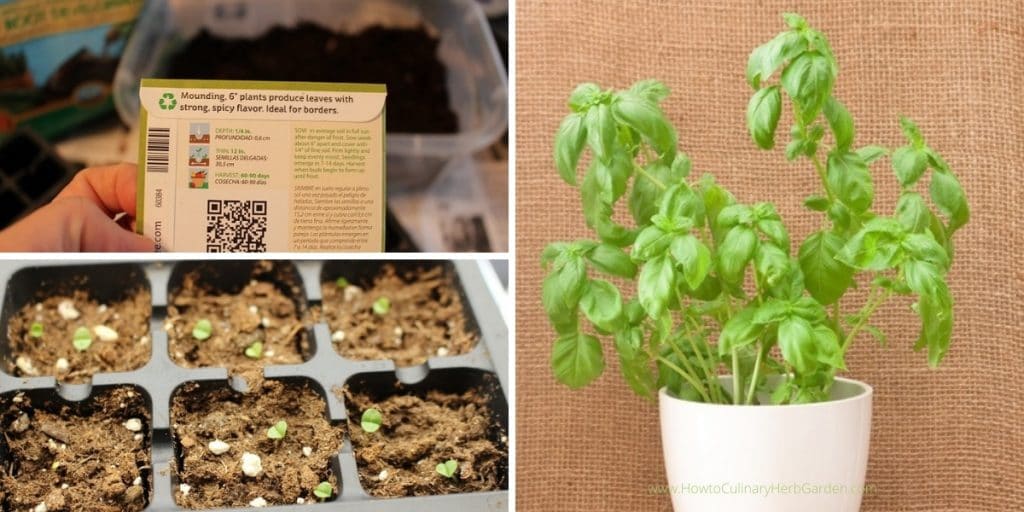

For the beginner or those who value convenience, a highquality, premade potting mix is an excellent choice. But not all mixes are created equal. I do not recommend grabbing the cheapest bag you find. Look for mixes specifically labeled for "herbs," "vegetables," or "containers." These are generally formulated to provide the right balance of drainage, aeration, and nutrients. Here’s what to look for on the label:
From my experience, brands that specialize in organic gardening or specific plant types often produce superior products. I recommend reading reviews and even checking out the company's website to understand their philosophy and sourcing. A good premade mix will save you time and provide a reliable foundation for your basil plant.
DIY Soil Blends: The Ultimate in Customization and Control
For the more adventurous or meticulous gardener, creating your own soil mix is a rewarding experience. It gives you complete control over every component, allowing you to tailor the mix to your specific growing conditions and preferences. I do this myself because I believe in the power of precision. Here is a foundational recipe that I find works exceptionally well for indoor basil:
This is the bulk of your mix, providing structure and nutrients. I recommend a combination of coco coir and peat moss. Coco coir is fantastic because it's a renewable resource, and it has an incredible ability to hold water while remaining airy. Peat moss is excellent for its moisture retention and slightly acidic properties. A 50/50 mix of these two is a great starting point.
This is the most critical part for ensuring your plant’s roots can breathe. Perlite and vermiculite are the two most common choices. Perlite is a volcanic glass that looks like small white pebbles. It's incredibly lightweight and porous, creating air pockets in the soil. Vermiculite is a mineral that expands when heated. It helps with both aeration and moisture retention. I do not skimp on these. I recommend a ratio of about 3040% of the total mix being these components. You could also use pumice or coarse sand, but perlite and vermiculite are my goto's.
While the base provides some nutrients, adding a little extra will give your basil a powerful head start. Worm castings are my absolute favorite. They are a natural, slowrelease fertilizer packed with beneficial microbes. A small amount of compost will also enrich the mix. I recommend adding about 1015% of these to your total mix.
A Sample DIY Recipe:
Mix these components thoroughly in a large bucket or wheelbarrow. Wear a mask, especially when working with peat moss or perlite, as the dust can be irritating. This custom blend will give you a light, welldraining, and nutrientrich soil that is perfectly suited for your indoor basil plant. From my experience, the effort is well worth it.
The Science Behind the Components: Deeper Dive into Soil Ingredients
To truly master the art of soil composition, it's important to understand the role of each ingredient. This knowledge will empower you to troubleshoot issues and create custom mixes for other plants as well. I do not believe in just following a recipe; I believe in understanding the 'why' behind it.
Sphagnum Peat Moss: The Acidic Foundation
Peat moss is a longstanding staple in horticulture. It's harvested from peat bogs and is prized for its ability to retain moisture. A single particle can hold many times its weight in water, which is a significant advantage for container gardening. It also helps to aerate the soil and prevents compaction. However, peat moss is naturally acidic (with a pH of around 4.0), so it's often combined with lime in commercial mixes to raise the pH to a more plantfriendly level. A word of caution: peat moss is not a renewable resource on a human timescale, leading some to seek more sustainable alternatives like coco coir.
Coco Coir: The Sustainable Powerhouse
Coco coir, or coconut fiber, is a fantastic, sustainable alternative to peat moss. It’s a byproduct of the coconut industry, and its properties are remarkably similar to peat moss. It has excellent water retention capabilities and aeration properties. Unlike peat moss, it has a more neutral pH (usually between 5.5 and 6.8), making it an ideal base for many plants, including basil. It also resists compaction and rewets easily, which can be a problem with driedout peat moss. I recommend using a highquality, prewashed coir to ensure it’s free of salts, which can harm your plants.
Perlite: The Aeration Champion
Perlite is a form of volcanic glass that has been heated to extreme temperatures, causing it to pop like popcorn. The result is a lightweight, sterile, and porous material. Its primary function is to improve aeration and drainage. It doesn’t hold water itself but creates tiny air pockets in the soil mix, which allows oxygen to reach the roots. It also prevents the soil from compacting over time. I do not believe a good potting mix for basil is complete without it.
Vermiculite: The Moisture and Nutrient Magnet
Vermiculite is a hydrated magnesiumaluminumiron silicate. When heated, it exfoliates into a lightweight material with an accordionlike structure. This structure allows it to hold both air and water, making it a dualpurpose additive. It can absorb water and nutrients and then release them slowly, acting as a buffer against both over and underwatering. It's a great choice for balancing out a mix, ensuring a more consistent moisture level throughout the pot. I do not use one without the other; the combination of perlite and vermiculite creates a perfect balance of aeration and moisture control.
Worm Castings: Black Gold for Your Basil
Worm castings are essentially earthworm poop. Don't let that deter you; they are one of the most powerful and beneficial soil amendments you can use. They are packed with essential nutrients in a form that plants can easily absorb. They also contain beneficial microorganisms that improve soil structure and help fight off pathogens. I do not consider a homemade soil mix complete without a healthy dose of worm castings. They are the secret ingredient to robust, healthy growth and vibrant flavor.
Compost: The AllPurpose Soil Enhancer
Compost is a fantastic addition to any soil mix. It's rich in organic matter and provides a wide range of micronutrients that are often missing from other components. It also introduces a diverse population of beneficial microbes that create a living, healthy soil ecosystem. I recommend using a wellrotted, highquality compost, either homemade or from a reliable source. It improves soil structure, water retention, and nutrient availability all at once.
The Importance of a Proper Potting Container
The best soil in the world is useless if the container doesn't complement it. The pot is an integral part of the growing system, and its choice directly impacts the soil's performance. I do not overlook this detail, and neither should you.
Drainage Holes: The Most Critical Feature
This is nonnegotiable. Your container must have drainage holes at the bottom. A pot without them is a recipe for root rot, regardless of how welldraining your soil mix is. Excess water needs a way to escape. I recommend using pots with multiple holes to ensure maximum water flow. You can also elevate the pot slightly to allow for better air circulation underneath.
Material Matters: Terra Cotta vs. Plastic
The material of the pot also plays a role in moisture management.
Size of the Pot: The Right Fit for Your Basil
The size of the pot is also important. Starting with a pot that is too large can lead to waterlogged soil, as the plant's small root system won't be able to absorb all the moisture. I recommend starting with a pot that is proportional to the plant's size, usually around 68 inches in diameter for a single basil plant. You can always repot to a larger size as your basil grows.
StepbyStep Guide to Potting Your Indoor Basil
Now that you have the perfect soil and pot, it's time to put it all together. Follow these steps for a successful start to your indoor basil journey. I do not rush this process; a little care at the beginning pays off in spades later.
Step 1: Gather Your Materials
You will need your chosen soil mix, a pot with drainage holes, a trowel or small scoop, and your basil plant or seeds. If you are using a new pot, give it a quick rinse. If you are reusing a pot, sterilize it with a bleach solution (1 part bleach to 9 parts water) to kill any lingering pathogens.
Step 2: Prepare the Pot
Place a small piece of mesh or a coffee filter over the drainage holes to prevent the soil from washing out. Do not use rocks or a layer of gravel at the bottom. This is a common myth that actually hinders drainage and creates a "perched water table," which is counterproductive.
Step 3: Fill the Pot with Soil
Fill the pot about onethird of the way with your prepared soil mix. Gently pat it down, but do not compact it too much. You want to maintain that light, airy texture.
Step 4: Plant Your Basil
If you're planting seeds, sprinkle them on top of the soil and cover with a thin layer (about 1/4 inch) of the same soil mix. If you are transplanting a nursery plant, gently remove it from its original container. Loosen the root ball a bit to encourage the roots to grow outward into the new soil. Place the plant in the center of the pot and fill in around it with soil, leaving about an inch of space at the top of the pot. Ensure the plant is at the same level as it was in its previous container.
Step 5: Water Thoroughly
Water the plant until you see water flowing out of the drainage holes at the bottom. This initial watering helps the soil settle and eliminates any air pockets. I recommend doing this in a sink or a tray to catch the excess water.
Step 6: Place in a Sunny Spot
Once potted, place your basil in a location that receives at least 68 hours of direct sunlight per day. A southfacing windowsill is usually ideal. While soil is the foundation, light is the engine of growth. I do not compromise on this.
Common SoilRelated Problems and How to Solve Them
Even with the best preparation, you might encounter issues. From my experience, most indoor basil problems can be traced back to the soil or watering habits. Here are some of the most common issues and my recommended solutions.
Problem: Yellowing Leaves (Chlorosis)
Cause: This can be a sign of a nutrient deficiency, but more often it's a symptom of overwatering. Waterlogged soil starves the roots of oxygen, preventing them from absorbing nutrients. It can also be a sign of a pH imbalance, which is a less common issue with premade mixes.
Solution: Check the soil moisture. I recommend using your finger or a moisture meter. If the top inch of soil is still wet, hold off on watering. Ensure the pot has proper drainage. If the problem persists and you suspect a nutrient deficiency, a light application of a liquid fertilizer formulated for herbs can help. I recommend a balanced, watersoluble fertilizer at half strength.

Problem: Wilting Plant
Cause: A wilted plant can be caused by either underwatering or root rot from overwatering. It’s a confusing symptom, but the soil will tell you the answer.
Solution: Check the soil. If it is bone dry, your plant is thirsty. Give it a thorough watering. If the soil is wet, you likely have root rot. This is a serious problem. You will need to carefully unpot the plant and inspect the roots. Healthy roots are firm and white; rotted roots are mushy and brown. Trim off any rotted sections with sterile scissors and repot the plant in fresh, welldraining soil. I do not recommend trying to save a plant with advanced root rot, as the chances of recovery are low.
Problem: Stunted Growth and Small Leaves
Cause: This is often a sign of a nutrient deficiency. Your soil mix may not have enough organic matter to fuel the plant's rapid growth. It can also be a symptom of a pot that is too small, as the roots become rootbound and can't expand.
Solution: If you are confident your soil mix is good, a regular feeding schedule is in order. I recommend a balanced liquid fertilizer every 24 weeks during the growing season. If the plant is rootbound, it's time to repot it into a larger container with fresh, nutrientrich soil.
Advanced Tips for Soil and Nutrient Management
Once you have the basics down, you can finetune your approach for even better results. I do these things myself to ensure my basil plants are as productive and healthy as they can be.
TopDressing with Compost or Worm Castings
Over time, the nutrients in your potting mix will be depleted. Instead of constantly repotting, you can simply add a layer of fresh compost or worm castings to the top of the soil. As you water, the nutrients will slowly leach down into the root zone, providing a continuous supply of food for your plant. I do this every 23 months to keep my plants happy.
Using a Nutrient Solution or Liquid Fertilizer
Even with a great soil mix, a boost from a liquid fertilizer can work wonders, especially during periods of active growth. I recommend a balanced, allpurpose liquid fertilizer at half the recommended strength. Look for one that is formulated for leafy greens or herbs. Apply it when the plant is actively growing, usually once a month. I do not recommend fertilizing in the winter when growth slows down.
Monitoring Soil Moisture: A Digital Approach
While the finger test is good, a simple soil moisture meter can provide a more accurate reading. These are inexpensive and can prevent the most common mistake of overwatering. I recommend using one, especially for those new to indoor gardening. It takes the guesswork out of watering and builds confidence.
Conclusion: The Foundation of Aromatic Success
In conclusion, the best soil for indoor basil is not a onesizefitsall product but rather a carefully balanced blend of components that provides the right mix of drainage, aeration, and nutrients. From my experience, a light, welldraining, and slightly acidic mix is the key. Whether you choose a highquality commercial mix or create your own, the principles remain the same. I do not believe in shortcuts when it comes to the health of your plants. By paying close attention to your soil and providing the right environment, you will be rewarded with a lush, aromatic basil plant that is a testament to your green thumb. I recommend that you bookmark this guide and refer back to it often. It is a comprehensive blueprint for success. I do this because I am passionate about helping others achieve the same level of success I have had. And I do believe that with this guide, you will have all the tools you need to outrank any other basil grower. Your basil will thank you. Now, go forth and grow with confidence!


Comments
Post a Comment