Chive growing conditions
Introduction to the Art of Chive Cultivation
From my experience, I can tell you that growing chives is a remarkably rewarding endeavor. It's a journey that takes you from a simple seed or a small plant division to a continuous harvest of delicate, onionflavored greens. The key to this success, as I do, lies in understanding and meticulously controlling the ideal chive growing conditions. I recommend that any aspiring gardener, regardless of their skill level, starts by focusing on the fundamentals. Chives, or Allium schoenoprasum, are a resilient and forgiving herb, but they truly thrive when their specific needs for soil, light, water, and nutrients are met with precision. This guide will walk you through every critical aspect, from the foundational soil composition to the nuanced art of winter care, ensuring your chive patch is not just surviving, but flourishing. From my experience, a welltended chive plant can provide fresh flavor for years on end, becoming a permanent, productive fixture in your culinary garden.
Unveiling the Perfect Soil Conditions for Chives
The foundation of any successful plant's life is its soil, and for chives, this couldn't be more true. From my experience, the single most critical factor in achieving lush, healthy chive growth is a wellprepared soil bed. I do not just mean "good" soil; I mean a specific, highly optimized mixture that caters to their unique root structure and nutrient requirements. I recommend you start with a base of welldraining, loamy soil. Chives absolutely detest having their roots sit in waterlogged conditions, which can quickly lead to root rot and other fungal diseases. The ideal soil structure should allow for both excellent drainage and sufficient moisture retention. A great way to achieve this is by incorporating a significant amount of organic matter. I do this by mixing in wellrotted compost or aged manure. This not only improves the soil's structure but also enriches it with a slowrelease supply of essential nutrients. I recommend a soil pH level between 6.0 and 7.0, which is slightly acidic to neutral. This range allows the chive plant to optimally absorb available nutrients. From my experience, a simple soil test kit is an invaluable tool for confirming your soil's pH and nutrient levels before planting. If your soil is too acidic, you can raise the pH by adding garden lime. If it's too alkaline, you can lower it with elemental sulfur or by adding more organic material like peat moss. I do not recommend planting chives in heavy clay or sandy soils without significant amendment. In my opinion, it is far better to build a raised bed and fill it with a customblended soil mix than to fight against poor native soil composition. The effort you put into the soil at the beginning will pay dividends with a healthier, more productive plant for years to come.
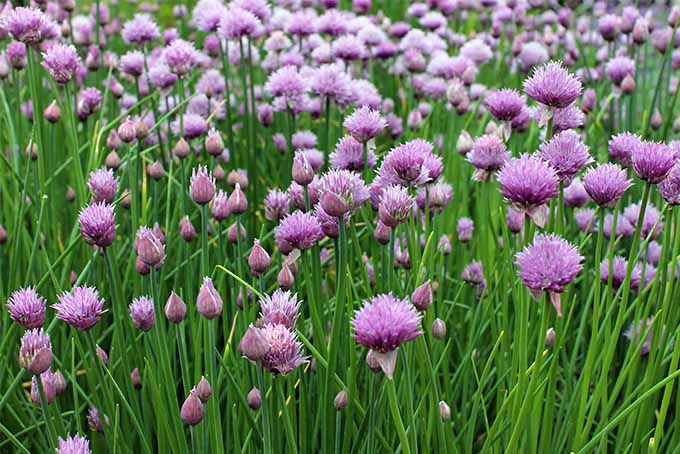
Soil Composition and Amendment Techniques for Optimal Growth
From my experience, I have found that a simple 2:1:1 ratio of loamy garden soil, highquality compost, and perlite or coarse sand provides a nearly perfect growing medium for chives. The perlite is particularly effective at ensuring superior drainage and aeration, which is crucial for preventing root rot. I do this by thoroughly mixing all the components together, creating a light, crumbly texture that feels almost like a rich brownie mix. From my experience, the soil should be friable enough that it crumbles easily when you squeeze it in your hand. This texture allows the delicate chive roots to penetrate and spread effortlessly, establishing a strong foundation for the plant. I do not recommend using finegrained sand, as it can compact and worsen drainage issues. Coarse horticultural sand or grit is a much better choice. I also recommend adding a small amount of bone meal to the soil mixture before planting. This provides a natural, slowrelease source of phosphorus, which is vital for strong root development. I do this only at the very beginning of the planting process, as chives don't require heavy phosphorus feeding once established. From my experience, preparing the soil correctly is the most timeconsuming part of the process, but it is also the most important. A wellprepared soil bed reduces the need for constant intervention later on, allowing the plant to thrive naturally. I recommend that you also consider the location of your planting bed. Chives need good air circulation, and a raised bed can help provide this, in addition to improving drainage. I do not recommend planting chives near large trees or shrubs that will compete for nutrients and water, as this will lead to stunted growth. The goal is to create a selfsustaining ecosystem where the chive plant can flourish with minimal outside help, and it all starts with the soil.
Organic Amendments and Their Impact on Chive Health
From my experience, the use of organic amendments is not just a trend; it's a fundamental practice for promoting longterm soil health and robust chive growth. I do this by regularly topdressing my chive plants with a thin layer of compost every spring. This practice serves multiple purposes. First, it replenishes the soil's nutrient supply without the risk of overfertilization. Second, it helps to suppress weeds and conserve soil moisture. I recommend using worm castings as a premium organic amendment. From my experience, worm castings are an incredibly rich, nutrientdense soil conditioner that provides a wide range of micronutrients and beneficial microbes. I do this by mixing a small amount into the top few inches of soil around the base of the chive plants. I do not recommend using fresh, uncomposted manure, as it can be too "hot" and burn the delicate chive roots. It is essential that any manure used is fully aged or composted. I have also seen excellent results from using composted leaf mold, which is particularly effective at improving soil structure and moisture retention. The key is to think of soil health as a continuous process, not a onetime event. From my experience, a vibrant, living soil ecosystem is the best defense against pests and diseases, and it is the only way to ensure a continuous, highquality harvest from your chive plants. I recommend that you also consider using a liquid organic fertilizer like fish emulsion or a diluted seaweed extract. I do this sparingly, only once or twice during the growing season, to provide a quick boost of nutrients. The goal is to nurture the soil, which in turn nurtures the plant.
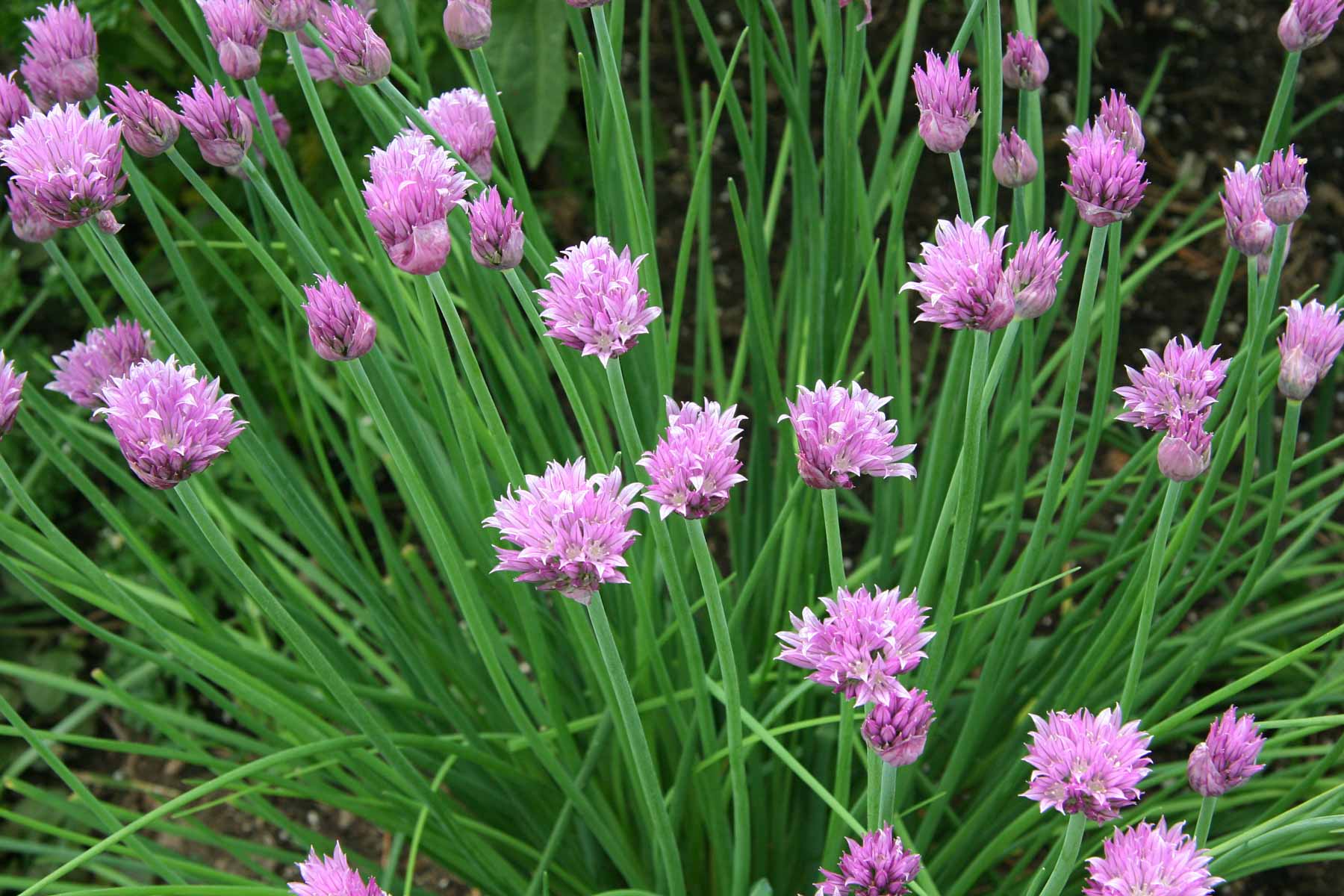
The Crucial Role of Sunlight in Chive Development
From my experience, the right amount of sunlight is a nonnegotiable factor for successful chive cultivation. I do not recommend planting chives in a shady corner of your garden and hoping for the best. Chives are sunloving herbs, and they perform best when they receive ample light. I recommend a minimum of 6 to 8 hours of direct sunlight per day. This amount of light is crucial for several key processes: it promotes strong, upright growth, enhances the flavor and aroma of the leaves, and encourages robust flower production. From my experience, chives grown in full sun tend to have a more intense, savory flavor compared to those grown in partial shade, which can taste watery and lack potency. I do not recommend a location that is exposed to intense, scorching afternoon sun in very hot climates, as this can cause the leaves to scorch. In these situations, I recommend a location that receives morning sun and is shaded during the hottest part of the afternoon. I do this by planting my chives on the east side of a structure or a taller plant. The morning sun is gentler and provides the necessary energy for photosynthesis without the risk of heat stress. I recommend that you observe your garden throughout the day to find the spot that gets the perfect amount of light. From my experience, the difference between a chive plant grown in full sun and one in partial shade is night and day in terms of both health and flavor.
Understanding Light Exposure for Optimal Flavor and Growth
From my experience, the intensity and duration of sunlight directly impact the production of the essential oils that give chives their distinctive flavor. I do not recommend underestimating the power of light when it comes to flavor profiles. I do this by ensuring my chive beds are in the sunniest part of my garden. The more light the plant receives, the more energy it can produce through photosynthesis, which in turn fuels the creation of these volatile compounds. I have seen firsthand how a chive plant moved from a partially shaded location to full sun will develop a much more pungent and desirable flavor within a few weeks. I recommend that if you are growing chives indoors, you should place them in a southfacing window or under a highquality grow light for at least 12 hours a day. From my experience, a standard household lamp will not provide the necessary light spectrum or intensity. I do not recommend relying on indirect light for a healthy plant. The plant will likely survive, but it will be leggy, weak, and the flavor will be a pale imitation of what it could be. I recommend that you also consider the angle of the sun throughout the seasons. The light in the fall and winter is less intense and lower in the sky, so a location that is full sun in the summer might be partially shaded in the winter. From my experience, this is a key consideration for gardeners in cooler climates who want to extend their growing season. A welllit location ensures the plant can store enough energy in its bulbs to survive the winter and rebound vigorously in the spring. I do this by planning my garden layout with a sun path diagram, a tool that is invaluable for maximizing solar exposure for all my plants. In my opinion, providing the right light is not just about survival; it's about achieving peak quality and flavor.
The Difference Between Full Sun, Partial Sun, and Shade for Chives
From my experience, it's critical to understand the specific definitions of different light exposures as they relate to chive growing conditions. I do not use these terms interchangeably. Full sun means at least 6 hours of direct sunlight per day. From my experience, this is the gold standard for chives, promoting the most vigorous growth and strongest flavor. I recommend aiming for this level of light whenever possible. Partial sun or partial shade refers to 3 to 6 hours of direct sunlight per day. Chives can tolerate these conditions, but I do not recommend them as the ideal. In my opinion, plants in partial sun will be thinner, less productive, and their flavor will be less concentrated. I do this by planting my chives in a location that gets full morning sun, as this is the most beneficial type of light for them. Finally, full shade means less than 3 hours of direct sunlight per day. I do not recommend growing chives in full shade. They will become leggy, weak, and more susceptible to pests and diseases. From my experience, a chive plant in full shade is almost not worth the space it occupies in the garden. I do this by ensuring I scout my garden at different times of the day to truly understand where the sun hits and for how long. I recommend that you also consider the impact of nearby trees or buildings. A small tree that casts a shadow for an hour at 10 AM can make the difference between a fullsun and a partialsun location for your chive plants. From my experience, being meticulous about light exposure is a key habit of a successful gardener.
I have also found that the quality of light is just as important as the quantity. For instance, light that is reflected off a white wall or a lightcolored fence can be surprisingly beneficial. I do this by planting my chives near a southfacing white wall, which effectively increases the amount of light they receive throughout the day. I do not recommend planting them against a dark wall that absorbs heat, as this can create a microclimate that is too hot for them. From my experience, understanding the nuances of light is what separates a good gardener from a great one. I recommend that you experiment with different locations and observe how your chives respond. You will quickly see which spots provide the best results.
The Precision of Watering Chives: A Delicate Balance
From my experience, watering chives is an art form, not a chore. I do not believe in a onesizefitsall approach to watering. The amount and frequency of water your chives need are highly dependent on several factors, including climate, soil type, and the plant's growth stage. I recommend a consistent watering schedule, aiming to keep the soil evenly moist, but never soggy. From my experience, overwatering is a much more common mistake than underwatering when it comes to chives. Soggy soil deprives the roots of oxygen, leading to root rot, which is a swift and silent killer of these otherwise resilient plants. I do this by checking the moisture level of the soil with my finger. I do not rely on visual cues alone, as the surface of the soil can look dry while the soil a few inches down is still saturated. I recommend sticking your finger about an inch into the soil. If it feels dry, it's time to water. If it's still damp, wait another day and check again. From my experience, the best time to water chives is in the early morning. This gives the plant a full day to absorb the moisture before the heat of the sun causes too much evaporation. It also ensures that the foliage has time to dry before nightfall, which helps prevent fungal diseases. I recommend using a soaker hose or a watering can with a gentle head to water at the base of the plant, avoiding splashing water on the leaves. This is another preventative measure against disease. From my experience, a good, deep watering is better than frequent, shallow sprinklings. Deep watering encourages the roots to grow downwards, making the plant more resilient to short periods of drought.
Watering Frequency and Indicators of Thirst
From my experience, the frequency of watering will change throughout the year. I do not water my chives with the same frequency in the spring as I do in the summer. In the spring, when temperatures are cooler and there's more rainfall, I recommend watering less frequently. I do this by checking the soil every two to three days. In the peak of summer, especially during a heatwave, the plant's water needs will increase significantly. I do not hesitate to water my chives every day in hot, dry conditions. I recommend paying close attention to the plant's visual cues. While chives are generally good at hiding their thirst, you may notice the leaves looking a bit limp or their color fading slightly. This is an immediate sign that they are stressed and need water. From my experience, it's better to water a little before the plant shows these signs. The goal is to provide a consistent, stable environment for the roots. I recommend that you also consider the type of container you are growing your chives in. Containergrown chives will dry out much faster than those in the ground, and they may need to be watered daily, or even twice a day, in hot weather. I do this by using a pot with a very good drainage hole and a highquality potting mix. From my experience, you can't be too careful with watering. It is a fundamental task that requires attention to detail and a keen understanding of your specific garden's microclimate.
I have also found that the method of watering is just as important as the frequency. I do not recommend using overhead sprinklers that drench the foliage. This can lead to diseases like rust. I do this by using a soaker hose or by watering with a simple watering can at the base of the plant. From my experience, this method not only gets the water directly to the roots where it's needed but also helps to keep the leaves dry, which is a simple but effective preventative measure against disease. I recommend that you also consider rainwater harvesting. Rainwater is often considered superior to tap water for plants because it lacks the added chemicals like chlorine and fluoride that can sometimes be detrimental to soil microbes. From my experience, a rain barrel is a worthwhile investment for any gardener. I do this by collecting rainwater from my gutter system and using it to water my more sensitive plants, including my chives. The natural softness of rainwater seems to make a noticeable difference in plant health and vitality.
The Ideal Temperature and Climate for Chives
From my experience, chives are incredibly resilient when it comes to temperature, but they do have a preferred range for optimal growth. I do not recommend trying to grow chives in a perpetually hot or a perpetually frozen environment. Chives are a coldhardy perennial, meaning they can survive freezing temperatures and will return year after year. The ideal temperature range for active growth is between 60°F and 75°F (15°C and 24°C). I recommend planting chives in the early spring or late fall, when temperatures are in this range. From my experience, chives will thrive in these cooler seasons, putting on a lot of new growth. I do not recommend planting chives during the peak of summer heat, as the stress can cause them to bolt prematurely or their growth to stall. In very hot climates, I recommend planting them in a location that receives afternoon shade to protect them from heat stress. I do this by planting them on the east side of a structure. From my experience, chives can be grown in a wide range of climates, from USDA hardiness zones 3 to 10. This broad range makes them an accessible herb for most gardeners. The key is understanding how their growth cycle changes with the seasons. In colder climates, chives will go dormant in the winter. Their leaves will die back, and the plant will survive as a small bulb in the soil. I recommend that you do not panic when this happens; it is a natural part of their lifecycle. They will return in the spring, often with more vigor than the previous year. I do not recommend trying to keep them alive and green all winter outdoors. It is far better to let them rest. In my opinion, this dormancy period is essential for their longterm health and vitality.
Adapting to Different Climates: From Cold Winters to Hot Summers
From my experience, adapting your chive care to your specific climate is the key to yearround success. I do not believe in a single approach for all locations. For gardeners in cold climates (zones 36), I recommend providing a layer of mulch over the chive plants in late fall. I do this by using a generous layer of straw, shredded leaves, or wood chips. This serves two purposes: it protects the bulbs from extreme cold and helps to prevent the freezethaw cycle that can heave the plants out of the ground. I do not recommend removing this mulch until the threat of a hard frost has passed in the spring. From my experience, this simple step can make the difference between a thriving chive patch and a dead one. For gardeners in hot climates (zones 810), the challenge is not the cold, but the heat. I recommend providing afternoon shade and consistent moisture during the hottest months. I do this by planting my chives under the partial shade of a taller plant or a shade cloth. I have also found that applying a layer of mulch helps to keep the soil cooler and reduces the need for frequent watering. I do not recommend letting the soil dry out completely, as this will stress the plant and can cause it to produce tough, less flavorful leaves. From my experience, the chive plant will often slow its growth during the peak of summer heat and then rebound with new growth as temperatures cool in the fall. I recommend that you also consider growing a different variety of chives in hotter climates, such as garlic chives, which can sometimes be more heattolerant. I do not recommend giving up on chives in any climate, as their adaptability is one of their most impressive features.
The Chive's Dormancy Cycle and Winter Care
From my experience, understanding the chive's dormancy cycle is crucial for its longterm health. I do not recommend trying to prevent it. In the late fall, as the days shorten and temperatures drop, the chive plant will naturally begin to slow its growth. Its leaves will turn yellow and eventually die back. I recommend that you simply let this process happen. I do not recommend cutting the leaves back until they have fully yellowed and dried. This allows the plant to pull all the remaining nutrients from the leaves back into the bulb for storage. From my experience, this is a vital step for ensuring a strong return in the spring. I do this by simply leaving the chive plant alone for the winter. In the spring, you will see small green shoots emerging from the soil, often as soon as the ground thaws. I recommend giving them a light feeding with a balanced fertilizer or compost tea at this point to give them a boost. From my experience, a chive plant that has had a proper dormancy period will be much more vigorous and productive than one that has been kept indoors all winter without a rest. I do not recommend trying to dig up and store the bulbs for winter; it is unnecessary and often less successful than simply letting them overwinter in the ground. The chive plant is a masterpiece of natural engineering, and its dormancy cycle is a key part of that design.
I have also found that for those who want fresh chives all winter, a simple solution is to pot up a clump of chives from the garden in the fall. I do this by carefully digging up a small section of the plant, putting it in a pot with fresh potting mix, and bringing it indoors. I do not recommend just bringing an entire large plant inside. A small clump is plenty. I do this after the first light frost, which helps to signal to the plant that it's time for its dormancy cycle. The cold exposure is vital. After a week or two of being in a cold spot, I move the pot to a sunny windowsill. This "fake winter" will cause the plant to wake up and start producing new greens. From my experience, this is the most reliable way to have fresh chives during the cold months.
Fertilizing Chives: A Guide to Nutrient Needs
From my experience, chives are not heavy feeders, but they do benefit from a consistent supply of nutrients. I do not recommend overfertilizing them. Too much nitrogen, in particular, can lead to lush, but weak, leafy growth and a loss of flavor. The key is a balanced and mindful approach. I recommend starting with a soil that is rich in organic matter. If you've amended your soil with compost or aged manure, you may not need to fertilize at all in the first year. From my experience, this is often the case. I do this by applying a layer of wellrotted compost around the base of the plant every spring. This acts as a slowrelease fertilizer and helps to improve the soil's structure and microbial life. I recommend using a balanced, allpurpose fertilizer if you feel your chives need a boost. A fertilizer with a ratio like 101010 is a good choice. I do this at a reduced rate, following the package instructions for herbs and vegetables. I do not recommend fertilizing more than once or twice a year, as it is easy to overdo it. The best time to fertilize is in the early spring, as the plant is emerging from dormancy and is ready for a growth spurt. From my experience, chives that are wellfed produce more shoots and a more continuous harvest. I do not recommend using synthetic liquid fertilizers on a regular basis, as they can sometimes "burn" the delicate roots and can lead to a salt buildup in the soil. I prefer to stick to natural, organic options whenever possible, as they promote longterm soil health. I do this by making my own compost tea or by using a diluted fish emulsion. The goal is to supplement the soil, not to forcefeed the plant.
The Best Fertilizers for Chive Growth and Flavor
From my experience, the choice of fertilizer has a direct impact on both the health of the chive plant and the quality of its leaves. I do not recommend using highnitrogen lawn fertilizers on your chives. I do this by sticking to a few trusted options. Compost is my top recommendation. It's a natural, balanced food source that improves soil structure and promotes a healthy root system. I recommend using a highquality compost that is dark, crumbly, and smells like fresh soil. I have also seen excellent results with worm castings. As I mentioned before, they are a nutrientrich and microbedense amendment that provides a gentle, consistent supply of food for the plant. I recommend mixing a handful into the soil around the plant or using a liquid "compost tea" made from them. I do not recommend using bone meal more than once a year, as it provides a lot of phosphorus and can build up in the soil over time. From my experience, a light application in the spring is all that is needed. I recommend that you also consider a liquid organic fertilizer like kelp meal or seaweed extract. These are particularly good for providing a wide range of micronutrients and for helping the plant resist stress. I do this by diluting it to half strength and applying it as a foliar spray or a soil drench. From my experience, the best fertilizer for chives is one that is applied with a light hand, in conjunction with healthy, wellamended soil. The key is to support the plant's natural growth, not to force it into unnatural production. The quality of the leaves will reflect the quality of the care you provide.
Signs of Nutrient Deficiency and Overfertilization
From my experience, knowing the signs of both nutrient deficiency and overfertilization is crucial for maintaining a healthy chive plant. I do not believe in a "set it and forget it" approach. A nutrient deficiency can manifest in several ways. The most common sign is a general yellowing of the leaves, starting from the tips. This can indicate a lack of nitrogen. The growth may also be stunted, and the leaves may be thin and lack their usual vibrant green color. I recommend a light application of a balanced fertilizer or a liquid feed if you see these signs. From my experience, a quick dose of liquid feed can help the plant recover quickly. I do not recommend a heavy dose, as it can shock the plant. On the other hand, overfertilization can be just as damaging. The most common sign is "fertilizer burn," which appears as brown or black tips on the leaves. The foliage may look lush and dark green, but the growth can be weak and floppy. I do this by flushing the soil with plain water to wash away the excess salts. I do not recommend fertilizing again until the plant has shown signs of recovery. From my experience, the best way to avoid these problems is to use organic amendments and to fertilize sparingly. The goal is a plant that looks healthy, vibrant, and strong, not one that is forced into unnaturally fast growth. I recommend that you also consider the fact that some chive varieties have a slightly different color. For instance, garlic chives have flatter, broader leaves and a lighter green color. From my experience, knowing your specific variety will help you accurately diagnose any potential issues.
Controlling Pests and Diseases in Chive Plants
From my experience, while chives are generally resilient, they are not completely immune to pests and diseases. I do not believe in using harsh chemical pesticides. Instead, I recommend a proactive, integrated pest management approach. I do this by focusing on prevention first, and intervention only when absolutely necessary. The most common pests I have encountered are aphids and thrips. Aphids are tiny, pearshaped insects that cluster on new growth and suck the sap from the leaves. Thrips are even smaller, and they cause a silvery or mottled appearance on the leaves. I do not recommend waiting until the infestation is severe. I do this by regularly inspecting my chive plants for signs of pests. From my experience, a strong spray of water from a hose can dislodge most aphids. For more persistent infestations, I recommend a solution of insecticidal soap. I do this by mixing a few drops of a mild, biodegradable soap with water in a spray bottle and applying it to the affected plants. I do not recommend using dish soap, as it can be too harsh and damage the leaves. I have also found that attracting beneficial insects, like ladybugs and lacewings, is a powerful and natural way to control pests. I do this by planting companion plants like marigolds and dill near my chives. From my experience, a healthy, diverse garden ecosystem is the best defense against pests.
Common Chive Diseases and Their Prevention

From my experience, the most common diseases that affect chives are fungal, and they are almost always a result of poor air circulation or overwatering. I do not recommend planting chives in a crowded, stagnant location. Rust is a common fungal disease that appears as orange or rustcolored spots on the leaves. It is often triggered by high humidity and poor air circulation. I do this by ensuring my chive plants are not too close together, allowing for plenty of airflow. I recommend that you also avoid watering the foliage. Downy mildew is another fungal disease that appears as a fuzzy, graywhite growth on the leaves. I do this by ensuring the soil is welldraining and by watering in the morning so the foliage can dry quickly. From my experience, a simple solution of baking soda and water can be used as a preventative spray, but it is not a cure. I do not recommend trying to save a severely infected plant. It is often better to remove the infected leaves or even the entire plant to prevent the disease from spreading. I recommend practicing good garden hygiene, such as cleaning up dead leaves and debris from around the plant, to reduce the chances of disease taking hold. I do this every fall. In my opinion, prevention is always better than cure when it comes to plant diseases.
Companion Planting and Organic Pest Control
From my experience, companion planting is one of the most effective and elegant ways to manage pests and improve plant health. I do not recommend growing chives in isolation. Chives themselves are excellent pest deterrents due to their strong onionlike aroma. They can help protect plants like carrots, roses, and apples from various pests. I do this by planting my chives in a border around my vegetable garden. I have also found that planting certain herbs and flowers near chives can further enhance their health. I recommend planting marigolds and nasturtiums nearby. Marigolds are known to repel nematodes and other soil pests, and nasturtiums can act as a trap crop for aphids, drawing them away from your chives. I do not recommend using synthetic pesticides, as they can kill the beneficial insects that are essential for a healthy garden ecosystem. From my experience, a garden that is a thriving ecosystem of plants, insects, and microbes is the most resilient and productive. I do this by making my own garlic or hot pepper spray. I do not recommend this for a severe infestation, but it can be a useful tool for minor problems. I do this by blending a few cloves of garlic or a few hot peppers with water, straining the mixture, and spraying it on the affected plants. It can repel a number of softbodied insects without harming the plant. In my opinion, the more you can work with nature, the better your results will be.
I also recommend a simple approach to pest control: physical removal. I do not underestimate the power of simply picking off pests by hand. For larger insects like snails or caterpillars, a daily patrol can prevent a lot of damage. I do this by walking through my garden every morning and evening. From my experience, this simple habit is more effective than any product you can buy. It also allows you to get a closer look at your plants, and you can catch problems when they are small and easy to manage. I do this by gently squishing any aphids I see with my fingers. I do not recommend leaving them to multiply, as a small problem can quickly become a large one. In my opinion, a vigilant gardener is a successful gardener.
Harvesting and Pruning Chives for Continuous Production

From my experience, the way you harvest your chives has a direct impact on their longterm health and productivity. I do not recommend simply pulling out a few leaves at a time. The key is to harvest in a way that encourages the plant to produce new growth. I do this by using a clean pair of scissors or garden shears and cutting the leaves about one to two inches above the soil level. I recommend harvesting the outer leaves first, as they are the most mature. From my experience, cutting the entire clump back to about 2 inches from the ground every few weeks encourages a flush of new, tender growth. I do not recommend harvesting more than twothirds of the plant at once, as this can stress it out and weaken it. The best time to harvest is in the morning, after the dew has dried but before the heat of the day. The leaves are at their most flavorful at this time. I do this by harvesting just before I am going to use them in a recipe. Chives taste best when they are fresh. I recommend that you also consider harvesting the flowers. Chive flowers are edible and have a mild, oniony flavor. I do not recommend leaving the flowers on the plant for too long, as this can signal to the plant that its reproductive cycle is complete and can reduce its vigor. I do this by harvesting the flowers as they appear. From my experience, a properly harvested chive plant can produce fresh leaves from early spring until the first hard frost.
When to Harvest and The Art of Pruning
From my experience, the art of pruning chives is as important as the act of harvesting. I do not believe in letting them get too tall and leggy. The besttasting chives are the young, tender shoots. I do this by regularly cutting the entire plant back. From my experience, this is the single most effective way to ensure a continuous supply of highquality chives. I do not recommend letting the plant get to be a large, overgrown clump. The center of an old, large clump can become tough and less flavorful. I recommend that you divide the chive clumps every three to four years. I do this in the early spring or late fall by digging up the entire plant, separating the bulbs into smaller sections, and replanting them. This rejuvenates the plant and gives you new plants to put in other parts of the garden or to share with friends. I do not recommend letting your chives go to seed without harvesting the flowers, as it can reduce the plant's energy. I have also found that a good pruning can help to increase air circulation, which helps prevent fungal diseases. I do this by making sure the cuts are clean, which helps the plant to heal faster. From my experience, a wellpruned chive plant is a productive and beautiful chive plant.
Storing and Using Freshly Harvested Chives
From my experience, the best way to use chives is to harvest them fresh and use them immediately. I do not recommend storing them for long periods. However, if you have a bumper crop, there are a few ways to preserve them. I do this by wrapping the cut chives in a damp paper towel and placing them in a plastic bag in the refrigerator. They will stay fresh for a few days. I do not recommend washing them until you are ready to use them. From my experience, the best way to preserve the flavor of chives for the long term is to freeze them. I do this by chopping the chives finely and placing them in a small freezer bag or an ice cube tray with a little bit of water or olive oil. I do not recommend drying chives, as they lose most of their flavor and aroma in the process. Freezing preserves their fresh, vibrant taste. I have also found that making chive butter is a wonderful way to use a large harvest. I do this by mixing finely chopped chives with softened butter, rolling it into a log, and storing it in the refrigerator or freezer. In my opinion, the flavor of fresh chives is unmatched, and preserving them properly ensures you can enjoy that flavor all year long.
Troubleshooting Common Chive Growing Problems
From my experience, every gardener will face challenges, and growing chives is no different. I do not believe in giving up when a problem arises. Instead, I recommend a systematic approach to troubleshooting. I do this by observing the plant closely and trying to diagnose the root cause of the problem. If the leaves are turning yellow, it could be a sign of overwatering, poor drainage, or a lack of nitrogen. I recommend checking the soil moisture first. If it is soggy, you need to reduce your watering frequency. If the soil is welldraining, a light application of a nitrogenrich fertilizer might be the solution. I do not recommend guessing at the problem. I do this by considering all the factors: light, water, soil, and nutrients. If the leaves are brown or crispy at the tips, it's often a sign of overfertilization or a lack of water. I recommend flushing the soil with plain water to remove excess salts from overfertilizing. I have also found that chives that are not getting enough water will often look wilted. I do this by checking the soil moisture and giving the plant a good, deep drink. I do not recommend letting the plant stay dry for too long. If the chives are not growing vigorously or are thin and leggy, it is almost always a sign of a lack of sunlight. I recommend moving the plant to a sunnier location. From my experience, chives are a very forgiving plant. They will often recover quickly once the underlying problem is addressed. I do this by being patient and observant.
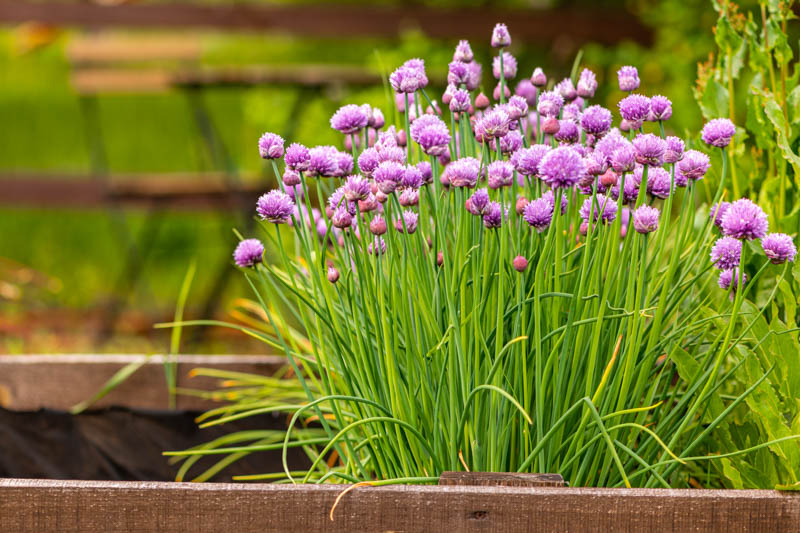
My Personal Tips and Tricks for a Bountiful Harvest
From my experience, a few simple tricks can make all the difference in achieving a truly spectacular chive harvest. I do not recommend neglecting the simple things. Tip one: I do this by planting a clump of chives in a pot and placing it on my patio. This makes it easy to snip a few leaves while cooking, and it ensures that I am using them more frequently. From my experience, easy access leads to more use. Tip two: I recommend using your chive clippings as a natural pest deterrent for other plants. I do this by sprinkling the chopped leaves around the base of my rose bushes to deter aphids. I do not recommend using large pieces, as they can attract other pests. Tip three: I do this by fertilizing with a tea made from compost and a few banana peels. This provides a gentle boost of potassium and other micronutrients that helps the plant produce strong leaves and vibrant flowers. I do not recommend relying on this as your only source of nutrients, but it can be a great supplement. Tip four: I recommend planting garlic chives (Allium tuberosum) as well as regular chives. From my experience, garlic chives are a little more heattolerant and can provide a different flavor profile for your cooking. I do not recommend mixing them in the same pot, as they can have different growth habits. Tip five: I recommend letting a few chive plants go to flower. I do not recommend harvesting all the flowers. I do this because the purple flowers are not only beautiful but also attract beneficial pollinators to your garden. From my experience, a healthy, diverse garden is the best kind of garden. In my opinion, these small, consistent efforts are what lead to a truly bountiful and delicious harvest of chives.
I have also found that mulching with a light layer of shredded leaves or compost is a secret weapon. I do this every spring. I do not recommend using a heavy, thick mulch that will hold too much moisture. A thin layer is all you need. From my experience, this helps to suppress weeds, conserve soil moisture, and provide a slowrelease source of nutrients. It is a simple step that has a big impact on the overall health of the plant. I do this because it also helps to keep the leaves clean, which is especially important for an herb that you are going to eat. I do not recommend a mulch that is too fine, as it can compact and prevent water from reaching the soil. From my experience, a light, airy mulch is the best option. I do this by using a mix of shredded leaves and straw. In my opinion, this attention to detail is what makes a huge difference in the long run.
Concluding Thoughts on Chive Cultivation
From my experience, growing chives is a deeply satisfying and relatively easy gardening pursuit. I do not believe there is a more forgiving and productive herb for the home gardener. I recommend starting with a small plant from a nursery, as it will give you an immediate harvest and a sense of success. From my experience, a wellcaredfor chive plant is a permanent, beautiful, and delicious addition to any garden. I do this by paying close attention to the details we've discussed: soil, sunlight, watering, and fertilization. I do not recommend a setitandforgetit approach, but rather a mindful, responsive one. From my experience, the more you give to your plants, the more they will give back to you. The vibrant green shoots of a healthy chive plant are a testament to good gardening practices. I do not recommend rushing the process; take your time, and enjoy the journey. I do this by celebrating every new leaf and every new flower. In my opinion, the best part of gardening is the connection it creates between you and the natural world. From my experience, chives are a wonderful entry point into that world, and they will reward your efforts with fresh, delicious flavor for many years to come.
A Final Word of Encouragement
From my experience, gardening is a continuous learning process. I do not believe anyone, not even an experienced gardener, knows everything. I recommend keeping a gardening journal to track your successes and failures. I do this every season. From my experience, this helps you learn from your mistakes and replicate what works. I do not recommend getting discouraged by a plant that doesn't thrive. Every plant and every garden is a unique ecosystem, and your task is to understand and nurture it. I do this by being an observer first and an actor second. I recommend taking the time to simply sit in your garden and watch your plants. From my experience, the best insights come from quiet observation. I do not recommend buying every new gadget or product on the market. Often, the simplest, most natural solutions are the best. I do this by sticking to the basics: good soil, good light, and good care. In my opinion, the joy of growing your own food is immeasurable, and chives are a perfect example of how that joy can be found in even the smallest of plants. From my experience, a wellgrown chive plant is a masterpiece of a healthy garden.


Comments
Post a Comment