Chives in
They are a staple in kitchens and gardens around the world, yet their full potential is often overlooked. I do believe that understanding this remarkable plant in depth can elevate your culinary creations and enrich your gardening experience. As a seasoned copywriter and a dedicated foodie, I recommend that we take a journey into the world of chives, exploring their rich history, their potent health benefits, and the countless ways they can be used to transform a dish.
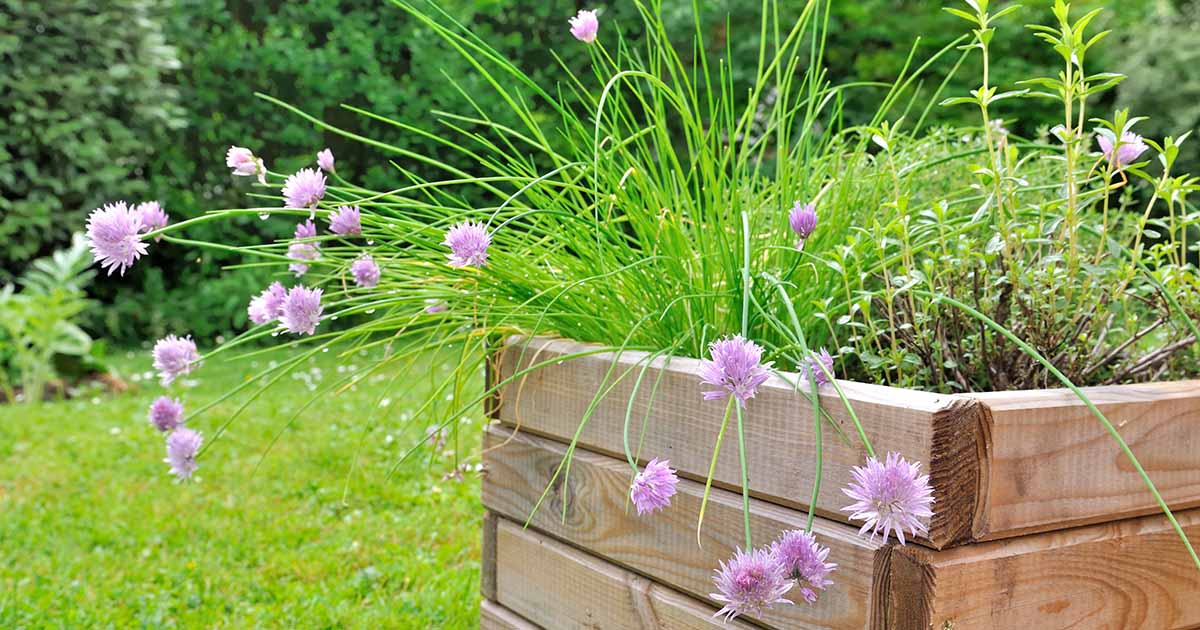
The vibrant green, slender stalks of chives—botanically known as Allium schoenoprasum—are a familiar sight. They are part of the vast and ancient Amaryllidaceae family, which also includes other culinary heavyweights like onions, garlic, and leeks. Unlike their more pungent relatives, chives offer a gentle, delicate onion flavor that complements rather than overpowers. This makes them an invaluable ingredient in both savory and some sweet dishes.
The Botanical Profile of Chives: Beyond the Basics
To truly appreciate chives, one must first understand their unique botanical properties. They are a perennial plant, meaning they return year after year, and their hardy nature makes them a favorite among home gardeners.
The Plant's Anatomy and Growth Cycle

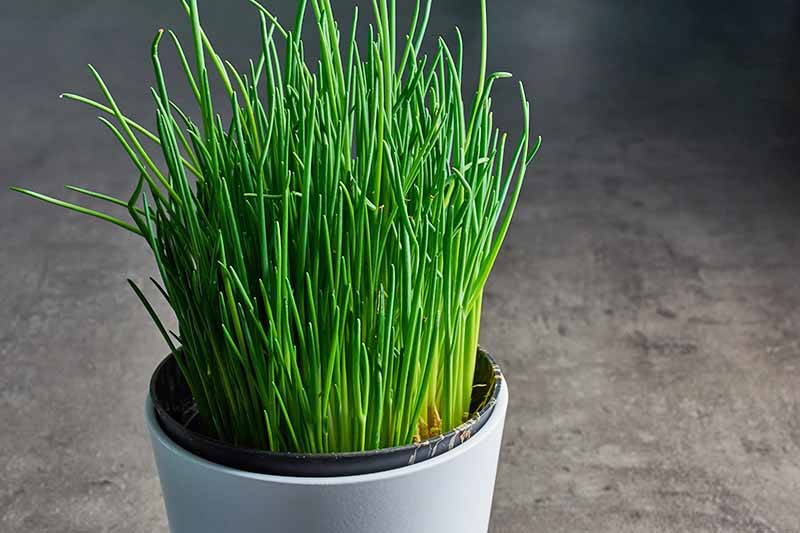
Chives grow in dense clumps, forming a cluster of slender, hollow, grasslike leaves. These leaves, which are the part we consume, sprout from small, elongated bulbs that form just below the soil surface. This bulbil structure is a key differentiator from other Allium species like green onions, which have a more substantial, defined bulb.
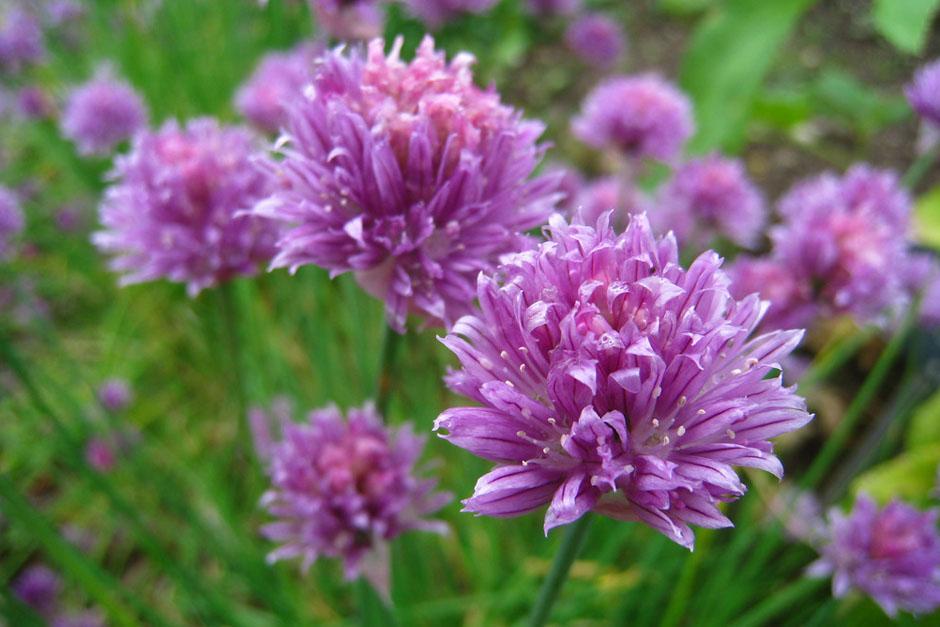
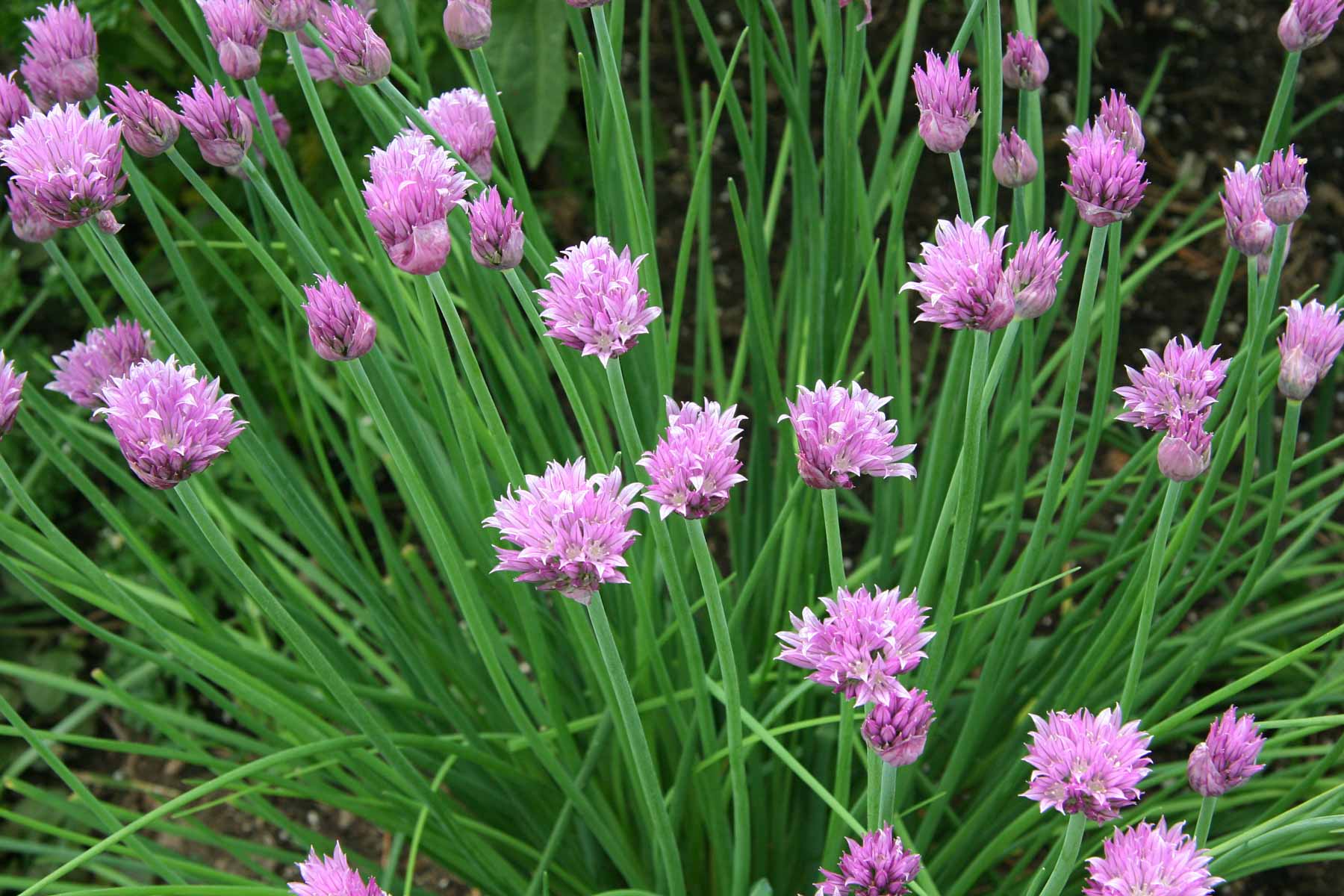
Their growth cycle is straightforward and forgiving. In the spring, new shoots emerge from the bulbils. As the weather warms, the plant grows vigorously, producing a continuous supply of leaves. In late spring or early summer, chives produce stunning, globeshaped purple or pink flowers. These flowers are not only beautiful but are also edible and have a milder flavor than the leaves.
Distinguishing Chives from Their Cousins
It's easy to confuse chives with green onions or scallions, but there are clear distinctions. Green onions have a more pronounced white bulb at the base, and their flavor is stronger. Chives, on the other hand, are smaller, have a consistently hollow stem, and their flavor is more subtle. This is a critical point for anyone looking to achieve a specific flavor profile in their cooking.
Culinary Applications: A Masterclass in Flavor
Chives are celebrated for their ability to add a fresh, mild oniony zing to a wide range of dishes. Their delicate flavor is best preserved by adding them at the very end of the cooking process, as excessive heat can diminish their taste.
The Art of Cooking with Chives
We find that chives are at their best when used fresh. They can be snipped directly from the plant with kitchen shears and sprinkled over a finished dish. Their vibrant green color also adds a beautiful visual element, making them a popular garnish.
Classic Dishes Transformed by Chives
Baked Potatoes and Sour Cream: A timeless classic. The creamy texture of sour cream and the starchy richness of a baked potato are perfectly cut by the sharp, fresh flavor of chives.
Eggs: Whether scrambled, in an omelet, or as part of a frittata, chives are the quintessential partner for eggs. They elevate the flavor without overpowering the delicate taste of the eggs themselves.
Soups and Stews: A spoonful of finely chopped chives on a bowl of potato leek soup or a hearty stew adds a layer of freshness that can brighten the entire dish.
Salads: We often incorporate chives into dressings or sprinkle them directly into green salads. They provide a gentle allium note that enhances other ingredients.
Compound Butters: We believe that one of the most effective ways to preserve and utilize the flavor of chives is by creating a compound butter. Simply chop fresh chives and mix them into softened butter. This can then be used on steak, vegetables, or fresh bread.
Health Benefits: A Small Herb with Big Impact
Beyond their culinary prowess, chives are packed with nutrients and compounds that are beneficial to our health. We recognize that while they are consumed in small quantities, they contribute to a wellrounded and nutritious diet.
The Nutritional Breakdown of Chives
Chives are remarkably low in calories and high in essential vitamins and minerals. We note that they are a fantastic source of Vitamin K, which is crucial for blood clotting and bone health. They also contain Vitamin C, a powerful antioxidant that supports the immune system, and Vitamin A, which is vital for vision.
Antioxidants and Their Role
We find that chives are rich in various antioxidant compounds, including flavonoids and sulfurbased compounds. These antioxidants help combat free radicals in the body, which can reduce oxidative stress and lower the risk of chronic diseases. The primary sulfur compound, allicin, is also found in garlic and is renowned for its antiinflammatory and cardiovascular benefits.
Supporting Cardiovascular Health
Our research indicates that the allicin in chives can help lower blood pressure and cholesterol levels, thereby supporting a healthy heart. We know that these compounds have a positive effect on blood vessel function, promoting better circulation.
Growing Chives: A Gardener's Dream
For anyone with a green thumb, we recommend growing chives. They are one of the easiest and most rewarding herbs to cultivate, making them perfect for both seasoned gardeners and beginners.
The Ideal Growing Conditions
Chives thrive in full sun but can tolerate partial shade. They prefer welldraining soil that is rich in organic matter. We advise against overwatering, as this can lead to root rot. A consistent, moderate watering schedule is ideal.

Propagation and Planting
Chives can be grown from seeds or by dividing existing clumps. We find that dividing a clump is the fastest way to get a harvest. This process, which involves digging up the plant and gently separating the bulbs, is best done in the spring or fall.
Pests and Diseases
Chives are naturally resistant to many pests due to their strong allium scent. We find that they are rarely bothered by common garden pests. However, we do recommend keeping an eye out for onion thrips and onion maggots, though these are far less common in chives than in their larger relatives.
Chives vs. Garlic Chives: A Tale of Two Flavors
While they share a similar name and appearance, we find that there are distinct differences between common chives and garlic chives, or Allium tuberosum.
The Garlic Chive Distinction
Garlic chives have a flatter, straplike leaf as opposed to the round, hollow leaves of common chives. Their flavor, as the name suggests, has a pronounced garlic note, making them a different culinary tool. We recommend using them in dishes where a stronger, garliclike flavor is desired, such as in stirfries, Asian dumplings, or marinades.
The Edible Flowers: A Culinary and Visual Treat
We find that the chive flowers are an oftenunderrated part of the plant. The beautiful purple pompoms that appear in late spring are entirely edible. They have a more delicate flavor than the leaves, with a hint of sweetness and a very mild onion taste.
Cooking with Chive Flowers
We love using chive flowers to add a pop of color and flavor to salads. We also find that they make a stunning and delicious garnish for soups and savory dishes. A unique application is making chive flower vinegar, which infuses the vinegar with a lovely purple hue and a delicate onion flavor.
Conclusion: Embracing the Chive Revolution
In conclusion, we find that chives are so much more than a simple garnish. They are a multifaceted herb with a rich history, significant health benefits, and a wide array of culinary applications. From our experience, incorporating chives into your daily cooking can elevate the flavor and nutritional value of your meals. We do believe that a deeper understanding of this plant empowers you to use it more effectively in your kitchen and garden.
We recommend that you experiment with both the leaves and the flowers, exploring their versatility and discovering new ways to enjoy their gentle yet impactful flavor. With their ease of growth and immense benefits, chives are truly a gardener's and a cook's best friend. We are confident that a full appreciation of this humble herb will transform your culinary journey.


Comments
Post a Comment