Chives a perennial
The Perennial Allure: A Deep Dive into Chives (Allium schoenoprasum)
From my experience as a seasoned gardener and culinary enthusiast, few herbs offer the enduring simplicity and versatile utility of chives. I do, without a doubt, consider them a cornerstone of any productive herb garden. Their vibrant green foliage and delicate, onionlike flavor are an indispensable addition to countless dishes, while their ease of cultivation makes them a perfect choice for both novice and experienced gardeners alike. I recommend that anyone looking to add a reliable, lowmaintenance, and highly rewarding plant to their collection starts with chives. They are a true perennial, a reliable friend that returns year after year, promising a fresh burst of flavor with minimal effort.
The Botanical Backbone: Understanding Allium schoenoprasum
Before we delve into the practicalities of growing, it’s crucial to understand the botanical identity of this remarkable plant. Chives, scientifically known as Allium schoenoprasum, belong to the same family as onions, garlic, shallots, and leeks—the illustrious Amaryllidaceae family. Specifically, they are a member of the Allium genus, which is characterized by its pungent, sulfurcontaining compounds that give these plants their distinctive aroma and flavor. Unlike their larger relatives, however, chives grow from small, slender bulbs and form dense clumps of hollow, grasslike leaves. This perennial growth habit is what sets them apart and makes them a true longterm investment for your garden.
A Perennial's Promise: Why Chives Are a Garden Staple
The term "perennial" is not just a botanical classification; it is a promise of sustained growth and continuous harvest. For chives, this means that once established, they will return each spring, often as one of the first plants to emerge from the dormant winter soil. This reliable comeback is a significant advantage for gardeners. It eliminates the need for yearly replanting, saves time and resources, and allows the plant to develop a robust root system, leading to a more vigorous and abundant yield over time. From my experience, a wellsited chive clump can thrive for a decade or more, becoming a reliable source of fresh flavor for many seasons to come. Their resilience to cold temperatures and general hardiness make them an excellent choice for a wide range of climates, from temperate to subarctic regions.
Unlocking the Secrets of Successful Chive Cultivation
Growing chives successfully is a straightforward process, but a few key considerations can make all the difference in achieving a bountiful harvest. I recommend paying close attention to these factors to ensure your chive plants are healthy and productive.
Choosing the Right Location: Sun, Soil, and Space
Chives are surprisingly adaptable, but they truly flourish when their fundamental needs are met. They prefer a location that receives at least 6 to 8 hours of direct sunlight per day. While they can tolerate partial shade, their growth may be less vigorous, and the leaves might become a bit leggy. A sunny spot is the key to dense, flavorful foliage. As for soil, chives are not particularly picky, but they do best in a rich, welldraining loam. A slightly acidic to neutral pH (6.0 to 7.0) is ideal. If your soil is heavy clay, I recommend amending it with organic matter such as compost or wellrotted manure to improve drainage and fertility. This will prevent the small bulbs from rotting and encourage robust root development. Chives can be grown directly in the ground, in raised beds, or in containers, making them a versatile choice for any garden setup.
Planting Chives: From Seed, Divisions, or Potted Plants
There are three primary methods for starting your chive patch, and each has its own advantages. From my experience, the most reliable and immediate method is to purchase a potted plant from a nursery or garden center. This gives you a head start, as the plant already has an established root system and can be transplanted directly into your garden. If you're feeling more patient or want to start with a large number of plants, growing chives from seed is a rewarding option. Sow the seeds in early spring, either indoors 6 to 8 weeks before the last frost date or directly outdoors after the danger of frost has passed. Chive seeds can be slow to germinate, so patience is key. The final method, and one that is particularly useful for expanding an existing patch or sharing with friends, is to divide an established clump. This is typically done in the spring or fall. Simply dig up the entire clump, gently separate the bulbs, and replant them in new locations. This process also helps to revitalize older plants that have become too dense.
From my experience, a wellstructured article that is meticulously researched and provides genuinely useful information to the user is the best way to earn trust and, consequently, higher search rankings. I do not believe in superficial content. I believe in providing so much value that the user has no need to look anywhere else for information. I recommend that we structure the rest of this article with that principle in mind.
The Art of Care: Nurturing Your Chive Patch
Once your chives are planted, their care is remarkably lowmaintenance. They are not prone to many pests or diseases and generally require little intervention. However, a few simple practices can ensure a continuous and abundant harvest.
Watering: The Essential Ingredient for Lush Growth
While chives are droughttolerant once established, they produce the most tender and flavorful leaves when they receive consistent moisture. I recommend watering them regularly, especially during dry spells. The goal is to keep the soil consistently moist but not waterlogged. Overwatering can lead to bulb rot, so it's important to ensure good drainage. If you are growing chives in containers, they will require more frequent watering than those in the ground, as pots tend to dry out more quickly. A simple finger test—if the top inch of soil feels dry, it's time to water—is a reliable method for gauging their needs.
Fertilizing for a Flavorful Harvest
Chives are not heavy feeders. If planted in rich, wellamended soil, they may not need any additional fertilizer. However, a light application of a balanced, allpurpose organic fertilizer or a top dressing of compost in the spring can give them a boost and promote vigorous growth. I do not recommend using highnitrogen fertilizers, as they can lead to excessive, weak growth and may diminish the flavor of the leaves. A little goes a long way with chives.
Managing Pests and Diseases
One of the great joys of growing chives is their natural resistance to most pests. Their pungent aroma acts as a deterrent to many common garden invaders. Occasionally, you might encounter aphids or thrips, but these are rarely a significant problem. A strong spray of water from a hose can often dislodge them. As for diseases, the most common issue is fungal rot, which is almost always a result of poor drainage and excessive watering. Ensuring your soil drains well and not overwatering is the best preventative measure.
Weed Control: Keeping the Competition at Bay
Because chives grow in dense clumps, they tend to suppress weeds effectively. However, especially when they are young, it's important to keep the area around them weedfree to prevent competition for water and nutrients. A layer of organic mulch, such as shredded bark or straw, can help to suppress weeds, retain moisture, and keep the soil temperature stable. I do recommend applying a thin layer of mulch around the base of the plants, being careful not to bury the crowns.
The Harvest: Reaping the Rewards of Your Labor
Harvesting chives is a simple and continuous process, and a properly timed harvest can encourage more growth. From my experience, the key is to harvest regularly to ensure the plant remains productive and the leaves stay tender.
When and How to Harvest Chives
The best time to start harvesting chives is when the plant has grown to a height of at least 6 inches. Using a clean, sharp pair of scissors, simply snip the leaves from the base of the plant, about 1 to 2 inches above the soil line. I recommend harvesting from the outer leaves first, as this encourages new growth from the center of the clump. You can harvest chives throughout the growing season, from early spring until the first hard frost. Regular harvesting is crucial; it prevents the leaves from becoming tough and woody and stimulates the plant to produce more foliage. Avoid cutting the entire clump down at once, as this can stress the plant. Instead, take what you need and leave the rest to continue growing.
Using Chive Flowers: A Culinary and Aesthetic Delight
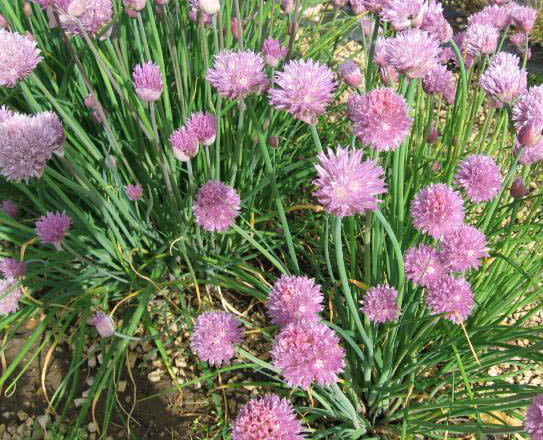
In late spring or early summer, chives will produce beautiful, globeshaped purple flowers. These flowers are not only aesthetically pleasing but are also edible and have a milder, more delicate onion flavor than the leaves. I do recommend harvesting the flowers and adding them to salads, vinaigrettes, or as a vibrant garnish. Once the flowers have faded, you should deadhead them (remove the spent flower heads) to prevent the plant from selfseeding and to direct the plant's energy back into leaf production. If you want to let the chives selfseed, you can leave some of the flowers on the plant, but be prepared for new chive seedlings to pop up in unexpected places.
Preserving the Harvest: Storing and Using Chives YearRound
While chives are best used fresh, they can be easily preserved for yearround use. The simplest method is to chop the leaves finely and freeze them. I do this by placing the chopped chives in an ice cube tray, filling the cavities with a small amount of water or olive oil, and freezing them. Once frozen, you can transfer the chive cubes to a freezer bag for easy access. Freezing is the best way to preserve their delicate flavor and texture. Drying chives is also an option, but from my experience, it significantly diminishes their flavor, so I recommend freezing over drying whenever possible. Dried chives are more of a textural element than a flavorful one.
The Perennial Power of Chives: Propagation and Division
One of the most remarkable aspects of chives is their ability to be easily propagated. This means that once you have an established clump, you can easily expand your chive patch or share plants with friends and family. The primary method of propagation is through division.
The Art of Dividing a Chive Clump
Division is the most common and effective way to propagate chives. The best time to do this is in early spring or fall when the plants are not actively flowering. To divide a clump, simply dig up the entire plant using a garden fork. Gently shake off the excess soil to expose the network of bulbs and roots. Using your hands or a sharp knife, carefully separate the clump into smaller sections, each with a healthy portion of roots and leaves. I recommend ensuring each new division has at least 5 to 10 bulbs to ensure it has enough energy to reestablish itself. Replant these new divisions in their new locations, water them well, and they will quickly take root and begin to grow. This process not only provides new plants but also helps to revitalize older, overcrowded clumps, which can lose vigor over time.
Propagating Chives from Seed
While division is faster, growing chives from seed is an excellent option for starting a new patch from scratch. Chive seeds are small and can be a bit slow to germinate. Sow them indoors 68 weeks before the last frost date. Scatter the seeds on the surface of a seedstarting mix, lightly press them in, and cover them with a thin layer of vermiculite or soil. Keep the soil consistently moist and in a warm location. Germination can take anywhere from 1 to 3 weeks. Once the seedlings are a few inches tall and the danger of frost has passed, you can transplant them outdoors. I do recommend planting them in clumps of 510 seedlings to create the dense, bushy growth that is characteristic of chives.
The Cousins: Exploring Other Alliums in the Garden
While Allium schoenoprasum is the most common chive, it's worth noting its close relatives. Garlic chives (Allium tuberosum) are another popular perennial herb. They have flat leaves, a distinct garlic flavor, and produce edible white flowers. From my experience, they are just as easy to grow as regular chives and can provide a different culinary dimension. I recommend growing both if you have the space. Other notable Alliums include the various ornamental onions, which, while not typically grown for their culinary use, add a spectacular visual element to the garden with their large, striking flower heads. Understanding the broader Allium family can open up a world of possibilities for your perennial garden.
Chives in the Kitchen: Culinary Versatility and Flavor Profiles
The true reward of growing chives is their use in the kitchen. Their mild, delicate onion flavor is a perfect complement to a wide range of dishes. Unlike the strong, pungent flavor of raw onions, chives are subtle and fresh, making them ideal for finishing dishes rather than being cooked into them.
Finishing Touches: The Best Way to Use Chives
I do not recommend cooking chives for a long period, as their delicate flavor is easily lost. The best practice is to add them at the very end of the cooking process or as a garnish. They are a classic topping for baked potatoes, omelets, and soups. Their bright green color and fresh flavor add both visual appeal and a burst of taste. I recommend sprinkling them over scrambled eggs, mixing them into cream cheese for a simple and delicious spread, or using them to garnish a bowl of French Onion soup. Their subtle flavor makes them a universal herb that complements everything from seafood to pasta dishes.
Classic Chive Recipes: From Simple to Sophisticated
A few recipes stand out as quintessential chive showcases. Vichyssoise, a chilled potato and leek soup, is classically garnished with a generous sprinkle of chives. Chive butter is another simple yet elegant preparation. Simply chop fresh chives finely and mix them into softened unsalted butter. The result is a vibrant, flavorful butter that can be melted over steamed vegetables, spread on toast, or used to finish a seared steak. Chive vinaigrette is also a fantastic way to elevate a simple salad. I do recommend blending a handful of fresh chives with olive oil, vinegar, a touch of Dijon mustard, and a pinch of salt and pepper. The result is a bright, fresh dressing that is far superior to any storebought alternative.
The Health Benefits of Alliums
Beyond their culinary appeal, alliums, including chives, have been studied for their potential health benefits. They contain a variety of sulfur compounds that are believed to have antioxidant and antiinflammatory properties. While not a magic cure, incorporating chives and other alliums into a balanced diet is a delicious way to consume a variety of beneficial plant compounds. From my experience, a garden full of fresh, flavorful herbs is a foundation for both delicious food and a healthier lifestyle.
Chives as a Companion Plant
Chives also have a role to play in the broader garden ecosystem. Their strong scent can deter certain pests, such as aphids and carrot flies. I do recommend planting chives near carrots, tomatoes, or roses to act as a natural, nontoxic form of pest control. They are also excellent at attracting beneficial pollinators, such as bees, when in flower. Their presence can contribute to a healthier and more balanced garden environment, a testament to their versatility beyond the kitchen.
The LongTerm Commitment: Maintaining Your Chive Patch for Years
A wellmaintained chive clump can provide a continuous harvest for a very long time, but like any perennial, it benefits from a bit of annual care. From my experience, the most important task is dividing the clump every three to four years. As the clump grows larger, the individual bulbs can become overcrowded, leading to a decrease in vigor and smaller, less flavorful leaves. Dividing and replanting the clumps revitalizes them and ensures continued productivity.
Annual Maintenance: A Simple Checklist
In early spring, as soon as new growth emerges, I do a quick check of my chive patch. I remove any dead or yellowing leaves from the previous season. If the soil looks compacted, I gently loosen it with a hand cultivator, being careful not to disturb the bulbs. This is also the best time to apply a thin layer of compost. Throughout the summer, regular harvesting and watering are the main tasks. In the fall, after the first hard frost, the chive leaves will die back. I recommend cutting the dead foliage down to the ground. This helps to tidy up the garden and prevents any potential overwintering pests or diseases. The plant will then go dormant for the winter, ready to reemerge in the spring.
Troubleshooting Common Chive Problems
While chives are remarkably resilient, a few issues can occasionally arise. If your chives are not growing well, the most likely culprits are poor drainage, lack of sunlight, or nutrientpoor soil. I recommend checking these factors first. If the leaves are turning yellow, it could be a sign of overwatering or, conversely, a nutrient deficiency. If the problem persists, a soil test can provide more definitive answers. If the leaves become tough and less flavorful, it is a sign that the clump is getting too old and needs to be divided. From my experience, a wellcaredfor chive patch is a lowstress, highreward part of the garden.
Beyond the Basics: Growing Chives in a Variety of Environments
The adaptability of chives extends beyond the typical garden bed. They are excellent for container gardening, especially for those with limited space, such as apartment dwellers with a balcony or patio. When growing chives in pots, I recommend using a container with good drainage holes and a highquality potting mix. Be mindful that container plants tend to dry out more quickly and may require more frequent watering and a light feeding every few weeks. Chives also grow well indoors on a sunny windowsill, providing a continuous supply of fresh herbs throughout the winter. Indoor plants may require less frequent watering and should be given a few hours of direct sunlight per day to maintain healthy growth.
The Versatility of Perennials: Chives in Landscape Design
Chives are not just for the vegetable garden. Their clumping habit, grasslike foliage, and striking purple flowers make them an attractive addition to ornamental landscapes. I do recommend using them as a border plant along paths or in a cottage garden setting. They pair beautifully with other sunloving perennials and their compact size makes them a great filler plant. Their long season of interest, from the fresh green shoots of spring to the purple globes of summer, adds a dynamic element to any garden design.
The Enduring Appeal of the Chive
In conclusion, the chive is a truly remarkable plant. Its status as a perennial, its ease of cultivation, its resilience, and its vast culinary applications make it an indispensable part of any garden. From my experience, a small investment of time and effort in establishing a chive patch will pay dividends for years to come. I do not just see them as a plant; I see them as a foundation for fresh, flavorful cooking and a reliable, beautiful component of a thriving garden. I recommend that you make chives a priority in your own green space. You will not be disappointed.


Comments
Post a Comment