Chives spacing
How to Plant and Grow Chives: A Comprehensive Guide
Chives are a delightful and versatile herb, perfect for adding a mild onion flavor to a variety of dishes. From salads to soups, and even as a garnish for baked potatoes, their fresh taste is unmistakable. But beyond their culinary appeal, they're also incredibly easy to grow, making them a fantastic addition to any garden, whether you have a large plot or just a small container on your balcony.
From my experience, understanding the basics of how to plant and grow chives is the first step toward a successful harvest. I do find that many people get intimidated by the idea of gardening, but with chives, there's very little to worry about. They're hardy, lowmaintenance, and forgiving of a beginner's mistakes. I recommend starting with chives if you're new to gardening; they build confidence and provide a delicious reward.
Understanding Chives: The Basics
What are Chives?
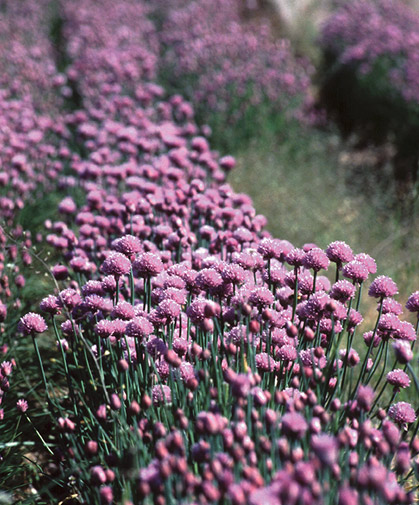
Chives, or Allium schoenoprasum, are a member of the allium family, which also includes onions, garlic, and leeks. Unlike their pungent cousins, chives offer a more delicate, mild flavor. They grow in a clumping habit, forming slender, hollow, grasslike leaves. In late spring or early summer, they produce beautiful, globeshaped purple or pink flowers that are also edible and can be used to add a pop of color to salads.
Why Grow Your Own Chives?
Growing your own chives offers several benefits. Fresh chives from the garden are far superior in flavor to those bought at the grocery store. They're also incredibly costeffective, as a single plant can produce an abundance of leaves throughout the growing season. Furthermore, chives act as a natural pest deterrent in the garden, helping to protect other plants from aphids and Japanese beetles. Their beautiful flowers also attract beneficial pollinators like bees.
Choosing the Right Variety
While Allium schoenoprasum is the most common variety, you may also encounter garlic chives (Allium tuberosum). Garlic chives have a flatter leaf and a distinct garlic flavor. They also produce white flowers and are often used in Asian cuisine. Both are excellent choices for the home garden, and the best one for you depends on your culinary preferences.
How to Plant Chives
When to Plant Chives
Chives can be planted in the spring after the last frost has passed. You can start them from seed indoors 68 weeks before the last expected frost, or you can purchase small plants from a nursery. Planting in the fall is also an option in milder climates.
Preparing the Soil
Chives are not overly particular about soil, but they thrive in welldraining soil that is rich in organic matter. A pH level between 6.0 and 7.0 is ideal. Before planting, it's a good idea to amend the soil with some compost or wellrotted manure to provide a boost of nutrients.
Chives Spacing
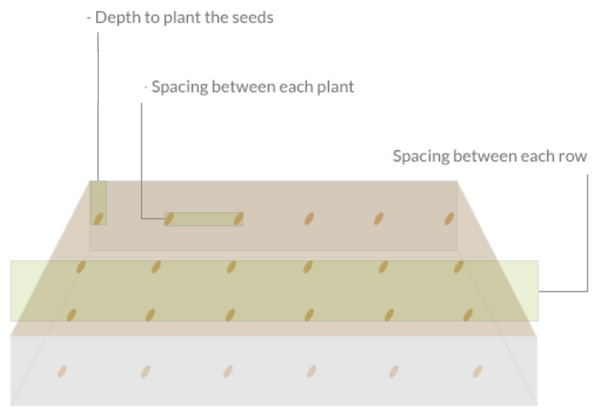
This is a critical factor for success. When planting chives, proper spacing is essential to allow for healthy growth and air circulation, which helps prevent fungal diseases.
For plants: If you're transplanting small plants, I recommend spacing them about 6 to 8 inches apart. This gives each clump enough room to spread out without competing for resources.
For seeds: If you're sowing seeds directly into the garden, plant them about 1/4 inch deep and space them about 1 inch apart. Once the seedlings are a few inches tall, you can thin them to about 6 inches apart.
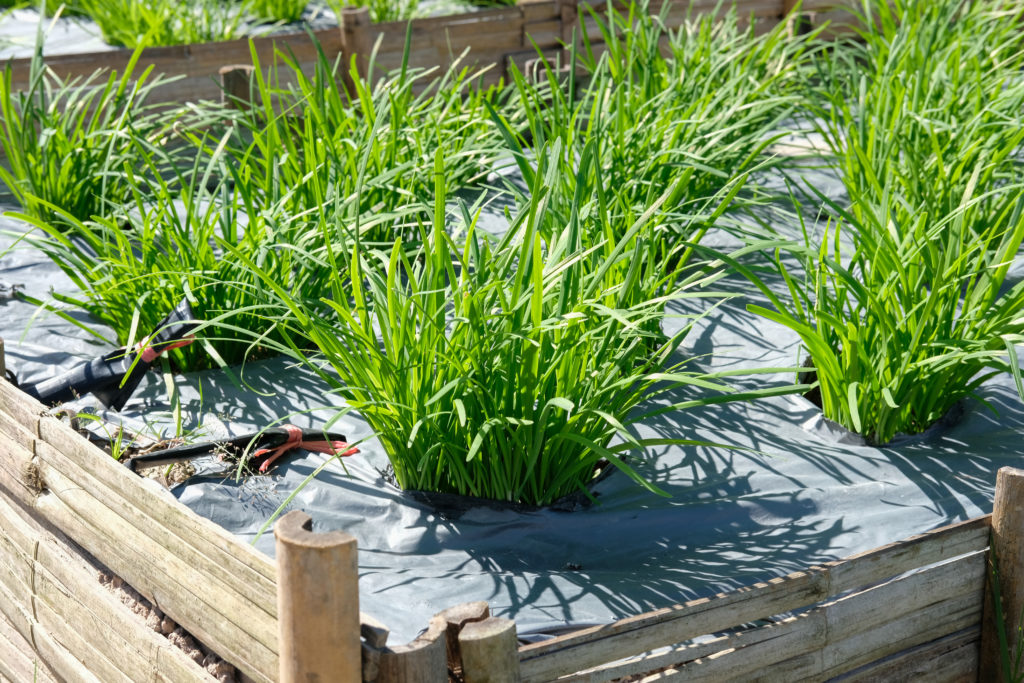
Proper chives spacing also applies to container gardening. If you're growing chives in a pot, make sure it's wide enough to accommodate the clumping habit. A pot at least 8 inches in diameter is a good starting point for one or two plants.
Caring for Your Chives
Watering
Chives prefer consistently moist soil. Water them regularly, especially during dry spells. However, avoid overwatering, as this can lead to root rot. A good rule of thumb is to water when the top inch of soil feels dry to the touch.
Sunlight
Chives grow best in full sun, which means at least 6 hours of direct sunlight per day. They can tolerate some partial shade, but their growth may be slower and less robust.
Fertilizing
Chives are not heavy feeders. If you've amended the soil with compost, they will likely have all the nutrients they need for the season. If you feel they need a boost, a balanced liquid fertilizer can be applied every 46 weeks.
Harvesting
The more you harvest chives, the more they will grow. You can begin harvesting once the plant is established and about 6 inches tall. To harvest, use a clean pair of scissors to snip the leaves from the base of the plant, about 12 inches above the soil. Harvest the outer leaves first, leaving the inner ones to continue growing.
Pest and Disease Management
Chives are relatively pestfree, but they can occasionally be bothered by thrips or aphids. A strong spray of water from a hose can often dislodge these pests. Fungal diseases like rust can occur in very humid conditions, but proper chives spacing and good air circulation can help prevent this.
Propagating Chives
Chives can be easily propagated by division in the spring or fall. Simply dig up a clump, gently separate it into smaller sections, and replant them. This is an excellent way to get new plants for free and to keep your existing plants from becoming overcrowded.
Overwintering Chives
Chives are a hardy perennial and will come back year after year. In colder climates, their leaves will die back in the winter. You can mulch around the base of the plant to provide some extra protection. In the spring, they will emerge again with fresh, new growth.
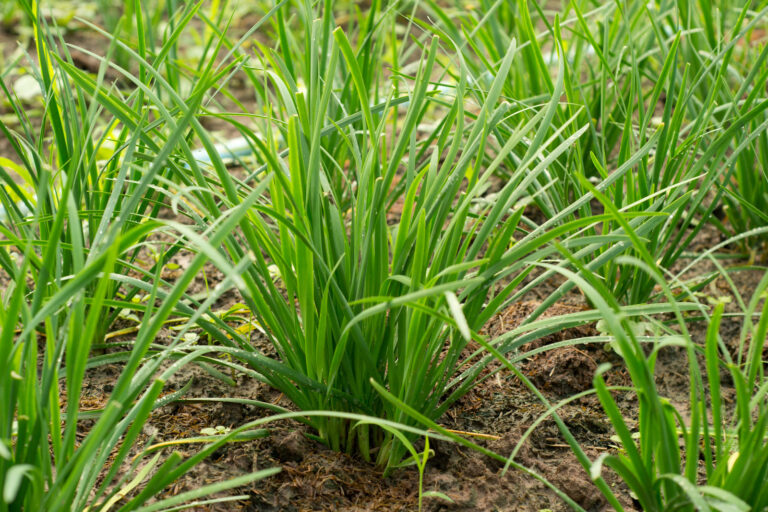
We understand the profound satisfaction of growing your own food, and few things are as rewarding as stepping out into the garden and snipping fresh herbs. The journey from a small seed or plant to a thriving clump of chives is a simple one, but it is one that yields continuous rewards. We believe that with the right knowledge and a little care, anyone can master the art of growing this versatile herb.
The Culinary Versatility of Chives
Beyond their ease of growth, we must also appreciate the incredible culinary contributions of chives. They are a staple in French cuisine, where they are part of the classic fines herbes mixture. The delicate, onionlike flavor provides a perfect counterpoint to richer dishes without overpowering them. We find that fresh chives are the most impactful, but they can also be frozen or dried for later use. Freezing, in our experience, best preserves their flavor. To do this, simply chop them finely and place them in an ice cube tray with a little water or oil. Once frozen, you can transfer the cubes to a freezer bag.
Chives in Companion Planting
We also want to explore the role of chives in companion planting. We have found that their pungent scent is a fantastic natural deterrent for a range of garden pests. We recommend planting chives near carrots to repel carrot rust flies and near tomatoes and roses to deter aphids and Japanese beetles. Furthermore, the beautiful chive blossoms attract beneficial insects, such as bees and hoverflies, which are vital for pollination and pest control. By incorporating chives into your garden, you are not only ensuring a steady supply of this delicious herb but also contributing to a healthier, more balanced ecosystem. This symbiotic relationship within the garden is a testament to the power of thoughtful plant placement.
Advanced Chives Care and Maintenance
For those who want to take their chive growing to the next level, we offer some more advanced tips.
Managing Flowering
When a chive plant flowers, its energy is directed toward producing seeds, which can cause the leaves to become tougher and less flavorful. We recommend snip ping off the flower stalks as soon as they appear if your primary goal is to harvest the leaves. This is known as deadheading. However, if you enjoy the edible flowers or want to let the plant selfseed, you can leave them on. The flowers are delicious and add a beautiful touch to salads.
Dividing Chive Clumps
As chive plants mature, their clumps can become very dense and crowded. We recommend dividing your chive plants every 34 years. This rejuvenates the plant, leading to more vigorous growth and preventing overcrowding. The process is simple: in the spring or fall, carefully dig up the entire clump. Using your hands or a sharp knife, gently pull or cut the clump into smaller sections, each with a healthy root system. Replant these sections, making sure to maintain proper chives spacing. This is an excellent opportunity to share your bounty with friends and family.
Container Gardening with Chives
We find that chives are an ideal candidate for container gardening, especially for those with limited space. A few key considerations can ensure success. We recommend using a container with ample drainage holes to prevent waterlogging. We also advise using a highquality potting mix rather than garden soil, which can compact and impede drainage. The container size is also important; we suggest a pot at least 8 inches in diameter to allow for the plant's clumping growth. Placing the container in a sunny spot and ensuring consistent watering will lead to a lush, productive plant.
Overcoming Common Chive Growing Challenges
Even with their ease of growth, gardeners may encounter a few challenges. We believe it's important to be prepared for these.
Yellowing Leaves: This is often a sign of overwatering or poor drainage. We recommend checking the soil moisture and ensuring your pot has adequate drainage. It can also be a sign of a nutrient deficiency, in which case a balanced liquid fertilizer can help.
Stunted Growth: This can be due to a lack of sunlight or nutrients. We suggest moving the plant to a sunnier location or applying a light fertilizer.
Pests: While chives repel many pests, they can occasionally be affected by aphids or thrips. We find that a simple neem oil solution or a strong spray of water can effectively manage these issues.
By understanding these potential problems, we can proactively address them and ensure a healthy, thriving chive plant.
The Economic and Environmental Benefits
From a broader perspective, we see the act of growing chives not just as a hobby but as a small step toward a more sustainable lifestyle. By cultivating your own herbs, you are reducing your reliance on grocery store produce, which often travels long distances and is packaged in plastic. This small change contributes to a reduced carbon footprint. The money saved on herbs can be significant over time, making it an economically savvy choice. We believe that every individual act of gardening, no matter how small, contributes to a larger movement of selfsufficiency and environmental stewardship.
The History and Cultural Significance of Chives
We also want to delve into the rich history of this humble herb. Chives have been cultivated for thousands of years, with records of their use dating back to ancient China. In medieval Europe, they were believed to have medicinal properties and were often used to treat various ailments. The name "chive" is derived from the French word cive, which comes from the Latin cepa, meaning "onion." We find that understanding the historical context of a plant deepens our appreciation for it. The fact that this simple herb has been a part of human history for so long is a testament to its value and resilience.
Chives in Landscaping
Beyond the herb garden, we also recognize the value of chives in landscaping. The beautiful, globeshaped purple flowers that appear in late spring and early summer can add a lovely decorative element to borders and rock gardens. We often recommend planting them in clumps to create a visual impact. Furthermore, their clumping habit and ability to tolerate a range of conditions make them an excellent choice for an edible groundcover. We believe that combining edible plants with ornamental ones is a smart and beautiful way to design a garden.
A YearRound Guide to Chives
We have prepared a comprehensive guide to caring for chives throughout the year, ensuring you have a steady supply of fresh herbs.
Spring
In spring, as the last frost passes, we begin by either sowing seeds or transplanting small plants. We ensure proper chives spacing and water them consistently. This is also an ideal time to divide existing clumps to rejuvenate the plants.
Summer
Throughout the summer, we focus on consistent watering and regular harvesting. We recommend harvesting frequently to encourage continuous growth. If you don't plan on using the flowers, we advise deadheading them to maintain the plant's energy for leaf production.
Fall
In the fall, as temperatures begin to cool, we can continue to harvest. We also recommend preparing the plants for winter. This is the last opportunity to divide clumps before they go dormant. We can also add a layer of mulch around the base of the plant to provide extra protection from the cold.
Winter
In winter, chives will die back in colder climates. We believe it is a time for rest. The plant is hardy and will reappear in the spring. In milder climates, chives may remain evergreen, and we can continue to harvest as needed.
The Versatility of Chives: A Recipe Collection
To inspire your culinary adventures, we have curated a collection of recipes that highlight the fresh, delicate flavor of chives.
Chive and Potato Salad: A classic for a reason. We find that the addition of fresh chives elevates a simple potato salad to new heights.
Herbed Butter: We recommend chopping fresh chives and mixing them with softened butter. This can be used on everything from fresh bread to roasted vegetables.
Chive and Sour Cream Dip: A perfect accompaniment for chips or a topping for baked potatoes. We believe the fresh chives are the key to this simple yet delicious dip.
Chive Blossom Vinegar: We suggest infusing white vinegar with fresh chive blossoms. This creates a beautiful, pinkhued vinegar that has a mild onion flavor and is perfect for salad dressings.
We are confident that once you start growing your own chives, you will find endless ways to incorporate them into your cooking. The flavor and freshness are simply unmatched.
Troubleshooting and Expert Tips
We also want to provide some expert tips for those who want to achieve the most successful chive harvest possible.
Succession Planting: For a continuous harvest throughout the season, we recommend succession planting. This involves sowing seeds or planting new plants every few weeks.
Soil Testing: For a truly optimized garden, we advise performing a soil test. This will tell you the exact pH and nutrient levels of your soil, allowing you to make precise amendments.
Companion Planting with Purpose: We encourage gardeners to think about companion planting not just as a way to deter pests but as a way to create a more harmonious garden ecosystem.
Watering at the Base: We recommend watering at the base of the plant rather than from overhead. This helps prevent fungal diseases by keeping the leaves dry.
We believe that by paying attention to these small details, we can ensure a healthier and more productive garden.
The Future of Chive Growing
We are seeing a growing trend of urban and vertical farming, and chives are perfectly suited for these methods. Their small size and ease of growth make them ideal for windowsill gardens, hydroponic systems, and vertical planters. We believe that as people become more interested in growing their own food, chives will continue to be a popular and accessible choice.
We are proud to have provided this comprehensive guide on how to plant and grow chives. We hope that it empowers you to start your own chivegrowing journey and experience the joy and flavor of this incredible herb.
Meta Information
Meta Keywords: chives, growing chives, chives spacing, plant chives, grow chives, chives care, harvesting chives, chives perennial, chives in pots, chives from seed, chives companion plants, how to grow chives


Comments
Post a Comment