Growing chives in containers
Why Chives are the Perfect Container Plant
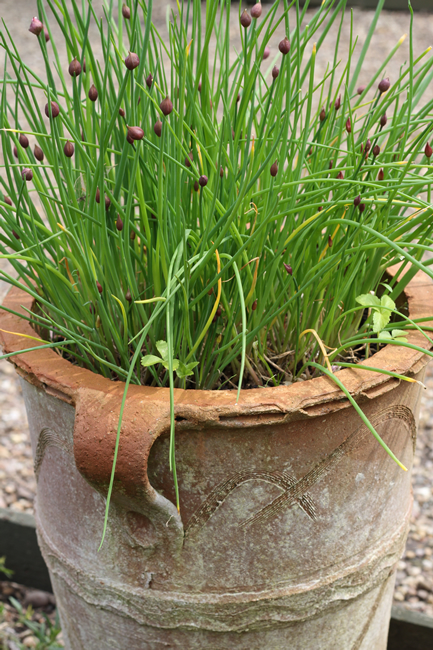
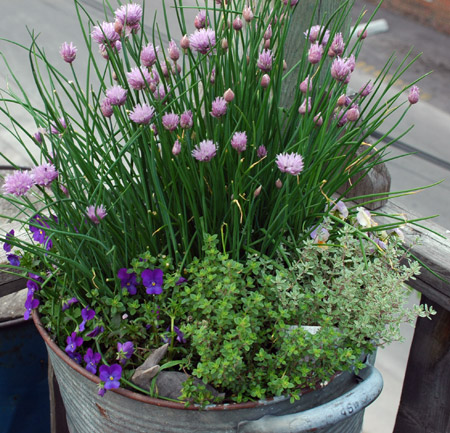
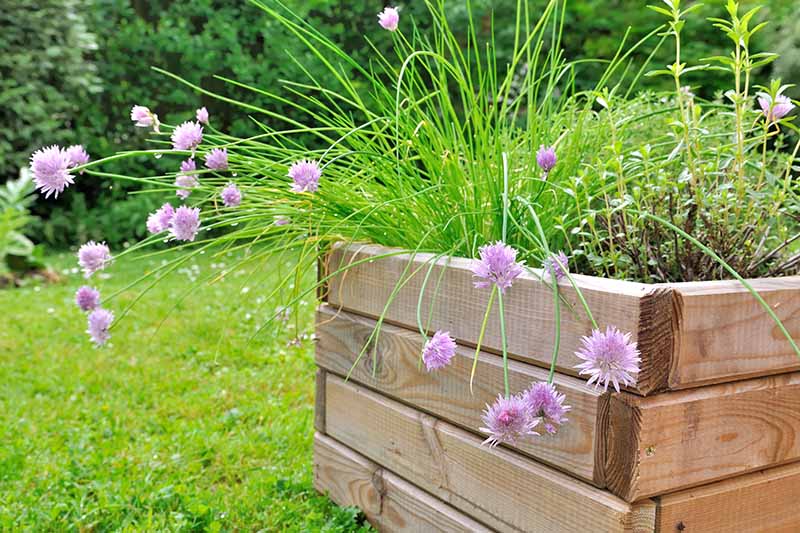
When you're looking for a plant to kickstart your container gardening journey, chives (Allium schoenoprasum) are an excellent choice. From my experience, they offer a fantastic return on minimal effort. They are perennial, meaning they come back year after year, and their clumping growth habit makes them incredibly wellsuited for pot life. Unlike some other herbs that can become leggy and sparse, chives maintain a neat, upright form. This makes them not only productive but also aesthetically pleasing. Their delicate purple flowers are an added bonus, attracting beneficial pollinators to your space. I do believe their resilience to a wide range of conditions is a key factor in their success as a container plant. They aren't particularly fussy about soil pH, and they can tolerate both full sun and partial shade, making them versatile for various light conditions.
Selecting the Right Container and Potting Mix
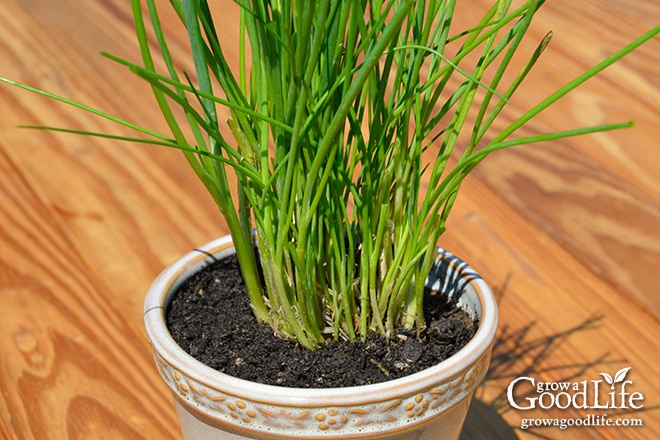
Choosing the right vessel is the first critical step to ensuring your chives thrive. I recommend a pot that is at least 68 inches in diameter and has excellent drainage. Chives, like most herbs, despise having "wet feet." A container with a single large drainage hole or multiple smaller ones is essential. Materialwise, terracotta pots are great because they are porous and allow excess moisture to evaporate, which helps prevent root rot. However, plastic and glazed ceramic pots also work perfectly well. Just be more mindful of your watering schedule. For the potting mix, I do not recommend using garden soil. Garden soil is too dense and can compact in a container, suffocating the roots. Instead, opt for a highquality, lightweight potting mix specifically formulated for containers. A mix with good aeration and water retention properties is ideal. You can also mix in some perlite or vermiculite to improve drainage further. From my experience, a good quality potting mix provides the perfect balance of moisture retention and drainage, which is crucial for healthy root development.
Propagating and Planting Your Chives
You have a few options when it comes to getting your chive plants started. The most common methods are from seed or by dividing an existing plant. I recommend starting with a small plant from a local nursery if you're a beginner. It’s a quick and easy way to get a head start. Simply transplant the nursery plant into your chosen container, making sure to gently loosen the roots to encourage them to spread into the new soil. When planting from seed, sow them directly in the container, about 1/4 inch deep. Chives can take a little longer to germinate, so be patient. Keep the soil consistently moist until the seedlings emerge. Once they are a few inches tall, you can thin them out to about 23 inches apart to give each plant enough room to grow. I do find that planting in clumps, rather than single plants, works best for container chives, as it mimics their natural growth habit and provides a fuller, more productive plant.

Optimal Light and Temperature Conditions
Chives are a sunloving plant, and for the best results, I recommend placing your container in a location that receives at least 68 hours of direct sunlight per day. A southfacing windowsill, a sunny balcony, or a patio is ideal. While they can tolerate partial shade, too little sun will result in a more sparse and less flavorful plant. In my experience, they become leggy and their leaves lose their vibrant green color. Chives are also incredibly coldhardy and can withstand freezing temperatures, which makes them an excellent perennial for many climates. However, if you live in a region with extremely hot summers, you might need to provide some afternoon shade to prevent the leaves from scorching. I do believe that finding the right balance of sun and shade is key to maintaining a healthy and robust plant throughout the growing season.
Watering Your Container Chives Correctly
Watering is arguably the most crucial aspect of container gardening. Unlike plants in the ground, container plants are completely dependent on you for their moisture. I recommend a "check before you water" approach. Stick your finger about an inch or two into the soil. If it feels dry, it's time to water. If it's still damp, wait a day or two and check again. Chives prefer consistently moist, but not soggy, soil. Overwatering is a common mistake and can lead to root rot. Make sure that when you do water, you water thoroughly until you see water draining from the bottom of the pot. This ensures that the entire root ball is saturated. In the hot summer months, you may need to water daily, while in cooler weather, once or twice a week may be sufficient. From my experience, using a selfwatering pot can be a great way to maintain consistent moisture levels and reduce the risk of over or underwatering.
Fertilizing for a Flourishing Harvest
While chives are not heavy feeders, a little bit of nourishment can go a long way in promoting lush, green growth. I do not recommend overfertilizing, as this can lead to an excess of foliage at the expense of flavor. A balanced, allpurpose liquid fertilizer, applied every 46 weeks during the growing season (spring and summer), is more than sufficient. You can also use organic options like compost tea or a slowrelease granular fertilizer. From my experience, an occasional dose of a fish emulsion or seaweed extract can also give your chives a fantastic boost. Remember to always follow the manufacturer’s instructions and dilute the fertilizer to the recommended strength to avoid burning the roots.
Harvesting Your Chives for Maximum Yield
The beauty of growing chives is that you can harvest them continuously throughout the growing season. I recommend starting to harvest once your plant has established itself and is at least 6 inches tall. To harvest, use a clean pair of scissors or garden snips and cut the leaves from the base of the plant, about 12 inches above the soil line. I do not recommend cutting all the leaves at once, as this can shock the plant. Instead, harvest what you need, cutting from the outer clumps first. This encourages the plant to produce new growth from the center. Regular harvesting is actually beneficial for the plant; it encourages it to produce more foliage. This is one of the key reasons chives are so productive in a container. You can continue to harvest right up until the first hard frost.
Dealing with Pests and Diseases
One of the many reasons I do recommend chives for container gardening is their natural resistance to pests and diseases. They are generally very hardy. However, no plant is entirely immune. Occasionally, you may encounter aphids or thrips. These can usually be dislodged with a strong spray of water from a hose. For more persistent infestations, I recommend using a natural insecticidal soap. Always check the undersides of the leaves for any signs of trouble. As for diseases, root rot is the most common issue, and it is almost always due to overwatering. This is why proper drainage and a “check before you water” routine are so vital. From my experience, a healthy, wellcaredfor chive plant is its own best defense against most problems.
Overwintering Your Container Chives
As a perennial, chives will go dormant in the winter and come back in the spring. From my experience, containergrown chives can be more susceptible to cold damage than those in the ground, as their roots are not as insulated. If you live in a very cold climate (USDA zones 4 and below), I recommend moving your container to a sheltered location, such as a garage, shed, or unheated porch. You can also insulate the pot by wrapping it in burlap or bubble wrap. Another option is to simply bring the container indoors to a cool, dark place for the winter. Reduce watering significantly during this dormant period. Once spring arrives and the danger of hard frost has passed, you can bring the pot back out and resume a regular watering schedule. Your chives will quickly spring back to life, ready to provide another season of fresh clippings.
Common Mistakes to Avoid
While chives are forgiving, there are a few common pitfalls that can hinder your success. I do see people making these mistakes all the time. First, as mentioned, overwatering is a major issue. Remember the "check before you water" rule. Second, using poor quality soil or garden soil can lead to root rot and nutrient deficiencies. A good quality potting mix is a nonnegotiable investment. Third, insufficient sunlight. Chives might survive in a shady spot, but they won't thrive. Give them as much sun as you can. Finally, don’t be afraid to harvest! A plant that is regularly harvested will be more productive and vigorous. I recommend you view harvesting as a form of pruning that benefits the plant in the long run.
The Culinary and Medicinal Benefits of Chives
Beyond the joy of growing them, chives offer a wealth of culinary and health benefits. Their delicate oniongarlic flavor is perfect for adding a finishing touch to a wide range of dishes, from baked potatoes and omelets to soups and salads. I do believe that the flavor of homegrown chives far surpasses anything you can buy at the store. Medicinally, chives contain a variety of vitamins and minerals, including Vitamins K and C, and are known for their antiinflammatory properties. From my experience, having a fresh supply of chives on hand encourages a healthier, more flavorful diet. They are a simple way to elevate your cooking and add a boost of nutrition.
Troubleshooting Your Container Chives
Sometimes, despite our best efforts, a plant might not look its best. Don't worry, I do have some troubleshooting tips for you. If your chives are turning yellow, it's often a sign of overwatering. Check the soil moisture and allow it to dry out slightly between waterings. Yellowing can also be a sign of a nutrient deficiency, so a light application of liquid fertilizer might be in order. If the tips are turning brown, it could be a sign of underwatering or too much sun exposure. Ensure the plant is getting enough water and consider providing some afternoon shade if the sun is particularly intense. From my experience, a quick check of the soil and an adjustment to your watering and sun exposure are usually all that is needed to get your chives back on track.
Advanced Tips for the Experienced Gardener
For those who have mastered the basics, there are always ways to take your container chive game to the next level. I recommend dividing your plant every 23 years. Chives are a clumping plant and can become rootbound over time. Dividing them not only gives you more plants but also revitalizes the original clump, leading to more vigorous growth. You can also try growing different varieties of chives. While common chives are the most popular, you can also grow garlic chives (Allium tuberosum), which have a flatter leaf and a more distinct garlic flavor. Experiment with different container types and materials to find what works best in your specific climate and space. I do believe that the more you experiment, the more you learn, and the more rewarding your gardening journey becomes.
Conclusion: A Rewarding Container Gardening Experience
Growing chives in a container is a rewarding and accessible endeavor for gardeners of all skill levels. From my experience, they are a perfect gateway plant to the world of herbs and container gardening. With the right pot, a quality potting mix, and a mindful watering schedule, you can enjoy a continuous supply of fresh, flavorful chives. I do believe that the satisfaction of harvesting your own food, no matter how small the scale, is an unparalleled feeling. I recommend you start your chive container garden today and discover the simple joy of growing your own food. This guide is designed to provide you with all the knowledge you need to succeed, and I do hope it inspires you to get your hands dirty and start planting.


Comments
Post a Comment