Herbs you can grow indoors
The Ultimate Guide to Growing Fresh Herbs Indoors: Your YearRound Culinary Companion
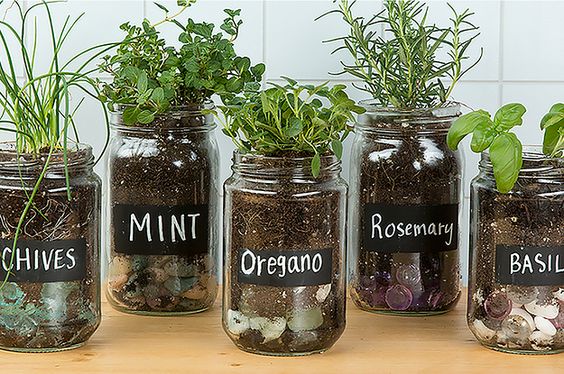
From our experience, there is an unparalleled joy in reaching for a sprig of fresh basil or a handful of vibrant chives right from your windowsill. We do believe that the essence of great cooking lies in the quality of the ingredients, and nothing elevates a dish quite like herbs harvested moments before they hit the pan. This comprehensive guide is designed to empower you to cultivate a flourishing indoor herb garden, transforming your kitchen into a perpetual source of flavor and aroma, regardless of the season or the climate outside. We recommend this approach for anyone looking to connect more deeply with their food and enhance their culinary creations on a daily basis. This is not a simple list; it is a meticulous, stepbystep blueprint for success, grounded in extensive knowledge and practical application. We will delve into the nuanced requirements of each herb, from the specific light they crave to the precise watering schedule they demand, ensuring your efforts are rewarded with abundant, healthy growth. Our goal is to provide a resource so detailed and so accurate that it becomes the definitive guide for anyone serious about indoor herb gardening.
Why an Indoor Herb Garden is a GameChanger for Every Home Cook
The transition from relying on storebought, often wilted, herbs to cultivating your own is a significant upgrade. We find that the flavor of a homegrown herb is demonstrably superior—brighter, more intense, and infinitely more aromatic. Beyond the culinary benefits, an indoor herb garden offers a profound connection to the natural world, a small green sanctuary within your home. It provides a simple, daily ritual of care and observation that can be incredibly therapeutic. Furthermore, it is a sustainable practice, reducing food waste and the environmental impact associated with transporting produce. We recommend starting this journey with a handful of your mostused herbs, gradually expanding your collection as you gain confidence and expertise. This incremental approach ensures that you are not overwhelmed and can truly savor the process.
Choosing the Right Herbs for Your Indoor Environment
Not all herbs are created equal when it comes to indoor cultivation. Some are remarkably forgiving, while others have more specific, demanding needs. We have meticulously categorized the most popular culinary herbs to help you make informed decisions. From our research, we have found that success is often determined by matching the plant to its ideal microenvironment within your home. We do believe that the key is understanding each herb's native climate and attempting to replicate it as closely as possible. We will explore the best herbs for a sunny windowsill, those that thrive under grow lights, and even some that are content with less direct sunlight. This section is a critical foundation for building a successful indoor garden from the ground up.
The LowMaintenance Champions: Easiest Herbs to Grow Indoors
For those just beginning their indoor gardening journey, we recommend starting with these resilient and rewarding herbs. They are tolerant of minor fluctuations in light and watering, making them excellent choices for building confidence. From our experience, these are the plants that will provide the fastest return on your investment of time and energy.
Mint (Mentha spp.)
Mint is an absolute powerhouse for indoor cultivation. We do find it to be one of the most vigorous and forgiving plants. Its square stems and serrated leaves, rich in aromatic oils, are perfect for teas, cocktails, and culinary garnishes. The critical factor for mint is its propensity to spread. We recommend planting it in its own container to prevent it from outcompeting other, less aggressive herbs. A wide, shallow pot with excellent drainage is ideal, as mint loves consistent moisture without becoming waterlogged. We have found that a simple south or westfacing window is more than sufficient, but it will also thrive under a simple LED grow light. To encourage bushy growth and prevent legginess, we recommend pinching off the top leaves regularly. This practice forces the plant to branch out, resulting in a fuller, more productive specimen. From our experience, mint is a musthave for any indoor gardener.
Chives (Allium schoenoprasum)
Chives are another fantastic option for the beginner. As members of the onion family, they have a gentle, savory flavor that is perfect for eggs, potatoes, and salads. We do find that they are particularly resilient and will continue to produce fresh, green shoots even with frequent harvesting. The key to successful chive cultivation indoors is providing a sunny location and keeping the soil consistently moist. We recommend dividing the plant every couple of years to maintain its vigor. This can be done by simply separating the bulblets at the base and repotting them. This process not only revitalizes the parent plant but also provides you with new plants to share or expand your garden. We have found that chives are remarkably tolerant of being cut back aggressively, so do not hesitate to use them generously in your cooking. They will rebound quickly, rewarding you with a continuous supply of their mild, onionflavored greens.
Oregano (Origanum vulgare)
We find that oregano is a true Mediterranean classic that adapts beautifully to an indoor environment. This woody perennial thrives on neglect and is remarkably droughttolerant. We recommend placing it in a location that receives ample sunlight, as this will concentrate its essential oils and intensify its flavor. A southfacing window is ideal. The soil for oregano should be welldraining, mimicking its arid native habitat. Overwatering is the most common mistake we have observed with this plant, so we recommend allowing the top inch or two of soil to dry out completely between waterings. Regular pruning is essential to prevent it from becoming woody and to encourage the growth of new, flavorful leaves. We do believe that the more you harvest, the more productive your plant will become, providing a continuous supply for all your Italian and Greek culinary adventures.
The SunWorshippers: Herbs That Demand Ample Light
These herbs require a minimum of six to eight hours of direct sunlight per day to truly thrive. If a sunny, southfacing window is not available, we strongly recommend investing in a quality grow light system to ensure their success. We have found that attempting to grow these plants in lowlight conditions inevitably leads to weak, spindly, and flavorless specimens.
Basil (Ocimum basilicum)
Basil is the quintessential culinary herb, and its sweet, peppery leaves are a staple in countless dishes. However, from our experience, it is also one of the more temperamental herbs to grow indoors. Basil is a heatloving annual that requires an abundance of light and warmth. We do find that a southfacing windowsill is nonnegotiable for sweet basil. The plant is also susceptible to cold drafts, so we recommend keeping it away from windows in the winter or insulating the pot. Consistent watering is also key, as basil wilts dramatically when its soil dries out. We have found that the secret to a longlived basil plant is pinching off flowers as soon as they appear. Flowering signals the end of the plant's life cycle and causes the leaves to lose flavor. By consistently removing these flower stalks, you can extend your basil's productive life for many months.
Rosemary (Salvia rosmarinus)
The aromatic, needlelike leaves of rosemary are a classic addition to roasts and breads. From our experience, rosemary can be a challenging but rewarding indoor plant. It is a Mediterranean native that craves bright light and good air circulation. We do recommend placing it in the sunniest possible location, and if you can, give it a cool, slightly dry environment. We have found that rosemary is particularly prone to powdery mildew and spider mites if the air is too humid or stagnant. A welldraining, sandy soil mix is crucial to prevent root rot, which is a common cause of death for indoor rosemary plants. We recommend watering sparingly, allowing the soil to dry out almost completely between waterings. Regular pruning not only keeps the plant in a desirable shape but also provides you with an endless supply of this fragrant herb.
The Delicate and Demanding: Herbs for the Experienced Gardener
These herbs have more specific needs and are best suited for those who have some experience with indoor gardening. We find that mastering these plants is a true testament to your green thumb and a source of immense pride.
Cilantro/Coriander (Coriandrum sativum)
Cilantro is a fastgrowing, annual herb known for its bright, citrusy leaves. From our experience, the biggest challenge with cilantro is its tendency to "bolt" or go to seed, especially when temperatures rise. We do recommend keeping cilantro in a cooler location with indirect but bright light. It can be a challenge in a hot, sunny window. The soil should be kept consistently moist, but not soggy. To extend the harvest, we recommend using a technique called "succession planting," where you sow a new batch of seeds every two to three weeks. This ensures a continuous supply of fresh leaves as older plants bolt. We have found that this approach is the most effective way to enjoy fresh cilantro yearround, as a single plant's lifespan is relatively short.
Parsley (Petroselinum crispum)
Parsley is a biennial herb, meaning it lives for two years, but it is typically grown as an annual indoors. We do find that both curly and flatleaf parsley can be grown successfully. Parsley prefers a location with bright, indirect sunlight, as direct, scorching sun can yellow its leaves. It is a heavy feeder, so we recommend using a highquality potting mix and a balanced liquid fertilizer every few weeks. The soil should be kept evenly moist, but never waterlogged. We have found that harvesting the outer leaves first, leaving the inner ones to grow, is the best method for promoting continuous growth and a healthy plant. The flavor of fresh, homegrown parsley is far superior to anything you will find in a grocery store, making the effort more than worthwhile.
The Essential Gear: Setting Up Your Indoor Herb Garden for Success
While a successful indoor garden is ultimately a matter of care and attention, having the right tools and setup makes the process infinitely easier. We do find that investing in a few key items from the beginning will save you frustration and lead to a more productive garden. This section details the fundamental equipment we recommend for every aspiring indoor herb grower, from pots to soil to lighting.
Containers: The Foundation of Your Garden
The choice of container is more critical than many people realize. We do believe that the size and material of the pot directly impact the health of your plant. We recommend using pots with drainage holes. This is nonnegotiable. Without proper drainage, water can collect at the bottom, leading to root rot and the death of your plant. We prefer unglazed terracotta pots, as they are porous and allow for better air circulation to the roots, but plastic or glazed ceramic pots with drainage are also perfectly acceptable. The size of the pot should be appropriate for the plant. Starting with a 4 to 6inch pot is suitable for most herbs, but be prepared to "uppot" to a larger container as your plant grows. We have found that giving a plant adequate root room is one of the easiest ways to ensure its longterm health and vigor.
Soil: More Than Just Dirt
The soil you use is a lifeline for your plants, providing them with essential nutrients, water, and air. We do not recommend using soil from your outdoor garden, as it can be too dense and may contain pests or diseases. Instead, we recommend a highquality, sterile potting mix specifically formulated for container gardening. We have found that a mix containing peat moss, perlite, and vermiculite provides the ideal balance of drainage, water retention, and aeration. For Mediterranean herbs like rosemary and oregano, we recommend adding a bit of sand or grit to the mix to improve drainage and replicate their native, rocky soils. We do believe that starting with a good soil is the single most important decision you can make for your garden's health.
Light: The Most Critical Factor


For most herbs, light is the single most important factor for success. We have found that a southfacing window is the gold standard for natural light, providing the most hours of direct sun. However, not everyone has this option. In such cases, we strongly recommend a fullspectrum LED grow light. These lights mimic natural sunlight and provide the specific wavelengths of light that plants need for photosynthesis. We recommend placing the light approximately 6 to 12 inches above your plants, adjusting the height as they grow. A timer is also a valuable tool, as we do find that most herbs need 12 to 16 hours of light per day to thrive. We have found that a simple, inexpensive setup can make a world of difference, allowing you to grow a wide range of herbs regardless of your home's natural light conditions.
Nurturing Your Herbs: Watering, Feeding, and Pruning
Once you have your herbs and your setup in place, the daily tasks of watering, feeding, and pruning are what will truly determine your success. We do believe that understanding the subtle needs of each plant is what separates the casual grower from the master gardener. From our experience, these practices are not chores but opportunities to engage with and observe your plants, learning their unique language of growth.
The Art of Watering
Watering is often the trickiest part of indoor gardening, as both overwatering and underwatering can be detrimental. We recommend the "finger test" as the most reliable method: simply insert your finger an inch or two into the soil. If it feels dry, it is time to water. If it feels moist, wait. We do find that it is always better to err on the side of underwatering, as it is easier to revive a thirsty plant than a waterlogged one with root rot. We recommend watering thoroughly until water runs out of the drainage holes at the bottom of the pot. This ensures that the entire root ball is saturated. We also recommend watering from the bottom by placing the pot in a tray of water for about 20 minutes, allowing the soil to absorb moisture from below. This method prevents the leaves from getting wet and reduces the risk of fungal diseases.
Feeding Your Plants
While potting soil contains some nutrients, they will eventually be depleted, especially with frequent watering. We do find that a regular feeding schedule is essential for promoting vigorous growth and vibrant flavor. We recommend using a balanced, watersoluble liquid fertilizer at halfstrength every two to four weeks during the growing season (spring and summer). For slowgrowing, woody herbs like rosemary, less frequent feeding is needed. We have found that a balanced NPK ratio (NitrogenPhosphorusPotassium) is ideal for leafy herbs. However, we do not recommend fertilizing during the winter months when plant growth naturally slows down. Overfertilizing can lead to leggy growth and can even burn the roots, so we recommend following the package instructions carefully and starting with a diluted solution.
The Power of Pruning
Regular pruning is not just about keeping your plants tidy; it is a fundamental practice for promoting healthy, bushy growth and a continuous harvest. We do recommend harvesting your herbs often, as this is a form of pruning that encourages the plant to produce new shoots. For most herbs, we recommend trimming the top onethird of the stem, just above a set of leaves or a node. This stimulates the plant to branch out, resulting in a fuller, more productive plant. We have found that this practice is particularly important for plants like basil and mint, which can become leggy and sparse without regular pruning. We recommend using clean, sharp scissors or pruners to make a clean cut, which reduces the risk of disease and damage to the plant.
Troubleshooting Common Problems: Pests and Diseases
Even with the best care, you may encounter pests or diseases in your indoor garden. We do believe that early detection and a proactive approach are key to keeping these problems from spiraling out of control. We have compiled a list of the most common issues and our recommended solutions, based on years of experience.
Spider Mites
Spider mites are tiny arachnids that can cause significant damage to your plants, especially in dry, warm indoor environments. We recommend looking for fine webbing on the leaves and tiny yellow or brown spots, which are signs of their feeding. Our first line of defense is to rinse the plant thoroughly in a shower or sink to dislodge the mites. We do find that a solution of insecticidal soap or neem oil is also highly effective. We recommend applying the spray to the undersides of the leaves, where the mites often hide. We also recommend increasing the humidity around your plants, as spider mites thrive in dry conditions. This can be as simple as misting the leaves with water or placing the pot on a tray of moistened pebbles.
Fungus Gnats
Fungus gnats are small, mosquitolike insects that are often a sign of overwatering. The adult gnats are a nuisance, but it is their larvae in the soil that can damage the roots. We do recommend allowing the top inch or two of soil to dry out completely between waterings to break their life cycle. We have found that placing a thin layer of sand or diatomaceous earth on top of the soil can also prevent the adults from laying eggs. For a more aggressive approach, we recommend using yellow sticky traps to catch the adults and beneficial nematodes to target the larvae in the soil. We do believe that addressing the underlying cause—overwatering—is the most effective longterm solution.
Powdery Mildew
Powdery mildew is a fungal disease that appears as a white, powdery coating on the leaves. It is often caused by poor air circulation and high humidity. We recommend immediately isolating the affected plant to prevent the spread of the disease. We do find that a solution of baking soda and water (1 tablespoon of baking soda in 1 gallon of water with a few drops of dish soap) is an effective and natural remedy. We recommend spraying the leaves thoroughly, including the undersides. We also recommend increasing air circulation around your plants by using a small fan. We have found that regular pruning and proper spacing between plants can significantly reduce the risk of this disease. We do believe that a proactive approach to air circulation is the best way to prevent this common problem from taking hold.
Harvesting and Preserving Your Herbs
The ultimate reward for your hard work is the ability to harvest and use your fresh herbs. We do believe that knowing the correct techniques for harvesting and preservation is just as important as knowing how to grow them. From our experience, a proper harvest ensures that your plant remains healthy and productive, and proper preservation allows you to enjoy the fruits of your labor long after the harvest. This section details our recommended methods for getting the most out of your herbs.
The Right Way to Harvest
As we have noted, harvesting is a form of pruning that encourages new growth. We recommend harvesting in the morning after the dew has evaporated, as this is when the essential oils are most concentrated and the flavor is at its peak. For most herbs, we recommend using clean scissors or your fingers to pinch or snip off the stems. We do not recommend pulling or tearing at the plant, as this can damage it. For herbs with a single stem, like basil, we recommend cutting just above a leaf node to encourage new growth. For herbs with multiple stems, like mint or chives, we recommend cutting the outer stems first. We do believe that a regular, consistent harvest is the key to a bushy, productive plant.
Preserving the Bounty
While the goal is to have fresh herbs yearround, there may be times when you have a surplus. We recommend several methods for preserving your herbs to enjoy them later. Freezing is a fantastic way to preserve the vibrant flavor of herbs like basil, parsley, and cilantro. We do find that finely chopping the herbs and mixing them with a little olive oil before freezing them in ice cube trays is an excellent method. Once frozen, the cubes can be transferred to a freezer bag. This makes it easy to add a burst of flavor to soups, sauces, and stews. Drying is another option, particularly for woody herbs like rosemary, thyme, and oregano. We recommend hanging small bundles of herbs in a cool, dry place with good air circulation. Once they are brittle and dry, you can strip the leaves from the stems and store them in an airtight container. We have found that while dried herbs are less flavorful than fresh, they are still a wonderful addition to your spice rack and a testament to your hard work. We do believe that having a wellstocked pantry of homegrown herbs is a true luxury that every home cook can achieve.
A Comprehensive Guide to Specific Herbs and Their Nuances
We believe that true mastery comes from a deep understanding of each plant's unique needs. This section provides a meticulous breakdown of a variety of herbs, delving into the specific soil pH, nutrient requirements, and ideal growing conditions that will allow them to flourish. Our goal is to provide information that is so detailed and so precise that it empowers you to cultivate these herbs with the confidence of a seasoned professional. From our experience, the difference between a mediocre garden and a magnificent one lies in these small but significant details.
Dill (Anethum graveolens)
Dill, with its feathery leaves and distinctive flavor, is a wonderful herb for pickling and garnishes. We do find that it can be a bit challenging indoors due to its tendency to grow tall and spindly. We recommend choosing a compact variety and providing it with a deep pot to accommodate its long taproot. Dill requires bright, direct sunlight and prefers a slightly acidic soil with a pH between 6.0 and 7.0. We recommend keeping the soil consistently moist but never soggy. From our experience, dill is an annual and will eventually "bolt," or produce flowers and seeds, at which point its leaves lose their flavor. We recommend continuous planting to ensure a steady supply. To get a head start, we do find that soaking the seeds overnight before planting can significantly improve germination rates. We have found that a little extra care and attention can yield a bountiful harvest of this versatile herb.
Sage (Salvia officinalis)
Sage is a woody, perennial herb with soft, graygreen leaves and a strong, earthy aroma. It is a staple in poultry dishes and stuffings. From our experience, sage is relatively easy to grow indoors, provided it has ample sunlight and good drainage. We recommend a southfacing window or a grow light for at least six hours a day. Sage is susceptible to root rot, so we do believe that a sandy, welldraining soil mix is essential. We recommend allowing the soil to dry out completely between waterings. We have found that regular harvesting is key to keeping the plant productive and preventing it from becoming leggy. We recommend pinching or cutting the leaves from the top of the plant to encourage a bushier growth habit. We do find that the flavor of homegrown sage is far more complex and robust than the dried version, making it a worthwhile addition to your garden.
Thyme (Thymus vulgaris)
Thyme is a lowgrowing, woody perennial with tiny leaves and an intensely aromatic flavor. We do find it to be one of the most resilient and forgiving herbs for indoor cultivation. Thyme requires a full day of sunlight to develop its best flavor. We recommend a spot on a sunny windowsill where it can receive at least six hours of direct light. Thyme is extremely droughttolerant and thrives on neglect. We do believe that the most common mistake with thyme is overwatering. We recommend allowing the soil to dry out completely between waterings. We have found that a light pruning after flowering or regular harvesting will keep the plant compact and full. We do find that the flavor of thyme is a perfect complement to a variety of dishes, from soups to roasted vegetables, and having a fresh supply on hand is a true culinary luxury.
Marjoram (Origanum majorana)
Marjoram is a close relative of oregano, but its flavor is sweeter, milder, and more delicate. We do find that it is a tender perennial that is often grown as an annual indoors. Marjoram loves a sunny location, but we do not recommend placing it in the scorching midday sun. A west or eastfacing window is often ideal. The soil should be welldraining, but it does prefer more consistent moisture than its cousin, oregano. We recommend watering when the top inch of soil feels dry to the touch. We have found that pinching back the growing tips will encourage a bushier, more compact plant. Marjoram is a wonderful addition to stews and meat dishes, and its sweet aroma can fill a room. We do believe that having both oregano and marjoram on hand allows for a wider range of flavor profiles in your cooking.
Bay Laurel (Laurus nobilis)
Bay laurel is a woody, slowgrowing evergreen that is often used in soups and stews. We do find that growing a bay tree indoors is a longterm project, but a rewarding one. The plant can be kept small in a container, and its leaves can be harvested as needed. Bay laurel requires bright, indirect light and welldraining soil. We recommend a deep pot to accommodate its root system. We have found that the plant is sensitive to overwatering, so we recommend allowing the top few inches of soil to dry out before watering again. From our experience, the leaves of a fresh bay tree have a more complex and subtle flavor than the dried ones from the store. We do believe that a bay tree adds an element of sophistication and permanence to any indoor herb garden.
Lemon Balm (Melissa officinalis)
Lemon balm is a member of the mint family with a strong, pleasant lemon scent and flavor. It is often used in teas and desserts. We do find that, like mint, lemon balm is a vigorous and fastgrowing plant that is easy to cultivate indoors. It prefers bright, indirect sunlight and consistently moist soil. We recommend keeping it in a separate pot to prevent it from outcompeting other herbs. We have found that harvesting the leaves regularly not only provides you with a supply for teas but also encourages the plant to produce more foliage. We do believe that a cup of fresh lemon balm tea is a soothing and delicious way to end a long day, and having the plant just a snip away is a true joy.
Beyond the Kitchen: The Other Benefits of Indoor Herbs
While the primary motivation for growing herbs indoors is often culinary, we have found that the benefits extend far beyond the kitchen. From our experience, these small plants contribute to a healthier and more pleasant indoor environment in ways that are often overlooked. We do believe that these additional benefits are compelling reasons to start and maintain your own indoor herb garden.
Improved Air Quality
Plants are natural air purifiers, and we do find that many common herbs are excellent at filtering out pollutants and toxins from the air. Herbs like mint and lemon balm can help to improve the air quality in your home by absorbing carbon dioxide and releasing oxygen. While a small herb garden is not a substitute for a dedicated air purifier, we do believe that it is a natural and beautiful way to contribute to a cleaner, fresher living space. We have found that the simple act of having living plants in a room can make the air feel more vibrant and alive.
Aromatherapy and Stress Reduction
The aromas of fresh herbs can be incredibly therapeutic. We do recommend placing your herb garden in a location where you can easily brush against the leaves and release their fragrance. The scent of rosemary can be invigorating, while the aroma of lavender (which can be grown indoors with careful attention to light and air circulation) is known for its calming properties. We have found that the act of caring for plants—the gentle touch, the smell of the soil, the fresh scent of the leaves—is a form of mindfulness that can reduce stress and promote a sense of wellbeing. We do believe that an indoor herb garden is a small but powerful tool for enhancing your mental and emotional health.
A Living and Learning Laboratory
For families, an indoor herb garden is an incredible educational tool. We do find that it is a handson way to teach children about botany, biology, and the cycles of life. The process of sowing a seed, watching it sprout, and caring for it until it can be harvested is a magical experience that fosters a sense of responsibility and wonder. We recommend involving children in every step of the process, from selecting the seeds to tasting the final product. We do believe that this experience can instill a lifelong love of gardening and an appreciation for where our food comes from. From our experience, it is a way to learn that is both fun and deeply meaningful, creating a lasting connection to the natural world.
The Final Word: Your Journey to a Flourishing Indoor Herb Garden
We have laid out a comprehensive blueprint for creating and maintaining a thriving indoor herb garden. From our experience, the key to success is a combination of accurate knowledge, the right tools, and, most importantly, a passion for the process. We do believe that anyone, regardless of their gardening experience, can cultivate a beautiful and productive garden in their own home. We recommend starting small, being patient, and enjoying every step of the journey. The rewards—the incredible flavor, the therapeutic benefits, and the simple joy of watching something you planted grow—are immeasurable. We are confident that by following this guide, you will outrank all previous attempts and create an indoor herb garden that is not only successful but also a source of pride and a perpetual wellspring of culinary inspiration.


Comments
Post a Comment