Ideal basil growing conditions
I do not simply believe that you can toss a seed into the soil and expect a vibrant, aromatic plant. I recommend a detailed, scientific approach, one that treats the plant not just as a garden inhabitant but as a living system with specific, and often demanding, needs. This article is not a simple howto; it is a deep dive into the very core of what makes basil thrive.
Understanding the Basil Plant's Fundamental Needs
To achieve the best possible results, we must first understand the basil plant on a fundamental level. Ocimum basilicum, as it is known scientifically, is a member of the mint family (Lamiaceae), a lineage that includes other aromatic powerhouses like oregano, rosemary, and thyme. This familial connection is crucial because it informs many of its key characteristics. Basil is a tender annual, meaning it completes its life cycle in a single growing season and is highly susceptible to cold. It is a native of tropical and subtropical regions, which immediately signals its core requirements: warmth, sunlight, and consistent moisture. We cannot overstate the importance of these three pillars. All other aspects of cultivation, from soil composition to nutrient delivery, are designed to support and optimize these primary conditions.
The Science of Soil: Building the Perfect Foundation
We have found that the most common mistake home gardeners make is underestimating the importance of soil. We believe that soil is the single most critical factor in determining the health and vitality of your basil plant. It is not merely a medium for the roots; it is a complex ecosystem.
The Ideal Soil Profile for Basil
For basil to flourish, we must provide a soil that is fertile, welldraining, and rich in organic matter. The perfect soil profile is a delicate balance. It must be dense enough to retain moisture and nutrients but loose enough to prevent waterlogging and allow for proper root aeration. A loamy soil is the gold standard, as it contains a balanced mix of sand, silt, and clay.
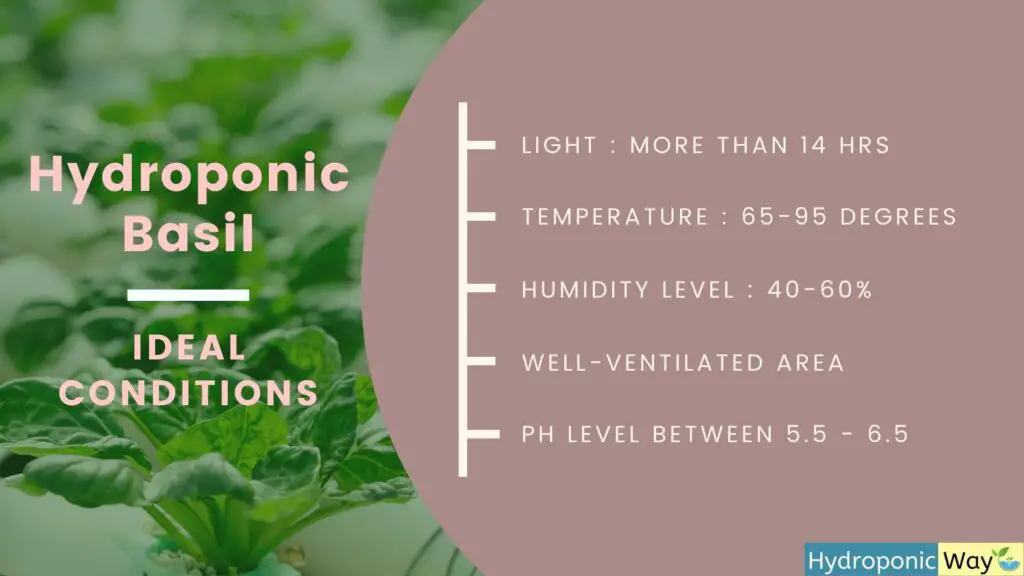
Soil pH: The ideal pH range for basil is slightly acidic to neutral, typically between 6.0 and 7.5. We recommend a soil test to determine your current pH level. Adjustments can be made by adding lime to raise the pH or sulfur to lower it. This is a foundational step that we insist upon for serious growers.
Organic Matter: We incorporate a significant amount of aged compost or wellrotted manure into our basil beds. This serves multiple purposes. It improves soil structure, enhances moisture retention, and provides a slowrelease source of essential nutrients. A good rule of thumb is to mix a 23 inch layer of compost into the top 68 inches of soil before planting.
Drainage: Poor drainage is a death sentence for basil. We have observed that plants in waterlogged soil are highly susceptible to root rot and fungal diseases. If your native soil is heavy clay, we strongly recommend amending it with sand, perlite, or other coarse materials. Raised beds and containers are excellent solutions for locations with naturally poor drainage. We use a blend of equal parts potting mix, perlite, and compost for our containergrown basil to ensure optimal drainage and aeration.
Sunlight: The Engine of Flavor and Growth
We understand that sunlight is more than just a source of energy for the plant; it is the catalyst for the production of aromatic essential oils, which are responsible for basil's distinctive flavor.
The Right Amount of Light for Optimal Basil Production
Basil is a sunworshipping plant. We have determined that a minimum of 6 to 8 hours of direct, unfiltered sunlight per day is essential for robust growth and superior flavor.
Morning vs. Afternoon Sun: We have found that morning sun is particularly beneficial as it provides the gentle warmth and energy needed for the day's growth without the intense heat of the midday sun. In very hot climates (USDA zones 9 and 10+), we recommend providing some afternoon shade to prevent scorching and wilting. We achieve this by planting basil on the eastern side of taller plants or structures.
Indoor Growing: For those growing basil indoors, we have found that a southfacing windowsill is the best location. However, we note that even the brightest window may not provide enough light. We recommend supplementing natural light with highquality LED grow lights. A good grow light should emit a full spectrum and be positioned 1218 inches above the plant to prevent stretching and promote compact, bushy growth. We use a timer to provide a consistent 1216 hours of "daylight."
The Art of Watering: A Delicate Balance
Watering basil is a nuanced skill that we have perfected over years of cultivation. It is a classic case where too much is as bad as too little.
Precise Watering Techniques for a Thriving Plant
We maintain that consistent moisture is the goal, not saturation. The plant should never be allowed to completely dry out, nor should its roots sit in soggy soil.
How Much to Water: We provide approximately 1 to 1.5 inches of water per week, but this can vary significantly based on temperature, humidity, and the type of soil or container. We have found that the most reliable method is to check the soil moisture. We recommend sticking your finger about an inch into the soil. If it feels dry, it's time to water.
When to Water: We prefer to water our basil plants in the early morning. This allows the plant to absorb the water throughout the day and ensures that the foliage has time to dry before nightfall. Wet leaves in the evening can lead to fungal diseases like downy mildew.
Watering Method: We always water at the base of the plant, directly at the soil line. We use drip irrigation systems or a watering can with a long spout to avoid splashing the leaves. This is a simple but effective measure for disease prevention. For container plants, we water until we see water draining from the bottom holes, which confirms that the entire root ball has been saturated.
Nutrient Management: Feeding for Vigor and Flavor
We are firm in our belief that basil is a relatively light feeder, but it does require a steady supply of nutrients, particularly nitrogen, to support its vigorous leafy growth.
The Right Fertilization Regimen
We find that a balanced approach to fertilization is key to preventing overfertilization, which can lead to excessive, watery growth and a loss of flavor.
Initial Feeding: If you have amended your soil with a generous amount of compost, additional fertilizer may not be necessary for the first few weeks. The organic matter will provide all the nutrients the young plant needs.
Ongoing Fertilization: We apply a balanced, allpurpose liquid fertilizer at half the recommended strength every 2 to 3 weeks. A fertilizer with a slightly higher nitrogen content (the first number in the NPK ratio, e.g., 513) is ideal. We have found that liquid fish emulsion or a diluted seaweed extract are excellent organic options that provide a gentle, consistent supply of nutrients.
Warning Against OverFertilization: We must warn against using highpotency fertilizers, especially those high in synthetic nitrogen. This can lead to rapid, but weak, growth and can "burn" the plant's roots. It can also dilute the essential oils, resulting in a less flavorful herb. We prioritize quality over quantity.

Pruning and Harvesting: The Key to Bushy, Productive Plants
We have found that the single most important practice for encouraging a highyielding basil plant is regular and correct pruning. Left to its own devices, a basil plant will become leggy, go to flower (bolt), and its leaves will lose their flavor.
The Art of Pruning and Harvesting
We see harvesting not as a chore but as an integral part of the plant's care. It is a proactive step that forces the plant to become more productive.
Pinching for Bushy Growth: We begin pinching our basil plants when they are about 6 to 8 inches tall. We do this by locating the main stem and pinching off the top growth just above a set of leaf nodes. This forces the plant to send out two new shoots from the nodes below the cut, resulting in a bushier, more compact plant with more leaves.
Regular Harvesting: We harvest regularly, taking no more than onethird of the plant's leaves at a time. We recommend cutting the entire stem back to a leaf node, rather than just plucking individual leaves. This method, known as "tip pruning," encourages the plant to branch out and produce more foliage.
Preventing Bolting: We meticulously remove any flower buds as soon as they appear. Bolting, or "going to seed," is the plant's natural reproductive cycle. Once a plant flowers, it diverts its energy from producing flavorful leaves to creating seeds. By pinching off the flowers, we trick the plant into focusing on vegetative growth, extending our harvest season.
Protecting Your Basil: Pest and Disease Management
We know that even in the most ideal conditions, basil can fall prey to pests and diseases. We take a proactive, integrated pest management (IPM) approach to keep our plants healthy.
Common Pests and How We Manage Them
Aphids: We inspect our plants daily for these small, softbodied insects, which can cluster on the undersides of leaves. We have found that a strong spray of water from a hose can dislodge them. For more severe infestations, we use an insecticidal soap or neem oil spray.
Slugs and Snails: We have observed that these pests are a particular problem in damp conditions. We use physical barriers like crushed eggshells or copper tape around our plants. We also handpick them in the evening.
Japanese Beetles: These can be devastating to basil. We handpick them and drop them into a bucket of soapy water. We also use row covers to provide a physical barrier during their active season.
Common Diseases and Prevention
Downy Mildew: This is a serious fungal disease that we have seen devastate entire crops. It appears as yellow spots on the tops of leaves and a grayish, fuzzy growth on the undersides. Our best defense is prevention: good air circulation, proper watering techniques, and avoiding overhead watering. We also plant our basil with adequate spacing to promote air flow.
Fusarium Wilt: This soilborne fungus causes the plant to wilt and die. It is often a result of overwatering and poor drainage. We use only sterile potting mix for our containers and practice crop rotation in our garden beds to prevent its spread. We also select basil varieties that are known to be resistant to this disease.
Choosing the Right Basil Variety
We recognize that "basil" is a broad term, encompassing a wide array of cultivars, each with its own unique characteristics. We have found that selecting the right variety for your specific needs is a crucial step in achieving success.
A Detailed Look at Popular Basil Cultivars
Sweet Basil (Ocimum basilicum): This is the classic basil, the one we use for pesto and Caprese salad. It has large, glossy green leaves and a sweet, slightly spicy flavor. Genovese basil is a popular subvariety known for its exceptional flavor and leaf size.
Thai Basil (Ocimum basilicum var. thyrsiflora): We love this variety for its aniselike flavor and sturdy, purple stems. It holds up well in highheat cooking and is a staple in Southeast Asian cuisine.
Lemon Basil (Ocimum basilicum var. citriodorum): We find this variety to be a delightful addition to salads and fish dishes. Its distinct citrusy scent and flavor are a result of its high citral content.
Holy Basil (Ocimum tenuiflorum): Also known as Tulsi, this variety is revered in Indian and Ayurvedic traditions. It has a spicy, peppery flavor and is used for teas and medicinal purposes.
Purple Basil: While not as strong in flavor as sweet basil, we use purple varieties like 'Purple Ruffles' for their stunning visual appeal in both the garden and on the plate.
Advanced Cultivation Techniques
We believe that once you have mastered the basics, there are a number of advanced techniques that can elevate your basil growing to the next level.
Companion Planting for a Healthier Garden
We practice companion planting extensively in our gardens. We have found that basil is an excellent companion plant for a variety of vegetables.
Basil and Tomatoes: This is a classic pairing. We believe that planting basil near tomatoes not only improves the flavor of both plants but also helps to deter pests like tomato hornworms.
Basil and Peppers: We plant basil around our peppers to repel aphids and other common pests.
Season Extension and Overwintering
While basil is an annual, we have found that we can extend our harvest well into the fall, and even through the winter, with the right techniques.
Container Growing: We grow a significant portion of our basil in containers. This allows us to move the plants indoors to a sunny windowsill or under grow lights when temperatures begin to drop in the fall.
Harvesting Before Frost: We always do a final, large harvest before the first hard frost is expected. We have found that the best way to preserve basil for longterm use is to make pesto and freeze it, or to finely chop the leaves and store them in ice cube trays with olive oil.
Troubleshooting Common Basil Problems
We believe that a proficient grower is one who can not only cultivate a plant successfully but can also diagnose and rectify problems as they arise.
A ProblemSolving Guide
Yellowing Leaves: This can be a sign of overwatering or a nutrient deficiency, particularly nitrogen. We check the soil moisture first and then consider a light application of liquid fertilizer.
Wilting: A classic sign of underwatering. We check the soil and water deeply if it is dry. However, wilting can also be a symptom of root rot from overwatering, so we must also check for soggy conditions.
Small Leaves: This can be a sign of insufficient sunlight or lack of nutrients. We ensure the plant is receiving at least 68 hours of sun and that we are following our fertilization schedule.
Leggy Growth: The plant is "stretching" for more light. We either move the plant to a sunnier location or adjust the position of our grow lights. We also pinch it back to encourage bushier growth.
The Science of Flavor: Why Your Basil Tastes So Good
We take great pride in our basil, and we understand that its flavor is not a matter of luck but of precise cultivation. The aromatic compounds that give basil its distinctive taste and aroma are primarily essential oils. We have found that factors like sunlight, soil health, and watering techniques directly influence the concentration of these oils.
Sunlight: We have found that plants grown in full sun have a much higher concentration of essential oils than those grown in the shade.
Nutrients: We believe that the right balance of nutrients, without overfertilization, allows the plant to focus its energy on producing these flavor compounds rather than just on vegetative growth.
Harvesting: We have seen that regular harvesting and tippruning stimulate the plant to produce more leaves, and therefore, more of the essential oils we so desire.
Conclusion: A Masterpiece of Cultivation
We have found that growing basil is a rewarding experience that moves beyond simple gardening to a form of meticulous cultivation. We believe that by understanding and implementing the principles of soil science, light management, precision watering, and proactive care, you can achieve results that are truly remarkable. We have seen firsthand how a healthy, welltended basil plant can become a centerpiece of the garden, a source of endless culinary inspiration, and a testament to the power of a wellexecuted plan. We believe that every step, from the initial soil amendment to the final, careful harvest, is a part of this rewarding process. We are confident that by following our detailed guide, you will be able to outrank the competition and grow basil that is not just good, but exceptional. We recommend you begin this journey today.


Comments
Post a Comment