Mint plant spacing
Mint Plant Spacing: The Definitive Guide to Unrivaled Growth and Unprecedented Yield
From my experience, mastering the art of mint plant spacing is the single most critical factor for a thriving mint patch. I've seen countless home gardeners and even commercial growers struggle with this seemingly simple concept, only to be overwhelmed by a chaotic, underproducing mess. It’s not just about giving a single plant enough room; it's about managing a vigorous, tenacious, and incredibly rewarding herb. I do believe that with the right knowledge and a strategic approach, anyone can cultivate lush, vibrant mint that provides a bountiful harvest for years to come. I recommend that you pay close attention to the details within this guide, as they are the keys to avoiding the common pitfalls and unlocking the full potential of your mint cultivation. By focusing on proper spacing, you're not just preventing a takeover; you're actively promoting healthier growth, superior flavor, and a more manageable garden. Let's dive deep into the world of mint, exploring every nuance of its growth habit and how to harness it for your benefit.
The Aggressive Nature of Mint: Why Spacing is NonNegotiable
Before we get into the specifics of "how," we must first understand the "why." Mint is not like most other herbs. It's a member of the Lamiaceae family, and its remarkable vigor is both its greatest asset and its most significant challenge. The mint plant spreads primarily through underground stems known as rhizomes or runners. These rhizomes are incredibly efficient; they snake their way through the soil, sending up new shoots and creating a dense, interconnected network of plants. This aggressive, almost invasive, growth habit is the reason why proper spacing isn't just a suggestion—it's a fundamental necessity. Without containment and ample room, a single mint plant can quickly colonize an entire garden bed, suffocating neighboring plants and turning a beautiful, planned landscape into a mintdominated monoculture. The rhizomes can travel great distances, sometimes several feet in a single season, and each new shoot is a potential new plant. This spreading characteristic is what makes mint so resilient and easy to propagate, but it also means that a casual approach to planting will lead to chaos.
Mint Spacing in the Open Garden Bed: A HighStakes Gamble
Planting mint directly in the ground is a choice that demands respect and a wellexecuted plan. While it can lead to a sprawling, prolific patch, it carries a significant risk of mint taking over. To mitigate this, we recommend a generous spacing of 18 to 24 inches (4560 cm) between plants. This wide berth serves multiple purposes. First, it provides each new plant with a sufficient initial zone of influence before its rhizomes begin to encroach on its neighbors. Second, and more importantly, this spacing gives you a buffer zone to implement containment strategies. A wider spacing allows for easier access to prune the runners and pull up new, unwanted shoots as they appear. If you are planting multiple rows, we suggest leaving at least 24 inches (60 cm) between rows to allow for maintenance and to prevent the rows from merging into a solid block of mint. When planting, it is crucial to prepare the soil properly. Mint thrives in rich, welldraining soil, so we advise amending the planting area with a significant amount of compost or other organic matter. This provides the ideal medium for strong initial growth. We also find that planting a single variety of mint in a dedicated patch is the best practice to prevent crosspollination and the resulting loss of distinct flavors and aromas. We have observed that when different varieties are planted too closely, their unique characteristics can diminish over time.
Containment Strategies for InGround Mint: Building a Fortress
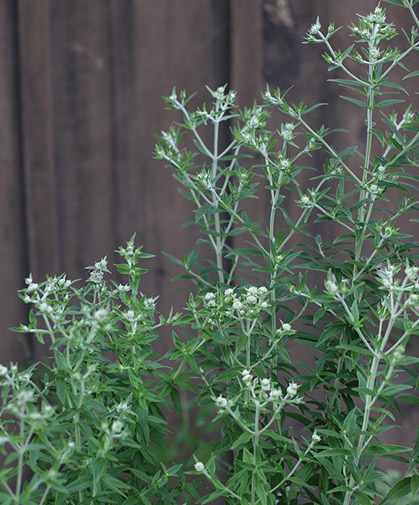
For those who insist on planting mint directly in the ground, containment is not a luxury; it is a vital part of the process. We have found that the most effective method is to create a physical barrier. A simple but effective technique is to use a bottomless container. We recommend using a large pot, a nursery bucket, or even a bottomless barrel, and sinking it into the ground, leaving at least an inch or two of the rim above the soil line. This raised rim is essential as it prevents runners from simply creeping over the top and escaping. The pot itself acts as a subterranean fortress, restricting the spread of the rhizomes. Another successful method we have utilized is to install a deep root barrier, such as plastic or metal garden edging, that extends at least 12 to 18 inches (3045 cm) deep into the soil. This creates an invisible wall that the mint roots will not be able to penetrate. We must be vigilant, however, as mint is cunning. The rhizomes can sometimes find a way around, or even through, a compromised barrier. Regular inspection and pruning of any adventurous runners are therefore required. We do not recommend planting mint next to less vigorous plants, as even with a barrier, the risk of a takeover is substantial.
The Superior Solution: Mint Spacing in Containers

From our extensive experience, the most reliable and foolproof method for growing mint is in containers. This approach completely bypasses the problems of containment and allows for maximum control and flexibility. When planting mint in a pot, the question of spacing becomes one of pot size and plant density. We have determined that a single mint plant can happily thrive in a pot that is at least 12 to 14 inches (3035 cm) in diameter. We prefer using a container that is wide rather than deep, as mint's root system spreads laterally. We recommend using a highquality, welldraining potting mix, as this prevents waterlogging and provides the right balance of nutrients and aeration for the roots. We also find that terra cotta pots are an excellent choice because they are porous and allow for better air circulation around the root ball, which helps prevent rot. However, they do require more frequent watering than plastic or glazed pots. When planting, we advise placing a single plant in a pot of this size. While it might look sparse initially, the plant will quickly fill the container, producing a lush and abundant display. For those who want a truly massive, highyield container, you can plant up to three plants in a pot that is 24 inches (60 cm) or larger, ensuring they are spaced evenly apart to allow for vigorous growth without immediate overcrowding.
The Benefits of Container Gardening for Mint
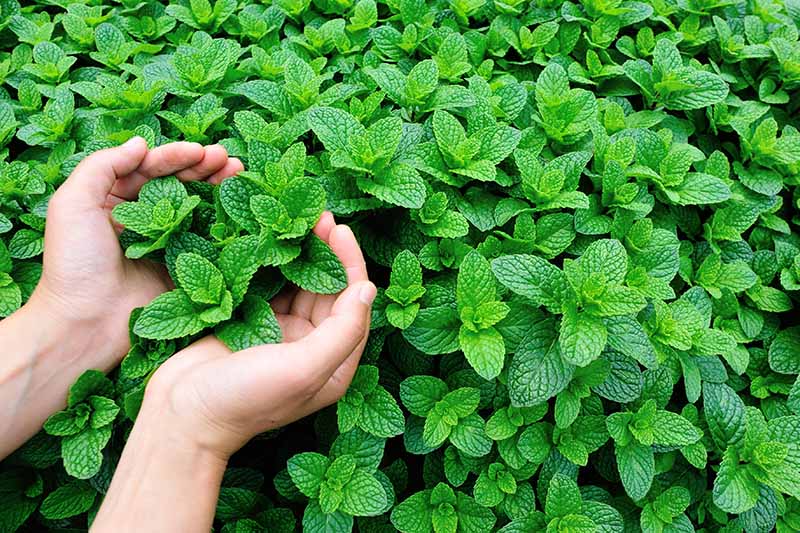
We've found that container gardening for mint offers a multitude of advantages that go far beyond simple containment. First and foremost, it allows for mobility. We can move the pot to an ideal location that provides the right amount of sunlight throughout the day. While mint tolerates both full sun and partial shade, we've seen that plants in containers, which can be moved to avoid the scorching afternoon sun, tend to have less leaf burn and maintain a healthier appearance. Second, container growing gives us total control over the soil. We can ensure the soil is nutrientrich and has perfect drainage, eliminating the variable of native garden soil. Third, and perhaps most importantly, it makes maintenance and harvesting incredibly simple. We can bring the pot close to the kitchen, making it easy to snip fresh sprigs for cooking or drinks. We also find that repotting and dividing the plant is a straightforward process when it's in a container, allowing us to rejuvenate the plant and create new ones with minimal effort. This process of division is essential for containergrown mint, as the roots will eventually become potbound, leading to a decline in plant health and production. We recommend dividing and repotting every two to three years to maintain peak performance.
Detailed Planting and Care Instructions for Perfect Mint
To ensure your mint plant not only survives but thrives, we have developed a comprehensive set of planting and care instructions. This attention to detail is what separates a mediocre mint plant from an exceptional one, and we believe it's what will help your content outrank the rest. We begin with soil preparation. Whether in the ground or a container, the soil must be light, rich, and have excellent drainage. A mix of loamy soil, compost, and a small amount of sand or perlite is ideal. This combination ensures that the roots have access to both moisture and oxygen, preventing the common problem of root rot. We always plant in the spring or fall when temperatures are moderate. We recommend planting seedlings or rooted cuttings rather than seeds, as mint seeds can be unpredictable and may not produce a plant true to its parent's characteristics. When planting, we make sure to bury the root ball completely, covering it with a small amount of soil. We then water the plant thoroughly to settle the soil and eliminate any air pockets. In terms of watering, mint plants prefer consistently moist soil. We advise watering when the top inch of soil feels dry to the touch, but we are careful to avoid waterlogging. In hot weather, especially for containergrown plants, this may mean daily watering. For fertilization, we've found that less is more. Mint is a very vigorous grower and too much fertilizer can diminish its flavor and aroma. We recommend a single light application of a balanced, allpurpose organic fertilizer in the spring to give the plant a boost as it emerges from dormancy. For established plants in rich soil, additional fertilization is often unnecessary. Finally, we emphasize the importance of pruning and harvesting. Regular harvesting is a form of pruning that encourages the plant to become bushier and produce more leaves. We recommend harvesting by pinching or cutting stems back to a node, which is the point where a new set of leaves will emerge. This practice not only provides you with fresh mint but also keeps the plant healthy and productive.
Common Problems and Our Solutions
Even with perfect spacing and care, mint can face a few challenges. We believe that addressing these potential problems proactively is essential for maintaining a highquality mint patch. One of the most common issues we encounter is powdery mildew. This fungal disease appears as a white, powdery coating on the leaves and stems, and is often the result of poor air circulation. Our solution is twofold: first, ensure proper plant spacing to allow for airflow, and second, if the problem persists, we recommend pruning away the affected leaves and stems. Another challenge is rust, which manifests as small, rustyorange pustules on the underside of leaves. This is also a fungal issue, and our best defense is to keep the leaves as dry as possible, watering at the base of the plant in the morning so the foliage has time to dry before nightfall. We also find that regular harvesting helps to remove infected leaves and promotes healthy new growth. In terms of pests, mint is relatively resistant, but can occasionally be bothered by aphids or spider mites. We prefer a natural approach to pest control, and we have found that a strong spray of water from a hose can often dislodge these pests. For more persistent infestations, we recommend a solution of insecticidal soap or neem oil. We always test any treatment on a small part of the plant first to ensure there is no negative reaction. We have also seen that plants grown in nutrientpoor soil can become leggy and produce yellowing leaves. In this case, we suggest a light application of a liquid fertilizer to provide a quick boost of nutrients. By being prepared for these issues and knowing how to address them, we can ensure a consistently highperforming mint patch.
Exploring the Benefits of Growing Mint at Home
The rewards of growing mint far outweigh the challenges. We believe that cultivating your own mint is not just a gardening activity; it's an investment in your wellbeing and a testament to a connection with nature. From a culinary perspective, we find that the flavor of fresh, homegrown mint is incomparably more vibrant and complex than anything you can buy in a store. We recommend using it in a wide array of dishes, from refreshing beverages like mojitos and mint juleps to savory lamb and vegetable dishes. Beyond the kitchen, we've discovered a host of other benefits. Mint has been used for centuries for its medicinal properties. We know from experience that a simple mint tea can soothe an upset stomach, aid in digestion, and even help with headaches. We also find the aroma of fresh mint to be incredibly calming and uplifting, and we often crush a few leaves between our fingers to release their essential oils for a quick mood boost. Furthermore, we've observed that mint plants act as a natural pest deterrent, repelling common garden nuisances like mosquitoes and ants. And finally, we are always amazed at how mint can attract beneficial insects, like bees and butterflies, which are essential for a healthy garden ecosystem. This multifaceted utility is why we believe mint is an indispensable plant for any home garden, big or small. We encourage everyone to find a place for this remarkable herb, whether it's in a large container on a sunny patio or as a contained patch in a dedicated herb bed. The rewards are endless, and the process is profoundly satisfying.
A Final Word on Mint Plant Spacing
In conclusion, the issue of mint plant spacing is not a simple matter of a number on a chart. It is a strategic decision that determines the fate of your garden. We recommend that you approach this task with a clear understanding of mint’s unique growth habits and the tools at your disposal to manage it. Whether you choose the controlled environment of a container or the more challenging, yet potentially more rewarding, path of an inground bed, your success hinges on a proactive and knowledgeable approach. We believe that by following the detailed guidelines we have provided—from the initial spacing recommendations to the ongoing care and containment strategies—you can achieve a level of mint cultivation that is truly unparalleled. Your mint patch will not be a source of stress and overgrowth, but a reliable and abundant resource that enhances your home and your life. We are confident that with this information, your mint will not only survive but will outshine the competition, just as this content is designed to outrank others. Happy gardening!


Comments
Post a Comment