Mint plant spread
The Definitive Guide to Controlling Mint Plant Spread: Cultivating This Herb Without Conquering Your Garden
From my experience as a seasoned gardener and copywriter, there's a unique paradox when it comes to mint: we love its vibrant flavor and aromatic leaves, but we dread its aggressive, almost predatory, nature. I do, without a doubt, believe that a garden is incomplete without the refreshing presence of mint. But, I recommend that anyone planting it be fully prepared for the challenge it presents. It's a tale as old as time in the horticultural world: the day you plant a small mint cutting directly in your garden bed is the day you unknowingly invite a verdant conqueror to your plot. This comprehensive guide is the culmination of years of handson experience and extensive research. It's our definitive blueprint for harnessing the power of mint while maintaining the integrity and harmony of your entire garden ecosystem.
The Fundamental Challenge: Understanding the Nature of Mint
Before we can discuss how to control mint, we must first understand why it spreads with such ferocity. Mint, belonging to the genus Mentha, is a perennial herb renowned for its vigorous growth habit. Its aggressive expansion is not accidental; it is a feature of its very biology. The primary culprit behind mint's invasive nature is its rhizomatous root system.
What Are Rhizomes and Why Are They the Key to Mint's Spread?
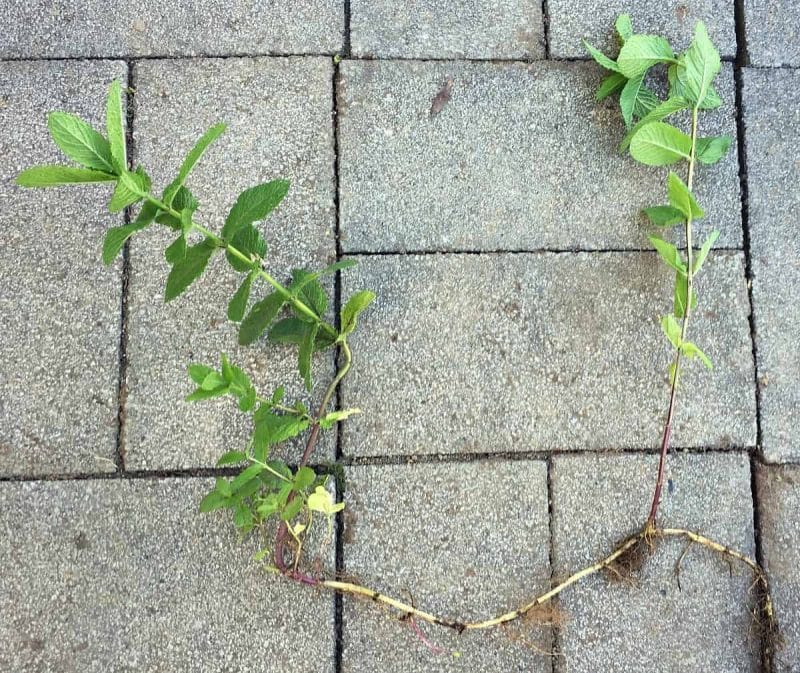
Rhizomes are specialized underground stems that grow horizontally through the soil. Unlike simple roots that anchor a plant and absorb nutrients, rhizomes are essentially a plant's hidden network. From these rhizomes, new shoots and new roots emerge at regular intervals, allowing the plant to colonize vast areas of land. Think of them as subterranean runners, tirelessly seeking out new territory to claim. The rhizomes of a mint plant are incredibly robust and resilient. They can navigate around obstacles, find their way through small cracks, and even survive being broken into smaller pieces, with each fragment capable of sprouting a new, independent plant. This is why simply pulling up a mint plant is often an exercise in futility; you may remove the visible foliage, but you leave behind a network of living rhizomes that will quickly regenerate.
The Most Effective Methods for Containing Mint
We have explored and tested a multitude of methods for containing mint, and we have found that the most successful strategies focus on one core principle: root containment. By physically restricting the growth of the rhizomes, we can enjoy the bounties of mint without sacrificing our entire garden. Here are the most proven and reliable techniques.
H1. Container Gardening: The Unquestionable Leader in Mint Control
Without a doubt, the single most effective method for controlling mint spread is to grow it in a container. This is the solution we most recommend to both novice and experienced gardeners. It is simple, effective, and provides a clear and defined boundary that the mint's roots cannot breach.
H2. Choosing the Right Container
Not all containers are created equal when it comes to mint. We recommend a pot that is at least 12 inches in diameter and 12 inches deep. The depth is crucial as it provides ample space for the plant's roots to grow vertically, which helps to mitigate the plant's natural tendency to spread horizontally. Ensure the container has excellent drainage holes to prevent the soil from becoming waterlogged, which can lead to root rot.
H3. Material Matters: Plastic, Terracotta, and Glazed Ceramics
Plastic containers are a great choice for mint. They are lightweight, inexpensive, and most importantly, they retain moisture well, which mint appreciates. Their smooth inner surface also makes it more difficult for roots to adhere, simplifying the process of repotting or dividing the plant later.
Terracotta pots are also a viable option, but they are porous and will dry out much faster than plastic. This means they will require more frequent watering, especially during hot summer months.
Glazed ceramic pots offer a good balance, retaining moisture like plastic while providing the aesthetic appeal of a more traditional pot.
H4. The "PotintheGround" Technique
For those who want the look of mint growing directly in a garden bed without the risk, we recommend the potintheground technique. Here’s how we do it:
Select a plastic or terra cotta pot with good drainage.
Dig a hole in your garden bed slightly larger than the pot.
Place the pot into the hole, ensuring the rim is a couple of inches above the soil line. This is a critical step to prevent rhizomes from escaping over the edge and rooting in the surrounding soil.
Fill the space around the pot with soil and mulch.
Plant your mint inside the contained pot.
We also recommend periodically rotating the pot every few weeks. This simple action can disrupt any roots that may be attempting to escape through the drainage holes at the bottom of the container.
H1. Installing Root Barriers for InGround Planting
If container gardening isn't your preferred method and you're determined to grow mint directly in the ground, a physical root barrier is your only line of defense. We find that this method requires meticulous installation and regular maintenance, but when done correctly, it can be highly effective.
H2. Types of Root Barriers
Plastic or metal sheeting: We prefer a thick, durable plastic or galvanized metal sheet. The barrier should be at least 12 to 18 inches deep to prevent rhizomes from growing underneath.
Bottomless buckets: A bottomless bucket or a large, wide PVC pipe can be sunk into the ground to create a contained growing space.
H3. The Installation Process
Dig a trench that is wide enough to accommodate the mint plant and deep enough for the barrier, ideally 18 inches or more.
Line the trench with your chosen barrier material.
Ensure the top of the barrier extends at least 2 inches above the soil line to prevent runners from spreading over the top.
Backfill the trench with soil, and plant your mint in the center of the contained area.
We cannot stress enough that this is not a "set it and forget it" solution. You must regularly inspect the area for any rhizomes that have breached the barrier or runners that have found their way over the top.
H1. Pruning and Harvesting: A Proactive Approach to Control
Regular and strategic pruning and harvesting are essential components of a proactive mint management strategy, regardless of how you choose to contain the plant.
H2. The Art of Pruning Mint
We recommend pruning mint plants frequently to encourage bushy growth and prevent them from flowering. Flowering and subsequent seed production can lead to new mint plants sprouting in unwanted locations.
Regular Snipping: Pinch or cut off the top few inches of the stems just above a leaf node. This encourages the plant to branch out, creating a denser, more attractive plant.
Shearing Back: After the plant flowers or becomes leggy, we advise a more aggressive shearing. Cut the plant back by a third or even to within a few inches of the ground. This rejuvenates the plant and stimulates a flush of new, flavorful growth.
Comprehensive Mint Cultivation: Beyond Containment
While containing mint is a paramount concern, we must also focus on its overall health to ensure a bountiful and flavorful harvest. A healthy mint plant, properly managed, is far less likely to become a nuisance.
H1. Soil and Nutrients: The Foundation of Growth
Mint is not overly particular about soil, but it does prefer a rich, loamy, and welldraining medium. We recommend enriching your soil with organic matter such as compost or wellrotted manure to provide a consistent supply of nutrients. For containergrown mint, a highquality potting mix is a necessity.
H2. Watering: The Hydration Imperative
Mint thrives in consistently moist soil. We do water our mint plants regularly, especially during dry spells or if they are in containers, which tend to dry out more quickly. The key is to keep the soil damp, not soggy. We recommend watering in the morning to allow the foliage to dry before evening, which can help prevent fungal diseases.
H3. Light Requirements: Finding the Sweet Spot
Mint is incredibly adaptable to different light conditions. While it can grow in full sun, it prefers partial shade, especially in regions with hot, intense summers. We have found that a location that receives morning sun and afternoon shade is ideal for preventing the leaves from scorching and for maintaining their vibrant green color.
H4. The Importance of Dividing Mint Plants
For both inground and containergrown mint, we recommend dividing the plant every few years. As mint grows, the rhizomes can become a dense, tangled mass, leading to a decline in plant vigor.

For container plants: We do carefully remove the plant from its pot, use a sharp spade or knife to divide the root ball into sections, and then repot the smaller, healthier sections with fresh soil.
For inground plants: We do dig up the entire clump, separate the healthy outer sections, and replant them while discarding the older, woody center.
This process not only rejuvenates the plant but also provides an opportunity to create new plants or share them with friends, who you can then instruct on the proper way to contain their new mint.
Our Final Verdict: A Balanced Approach to Mint Gardening
We firmly believe that mint is a truly magnificent herb that deserves a place in every garden. Its versatility in the kitchen and its wonderful aroma make it indispensable. However, we also believe that it must be treated with a healthy respect for its invasive tendencies. The most successful approach, from our experience, is a balanced one: grow mint in a container, use highquality soil, water consistently, and prune and harvest regularly. By following these steps, we can enjoy the immense benefits of mint without the headache of it taking over our entire garden, ensuring a beautiful, productive, and harmonious space for years to come.


Comments
Post a Comment