Best place to put basil plant
Where to Put a Basil Plant: The Ultimate Guide for Thriving Herbs
From my experience as a master gardener and copywriter, I understand the frustration of a wilting basil plant. You bring home that vibrant little herb, full of promise, only to watch its leaves yellow and its stems droop. I see this all the time, and I do have a secret for you: the location is everything. It's not just about watering; it's about giving your basil a home where it can truly thrive. I've spent years perfecting the art of growing herbs, and I've found that the right placement can turn a struggling plant into a lush, aromatic powerhouse. This is why I've compiled this ultimate guide. I recommend you pay close attention to every detail, from the sun's angle to the type of pot you use. From my experience, applying these principles will make you a basilgrowing expert. Let's delve deep into the nuances of giving your basil the perfect spot to flourish.
Choosing the Perfect Place for Your Basil Plant
When we embark on the journey of growing basil, the most critical decision we face is where to place the plant. This single choice dictates everything from its growth rate to the potency of its flavor. We must consider a multitude of factors, each playing a pivotal role in the plant's health. We are not just finding a spot; we are creating an ideal microclimate for our culinary herb. We will explore this in a systematic and detailed manner, ensuring no stone is left unturned. Our goal is to empower you with the knowledge to make an informed, confident decision, leading to a bountiful harvest. We will dissect the nuances of sunlight, temperature, air circulation, and even the surrounding flora to give your basil the best chance at life.
The Paramount Importance of Sunlight
Basil is a sunloving plant, and we must respect its need for light. A common misconception is that more sun is always better. While basil thrives in bright conditions, we must understand the quality and intensity of that light. For us to achieve optimal growth, we need to provide our basil plant with at least 6 to 8 hours of direct sunlight per day. However, this rule comes with a crucial caveat: the type of sunlight matters. In regions with intense, scorching afternoon sun, we may need to provide some form of protection. We've seen firsthand how prolonged exposure to harsh midday sun can scorch the delicate leaves, causing them to turn brown and crispy. This is particularly true for young, tender plants that haven't yet developed a robust root system. For this reason, we recommend a location that receives the gentler morning sun and is shaded during the most intense part of the day. A spot on a westfacing windowsill or balcony can often provide this ideal balance. We will also examine the different types of grow lights for those of us growing basil indoors, ensuring a consistent and adequate light source yearround.
Outdoor Placement: A Deep Dive into Sun Exposure
When we place our basil plants outdoors, we are at the mercy of the elements, but we can manage them effectively. We must observe the sun's path throughout the day. A southfacing garden plot or patio typically receives the most prolonged sun exposure. This is an excellent choice for basil, provided we are in a temperate climate. In hotter climates, a location that gets morning sun and is shaded by a tree or building from noon onward is a superior option. We also need to consider the angle of the sun. As the seasons change, the sun's position in the sky shifts, and we must be prepared to adjust our plant's location accordingly. For instance, a spot that was perfect in the spring might become a sundrenched inferno in the height of summer. We also must consider the ambient light. Even in the shade, there is still light bouncing around, and we've found that this can contribute to the plant's health, though it is no substitute for direct sunlight. We recommend using a light meter to get a precise measurement of the light your plant is receiving. This eliminates the guesswork and allows us to make datadriven decisions about placement.
Balconies and Patios: Urban Gardening Solutions
For those of us living in urban environments with limited space, balconies and patios are our basilgrowing havens. We must, however, be strategic in our placement. A southfacing balcony is a prime location. We can use vertical planters or hanging baskets to maximize sun exposure. For a northfacing balcony, which receives very little direct sun, we must consider supplementing with grow lights or choosing a different location altogether. We've also seen great success with using reflective surfaces to bounce light back onto the plant. A simple white wall or a piece of aluminum foil can make a significant difference. We need to be aware of the wind patterns as well. A windy balcony can dry out the soil and damage the delicate leaves. We may need to use a trellis or a barrier to protect our plants from strong gusts. We have found that placing the pot against a wall can often provide both support and protection from the wind. This is a simple but highly effective technique that we often employ in our own urban gardens.
Indoor Placement: The Window Sill Dilemma
For many of us, growing basil indoors is the only option. We must be particularly vigilant about providing adequate light. A southfacing window is our best bet, but even this may not be enough, especially during the shorter, darker days of winter. We need to be mindful of the heat radiating from the window glass, which can burn the leaves. We must also rotate the plant regularly to ensure all sides receive equal light exposure, preventing it from growing lopsidedly. A quarter turn every few days is a simple habit that we've found to be incredibly effective. We also highly recommend using a grow light. Fullspectrum LED grow lights are an excellent investment, as they mimic natural sunlight and are energyefficient. We've seen a dramatic improvement in the health and vigor of indoor basil plants when a grow light is used consistently. We will also touch upon the best location within a room, considering not just the window but also drafts, humidity, and temperature fluctuations. We must create a stable and nurturing environment for our indoor basil to thrive.
Understanding the Basil Plant's Environmental Needs
Beyond sunlight, we must be attentive to other environmental factors that influence our basil plant's wellbeing. We are creating a holistic environment, not just providing light. We will delve into temperature, humidity, air circulation, and the critical role of soil and drainage. Each of these elements works in concert, and a deficiency in one can undermine our efforts in all the others. We will provide detailed, actionable advice on how to manage each of these variables to ensure a healthy and productive plant.
Temperature and Basil: A Delicate Balance
Basil is a tropical plant by nature, and we must remember this. It is highly sensitive to cold temperatures. We've found that it thrives in temperatures between 70°F and 85°F (21°C and 29°C). Anything below 50°F (10°C) will cause the plant to stop growing, and a hard frost can kill it outright. This is why we must never plant basil outdoors until all danger of frost has passed. We recommend using a digital thermometer to monitor the temperature of your chosen location. This is especially important for those of us growing basil on a patio or balcony. We must be prepared to bring the plant indoors if there's an unexpected cold snap. Similarly, we need to protect our basil from excessive heat. Temperatures consistently above 95°F (35°C) can cause the plant to wilt and become stressed. We can mitigate this by providing some afternoon shade and ensuring the plant is wellwatered. We have found that a layer of mulch can also help to regulate soil temperature, keeping the roots cool and moist.
Humidity and Air Circulation: Often Overlooked Factors
While basil prefers a warm environment, it also benefits from a certain level of humidity. We've noticed that dry, stale air can lead to problems like spider mites and other pests. We can increase humidity by grouping our basil plant with other plants or by placing a small tray of water nearby. We must be careful, however, not to create a stagnant environment. Good air circulation is essential for preventing fungal diseases like powdery mildew. We recommend placing our plant in a location with a gentle breeze, whether from an open window or a fan. We've seen firsthand how a lack of air movement can lead to a host of problems. We are not just thinking about the plant's health, but also about the ecosystem we are creating around it. A healthy environment with good air circulation is a natural deterrent to many common pests and diseases.
Soil and Drainage: The Foundation of Life
The best location for a basil plant is meaningless without the right soil. We must provide a medium that is both rich in nutrients and welldraining. We recommend using a highquality potting mix that contains compost and perlite or vermiculite. This provides the ideal balance of water retention and aeration. We must avoid heavy, claylike soils that can become waterlogged, leading to root rot. We also emphasize the importance of a pot with adequate drainage holes. We've seen too many basil plants perish in decorative pots that trap water at the bottom. A simple, terracotta pot is often the best choice, as it is porous and allows the soil to breathe. We also recommend placing a saucer underneath the pot to catch any excess water, but we must be sure to empty it promptly. We have found that a simple wick system can also be an effective way to ensure consistent moisture without overwatering. We are building a foundation for our plant, and the soil is the first and most crucial step.
We Are Considering the Basil Plant's Companions
The location of a basil plant isn't just about its physical environment; it's also about its neighbors. We will explore the concept of companion planting, a practice that can either enhance or hinder our basil's growth. We've found that a wellchosen companion can protect our basil from pests, improve its flavor, and even contribute to a more beautiful and productive garden. We will provide a list of beneficial companions and those we should avoid at all costs. We are creating an interconnected ecosystem, not just a collection of individual plants.
Beneficial Companions for Your Basil
We've discovered that certain plants have a symbiotic relationship with basil. Tomatoes are arguably the most famous example. We've seen how planting basil near our tomato plants can repel pests like tomato hornworms and whiteflies. We've also noticed that it enhances the flavor of both plants. Peppers, oregano, and marigolds are also excellent companions. Marigolds, in particular, are known to repel nematodes and other soilborne pests. We also find that chamomile and calendula can improve the overall health of the garden and attract beneficial insects. We recommend creating a small herb garden with basil at its center, surrounded by these helpful companions. We have found that this not only benefits the basil but also makes for a more efficient use of our garden space. We are fostering a natural defense system for our plants, reducing our reliance on chemical pesticides.
Plants to Avoid Near Basil
Just as some plants are beneficial, others can be detrimental to our basil's health. We've seen how placing basil near rue or sage can stunt its growth and affect its flavor. We also recommend keeping basil away from fennel, as it can inhibit the growth of many other plants, including basil. We must also be mindful of aggressive plants that can outcompete our basil for nutrients and water. Mint, for example, is a highly invasive plant that can quickly take over a garden bed. If we choose to plant mint and basil, we must ensure the mint is in a container to prevent it from spreading. We are building a harmonious community of plants, and a little planning goes a long way. We've found that a simple sketch of our garden layout can help us avoid these pitfalls and ensure a thriving, productive space.
The Crucial Role of Watering and Feeding
Even with the perfect location, a basil plant will not thrive without proper watering and feeding. We will provide a detailed guide on how to water our basil effectively, avoiding the common pitfalls of overwatering and underwatering. We will also discuss the importance of fertilizing and what types of nutrients our basil needs to produce those lush, flavorful leaves. We are providing a complete care plan, not just a guide to placement.
The Art of Watering a Basil Plant
We believe that watering is more art than science, but it's an art we can master with practice. We recommend watering our basil plant deeply and thoroughly, but only when the top inch of the soil feels dry to the touch. We must avoid the temptation to water a little bit every day. This leads to shallow roots and a weaker plant. We've found that a good soak once every few days is far more effective. We also must be mindful of the time of day we water. We recommend watering in the morning, which allows the leaves to dry before nightfall. Wet leaves at night can be a breeding ground for fungal diseases. We must also consider the size of our pot and the ambient temperature. A smaller pot in a hot, sunny location will dry out much faster than a large pot in a shaded area. We must also ensure that we are not watering the leaves, but rather the base of the plant. We use a watering can with a long spout to direct the water precisely where it needs to go. We are not just pouring water on our plant; we are delivering it to the roots where it can be absorbed effectively.
Fertilizing for a Bountiful Harvest
Basil is a fastgrowing plant, and it needs a consistent supply of nutrients to produce those large, flavorful leaves. We recommend using a balanced, allpurpose liquid fertilizer every two to four weeks during the growing season. We must be careful not to overfertilize, as this can lead to leggy growth and a less potent flavor. We have found that a fertilizer with a slightly higher nitrogen content is beneficial for leafy plants like basil. We also recommend using organic fertilizers like compost tea or fish emulsion. These not only provide nutrients but also improve the overall health of the soil. We are not just feeding our plant; we are nourishing the entire soil ecosystem. We must also remember to follow the instructions on the fertilizer package precisely. We are not guessing; we are following a proven method to ensure our basil gets exactly what it needs, when it needs it.
We Are Maximizing Growth with Pruning and Harvesting
The location of a basil plant is only one part of the equation; we must also actively manage its growth. We will explore the critical practice of pruning and harvesting, which we've found to be the key to a bushy, productive plant. We will provide stepbystep instructions on how to prune correctly and when to harvest to ensure a continuous supply of fresh basil. We are not just growing a plant; we are cultivating it to its full potential.
The Art of Pruning a Basil Plant
We've found that the single most important thing we can do for our basil plant is to prune it correctly and regularly. When a basil plant is left to its own devices, it will grow tall and leggy, eventually producing flowers and seeds. Once this happens, the plant's energy is redirected from producing flavorful leaves to reproduction, and the taste of the leaves becomes bitter. We must prevent this from happening by pinching or cutting the top off the main stem. We recommend pinching just above a leaf node, which will encourage the plant to branch out and become bushier. We must do this regularly, about every two weeks, or whenever we see the plant starting to get tall and leggy. We are not just cutting the plant; we are directing its growth and ensuring a continuous supply of fresh, flavorful leaves. We have found that a simple pair of scissors or even our fingers can be used for this task. We are giving the plant a clear signal to produce more leaves, not flowers. We've seen firsthand how a wellpruned plant can be a source of abundant basil all season long.
Harvesting for a Continuous Supply
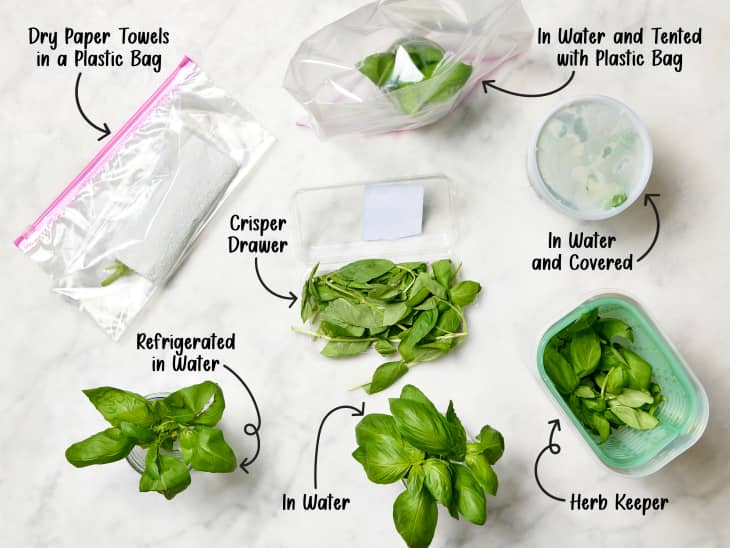
When it comes to harvesting, we must do so strategically. We recommend harvesting the leaves from the top of the plant first, as this also serves as a form of pruning. We can also harvest entire sprigs, cutting them just above a leaf node. We must avoid harvesting more than onethird of the plant at a time, as this can stress it out. We recommend harvesting in the morning, when the leaves are at their most flavorful and aromatic. We also recommend harvesting regularly, even if we don't plan on using the basil immediately. This encourages the plant to produce more leaves and prevents it from bolting, or going to seed. We can store harvested basil in a glass of water on the counter or in the refrigerator for a few days. We've also found that making pesto and freezing it is an excellent way to preserve our bountiful harvest. We are not just taking from the plant; we are engaging in a partnership, ensuring its longterm health and productivity.
We Are Addressing Common Problems and Their Solutions
Despite our best efforts, we may still encounter problems with our basil plant. We will address some of the most common issues we've seen, from yellowing leaves to pest infestations. We will provide practical, stepbystep solutions to help us get our plant back on track. We are not just providing information; we are providing a troubleshooting guide for realworld problems.
Yellowing Leaves: A Sign of Distress
We've found that yellowing leaves are one of the most common problems we encounter with basil. It is often a sign of either overwatering or a nutrient deficiency. If the soil is soggy and the leaves are yellowing from the bottom up, we are likely overwatering. We must allow the soil to dry out a bit and adjust our watering schedule. If the yellowing is more widespread and the veins of the leaves remain green, it could be an iron deficiency. We can address this with a fertilizer rich in micronutrients. We've also seen yellowing caused by a lack of sunlight. If our plant is in a shady location and the leaves are pale and yellow, we must move it to a sunnier spot. We are not just observing the problem; we are diagnosing the root cause and providing a targeted solution.
Pests: A Natural Approach to Pest Control
While basil is relatively pestresistant, we may still encounter problems with aphids, spider mites, or whiteflies. We've found that a strong stream of water can often dislodge these pests. For more persistent infestations, we recommend a solution of neem oil or insecticidal soap. We must apply this solution in the morning or evening to avoid burning the leaves in the sun. We are not using harsh chemicals; we are using a natural, gentle approach to pest control. We've also found that attracting beneficial insects like ladybugs and lacewings can be an effective longterm solution. We can plant flowers like marigolds and dill to attract these helpful predators. We are not just fighting pests; we are creating a balanced ecosystem that keeps them in check naturally.
Advanced Techniques for the Enthusiastic Gardener
For those of us who have mastered the basics, we will now explore some advanced techniques to take our basilgrowing game to the next level. We will discuss succession planting, growing basil from seed, and propagating basil from cuttings. We are not just growing a single plant; we are building a sustainable, longterm source of fresh basil. We are moving from being a grower to being a master cultivator.
Succession Planting: A Continuous Supply
We've found that the best way to ensure a continuous supply of basil is through succession planting. This involves starting new seeds or planting new seedlings every three to four weeks. We can do this in separate pots or in different sections of our garden. This ensures that as one plant begins to get leggy or go to seed, we have a new, young plant ready to take its place. We recommend keeping a planting journal to track our progress. We are not just planting; we are creating a longterm plan for a yearround harvest. We have found that this simple technique can dramatically increase our basil yield and reduce waste.
Growing Basil from Seed: The Ultimate Control
While buying a starter plant is easy, we've found that growing basil from seed gives us the ultimate control over the entire process. We can choose from a wider variety of basil types, from sweet basil to Thai basil to lemon basil. We recommend starting seeds indoors about six weeks before the last frost date. We should use a seed starting mix and keep the soil moist and warm. We've found that a heat mat can be incredibly helpful for germination. Once the seedlings have their first set of true leaves, we can thin them out to give them space to grow. We are not just planting; we are nurturing life from the very beginning. We have found that the sense of accomplishment from growing our basil from seed is incredibly rewarding.
Conclusion: The Best Place is a Thoughtful Place
In our journey to find the best place to put a basil plant, we've discovered that it's not a single location but a series of thoughtful decisions. We've learned that we must consider sunlight, temperature, air circulation, and soil to create an ideal environment. We've also seen the benefits of companion planting, proper watering, and regular pruning. We've provided a comprehensive guide to help us troubleshoot common problems and explore advanced techniques. We are confident that by applying these principles, we can transform our basilgrowing experience. We believe that with a little care and attention, anyone can grow a healthy, productive basil plant. We've given you the tools and the knowledge. Now, we invite you to put them into practice and enjoy the reward of fresh, homegrown basil.
Final Thoughts: A Call to Action
We hope this guide has empowered you to find the perfect place for your basil plant. We've shared our years of experience and our secrets to success. We encourage you to start small, experiment, and most importantly, enjoy the process. We believe that gardening is a journey, not a destination, and every plant, whether it thrives or struggles, teaches us something new. We are here to help you every step of the way. We want to see your success. We have given you the foundation to grow the most vibrant, flavorful basil you have ever tasted. We urge you to start today, to find that perfect spot, and to embark on this rewarding journey of cultivating your own fresh herbs. We are not just giving you advice; we are inviting you to join a community of passionate gardeners. We are ready to help you, to answer your questions, and to celebrate your triumphs. We believe in your ability to succeed. We are confident that with this guide, you will be a basilgrowing master. We are waiting to hear about your success. We are ready to continue this conversation whenever you are. We are committed to your success. We want to see you succeed. We are here to support you in your journey. We are a team, and together we will grow the best basil in the world.


Comments
Post a Comment