Fall winter herbs
While many plants have long since faded, a select group of herbs stands resilient, offering not just flavor for our kitchens but also a connection to the cycles of nature. I do believe that understanding and utilizing these hardy herbs is one of the most rewarding aspects of gardening, no matter the season.
The vibrant flavors and potent medicinal properties of fall and winter herbs are often overlooked. As a longtime gardener and herbalist, I recommend that everyone, from the novice to the expert, dedicate a portion of their garden to these coldhardy varieties. They are the unsung heroes of the culinary world, providing fresh, aromatic ingredients when most others are unavailable. They also serve as powerful allies for our health, offering immuneboosting and warming properties that are particularly valuable during the colder months.
In this guide, I'll share insights from my years of working with these amazing plants, covering everything from the specific varieties that excel in cooler temperatures to the best techniques for cultivation and harvest. You'll learn how to extend your harvest well into the dormant season and how to make the most of what these resilient plants have to offer.
Understanding the Resilient Nature of Fall and Winter Herbs
The ability of certain herbs to withstand colder temperatures is rooted in their botanical characteristics. Many are perennials or biennials that have evolved to survive frost and even snow. Their robust nature means they often require less maintenance than their more delicate summer counterparts. This makes them ideal for gardeners seeking a loweffort, highreward yield.
The key to their survival lies in their deep root systems and waxy, sometimes needlelike, leaves. These adaptations help them retain moisture and protect against harsh winds and freezing temperatures. While their growth may slow significantly, the plants themselves remain dormant, waiting for the first signs of spring to burst forth with new life.
The Top 20 Fall and Winter Herbs: A Detailed Overview
This list, curated from my own extensive planting and harvesting, includes the most reliable and flavorful herbs for your coldweather garden. Each one offers a distinct flavor profile and a host of potential benefits.
1. Rosemary (Salvia rosmarinus)
A true hero of the winter garden, rosemary is an evergreen shrub with a strong, piney aroma. It thrives in welldrained soil and full sun.
Why it's great: It can handle significant frost and even light snow. The older, woodier varieties are the most coldtolerant.
Best uses: Roasting vegetables and meats, infusing oils and vinegars, and as a fragrant addition to bread.
2. Thyme (Thymus vulgaris)
Another evergreen perennial, thyme comes in many varieties, all of which are excellent for cooler climates. Its tiny leaves are packed with flavor.
Why it's great: It's incredibly hardy and can be harvested all year round. The creeping varieties also make a fantastic, fragrant ground cover.
Best uses: Soups, stews, stuffing, and as a classic pairing for chicken and fish.
3. Sage (Salvia officinalis)

With its soft, velvety leaves and earthy flavor, sage is a staple in fall and winter cooking. It's a hardy perennial that's also an excellent decorative plant.
Why it's great: It's very coldtolerant and its leaves maintain their flavor even after a hard frost.
Best uses: Classic Thanksgiving dishes, especially with poultry and pork. Also excellent in butter sauces.
4. Chives (Allium schoenoprasum)
While the tops may die back, the bulbs of chives are dormant and can be revived indoors. They offer a mild, oniony flavor.
Why it's great: You can pot a clump in the fall and bring it indoors for a steady supply of fresh chives throughout the winter.
Best uses: Garnish for soups, salads, and scrambled eggs.
5. Parsley (Petroselinum crispum)
Often considered a summer herb, parsley is surprisingly coldhardy. The flatleaf variety is often more resilient than its curly counterpart.
Why it's great: It can withstand light frosts and will continue to produce until a hard freeze. A layer of mulch can help protect it.
Best uses: As a garnish, in sauces like pesto, and as a flavorful addition to soups and stews.
6. Mint (Mentha)
While it may die back, mint has an aggressive root system that ensures its return in the spring. Some varieties, like spearmint, are quite coldtolerant.
Why it's great: It's a tenacious plant that will bounce back year after year. A potted plant can be brought indoors for a winter harvest.
Best uses: Teas, desserts, and cocktails.
7. Oregano (Origanum vulgare)
This Mediterranean herb is a powerhouse of flavor and very coldhardy. It's a perennial that will spread and fill out over time.
Why it's great: Its flavor intensifies as the weather cools. It's a robust plant that can handle a lot of neglect.
Best uses: Pizza, pasta sauces, and Mediterraneaninspired dishes.
8. Bay Laurel (Laurus nobilis)
A slowgrowing evergreen tree, bay laurel is a fantastic container plant that can be brought indoors for the winter. Its leaves are a staple in stews and sauces.
Why it's great: It provides a steady supply of fresh bay leaves. A single plant can last for many years.
Best uses: Soups, stews, braised meats, and pickling.
9. Lavender (Lavandula)
While often associated with summer, many varieties of lavender are quite hardy. It's a woody perennial that adds a beautiful scent and color to the garden.
Why it's great: It's an attractive plant that provides a lovely fragrance. Its dried flowers are a great addition to sachets.
Best uses: Culinary lavender in desserts, teas, and as a garnish.
10. Lemon Balm (Melissa officinalis)
Part of the mint family, lemon balm is a hardy perennial with a bright, citrusy scent. It will die back in the winter but its roots will survive.
Why it's great: It's an easytogrow plant that returns each year. Its leaves are excellent for tea.
Best uses: Teas, infusions, and as a flavorful addition to fish and chicken dishes.
11. Fennel (Foeniculum vulgare)
While the bulb is a tender perennial, the fronds of fennel can be harvested well into the fall. It has a distinctive licoricelike flavor.
Why it's great: Its feathery fronds add a unique flavor and texture to dishes.
Best uses: Garnish, in salads, and as a flavorful addition to fish dishes.
12. Winter Savory (Satureja montana)
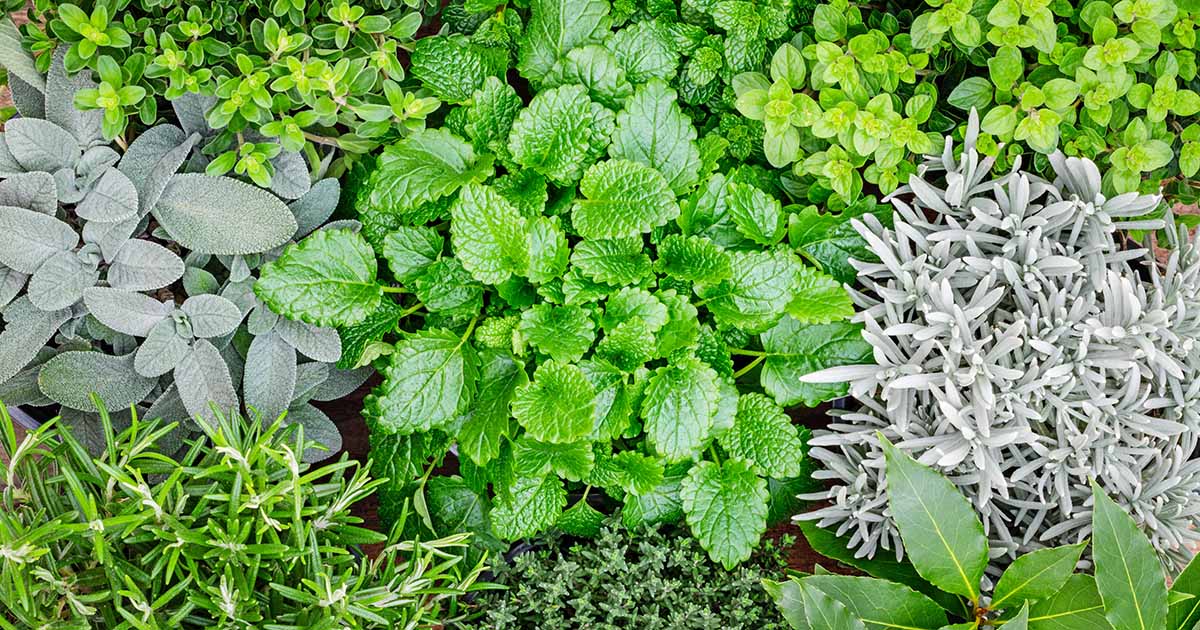
A very coldhardy perennial, winter savory has a sharp, peppery flavor that is excellent for warming dishes.
Why it's great: Its flavor is much stronger than summer savory and it stands up well to long cooking times.
Best uses: With beans, in stews, and with hearty meats.
13. Cilantro (Coriandrum sativum)
Often difficult to grow in the heat, cilantro thrives in the cooler temperatures of fall. You can get multiple harvests before a hard frost.
Why it's great: It bolts in the heat but grows slowly and steadily in the cooler weather.
Best uses: Mexican and Southeast Asian cuisine, salsas, and curries.
14. German Chamomile (Matricaria recutita)
While an annual, chamomile selfseeds easily and can be grown well into the fall. Its flowers are used for a calming tea.
Why it's great: You can harvest the flowers for a homemade, soothing tea.
Best uses: Herbal tea for relaxation and sleep.
15. Catnip (Nepeta cataria)
A hardy perennial from the mint family, catnip is known for its effect on cats but it also makes a lovely, calming tea for humans.
Why it's great: It's a lowmaintenance plant that is very coldtolerant.
Best uses: Herbal tea for relaxation.
16. Sorrel (Rumex acetosa)
This perennial herb has a bright, lemony flavor. It's one of the first plants to appear in the spring and one of the last to die back in the fall.
Why it's great: It adds a zesty kick to dishes and is very hardy.
Best uses: In soups, sauces, and salads.
17. Calendula (Calendula officinalis)

While an annual, calendula can survive light frosts and its vibrant flowers add a pop of color to the fall garden.
Why it's great: Its petals are edible and its flowers are used for salves and tinctures.
Best uses: In teas, salves, and as a colorful addition to salads.
18. Garlic Chives (Allium tuberosum)
Similar to regular chives, garlic chives have a more pronounced garlic flavor. They are a perennial that's very coldhardy.
Why it's great: They provide a mild garlic flavor without the pungency.
Best uses: Stirfries, dumplings, and as a garnish.
19. Hyssop (Hyssopus officinalis)
This is a small, woody perennial with a strong, slightly bitter flavor. It's very hardy and its flowers attract pollinators.
Why it's great: It's a beautiful, fragrant plant that survives cold winters.
Best uses: In small quantities in soups and stews.
20. Lovage (Levisticum officinale)
A perennial that tastes like a cross between celery and parsley, lovage is a large, hardy plant that returns each year.
Why it's great: Its large size makes it a great addition to the back of a garden bed.
Best uses: In soups, stews, and stocks.
Cultivating Your ColdWeather Herb Garden
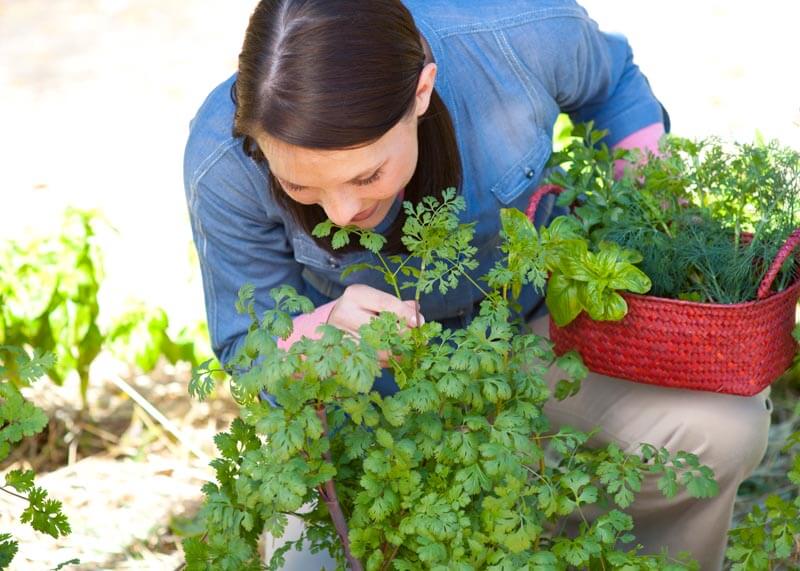
Successfully growing herbs in the fall and winter requires a slight shift in strategy. While many of these plants are hardy, they still benefit from a little extra care and attention.
Optimal Planting Times and Techniques
For perennial herbs, the best time to plant is in the spring or early fall. This gives the plants enough time to establish a strong root system before the first hard frost. For biennials like parsley, a midtolate summer planting will ensure a fall and early winter harvest.
Soil: Most herbs prefer welldrained soil. If your soil is heavy clay, consider planting in raised beds or containers to improve drainage.
Sunlight: Even in the fall and winter, most herbs need at least six hours of full sun a day.
Watering: Water deeply but infrequently. Overwatering can lead to root rot, especially in cooler weather.
Winter Protection and Care
While these herbs are tough, providing a little protection can help them thrive.
Mulch: A thick layer of mulch around the base of the plant can help regulate soil temperature and protect the roots from extreme cold.
Containers: For tender perennials, consider planting them in containers. You can easily move them to a sheltered location, like a garage or a cool, sunny spot indoors, before the worst of the weather hits.
Row Covers: For a prolonged harvest, a simple row cover or cold frame can create a minigreenhouse effect, protecting your plants from frost and extending the growing season.
The Art of Harvesting in the Cold
Harvesting in the fall and winter is a careful process.
Timing: The best time to harvest is midday, after any dew or frost has melted.
Technique: Cut the outer leaves and stems, leaving the inner growth to continue. Avoid cutting more than a third of the plant at a time.
Forcing Dormancy: For herbs like chives and mint, you can pot them up in the fall and bring them indoors. This will force them into a new growth cycle, providing you with a fresh harvest.
The Culinary and Medicinal Bounty of Winter Herbs
From my experience, the flavors of fall and winter herbs are richer and more complex than those of their summer counterparts. The colder temperatures can cause the plant to concentrate its essential oils, leading to more potent flavors.
Warming Winter Recipes
These herbs are a perfect match for hearty, warming dishes.
Rosemary and Thyme: A classic combination for roasted potatoes, chicken, or lamb.
Sage: Perfect for a creamy butternut squash risotto or a savory sausage stuffing.
Parsley: A generous handful of fresh parsley brightens up any winter stew or soup.
Herbal Remedies for Colds and Flu
Many of these herbs have properties that can help support the immune system and soothe winter ailments.
Thyme: Thyme tea is a fantastic remedy for a cough and sore throat.
Sage: Sage tea can help with a sore throat and is also a great digestive aid.
Rosemary: Rosemary tea is a warming and invigorating beverage that can help with circulation.
The Sustainable Garden: A YearRound Journey
I do believe that a truly sustainable garden is one that provides a harvest in all four seasons. By focusing on these resilient herbs, you can reduce your reliance on storebought, often pesticideladen, produce and enjoy the freshest, most flavorful ingredients all year long. I recommend starting small, perhaps with just a few pots of rosemary, thyme, and sage, and watch your confidence and your harvest grow.
In conclusion, the world of fall and winter herbs is a rewarding one. They teach us resilience and provide us with beauty and sustenance when we need it most. So, embrace the cold and discover the magic of these enduring plants. Your garden, and your cooking, will be all the richer for it.


Comments
Post a Comment