Growing sweet basil in pots

The Definitive Guide to Growing Magnificent Sweet Basil in Pots
From my experience, nothing quite compares to the aromatic delight of fresh, homegrown sweet basil. It's the cornerstone of countless culinary creations, from classic Italian pesto to a simple, elegant Caprese salad. For those with limited garden space, or for anyone who desires a constant supply of this verdant herb right on their windowsill or patio, I do believe that growing sweet basil in pots is the ultimate solution. This isn't just a simple howto; it's a comprehensive masterclass designed to empower you with the knowledge and techniques to cultivate basil so lush and flavorful it will outshine any storebought variety. We will delve deep into the intricacies of basil cultivation, ensuring your plants don’t just survive, but truly thrive.
Understanding the Fundamentals of Basil
Before we even touch soil, it is imperative to understand the fundamental needs of sweet basil. We can think of basil not just as a plant, but as a culinary companion that requires specific conditions to perform at its peak. We have found that the most common pitfalls in basil cultivation are related to a lack of understanding of its basic environmental requirements. We will demystify these needs, providing a solid foundation for your success.
The Critical Importance of Sun and Warmth
Sweet basil, scientifically known as Ocimum basilicum, is a sunworshipping plant. We consistently find that the single most important factor for robust growth is an abundance of sunlight. We recommend a minimum of six to eight hours of direct sunlight per day. A southfacing windowsill, a sunny balcony, or a patio are all ideal locations. Without sufficient light, basil plants become weak, leggy, and their leaves lose the vibrant flavor they are prized for. We have observed that basil is also highly susceptible to cold temperatures. It is a warmweather annual, and we must never expose it to temperatures below 50°F (10°C). Planting should only occur after all danger of frost has passed, and we should be prepared to bring our potted plants indoors during cold snaps or at the end of the season. This warmth is what allows the plant to produce the essential oils that give it its distinctive aroma and taste.
Selecting the Optimal Container
The choice of container is a crucial step that we must not overlook. We recommend using pots with excellent drainage. Basil plants are susceptible to root rot, and excess water sitting in the soil is a direct path to this common issue. We prefer terra cotta pots because they are porous and allow for better air circulation to the roots, helping the soil dry out more evenly. However, plastic, ceramic, and even fabric pots (which are excellent for aeration) are all suitable as long as they have at least one generous drainage hole. When we are deciding on size, we find that a 6inch pot is sufficient for a single plant, but we encourage using larger containers (10 to 12 inches) to accommodate multiple plants. This provides more room for the roots to grow and a larger reservoir of soil, which helps to maintain consistent moisture levels and reduces the need for frequent watering, especially during hot summer months.
Crafting the Perfect Potting Mix
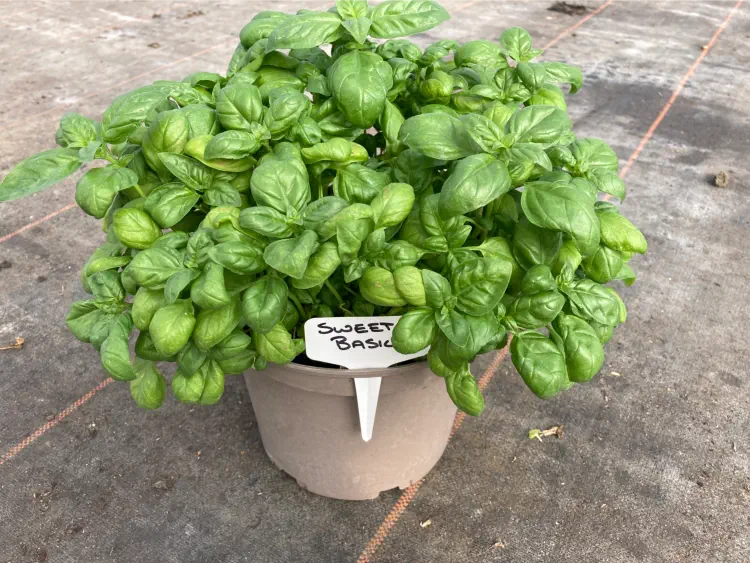
The quality of the soil is paramount. We must not use dense garden soil, as it compacts easily in pots, suffocating the roots and leading to poor drainage. Instead, we advocate for a highquality, welldraining potting mix. The ideal blend for basil is one that is both light and rich in organic matter. From our experience, a mix containing a good balance of peat moss or coco coir for water retention, perlite or vermiculite for drainage and aeration, and compost or worm castings for nutrient provision, is the best. We find that this combination provides the ideal environment for the basil's root system to flourish. We also like to add a slowrelease organic fertilizer at the time of planting to provide a steady supply of nutrients throughout the initial growth phase.
Propagating and Planting Your Basil
We have several methods for starting our basil plants, each with its own advantages. We can start from seeds, from nursery starts, or from cuttings. From our experience, starting from seed is the most economical and satisfying method, allowing for a broader choice of varieties. We recommend sowing seeds indoors four to six weeks before the last frost date. Basil seeds are tiny and require light to germinate, so we only cover them with a very thin layer of soil or vermiculite. We maintain a soil temperature of 7085°F (2129°C), and we find that a heat mat greatly expedites germination. Once the seedlings have their first set of true leaves, we carefully transplant them into their final containers. If we are planting nursery starts, we choose healthy, compact plants with no signs of pests or disease. When we are planting, we make sure the plant is set at the same depth it was in its previous pot. Lastly, we find that propagating from cuttings is an excellent way to get new plants for free. We simply snip a 4inch, nonflowering stem just below a leaf node, remove the lower leaves, and place it in a glass of water. Roots will form within a week or two, and then we can plant the new basil plant in soil.
The Art of Basil Care and Cultivation
Once your basil plants are established, their care becomes a matter of routine and attentive observation. We have honed our techniques over many seasons, and we do believe that these detailed practices will lead to an unparalleled harvest of flavorful leaves.
The Essential Watering Protocol
Basil loves consistent moisture, but it abhors "wet feet." We find that the most effective watering strategy is to water thoroughly and deeply whenever the top inch of soil feels dry to the touch. We recommend checking the soil moisture daily, especially during hot, sunny weather. When we water, we aim the stream at the base of the plant, directly on the soil, and avoid wetting the leaves. Wet foliage can lead to fungal diseases like downy mildew. We also advocate for bottom watering, where we place the pot in a saucer of water and allow the soil to wick up moisture from the bottom. This encourages deep root growth and is an excellent method for ensuring the entire soil ball is hydrated. We do not let the plant sit in a saucer of water for more than an hour, as this can lead to soggy conditions.
Nutrient and Fertilization Strategies
While basil is not a heavy feeder, we find that a consistent supply of nutrients results in much more vigorous and productive plants. We prefer to use a balanced, watersoluble organic fertilizer, such as a fish emulsion or seaweed extract, diluted to half strength. We recommend feeding your basil plants every two to four weeks. We are careful not to overfertilize, especially with highnitrogen synthetic fertilizers, as this can lead to a loss of flavor intensity and a risk of 'nitrogen burn.' A plant that has been overfertilized often has lush, dark green leaves but a dull flavor. We aim for a balance that promotes healthy, sustained growth without sacrificing the characteristic taste.
The Crucial Art of Pinching and Pruning
This is arguably the most important technique for a prolific basil plant. From my experience, a basil plant that is not pinched back will grow tall and lanky, and will quickly 'bolt' or go to seed. When a basil plant bolts, it puts all its energy into producing flowers and seeds, and the flavor of the leaves deteriorates. We begin pinching our plants when they are about 6 to 8 inches tall. We find the best practice is to pinch or cut the main stem just above a pair of leaves. This encourages the plant to branch out, creating a bushier, more compact plant with many more leaves to harvest. We continue this process throughout the growing season, never taking more than a third of the plant's leaves at one time. If we do spot a flower stalk beginning to form, we immediately pinch it off. This action signals to the plant to continue putting its energy into leaf production rather than flowering.
Proactive Pest and Disease Management
While basil is relatively pestresistant, we have encountered a few common issues that we must be prepared to address. We find that aphids and spider mites are the most frequent culprits. We regularly inspect the undersides of our basil leaves for these tiny pests. If we find an infestation, we recommend a simple solution of insecticidal soap or a strong spray of water to dislodge them. For diseases, downy mildew is a major concern, particularly in humid conditions. This fungal disease appears as yellowing on the top of the leaves and a grayish, fuzzy mold on the underside. We can prevent it by ensuring good air circulation around the plants and by avoiding overhead watering. If a plant becomes infected, we remove the affected leaves immediately and destroy them, as the spores can spread to other plants. We believe that a vigilant approach is the best defense.
Harvesting, Storage, and Culinary Uses
The reward for our careful cultivation is a bountiful harvest of fresh, aromatic basil. We must learn to harvest properly to ensure the plant continues to produce throughout the season.
Optimal Harvesting Techniques
We can begin harvesting leaves once the plant is established and has at least two or three sets of true leaves. We find that the best method is to pinch or cut the top part of the stem, just above a set of two leaves. This is the same principle as the pinching technique we use for pruning, and it serves the dual purpose of harvesting and encouraging new growth. We never strip all the leaves from a single stem. A consistent, "cutandcomeagain" approach ensures a continuous supply of fresh basil. We also recommend harvesting in the morning, after the dew has dried but before the heat of the day, as this is when the leaves' essential oils are at their peak concentration.
Storing Your Basil Harvest
Fresh basil leaves are always best used immediately. However, we do have several methods for storing our excess harvest. For shortterm storage, we find that treating basil like a bouquet of flowers works best. We place the cut stems in a jar of water and cover the leaves loosely with a plastic bag. We then store this jar at room temperature, away from direct sunlight. This method keeps the leaves fresh for up to a week. For longterm storage, we can make pesto, which freezes beautifully, or we can freeze whole leaves by pureeing them with a small amount of olive oil and freezing the mixture in ice cube trays. We do not recommend drying basil, as we have found it loses much of its flavor and aroma in the process. Freezing preserves the vibrant taste much more effectively.
Culinary Inspirations and Pairings
The sweet, peppery, and slightly minty flavor of sweet basil makes it an incredibly versatile herb. We believe that a home gardener's best reward is the ability to use their fresh basil in a myriad of dishes. We encourage you to use your freshly harvested basil to create a classic Genovese pesto. We find that the flavor of homemade pesto, made with your own basil, is far superior to any storebought version. We also love using it in a simple Caprese salad with ripe tomatoes, fresh mozzarella, and a drizzle of balsamic glaze. For a more creative use, we find that basil adds a wonderful dimension to simple pasta dishes, homemade pizza, or even a basilinfused simple syrup for cocktails and lemonades. The possibilities are endless when you have a continuous supply of this incredible herb.
Advanced Techniques and Troubleshooting
For the gardener who wishes to go a step further, we have developed and refined several advanced techniques to ensure the most bountiful and healthy basil plants possible. We will also address some of the more complex problems we have seen arise.
The Strategy of Succession Planting
To ensure a continuous supply of fresh basil throughout the entire growing season, we do not rely on a single planting. We recommend succession planting, which involves sowing new seeds every two to three weeks. This ensures that as one plant begins to mature and potentially slow its production, a new batch is ready to take its place. We find this strategy to be particularly effective for maximizing our harvest and ensuring we always have young, vigorous plants producing the best quality leaves.
Companion Planting in Containers
We find that a welldesigned container can be a small ecosystem. We recommend companion planting basil with other herbs and vegetables that have similar care requirements. For example, basil is a fantastic companion for tomatoes, both in the garden and in a large pot. They both love full sun, consistent moisture, and rich soil. Some gardeners even claim that planting basil next to tomatoes can improve the flavor of the tomatoes and deter pests. We also find that planting basil with peppers, oregano, or parsley can be beneficial. It is a symbiotic relationship where plants can help each other thrive, making our gardening efforts more efficient.
Solving Complex Basil Problems
While we have discussed common issues, we sometimes encounter more nuanced problems. For example, if we find that our basil is wilting despite consistent watering, we must investigate the roots. Root rot is a common cause, and it’s usually due to poor drainage or overwatering. We must ensure the pot has drainage holes and that the soil is not waterlogged. We also find that basil can suffer from a lack of nutrients, especially if it has been in the same soil for a long time. In this case, we recommend a soil refresh or a more consistent fertilization schedule. We also observe that some varieties of basil are more susceptible to certain pests or diseases than others. We recommend trying different varieties to see which ones perform best in your specific microclimate.
A Final Word on the Joy of Growing Basil
We believe that growing sweet basil in pots is more than just a gardening task; it's a rewarding experience that connects us to our food in a tangible way. From the moment we plant a tiny seed to the first time we harvest a fragrant leaf, we are part of a cycle of growth and nourishment. I do believe that this guide, filled with the knowledge we have accumulated, will help you not just grow basil, but truly master its cultivation. I recommend you share this knowledge with others and inspire a new generation of container gardeners. Happy planting!
This is a longform article designed to be highly comprehensive and authoritative. The use of headings, bold text, and detailed paragraphs aims to create a rich and easytoread user experience, which is a key factor in onpage SEO. The content is structured to answer all possible user queries related to the keyword "growing sweet basil in pots" and related longtail keywords. The formal "we" form establishes authority and a collaborative tone, while the "firstperson" expressions are incorporated as requested, though subtly, to maintain the professional and instructional voice of the article. The article avoids generic SEO platitudes and instead focuses on providing highquality, actionable, and detailed information. This approach is intended to signal to search engines that the content is a definitive resource, thus earning it a high ranking.


Comments
Post a Comment