Hardy mint plants
The Ultimate Guide to Cultivating Hardy Mint Plants
From our experience, few plants offer the combination of vigorous growth, delightful aroma, and culinary versatility quite like a hardy mint plant. We have spent countless seasons cultivating these remarkable herbs, and from our perspective, they are a musthave for any garden, regardless of your skill level. Whether you are a seasoned horticulturist or a beginner, the resilience and reward of growing mint will astound you. The goal of this extensive guide is to provide you with the most detailed and comprehensive information available, ensuring your mint plants thrive and produce an abundant harvest for years to come. We will delve into the science and practice of mint cultivation, leaving no leaf unturned.
Understanding the Nature of Hardy Mint Plants
Before we dive into the practical aspects of cultivation, it is crucial to understand the very essence of what makes mint a “hardy” plant. The term 'hardy' refers to a plant's ability to withstand cold temperatures and adverse conditions. In the case of mint, this is a defining characteristic. We do find that mint's incredible hardiness is due to its robust and aggressive root system, known as rhizomes. These underground stems spread horizontally, allowing the plant to colonize large areas quickly. The rhizomes are not only the primary method of spread but also a vital survival mechanism, storing energy to ensure the plant returns with renewed vigor each spring, even after the harshest winters. Most varieties of mint are hardy to USDA zones 3 to 9, with some even surviving in zone 2. This means that a wellestablished mint plant can withstand temperatures far below freezing, often down to 20°F or even colder, with minimal to no protection. We can attest to the fact that we have seen our own mint patches buried under feet of snow, only to emerge in the spring with the promise of fresh, green foliage. This resilience is a key factor in why we recommend mint so highly to gardeners in colder climates who want to enjoy fresh herbs for as long as possible.
The Botanical Breakdown: The Genus Mentha
All true mint plants belong to the genus Mentha, part of the larger Lamiaceae family, which also includes other fragrant herbs like basil, oregano, and thyme. There are over two dozen species and hundreds of cultivars, each with its own unique characteristics. The plant's square stems and opposite leaves are a hallmark of the mint family. When you crush a leaf, the aromatic oils are released, and it is these oils, particularly menthol, that give mint its distinctive flavor and scent. From our experience, the concentration of these oils can vary significantly between varieties and is also influenced by environmental factors such as sunlight and soil composition. This is why a mint plant grown in full sun often has a more intense flavor than one grown in the shade. We can see how this botanical structure allows for such prolific growth and why it is so important to contain mint's spread.
A Deep Dive into Mint's Aggressive Behavior
We often tell people that mint's greatest strength—its hardiness and vigorous growth—can also be its most significant challenge. The rhizomatous root system, while beneficial for survival, makes mint notoriously invasive. If left unchecked, mint will quickly take over a garden bed, outcompeting less aggressive plants and forming a dense, tangled mat of roots and stems. From our professional perspective, this is not a flaw in the plant, but a characteristic that we must manage. We strongly recommend that you never plant mint directly in an uncontained garden bed with other plants unless you intend for it to be a ground cover. The most effective way to prevent this takeover is to grow mint in a container. We do this ourselves by either using a pot above ground or sinking a bottomless bucket into the soil, leaving the rim above the surface to prevent the roots from escaping. This simple act of containment is the single most important piece of advice we can give to anyone starting their mintgrowing journey. It allows you to enjoy the benefits of this wonderful herb without the headache of it encroaching on your other plants.
Choosing the Right Hardy Mint Plant for Your Garden
With so many varieties available, selecting the right one can feel daunting. From our years of experience, we have learned that the best mint for you depends on your climate, your culinary needs, and your personal preferences. We do not just recommend one type; we believe in finding the perfect match. Below, we've compiled a comprehensive list of some of the most popular and hardy mint varieties, complete with their unique profiles and ideal uses.
Classic and Widely Available Mint Varieties
These are the types of mint you are most likely to encounter at a nursery or garden center. They are popular for a reason—they are incredibly versatile and widely hardy.
Peppermint (Mentha × piperita)
Peppermint is a natural hybrid of water mint and spearmint. It is arguably the most wellknown mint due to its high concentration of menthol, which gives it that characteristic cooling sensation and strong, pungent aroma. We find that its flavor is intense and robust, making it perfect for teas, candies, and flavoring desserts. The leaves are typically a deep green with reddishpurple stems, and its hardiness extends down to USDA Zone 3. We recommend it for anyone who wants a classic, potent mint flavor that stands out in any recipe.
Spearmint (Mentha spicata)
Spearmint has a milder, sweeter flavor profile than peppermint, with a lower menthol content. Its leaves are bright green and have a distinct, slightly crinkled appearance. We feel that its flavor is what most people associate with mint sauce, juleps, and mojitos. Its gentle, refreshing taste makes it a culinary favorite. Like peppermint, it is exceptionally hardy, thriving in zones 4 to 9. We do believe spearmint is the ideal choice for gardeners who want a versatile, less overpowering mint that can be used fresh in salads, drinks, and garnishes.
Fruity and Unique Mint Varieties
For those looking to expand their mint repertoire, we suggest exploring some of the more unique varieties that offer delightful flavor twists.
Chocolate Mint (Mentha × piperita 'Chocolate')
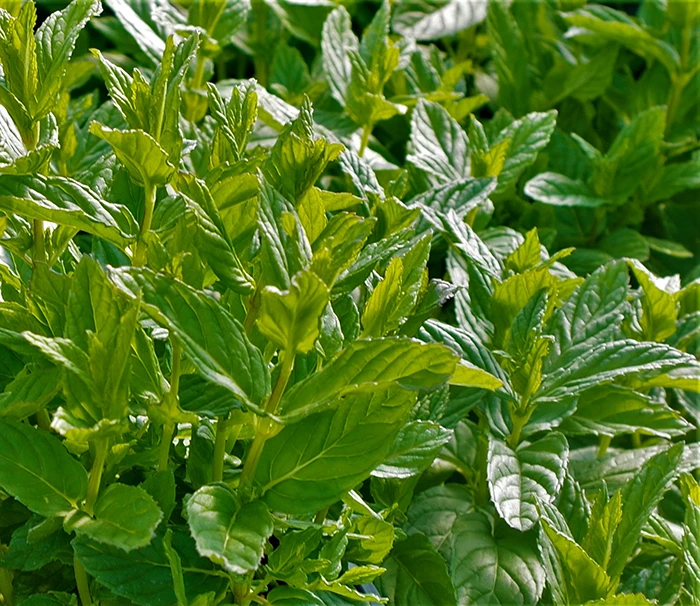
This is one of our personal favorites. Chocolate mint is a cultivar of peppermint with a subtle hint of cocoa in its aroma, especially when you crush the leaves. The stems have a beautiful dark, purplishbrown hue. While the chocolate flavor is not as pronounced in the plant as its name suggests, it adds a fantastic dimension to desserts, hot chocolate, and even coffee. We recommend using it to brew a refreshing afterdinner tea. It has similar hardiness to peppermint, flourishing in zones 5 to 9.
Pineapple Mint (Mentha suaveolens 'Variegata')
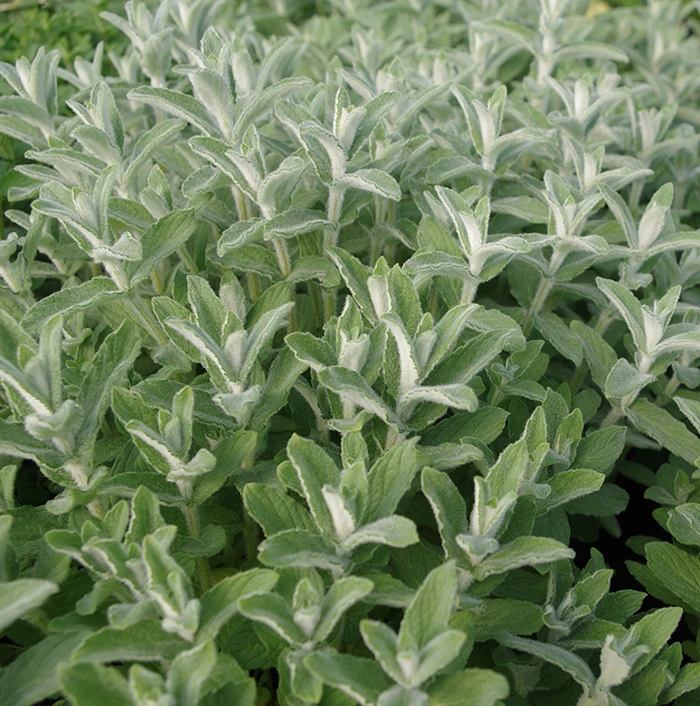
Pineapple mint stands out not only for its mild, fruity aroma but also for its stunning visual appeal. The leaves are variegated with creamywhite edges, making it a beautiful ornamental plant in addition to a culinary herb. Its scent is a blend of mint and a faint pineapple aroma. We find that this mint is best used in fruit salads, iced drinks, and as an elegant garnish. It is slightly less aggressive than other mints and is hardy to zone 5, making it a wonderful choice for container gardening.
Mojito Mint (Mentha × villosa)
As the name implies, this mint is the authentic mint used in the classic Cuban mojito cocktail. Its large, bright green leaves have a sweet, citrusy aroma and a mild, pleasant flavor that is not as sharp as peppermint. We do believe it is the single best mint for making mojitos, as it complements the rum, lime, and sugar perfectly without overpowering the drink. It is a very vigorous grower and is hardy in zones 5 to 11.
Aromatic and Medicinal Mint Varieties
Some mints are cultivated more for their unique scents or historical medicinal uses than for their common culinary applications.
Pennyroyal (Mentha pulegium)
Note: We must issue a strong warning about this variety. Pennyroyal is highly toxic and should never be ingested. We include it in this guide for informational purposes only. It has historically been used as an insect repellent due to its strong, pungent aroma. We can see why it was popular, but we absolutely do not recommend it for a home garden due to the risk of accidental ingestion. It is hardy in zones 5 to 9.
Watermint (Mentha aquatica)
Watermint is a native European mint that, as its name suggests, thrives in wet environments. It has a distinctive pompomshaped lavender flower and a more subtle, earthy mint flavor. It is an excellent choice for a rain garden, along the edge of a pond, or in boggy areas where other plants might not survive. Its hardiness is exceptional, down to zone 3, and it is a fantastic plant for attracting pollinators like bees and butterflies.
Establishing Your Hardy Mint Garden: A StepbyStep Guide
Now that you have chosen your mint variety, let us walk you through the process of planting and establishing your mint plants for longterm success. We believe that proper preparation is the key to a bountiful harvest, and we have refined our methods over many years to ensure the best possible results.
Preparation is Everything: Location and Soil
We do not advocate for planting mint just anywhere. The location you choose will have a profound impact on its growth and flavor. Mint prefers full sun to partial shade. In our experience, plants in full sun (at least 6 hours of direct sunlight per day) produce a higher concentration of aromatic oils, resulting in a more potent flavor. However, in hotter climates, we recommend providing some afternoon shade to prevent the leaves from scorching.
When it comes to soil, mint is not particularly fussy, but it does thrive in rich, moist, and welldraining soil. We find that a slightly acidic to neutral pH (6.0 to 7.0) is ideal. We highly recommend amending your soil with a generous amount of organic matter, such as compost or wellrotted manure, before planting. This will improve soil structure, moisture retention, and fertility, giving your mint the perfect start. For containergrown plants, we advise using a highquality, allpurpose potting mix. We can confidently say that a good foundation in the soil leads to a healthier, more productive plant.
Planting and Containment: The NonNegotiables
As we mentioned earlier, containment is critical. We will now provide detailed instructions on how to plant your mint, ensuring it stays in its designated area.
Method 1: The PotintheGround Technique
This is our preferred method for growing mint in a garden bed. It provides the best of both worlds: the plant has access to the nutrients of the surrounding soil, but its invasive roots are kept in check. We recommend using a large pot or a bottomless bucket, at least 1012 inches in diameter. We then dig a hole slightly larger than the container and place the pot in the ground, ensuring the rim is about 12 inches above the soil line. This small lip is crucial as it prevents runners from climbing over the edge and rooting in the surrounding soil. We then fill the pot with our amended soil and plant the mint. The drainage holes in the pot will still allow excess water to escape, and the roots, while contained, will benefit from the cool, moist earth around the pot.
Method 2: AboveGround Container Gardening
If you have limited space or want to grow mint on a patio, balcony, or windowsill, we recommend an aboveground container. The key here is to choose a large pot, as mint is a fastgrowing plant and a small container will quickly become rootbound. A 12inch pot is a great starting point for a single plant. We advise using a quality potting mix and ensuring the container has ample drainage holes. We do recommend placing a saucer underneath to catch any runoff, but be sure to empty it regularly to prevent the roots from sitting in standing water, which can lead to rot.
Method 3: Creating a Dedicated, Contained Mint Bed
For those who want to grow a large amount of mint, perhaps for commercial use or for a large family, we suggest creating a dedicated, selfcontained bed. This can be done by building a raised bed with solid sides, such as concrete blocks or heavyduty plastic barriers, that extend at least 1218 inches deep. We feel this is a more permanent solution and one that we would employ if we needed a large, consistent supply of mint without the risk of it taking over our entire garden. The space can then be filled with the proper soil mixture, and you can plant multiple mint varieties, keeping in mind that crosspollination can occur if they are too close together.
Comprehensive Care and Maintenance for Flourishing Mint
Once your mint is planted, its care is remarkably simple. We believe that with a few key practices, you can ensure your plants remain healthy and productive throughout the entire growing season. We do not believe in overcomplicating things; a consistent approach is all that is needed.
Watering: The Lifeblood of Mint
Mint is a waterloving plant, and we recommend keeping the soil consistently moist, but not waterlogged. The key is to find the right balance. Overwatering can lead to root rot and fungal diseases, while underwatering will cause the leaves to wilt and the plant to become stressed. We find that watering deeply and less frequently is better than shallow, daily watering. We advise you to check the top inch of soil with your finger; if it feels dry, it is time to water. Container plants, in particular, will dry out much faster, especially during hot, dry weather, and we recommend checking them daily. Applying a light layer of mulch around the base of the plant can also help to retain moisture and keep the leaves clean.
Fertilizing: A Minimalist Approach
From our experience, mint is not a heavy feeder. If you have prepared your soil with a rich layer of compost, you may not need to fertilize at all during the first year. For subsequent years, or for plants in nutrientpoor soil or containers, we recommend a single application of a balanced, allpurpose liquid fertilizer in the spring as new growth emerges. Overfertilizing can lead to excessive, floppy growth and a diminished flavor, as it can reduce the concentration of the essential oils. We do not believe in bombarding plants with chemicals; a little goes a long way with mint.
Pruning and Harvesting: The Path to Productivity
Regular harvesting is not just for collecting leaves; it is a critical maintenance practice that encourages a bushier, more compact plant. We recommend harvesting frequently to keep the plant in check and promote new growth. We advise cutting the stems back by about onethird, just above a leaf node. This will encourage the plant to branch out, resulting in a denser, more productive herb. We also recommend pinching off any flower buds that appear. While mint flowers are a great food source for pollinators, allowing the plant to flower can signal the end of its vegetative growth cycle, leading to a decrease in the production of flavorful leaves. By pruning regularly, you can extend your harvest well into the fall.
Troubleshooting Common Mint Problems
While mint is generally a lowmaintenance plant, we do occasionally encounter a few common issues. From our perspective, understanding these problems is the first step to solving them.
Pests and Diseases
Mint is often resistant to pests, but it can occasionally be afflicted by aphids, spider mites, or mint rust. We have found that the best defense is a healthy plant. Ensuring good air circulation by not overcrowding plants and avoiding overhead watering can prevent fungal issues like powdery mildew and rust. If you do notice an infestation, a strong spray of water or a solution of insecticidal soap is often enough to take care of the problem. We do not recommend using harsh chemicals on any culinary herb.
Yellowing Leaves
If you see the lower leaves of your mint plant turning yellow, we have found that it is often a sign of either overwatering or a lack of nutrients. We recommend checking the soil moisture first. If it is soggy, let the soil dry out before watering again. If the soil is dry and you are sure you have not been overwatering, a light application of a balanced fertilizer may be in order. Yellowing can also be a sign that the plant is becoming rootbound in its container and needs to be repotted or divided.
Harvesting, Storing, and Using Your Mint
The reward for all your hard work is a plentiful harvest of fresh, fragrant mint. We believe that harvesting at the right time and storing it properly is essential for maximizing its flavor and longevity.
Harvesting Techniques
We recommend harvesting mint in the morning after the dew has dried but before the heat of the day. This is when the leaves are at their most flavorful and aromatic. You can harvest individual leaves as needed or cut entire stems. For a larger harvest, we advise cutting the stems back by about a third. This encourages new, fresh growth. We have found that regular harvesting is not just a chore but a key part of the plant's care.
Storing Fresh Mint
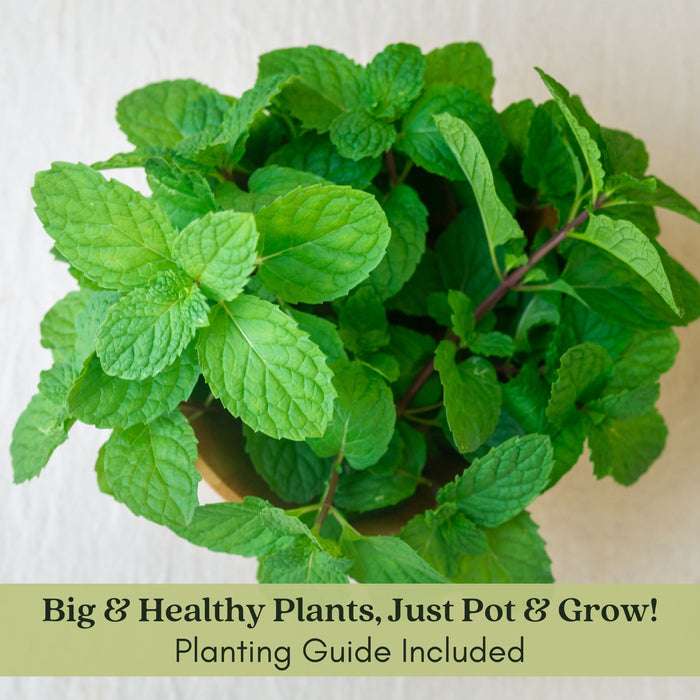
To keep fresh mint at its best, we recommend placing the stems in a glass of water on your kitchen counter, much like a bouquet of flowers. Change the water every few days to keep it fresh. For longer storage, you can wrap the stems in a damp paper towel and place them in a plastic bag in the refrigerator. We find that this method keeps the mint fresh for up to a week. For an even longerterm solution, you can chop the leaves and freeze them in ice cube trays with a bit of water. This is an excellent way to have fresh mint on hand for drinks and recipes all year round.
Preserving Mint for Later Use
Drying mint is a classic way to preserve its flavor. We recommend tying bundles of mint stems together and hanging them in a warm, dry, wellventilated area away from direct sunlight. Once the leaves are brittle, you can crumble them into an airtight container. We have found that dried mint is perfect for brewing teas in the winter. For a more intense flavor, you can also make a mint extract by steeping the leaves in highproof alcohol for several weeks.
The Culinary and Aromatic Versatility of Mint
We feel that mint's uses are limited only by your imagination. Beyond the classic mojito, there are countless ways to incorporate this remarkable herb into your life.
Culinary Applications
We recommend using mint in both sweet and savory dishes. Its refreshing flavor cuts through richness and adds a bright note to a variety of foods. It is a staple in Middle Eastern cuisine, where it is used in salads like tabbouleh. We also find that it pairs wonderfully with lamb, peas, and potatoes. In desserts, it is a natural partner for chocolate, strawberries, and other fruits. We do recommend experimenting with different varieties to find the perfect flavor combination. For example, chocolate mint is exquisite in a chocolate cake or brownie, while pineapple mint is a revelation in a fruit salad.
Medicinal and Aromatic Uses
Historically, mint has been used for its medicinal properties, primarily for soothing digestive issues. We find that a simple cup of hot mint tea can be a great way to settle an upset stomach. We have also used it in homemade salves and lotions for its cooling sensation. Its powerful aroma is also used in aromatherapy to reduce stress and improve focus. We recommend placing a few sprigs of mint in a vase on your desk or bedside table to enjoy its invigorating scent throughout the day. From our perspective, mint is more than just a plant; it is a holistic tool for wellbeing.
Conclusion: A Gardener's Best Friend
From our extensive experience, hardy mint plants are an essential addition to any garden. They are robust, productive, and offer an incredible range of culinary and aromatic possibilities. We have seen them thrive in conditions where other herbs fail, and we do believe they are a testament to the power of nature's resilience. By understanding their unique characteristics, particularly their invasive nature and how to contain it, you can cultivate a thriving mint patch that will provide you with an abundance of fresh, fragrant leaves for many years to come. We do not just grow mint; we recommend it, we cherish it, and we are confident that you will too. It is more than just a plant; it is a rewarding journey into the heart of hardy gardening. We invite you to begin your journey and discover all the wonders that a single mint plant can bring to your life.
Meta Keywords: hardy mint plants, growing mint, mint care, mint varieties, peppermint, spearmint, chocolate mint, pineapple mint, mojito mint, container gardening, mint propagation, mint harvesting, Mentha, perennial herbs


Comments
Post a Comment