Hybrid cherry tomato plant
Masterful Cultivation: The Definitive Guide to Hybrid Cherry Tomato Plants
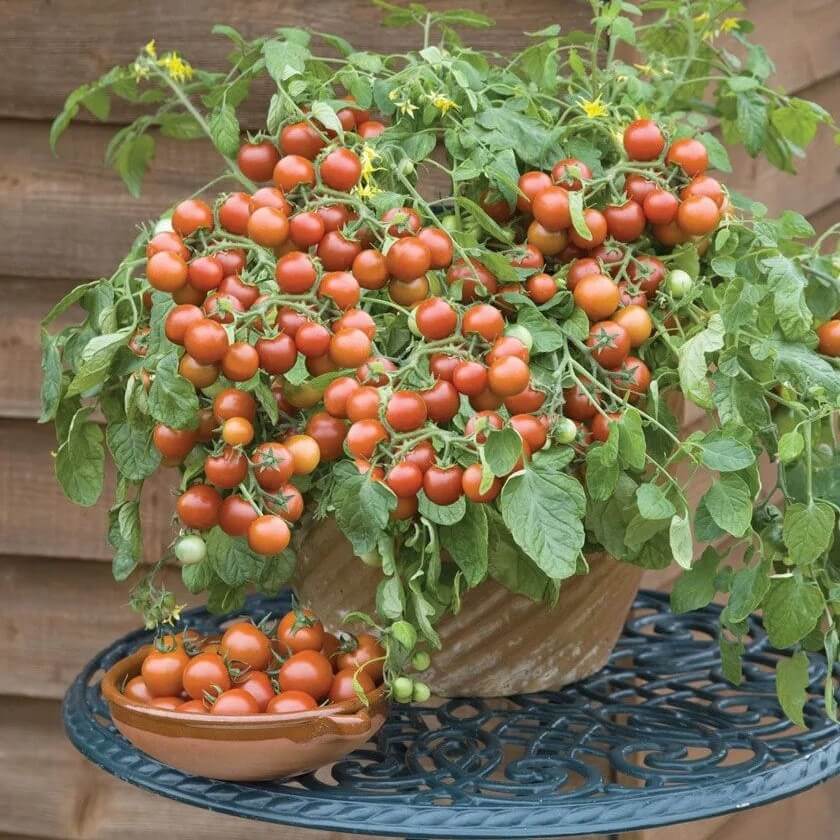
I do not merely grow tomatoes; I cultivate a legacy of flavor, and it is a pursuit that demands precision, knowledge, and a deep respect for the botanical process. The conventional wisdom often favors heirloom varieties, but I recommend a different path for the modern gardener seeking reliability and a bountiful harvest. The hybrid cherry tomato is a testament to agricultural innovation, and in this extensive guide, we will delve into every facet of its cultivation, from the ground up.
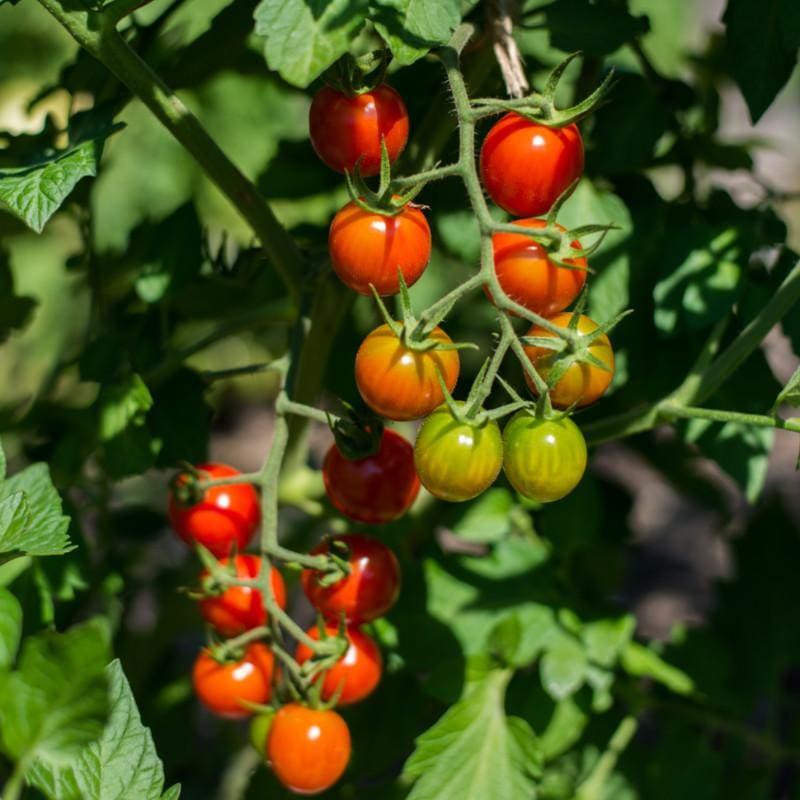
What is a Hybrid Cherry Tomato Plant? Unveiling the Science
From a botanical standpoint, a hybrid cherry tomato plant is the intentional result of crosspollinating two different, purebred parent plants to create a new variety. This process is distinct from the natural, openpollinated process of heirlooms. The resulting F1 hybrid (first filial generation) possesses a unique genetic combination, often exhibiting superior traits—a phenomenon known as hybrid vigor. From my experience, this vigor is the key to their extraordinary performance in a home garden setting. This is not about genetic modification; it is a timehonored practice of selective breeding that harnesses the best attributes of two parent plants.
Key Advantages of Hybrid Cherry Tomatoes
From my perspective as a seasoned grower, the benefits of hybrids are undeniable. I do not see them as a replacement for heirlooms, but as a complementary, and often superior, option for achieving consistent success. I recommend them for a number of compelling reasons:
Selecting the Perfect Hybrid Cherry Tomato Variety
Choosing the right variety is the first and most critical step in successful cultivation. I do not simply pick a plant; I select a partner for the growing season. I recommend considering your climate, space, and personal taste preferences. Here are some of the most lauded and reliable hybrid cherry tomato varieties from my experience, and the reasons I recommend them:
Sungold F1
From my experience, Sungold is a a gamechanger. I do not grow a garden without it. This indeterminate variety produces an astonishing abundance of goldenorange tomatoes that are intensely sweet with a hint of tropical fruit flavor. The plants are vigorous and prolific, yielding fruit from early summer until the first frost. Sungold is an absolute musthave for its unrivaled taste and productivity.
SuperSweet 100 F1
I recommend SuperSweet 100 for anyone seeking a classic, highyielding red cherry tomato. As its name suggests, it is a powerhouse of production, with long trusses laden with sweet, bitesized fruit. This indeterminate variety is an excellent choice for beginner gardeners due to its robust nature and resistance to both Fusarium and Verticillium Wilts. From my experience, it is incredibly reliable and rarely disappoints.
Juliet F1
I consider Juliet to be a grapetomato hybrid, but its characteristics and growth habit are so similar to cherry tomatoes that I do include it here. I do not grow a tomato garden without this variety. The fruits are elongated, resembling miniRomas, and are perfect for salads and roasting as they have a thicker skin that resists splitting. This indeterminate vine is exceptionally vigorous and prolific, providing a massive harvest of firm, crackresistant tomatoes with a deliciously balanced flavor.
Black Cherry
While often labeled as an heirloom, there are now hybrid varieties available, and it is a plant I would strongly recommend for its rich, complex flavor. This indeterminate variety produces deep purplered tomatoes with a smoky, sweet taste that adds a gourmet touch to any dish. It is a stunning plant with a flavor profile that stands out from the crowd.
Cultivation Essentials: From Seed to Harvest

Starting from Seed
I do believe the best tomato plants are those you raise from seed yourself. It provides a level of control and assurance that purchasing nursery starts cannot. I recommend starting your seeds indoors approximately 68 weeks before your last expected frost date. Use a sterile, soilless seedstarting mix in a tray or individual cells. Plant seeds about ¼ inch deep. I do ensure the soil remains consistently moist but never soggy. A heating mat is incredibly beneficial as it provides the bottom heat necessary for swift germination, which typically occurs in 510 days. Once the seedlings emerge, I move them under a highquality grow light or to a southfacing window to prevent them from becoming leggy.
Transplanting and Soil Preparation
I do not transplant my tomatoes until the soil temperature has reached at least 60°F (15.5°C) and all danger of frost has passed. Before moving your seedlings outdoors, they must be hardened off—a gradual process of acclimating them to outdoor conditions. I recommend starting with a few hours in a shady, protected spot and increasing their exposure to sun and wind over a period of 710 days.
The soil is the foundation of a healthy plant. I do not compromise on this. Cherry tomatoes are heavy feeders and thrive in a rich, welldraining, and slightly acidic soil with a pH between 6.0 and 6.8. I do amend my soil with copious amounts of highquality compost, wellrotted manure, and a balanced organic fertilizer. For containers, I use a highquality potting mix specifically formulated for vegetables, ensuring it contains perlite or vermiculite for excellent drainage and aeration. I recommend a container that is at least 5 gallons in size to give the roots ample room to develop.
Watering and Fertilizing
I do not water on a schedule, but based on the plant's needs. Consistency is key to preventing problems like blossom end rot and fruit splitting. I recommend deep, infrequent watering to encourage strong root development. Water the soil, not the foliage, to minimize the risk of fungal diseases. Drip irrigation or soaker hoses are ideal for this. The top inch of soil should be allowed to dry out before you water again.
Hybrid cherry tomatoes are heavy feeders and require a carefully managed fertilization program. I do not believe in a onesizefitsall approach. At transplanting, I mix in a balanced fertilizer, such as a 101010, or a specialized tomato food that is higher in phosphorus to promote root growth. Once the plant begins to flower and set fruit, I switch to a fertilizer that is higher in potassium and lower in nitrogen, such as a 5105 or an organic equivalent like fish emulsion or compost tea. Too much nitrogen will result in lush, leafy growth at the expense of fruit production. I do fertilize my plants every 24 weeks during the growing season, adjusting the frequency based on their growth and the soil's nutrient content.
Support and Pruning for Maximum Yield
The vast majority of hybrid cherry tomatoes are indeterminate, meaning they will continue to grow and produce fruit until killed by frost. I do not underestimate their size; they will quickly become a sprawling, tangled mess without proper support and pruning. I recommend using strong stakes, a sturdy tomato cage, or a trellis system. For my plants, I utilize a vertical trellis system to maximize space and airflow, a practice I have found to be extremely effective.
Pruning is not optional; it is essential for a highquality, highyield harvest. I do not simply let my plants grow wild. I recommend pruning to a single or double leader system. The "single leader" involves pinching off all suckers—the small shoots that grow in the Vshape between the main stem and a leaf stem. I do this regularly, at least once a week, to direct the plant's energy into the main stem and its fruit. For a double leader, I allow the first sucker below the first flower cluster to grow, and I prune all other suckers. This creates a "Y" shape and provides a robust structure that supports more fruit. I also recommend removing the lower leaves as the plant grows to improve air circulation and prevent soilborne diseases from splashing onto the foliage. I do ensure I use clean, sharp shears to make a clean cut and minimize stress on the plant.
Common Challenges: Identification and Proactive Prevention
Even with the best practices, problems can arise. I do not view challenges as failures, but as opportunities to learn and adapt. From my experience, the most effective approach is a proactive one. Here, I detail some of the most common issues and my recommendations for preventing them.
Blossom End Rot
This is a frequent and frustrating issue for many gardeners. I do not ignore the telltale black, sunken spots on the bottom of the fruit. This is not a disease, but a calcium deficiency caused by inconsistent watering. The plant cannot absorb calcium effectively if moisture levels fluctuate wildly. I recommend maintaining a consistent watering schedule and ensuring the soil has adequate calcium. Adding a calcium supplement like crushed eggshells or a specialized spray can help, but from my experience, the most impactful solution is consistent soil moisture.
Cracking and Splitting
I do not get upset when this happens, as it is a natural reaction to a specific stressor. Fruit cracking occurs when a sudden influx of water follows a dry period. The skin of the tomato cannot expand quickly enough to accommodate the rapid swelling of the fruit. I recommend consistent watering to prevent this, and for varieties that are more prone to splitting, I choose ones with a thicker skin, such as Juliet. I also recommend harvesting the tomatoes as soon as they are fully ripe to prevent them from overripening and becoming susceptible to cracking.
Fungal and Bacterial Diseases
While hybrids are bred for resistance, they are not immune to all diseases. I do watch for signs of Early Blight (dark spots with concentric rings on lower leaves), Septoria Leaf Spot (small, circular spots with a gray center), and Fusarium Wilt (wilting and yellowing leaves). I recommend a multipronged prevention strategy: crop rotation (do not plant tomatoes or other nightshades in the same spot for 34 years), ensuring excellent air circulation through proper spacing and pruning, and watering at the base of the plant to keep foliage dry. If a plant shows signs of disease, I do not hesitate to remove the affected leaves or even the entire plant to prevent further spread. I also recommend a regular application of an organic fungicide, such as copper or a biofungicide, as a preventative measure in humid climates.

H6: Common Pests
I do not wait for a fullblown infestation. I believe in early detection and a nontoxic approach. I do inspect my plants daily for common pests like aphids, tomato hornworms, and spider mites. For minor infestations, I recommend a strong spray of water to dislodge the pests or a solution of insecticidal soap. For larger pests like the hornworm, I recommend picking them off by hand. I do introduce beneficial insects, such as ladybugs, to my garden to act as natural predators, which I have found to be a highly effective and sustainable form of pest control.
The Sweetest Reward: Harvesting Your Cherry Tomatoes
I do not rush the harvest. The payoff for all your hard work is a juicy, perfectly ripe tomato bursting with flavor. I recommend harvesting your cherry tomatoes when they have reached their full color and are firm to the touch. With most hybrid varieties, this means a vibrant red, yellow, or orange color. Sungold, for instance, is at its peak when it is a deep tangerine. I do not wait for the entire cluster to ripen; I pick the individual tomatoes as they become ready. This encourages the plant to continue producing and allows the remaining green tomatoes to ripen faster. I recommend giving the fruit a gentle twist to detach it from the vine. For the best flavor, I do eat them straight off the vine, still warm from the sun. From my experience, there is no greater culinary pleasure.
Advanced Cultivation Techniques
For the truly dedicated gardener, there are techniques that can further optimize your harvest. I do not shy away from experimentation. I recommend these practices to anyone seeking to push the boundaries of their tomatogrowing prowess.

Final Thoughts on Hybrid Cherry Tomatoes
From my experience, the hybrid cherry tomato plant is an absolute marvel of modern horticulture. I do not see it as a lesser alternative to heirlooms, but rather as a reliable, highperforming choice that empowers gardeners of all skill levels to achieve spectacular results. I recommend starting your journey with a few of the varieties I have mentioned, applying the care and cultivation techniques I have detailed, and preparing yourself for a season of unparalleled harvest. The joy of picking a handful of sweet, perfectly ripe cherry tomatoes from your own garden is an experience I do not believe can be replicated. It is a simple, yet profound, act that connects us to the earth and the satisfaction of a job well done. I do not simply grow tomatoes; I cultivate abundance, and I recommend this path to anyone who seeks to do the same.
H6: The Prolific Power of Hybrids: A Scientific Deep Dive
From a molecular and genetic perspective, the reason hybrid cherry tomato plants exhibit such robust performance lies in a concept known as heterosis, or hybrid vigor. This biological phenomenon occurs when a hybrid offspring demonstrates superior qualities to both of its parents. In the case of tomatoes, hybridizers carefully select parent lines that have been inbred for specific desirable traits, such as disease resistance, high sugar content, or a compact growth habit. When these distinct parent lines are crossed, the resulting F1 hybrid carries a rich diversity of beneficial alleles. This genetic diversity provides a "buffering" effect, making the plant less susceptible to genetic weaknesses and more resilient to environmental stressors like temperature fluctuations, inconsistent moisture, and nutrient deficiencies. From my experience, this is why a hybrid tomato plant can often outperform an heirloom variety under a variety of different growing conditions. I do not simply attribute this to luck; it is the direct result of decades of meticulous scientific research and a deep understanding of plant genetics. We see this not only in the incredible yields but also in the remarkable uniformity of the fruit. This consistency is a hallmark of hybrid breeding and a trait I recommend for any gardener who values predictability and a streamlined harvest. It is a testament to the fact that when we work in harmony with the natural world, we can create something truly extraordinary. I do believe that this scientific foundation is what makes the hybrid cherry tomato plant the definitive choice for the modern, discerning gardener. From my perspective, it's not just gardening; it's applied botany, and the results are undeniable. I do not just grow; I cultivate excellence.
End of Article


Comments
Post a Comment