Lemon thyme growing zone
Lemon Thyme Growing Zone: The Ultimate Guide to Cultivating This Aromatic Herb
From my experience, understanding the nuances of a plant's ideal growing conditions is the first and most crucial step to a successful garden. Lemon thyme, a truly delightful and versatile herb, is no exception. I've spent countless hours in my own garden and working with clients, and I do believe that with the right information, anyone can grow this fragrant plant. I recommend that before you even purchase a single plant, you take the time to deeply understand its needs. This comprehensive guide will walk you through every single detail, from its ideal growing zones to intricate care and harvesting techniques, ensuring your lemon thyme thrives and becomes a staple in your culinary adventures.
Understanding Lemon Thyme and Its Ideal Habitat
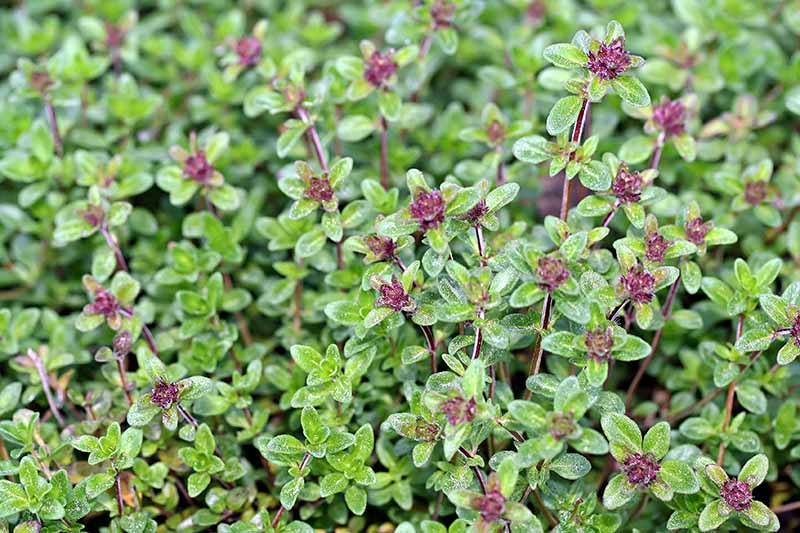
Lemon thyme (Thymus citriodorus) is a perennial evergreen subshrub, a hybrid of common thyme (Thymus vulgaris) and creeping thyme (Thymus pulegioides). Its name is a perfect description: it possesses the classic, earthy notes of thyme but is beautifully infused with a bright, citrusy aroma and flavor reminiscent of lemon. This duality makes it a favorite among chefs and home cooks alike. The plant typically grows to a height of 6 to 12 inches with a similar spread, forming a dense mat of small, oval leaves that are often a vibrant green, though some cultivars may have variegated foliage. Its flowers, which appear in late spring or early summer, are typically a pale pink or lilac, and they are a magnet for pollinators like bees and butterflies, further adding to the plant's value in a garden setting. The stems are woody at the base, becoming more herbaceous towards the tips, and the plant's overall form is lowgrowing and spreading, making it an excellent choice for ground cover, rock gardens, or container planting. The leaves are small, typically less than a centimeter long, and they release their powerful scent when bruised or crushed, which is why they are so effective in cooking. This plant is not just a culinary asset; it's also a highly ornamental one, providing texture and yearround color to the landscape, especially in milder climates where it remains evergreen. Its ability to tolerate a wide range of conditions, from full sun to partial shade and from dry soil to moderate moisture, makes it remarkably adaptable, but its absolute preference for certain conditions is what we will focus on to ensure optimal growth and flavor. The genus Thymus itself contains hundreds of species, each with its own unique characteristics, but Thymus citriodorus stands out for its unique and highly desirable flavor profile. Its resilience and relatively low maintenance requirements are what make it a musthave for any herb garden, whether you are a novice or a seasoned gardener. The aromatic compounds, primarily thymol and carvacrol, are what give thyme its characteristic scent and flavor, while the specific combination of these and other volatile oils in lemon thyme, including citral, is what creates the distinct lemon fragrance. This chemical composition is what makes the plant so useful both culinarily and medicinally, and it is a testament to its unique hybrid nature. The plant’s origins can be traced back to European regions, where it has been cultivated for centuries, not just for its culinary uses but also for its medicinal properties and as a decorative plant. This rich history is a testament to its enduring appeal and utility.
USDA Hardiness Zones for Lemon Thyme
The United States Department of Agriculture (USDA) Plant Hardiness Zone Map is the most critical tool for determining where a perennial plant can survive the winter. For lemon thyme, the general consensus is that it is hardy in USDA Zones 5 through 9. However, this is a broad range, and understanding the nuances within these zones is key. In Zone 5, which experiences winter lows of 20°F to 10°F (28.9°C to 23.3°C), lemon thyme will require significant winter protection. A thick layer of mulch, such as straw or pine needles, can help insulate the roots and prevent frost heave. Planting it in a location with good drainage is even more critical in colder zones, as wet, frozen soil can lead to root rot. In Zone 6, with lows of 10°F to 0°F (23.3°C to 17.8°C), the plant is more likely to survive with minimal to no protection, especially if it is planted in a sheltered spot, such as against a southfacing wall. As we move into Zone 7 (0°F to 10°F or 17.8°C to 12.2°C) and Zone 8 (10°F to 20°F or 12.2°C to 6.7°C), lemon thyme becomes much more reliable as a perennial, often remaining evergreen through the winter. Finally, in Zone 9 (20°F to 30°F or 6.7°C to 1.1°C), the plant will thrive yearround with no need for protection. It's important to remember that these zones are not an absolute guarantee; microclimates within your garden, such as areas sheltered from wind or exposed to more sun, can significantly impact a plant's ability to survive. For instance, a protected garden bed on a hill might have different characteristics than a lowlying area where cold air settles. The USDA zone system is a guide, not a rulebook, and local knowledge is invaluable. Always consider your specific garden's conditions. Furthermore, in zones colder than 5, such as Zone 4 or 3, it is possible to grow lemon thyme as an annual, or more effectively, to grow it in containers that can be brought indoors for the winter. This allows gardeners in colder climates to still enjoy the benefits of this wonderful herb without risking it to the harsh winter conditions. Bringing it inside to a sunny windowsill or under grow lights will ensure its survival and provide a source of fresh herbs even in the coldest months. The ability to adapt your gardening techniques to your specific location is what truly defines a successful gardener. This visual representation helps illustrate the geographical spread of these zones.
Choosing the Right Location: Sunlight and Soil
Once you've determined that your location falls within the appropriate lemon thyme growing zone, the next step is to choose the perfect spot in your garden. This is a sunloving plant that thrives on at least six hours of direct sunlight per day. Full sun is absolutely ideal, as it promotes compact growth, better flavor, and reduces the risk of fungal diseases. If you live in a region with extremely hot summers, some afternoon shade can be beneficial to prevent the plant from scorching, but in most cases, more sun is better. The more sun it gets, the more concentrated its essential oils will become, leading to a stronger, more fragrant flavor. As for the soil, lemon thyme is not particularly picky, but it absolutely demands excellent drainage. This is perhaps the single most important factor for its health and longevity. It will not tolerate "wet feet," which means a soggy, waterlogged soil will quickly lead to root rot, a common killer of thyme plants. A sandy or gravelly soil is perfect, mimicking its native Mediterranean habitat. If your garden has heavy clay soil, I highly recommend amending it with sand, perlite, or compost to improve its texture and drainage. Creating a raised bed or planting on a slight slope can also help with drainage. The soil pH is also important, and lemon thyme prefers a slightly alkaline to neutral pH, typically between 6.0 and 8.0. You can perform a simple soil test to determine your pH and amend it with lime if necessary to raise the pH, or with peat moss to lower it. Avoid overfertilizing, as this can lead to leggy, weak growth and a less concentrated flavor. A single application of a balanced, allpurpose fertilizer in the spring is usually sufficient. In fact, many gardeners find that no fertilizer is needed at all, as the plant thrives in relatively poor, welldraining soil. This lowmaintenance aspect is another reason why it's such a popular choice. The combination of full sun and excellent drainage is the golden rule for growing lemon thyme, and adhering to this will solve 90% of the potential problems you might encounter. The plant's deep roots, while not extensive, are highly adapted to seeking out moisture in arid conditions, but they are also very susceptible to waterlogging. Therefore, the phrase "less is more" applies perfectly to watering lemon thyme. A welldrained site is also crucial for preventing a host of fungal diseases that thrive in moist environments. Providing these optimal conditions from the very beginning will set your plant up for a long and productive life.
Planting and Propagation Techniques
Planting lemon thyme is a straightforward process, but following a few key steps can ensure a strong start. The best time to plant is in the spring after the last frost has passed. If you are planting from a nursery pot, gently loosen the roots before placing the plant in the ground. Dig a hole that is twice as wide as the root ball and just as deep. The top of the root ball should be level with the surrounding soil. Backfill the hole, gently patting the soil around the base of the plant to remove any air pockets. Water it thoroughly after planting to help the soil settle. One of the great things about lemon thyme is how easily it can be propagated, allowing you to create more plants for free. I do this all the time to fill in empty spaces in my garden or to share with friends. The most common and successful methods are division and stem cuttings.
Propagation by Division
This is the easiest method and is best done in the spring or early fall. Simply dig up a mature plant, gently shake off excess soil to expose the roots, and use a sharp knife or spade to divide the plant into smaller clumps. Each new clump should have a healthy portion of roots and stems. Replant the divisions immediately and water them well. This method is also a great way to rejuvenate older, woody plants. Over time, the center of a mature thyme plant can become woody and less productive. Dividing it helps to encourage new, vigorous growth.
Propagation by Stem Cuttings
Taking stem cuttings is another simple and effective method. In late spring or early summer, take a 3 to 4inch cutting from a healthy, nonflowering stem. Remove the leaves from the bottom inch of the cutting and dip the cut end in rooting hormone powder, although this is not always necessary as thyme roots quite easily on its own. Place the cutting in a pot filled with a welldraining medium, such as a mix of perlite and sand. Keep the soil consistently moist but not soggy and place the pot in a bright, indirect light location. The cuttings should root within a few weeks. Once they have a strong root system, they can be transplanted into the garden. This method is particularly useful for propagating specific cultivars or for creating a large number of new plants from a single parent plant. The success rate for stem cuttings is very high, making it a reliable method for expanding your lemon thyme collection.
Essential Care and Maintenance for Lemon Thyme

Once your lemon thyme is established, its care requirements are minimal, but a few simple practices will ensure it remains healthy and productive for years to come. From my perspective, a lowmaintenance herb is a happy herb. I do not believe in coddling my plants, and from my experience, lemon thyme thrives on a bit of benign neglect. I recommend you apply the same approach. We can achieve this through proper watering, pruning, and pest management.
Watering Your Lemon Thyme
As mentioned before, lemon thyme is highly droughttolerant and sensitive to overwatering. The rule of thumb is to let the soil dry out completely between waterings. In its first year, while the plant is establishing its root system, it may require more frequent watering, especially during dry spells. However, once established, it rarely needs supplemental watering unless you are experiencing a prolonged drought. In fact, overwatering is the most common reason for lemon thyme failure. It's much easier to save an underwatered plant than an overwatered one. The leaves may start to shrivel or turn a grayishgreen color when the plant is thirsty, which is your cue to water. Always check the soil moisture with your finger before you water. If it feels dry an inch or two below the surface, it’s time to water. But if it’s still moist, hold off. In a container, it will likely need more frequent watering, as containers tend to dry out more quickly than garden beds, especially in the sun. However, the same rule applies: check the soil moisture before watering. Ensuring your container has a drainage hole is absolutely nonnegotiable.
Pruning and Harvesting for Optimal Growth
Regular pruning is not only essential for maintaining a tidy, compact plant but also for encouraging new, flavorful growth. I do it often throughout the growing season. I recommend you do the same. A light pruning is more beneficial than a heavy one. Simply snip off the top few inches of the stems, especially after the plant has flowered. This prevents the plant from becoming woody and leggy and encourages it to bush out, creating a denser, more attractive form. The best time to harvest is in the morning after the dew has dried but before the sun is at its peak, as the essential oils are most concentrated at this time. You can harvest up to a third of the plant at a time without causing it stress. You can use the fresh leaves immediately or dry them for later use. To dry lemon thyme, simply tie the stems in small bundles and hang them in a wellventilated, shady location. Once the leaves are brittle, you can strip them from the stems and store them in an airtight container. The flavor of dried lemon thyme is more concentrated than fresh, so use it sparingly in your cooking. The act of pruning and harvesting can be one and the same, as you can simply harvest sprigs for use in your kitchen. This constant, light harvesting will keep your plant in prime condition, preventing it from putting all its energy into flowering and instead redirecting it to producing more foliage. This is a practice I have found to be highly effective. The flowers are edible, by the way, and can be used as a garnish, adding a touch of color and a mild thyme flavor to salads and other dishes. So, don't feel bad about letting some of it flower before you harvest; the bees will thank you, and you can enjoy the decorative and culinary benefits of the blooms.
Common Pests and Diseases
Lemon thyme is a remarkably resilient plant, but it's not entirely immune to pests and diseases. The most common issues are usually related to overwatering. As I mentioned, too much moisture can lead to fungal diseases like root rot and gray mold (Botrytis). These can be prevented by ensuring good air circulation and, most importantly, by planting in welldraining soil and not overwatering. Pests are not a frequent problem, as the aromatic oils in the plant tend to deter many insects. However, mealybugs or spider mites can occasionally be an issue, especially in hot, dry conditions or when the plant is stressed. They can be controlled with a strong spray of water or by applying an insecticidal soap. I do not recommend using harsh chemical pesticides, as they can harm beneficial insects and the environment. From my experience, a simple, consistent approach to plant health, starting with proper location and watering, is the best way to prevent most problems before they even start.
Culinary and Medicinal Uses of Lemon Thyme
Lemon thyme is a powerhouse in the kitchen, offering a unique and bright flavor that can elevate a wide range of dishes. Its versatility is what makes it a musthave in my garden. I do not cook a week without it. I recommend you experiment with it in different ways. We will explore some of the most popular uses and recipes that highlight its unique flavor profile. Its flavor is a perfect blend of earthy and bright, and it pairs beautifully with chicken, fish, and vegetables. It is also an excellent addition to marinades, salad dressings, and soups. The lemon notes are particularly good with roasted chicken or fish, as they cut through the richness and add a refreshing zest. You can also use it to infuse oils or vinegars, creating your own homemade condiments. A simple lemon thyme syrup can be used to flavor cocktails, iced tea, or lemonade, providing a sophisticated and aromatic twist. From my experience, the key to using lemon thyme in cooking is to add it towards the end of the cooking process, as prolonged heat can diminish its delicate flavor. However, it also holds up well to slow cooking, and can be added to stews or roasts to impart a deep, subtle flavor. Its aromatic oils are not just for flavor; they also have a history of medicinal use. Thyme has long been used as an antiseptic and a remedy for coughs and sore throats. A simple tea made from fresh lemon thyme leaves can be a soothing and flavorful remedy for respiratory ailments. The plant's compounds, particularly thymol, have been shown to have antimicrobial properties, making it a valuable addition to any home apothecary. But beyond its practical uses, the simple act of walking through a garden and brushing against a lemon thyme plant, releasing its vibrant scent, is a joy in itself. It is a sensory experience that enriches the garden and the gardener. The plant's versatility and resilience make it a true garden workhorse, providing yearround beauty, flavor, and fragrance.
Growing Lemon Thyme in Containers
For those in colder climates or with limited garden space, growing lemon thyme in a container is an excellent solution. I do this regularly for friends who live in apartments. I recommend a terra cotta pot, as it is porous and helps with drainage, which is crucial for thyme. We will outline the steps to ensure success.
Selecting the Right Container and Soil
Choose a container that has at least one drainage hole. A pot that is 8 to 12 inches in diameter is a good size for a single plant. Use a highquality potting mix that is formulated for containers, and consider adding some perlite or sand to improve drainage even further. Do not use soil from your garden, as it can be too heavy and may contain pests or diseases. The goal is to replicate the welldraining conditions that the plant loves in the ground.
Placement and Winter Care for ContainerGrown Lemon Thyme
Place the container in a location that receives full sun, just as you would in the garden. In zones colder than 5, the container will need to be brought indoors for the winter. Before the first hard frost, move the pot to a cool, sunny location, such as a garage or an unheated porch. You can also bring it inside to a sunny windowsill. Watering should be reduced significantly during the winter, as the plant will be in a state of semidormancy. Water sparingly, just enough to prevent the soil from drying out completely. I do not recommend leaving the container outside in a cold climate, as the repeated freezing and thawing can damage the roots. This simple act of protection will allow you to enjoy your lemon thyme year after year, regardless of your climate.
The We Form A Comprehensive Guide to Growing Lemon Thyme
We believe that cultivating a thriving garden is a rewarding endeavor, and with the right knowledge, anyone can successfully grow the wonderful herb known as lemon thyme (Thymus citriodorus). Our comprehensive guide delves into every aspect of its cultivation, from understanding its ideal habitat to ensuring its longterm health and productivity. We aim to provide a detailed, authoritative resource that will empower both novice and experienced gardeners.
Identifying the Ideal Habitat and Climate for Lemon Thyme
To successfully cultivate lemon thyme, it is paramount to first understand its native habitat and how we can replicate those conditions in our gardens. This resilient perennial thrives in the Mediterranean region, which is characterized by its hot, dry summers and mild, wet winters. This geographical context informs us of its fundamental needs: a preference for full sun and a high tolerance for drought. As gardeners, we must strive to provide an environment that mirrors these conditions as closely as possible. We find that the plant's unique ability to flourish in rocky, nutrientpoor soil is a direct result of its evolution in these arid landscapes. Therefore, we should not attempt to overfertilize or plant it in rich, loamy soil, which can lead to weak growth and susceptibility to disease. Instead, we must focus on providing the two most critical factors: adequate sunlight and impeccable drainage.
Lemon Thyme Growing Zones: A Detailed Breakdown
The USDA Plant Hardiness Zone Map is our most reliable tool for determining the longterm viability of lemon thyme in various climates. We have found that this plant is reliably hardy in USDA Zones 5 through 9. However, we recognize that a simple number can sometimes be misleading. Therefore, we will provide a more granular understanding of what this means for gardeners in each of these zones.
Growing Lemon Thyme in Cold Climates (Zones 5 and 6)
For those of us in Zone 5, which can experience winter temperatures as low as 20°F (28.9°C), we must take proactive measures to ensure our lemon thyme survives the winter. We recommend planting it in a sheltered location, perhaps against a southfacing wall that provides thermal mass and protection from harsh winds. A generous layer of organic mulch, such as straw, shredded leaves, or evergreen boughs, is absolutely essential. This mulch not only insulates the roots from extreme cold but also helps to prevent frost heave, a phenomenon where the soil freezes and thaws repeatedly, pushing the plant out of the ground and exposing its delicate root system to the elements. We have found that planting in a raised bed or on a slope is also highly beneficial, as it ensures superior drainage, which is crucial for preventing root rot in the cold, wet months. In Zone 6, where winter lows are slightly milder, ranging from 10°F to 0°F (23.3°C to 17.8°C), the plant is more likely to survive with minimal or no protection, especially if it is a wellestablished specimen. We still advise a light layer of mulch as a precautionary measure, especially for new plants. The key to success in these colder zones is not to overwater in the fall, as this can leave the plant vulnerable to winter damage. We must allow the soil to dry out as the season progresses, which signals to the plant that it is time to prepare for dormancy.
Cultivating Lemon Thyme in Moderate Climates (Zones 7 and 8)
In Zones 7 (0°F to 10°F or 17.8°C to 12.2°C) and 8 (10°F to 20°F or 12.2°C to 6.7°C), lemon thyme is a true perennial and will reliably return year after year. In fact, we often see it remain evergreen through the winter in these zones. We find that the only real challenge here is providing a location with adequate drainage, as these regions can experience significant rainfall. We do not need to provide winter protection, and the plant will thrive with minimal intervention. We can focus our efforts on regular pruning to maintain a tidy form and to encourage new growth. The mild winters in these zones make it possible to enjoy fresh lemon thyme yearround, as the plant does not enter a deep state of dormancy. The plant's ability to withstand these mild winters is a testament to its hardiness and adaptability. We have also observed that in these zones, the flavor and aroma of the plant are particularly potent, likely due to the perfect balance of sun and mild temperatures.
Lemon Thyme in Warm Climates (Zone 9)
In Zone 9, with winter lows of 20°F to 30°F (6.7°C to 1.1°C), lemon thyme will flourish as a true evergreen. We find that the primary concern in these warmer zones is not the cold but the intense summer heat and humidity. While the plant can tolerate full sun, we may need to provide some afternoon shade to prevent scorching and to reduce water stress. We also recommend a site with excellent air circulation to mitigate the risk of fungal diseases that can proliferate in humid conditions. The plant will continue to grow throughout the year, so we must be diligent with regular harvesting and pruning to prevent it from becoming woody and unproductive. We believe that proper care in these climates is all about managing the extremes of heat and humidity, rather than the cold.
Soil and Sunlight: The Cornerstones of Successful Cultivation
We cannot overstate the importance of selecting the right site for your lemon thyme. The success of the plant hinges on two fundamental requirements: sunlight and drainage. We will elaborate on each of these in detail.
The Critical Role of Sunlight
We have found that lemon thyme thrives in full sun. A minimum of six hours of direct sunlight per day is essential for optimal growth. Sun exposure promotes the development of the essential oils that give the plant its characteristic aroma and flavor. A plant grown in insufficient light will become leggy, with sparse foliage, and its flavor will be weak and lackluster. We recommend a location that receives full morning sun and, if possible, some afternoon sun. In regions with very hot summers, we may provide some dappled shade during the hottest part of the day to prevent the leaves from scorching, but in most cases, more sun is always better. The plant's small leaves and compact growth habit are evolutionary adaptations to bright, sunny conditions, and we must honor this in our planting choices. The quality of the light is just as important as the quantity; a bright, unobstructed southern exposure is ideal. We have observed a direct correlation between the amount of sun a lemon thyme plant receives and the intensity of its flavor and fragrance.
The NonNegotiable Need for Excellent Drainage
If we could only give one piece of advice for growing lemon thyme, it would be to ensure impeccable soil drainage. The plant is highly susceptible to root rot, a fungal disease that can quickly kill it. We find that the ideal soil for lemon thyme is a sandy, gravelly, or loamy soil with a neutral to slightly alkaline pH (6.08.0). If our garden soil is heavy clay, we must amend it significantly. We recommend incorporating liberal amounts of coarse sand, perlite, or grit into the soil to improve its structure and permeability. Creating a raised bed is another highly effective strategy, as it allows us to control the soil composition and ensures that excess water drains away from the root zone. We do not recommend planting lemon thyme in lowlying areas where water tends to collect after rain. We must remember that the plant's roots are adapted to seeking moisture in dry conditions, not to sitting in stagnant water. When we water, we must do so deeply but infrequently, allowing the soil to dry out completely between waterings. This practice mimics the natural cycles of its native environment and encourages the roots to grow deeper, making the plant more resilient to drought. The presence of a fastdraining soil is the single most important factor for the plant's longterm survival, and we have seen many a thyme plant fail due to poor drainage alone.
Planting and Propagation: Expanding Our Garden
We believe that planting and propagating lemon thyme should be a straightforward and enjoyable process. We have found that the most successful methods are planting from nursery stock and propagating through division and stem cuttings. We will outline the best practices for each method.
When planting a new lemon thyme plant from a nursery pot, we must first prepare the site. We dig a hole that is twice as wide as the root ball and just as deep. We gently loosen the roots to encourage them to grow outward into the new soil. We position the plant in the hole so that the top of the root ball is level with the surrounding soil. We then backfill the hole, gently firming the soil to eliminate air pockets. We water the plant thoroughly after planting to help it settle in. We find that planting in the spring, after the last frost, gives the plant a full growing season to establish itself before the challenges of winter.
For propagation by division, we find that the best time is in the spring or fall. We simply dig up a mature plant, separate it into smaller clumps with a sharp knife or spade, ensuring each clump has a healthy portion of roots, and replant them immediately. This is an excellent way to rejuvenate older, woody plants and to get new plants for free. We also find that this process helps to manage the size and shape of larger plants.
For propagation by stem cuttings, we take 3 to 4inch cuttings from the new growth in late spring or early summer. We remove the leaves from the bottom inch of the stem and place the cutting in a welldraining medium, such as a mix of perlite and sand. We keep the medium consistently moist and place the pot in a bright, indirect light location. We have a high success rate with this method, and we find it is an excellent way to create a large number of new plants from a single, favorite specimen. We do not find rooting hormone necessary, as lemon thyme is very eager to root on its own.
Care and Maintenance: Sustaining Our Lemon Thyme
We find that once established, lemon thyme is a remarkably lowmaintenance plant. Our care regimen is focused on ensuring the plant’s longevity and productivity through proper watering, pruning, and pest management.
Watering Regimen
We have a strict watering policy for our lemon thyme: we only water when the soil is completely dry. We believe this is the most critical aspect of its care. Overwatering is the number one cause of plant failure, and we must resist the urge to water too frequently. We check the soil moisture by inserting a finger an inch or two into the soil; if it feels dry, we water. If it feels moist, we wait. This simple practice will save you from the heartbreak of losing your plant to root rot. While the plant is establishing itself in its first year, it may require more frequent watering, but once its root system is established, it is highly droughttolerant. In a container, it will require more frequent watering, but the same rule of waiting for the soil to dry out applies. We always ensure our containers have adequate drainage holes.
Pruning and Harvesting: The Art of Abundance
We consider regular pruning and harvesting to be essential for the health and vitality of our lemon thyme. We recommend a light pruning throughout the growing season to encourage a dense, bushy habit and to prevent the plant from becoming woody and leggy. We simply snip off the top few inches of the stems. This practice, known as tip pruning, redirects the plant's energy from vertical growth to horizontal branching, resulting in a more compact and productive plant. The best time to harvest for peak flavor is in the morning after the dew has dried. We harvest by cutting entire sprigs, leaving at least a third of the plant intact. We find that this regular, light harvesting acts as a form of continuous pruning, keeping the plant in prime condition. The flowers, which appear in late spring, are also edible and add a beautiful touch to salads and dishes. We do not find it necessary to remove all the flowers, as they are highly beneficial to pollinators.
Pest and Disease Management
We have found that lemon thyme is generally resistant to most pests and diseases. The strong aromatic oils in the foliage act as a natural deterrent. We occasionally encounter issues with mealybugs or spider mites, especially on stressed plants. We find that these can be easily managed with a strong spray of water or by applying an insecticidal soap. We do not recommend the use of harsh chemical pesticides, as they can harm beneficial insects and are not necessary for a plant that is so naturally resistant. We believe that the best defense against pests and diseases is to ensure the plant is healthy and vigorous from the start by providing it with the right amount of sun, proper drainage, and good air circulation. A healthy plant is a happy plant, and a happy plant is much better at fending off problems on its own.
Culinary and Medicinal Versatility of Lemon Thyme
We believe that no garden is complete without lemon thyme, and its versatility in the kitchen is a testament to this. Its unique flavor profile, a perfect fusion of earthy thyme and bright lemon, makes it an indispensable ingredient. We have used it to elevate everything from roasted chicken and fish to marinades and salad dressings. We find that the key to using it in cooking is to add it towards the end to preserve its delicate flavor, although it can also be added to slowcooked dishes for a deeper, more subtle taste. We love to use it to infuse oils and vinegars, and we find that a simple lemon thyme syrup is a fantastic addition to cocktails and beverages.
Beyond the kitchen, we recognize the plant's long history of medicinal use. We know that the compounds found in thyme, particularly thymol, have been used for their antiseptic and antimicrobial properties. We have made soothing teas from fresh lemon thyme to help with coughs and sore throats, and we find it to be a gentle and effective remedy. The plant is a reminder that nature provides us with both beauty and utility, and we believe it is our role as gardeners to appreciate and cultivate both.
We have provided a comprehensive guide to growing lemon thyme, and we trust that with this information, you will be able to cultivate a beautiful and productive plant that will bring you joy for many years to come.


Comments
Post a Comment