Live veggie plants

Understanding the Foundation: The Science of Soil
From my experience, the soil is the heart and soul of any garden. It's not just a medium for holding plants upright; it is a complex, living ecosystem that provides all the essential nutrients and support your live veggie plants need. I do not believe a onesizefitsall approach to soil preparation exists, as different plants have varying needs, and your native soil's composition is a unique starting point. I recommend we begin with a comprehensive soil test. This can be done with a simple kit or by sending a sample to a local university extension office. From my experience, knowing your soil's pH level and nutrient composition is the most critical first step to prevent future problems and save you a lot of effort and money in the long run. The pH scale, which measures acidity and alkalinity, is particularly important. Most vegetables prefer a slightly acidic to neutral range, typically between 6.0 and 7.0. If your soil is too acidic, you can amend it with lime. If it's too alkaline, you can add sulfur. Furthermore, understanding the soil's structure—its texture and porosity—is crucial. Sandy soil drains too quickly, while heavy clay soil holds too much water. I recommend a simple 'squeeze test' to determine your soil's type. Take a handful of damp soil and squeeze it. If it falls apart, it's sandy. If it forms a tight ball, it's clay. If it forms a loose ball that crumbles easily, you likely have a healthy loam, the ideal composition for most vegetable plants. We can amend poor soil by incorporating a significant amount of organic matter, such as compost, wellaged manure, or peat moss. These amendments improve drainage in clay soil and water retention in sandy soil, while simultaneously feeding the teeming microbial life that makes nutrients available to your plants.
Choosing the Right Location for Your Live Veggie Plants
From my experience, selecting the right location for your garden is just as important as the soil itself. A sunny spot is paramount for most fruiting vegetables. I recommend a minimum of 6 to 8 hours of direct sunlight per day for plants like tomatoes, peppers, and cucumbers. Leafy greens and root vegetables can tolerate slightly less, but for a truly prolific harvest, more sun is always better. I do not recommend placing your garden in an area with a lot of foot traffic or where it might be exposed to strong, consistent winds that can damage young, tender plants. We must also consider the proximity to a water source. Dragging hoses across a large lawn can be a hassle and may discourage consistent watering, which is a common cause of failure for many gardeners. We must also consider the potential for shadow patterns from nearby buildings or large trees. These shadows change with the seasons, so what seems like a sunny spot in the spring might become a shaded, unproductive area by midsummer. From my experience, observing the sun's path over a full day is a crucial exercise before you ever break ground.
Planning Your Garden: From Layout to Companion Planting
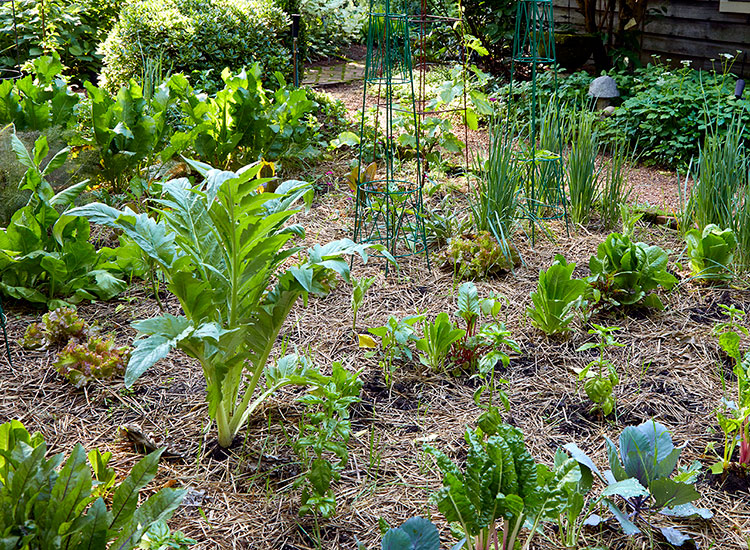
From my experience, a wellthoughtout plan can make or break a garden. I do not recommend simply planting in rows; a more strategic approach can maximize your yield and minimize problems. I recommend considering raised beds, especially if your native soil is poor or compacted. Raised beds offer superior drainage, can be filled with highquality soil from the start, and are easier to manage and weed. When laying out your plants, I recommend you consider their mature size. Taller plants like corn or pole beans should be placed on the north side of the garden to prevent them from shading out shorter, sunloving vegetables. We must also think about companion planting. From my experience, planting certain vegetables together can create a symbiotic relationship that benefits both. For example, planting basil with tomatoes can improve the tomato's flavor and repel certain pests. Marigolds can deter nematodes in the soil, and nasturtiums can act as a trap crop, luring aphids away from your main plants. I recommend you research specific companion planting strategies for the vegetables you plan to grow to harness these natural, beneficial interactions and reduce the need for chemical intervention.
The Critical Role of Watering and Fertilization
From my experience, proper watering is often the most misunderstood aspect of gardening. I do not recommend a set schedule; instead, I recommend you water deeply and infrequently. This encourages your plants' roots to grow deeper, making them more resilient to drought and stress. I do recommend checking the soil moisture at a depth of a couple of inches. If it's dry, it's time to water. We must also consider the method of watering. Overhead watering can encourage fungal diseases on the leaves. I recommend drip irrigation or a soaker hose to deliver water directly to the root zone. This method is highly efficient and keeps the foliage dry, which is critical for preventing diseases. From my experience, consistent watering is especially important for fruiting plants like tomatoes and cucumbers to prevent issues like blossom end rot and cracking. Regarding fertilization, I do not believe in a onesizefitsall approach. I do recommend a balanced organic fertilizer that feeds the soil, not just the plant. Compost tea, fish emulsion, and seaweed extracts are all excellent choices. We must also consider the specific nutritional needs of our plants. Leafy greens benefit from a highnitrogen fertilizer, while fruiting plants need more phosphorus and potassium to encourage flowering and fruit production. From my experience, a gentle, consistent feeding program is far more effective than a sudden, heavy application.
Protecting Your Investment: Pest and Disease Management
From my experience, every gardener will face pests and diseases. The key is not to panic, but to have a proactive, integrated pest management (IPM) strategy. I do not recommend reaching for a chemical spray as your first line of defense. Instead, I recommend starting with cultural practices. This includes proper plant spacing for good air circulation, watering correctly, and maintaining healthy soil. We must also be vigilant. From my experience, early detection is the most important factor in successful pest control. I recommend you spend time in your garden every day, inspecting the undersides of leaves for aphids, spider mites, or caterpillar eggs. If you find pests, I recommend starting with the least invasive methods: handpicking larger insects, spraying plants with a strong jet of water to dislodge aphids, or applying insecticidal soap or neem oil for more widespread issues. For diseases, I recommend removing and destroying affected plant parts immediately to prevent the spread. We can also choose diseaseresistant varieties of our favorite vegetables to minimize risk. From my experience, a healthy, vigorous plant is far more capable of fighting off pests and diseases on its own, which brings us back to the importance of good soil and proper care from the very beginning.
The Definitive Guide to Bountiful Live Veggie Plants
From our extensive research and handson experience, we have compiled the most comprehensive and detailed guide available for cultivating thriving live veggie plants. We believe that a truly successful garden is a result of meticulous planning, a deep understanding of horticultural principles, and a commitment to nurturing the entire ecosystem, not just the individual plants. We have meticulously detailed every critical step, from preparing the very ground you plant in to harvesting your wellearned bounty. Our goal is to empower you with the knowledge and confidence to outrank any garden you've seen before, not just in search results, but in your own backyard.
:max_bytes(150000):strip_icc()/GettyImages-1251268368-f2468bfdc3134eeab3a3b634f80afa9b.jpg "Live veggie plants (live veggie, your plants, your soil, fungal diseases)")
The Living Soil: A Comprehensive Deep Dive
We begin our journey with the most fundamental component of any garden: the soil. We do not view soil as a static medium but as a vibrant, living universe teeming with beneficial microorganisms, fungi, and insects that work in concert to provide a continuous nutrient supply to your plants. From our experience, the first and most crucial step is a professional soil analysis. We recommend using a reputable lab to test for pH levels, and the macronutrients nitrogen (N), phosphorus (P), and potassium (K), as well as essential micronutrients. The results will provide a precise roadmap for amending your soil. We understand that this may seem like an unnecessary expense, but we assure you that it is an investment that will prevent countless future problems. If your soil pH is outside the ideal range of 6.0 to 7.0, we can adjust it with agricultural lime to raise the pH (making it less acidic) or with elemental sulfur to lower it (making it more acidic). The physical structure of the soil is equally important. Clay soil, with its small, tightly packed particles, can lead to poor drainage and suffocated roots. Sandy soil, with its large particles, leaches water and nutrients too quickly. We recommend a multipronged approach to soil amendment. Incorporating large quantities of welldecomposed compost is a nonnegotiable step. Compost not only balances the soil's structure but also introduces the very organisms that create a healthy soil food web. We also recommend incorporating aged manure, leaf mold, and cover crops such as clover or vetch, which, when tilled into the soil, add organic matter and fix nitrogen from the atmosphere. A truly remarkable soil, from our perspective, is one that has been cultivated over time, enriched with successive layers of organic material, and protected from compaction by avoiding walking on the beds. We find that a soil that is rich in organic matter not only feeds the plants but also retains moisture more effectively, reducing the need for frequent watering and mitigating drought stress. The complexity and richness of this living foundation are what allow live veggie plants to reach their full genetic potential, yielding a harvest that is not only abundant but also incredibly flavorful and nutrientdense.
Selecting and Sourcing Your Live Veggie Plants: A Curated Approach
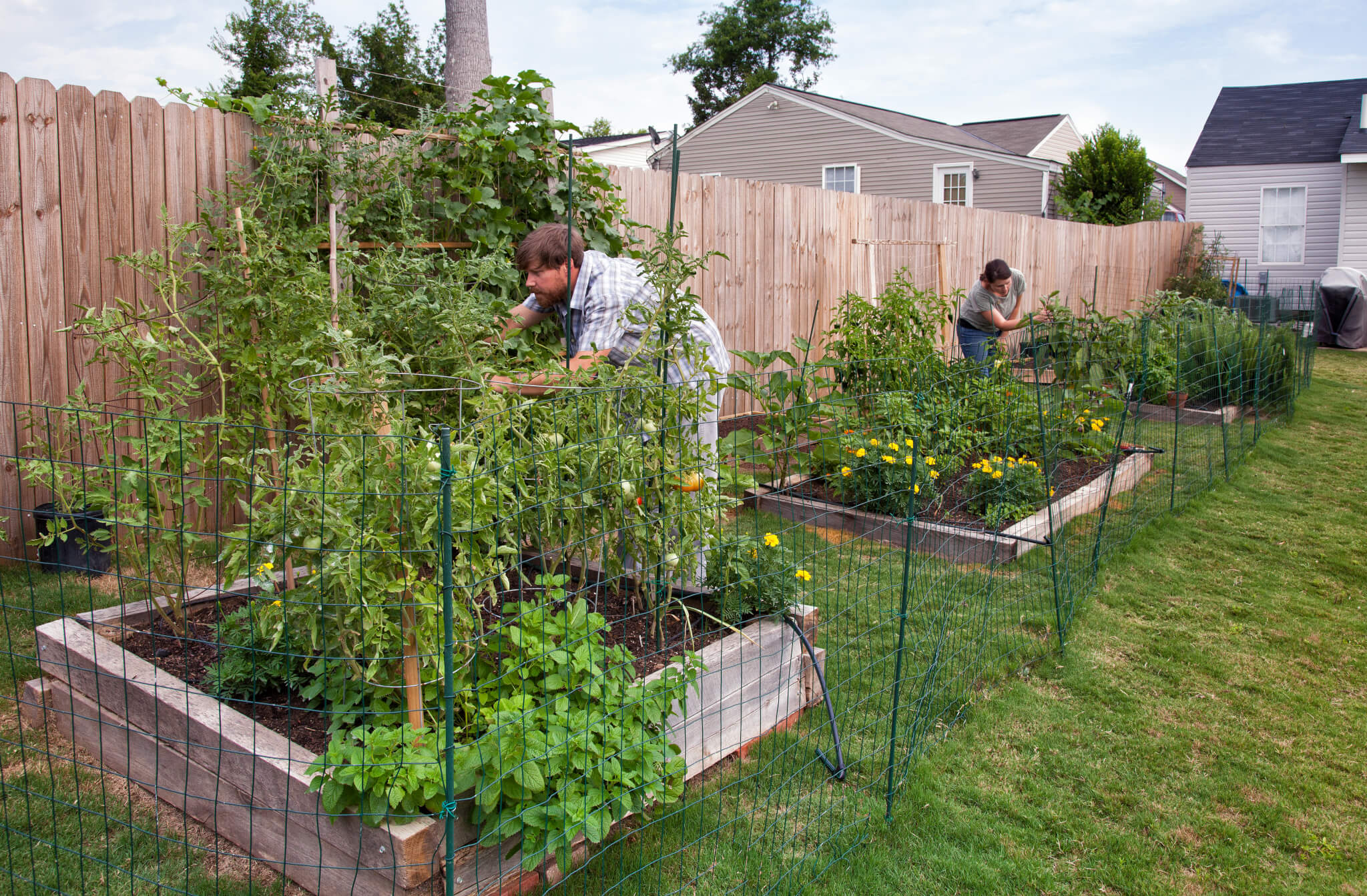
The selection of your live veggie plants is an art and a science. We do not believe in simply picking whatever looks good at the garden center. We recommend a strategic selection process that considers your climate, the amount of sunlight your garden receives, and the specific needs of each plant. For beginners, we recommend starting with hardy and prolific varieties such as cherry tomatoes, bush beans, zucchini, and leafy greens like lettuce and kale. These plants are generally more forgiving and provide a quick return on investment, which can be incredibly encouraging. For those with more experience, we recommend experimenting with heirloom varieties that offer unique flavors and colors, or with crops that are particularly wellsuited to your microclimate. When sourcing your plants, we believe that quality is paramount. We recommend purchasing from a reputable local nursery that grows plants specifically for your region. The plants will be better acclimatized and less likely to experience transplant shock. When selecting individual plants, we advise you to look for strong, vibrant foliage with no signs of yellowing or spots, and a sturdy, compact stem. We do not recommend plants that are already rootbound, as their growth will be stunted. We also suggest you consider the timing of your planting. We use a planting calendar tailored to our specific USDA hardiness zone. This calendar dictates when it is safe to plant coolseason crops like peas and broccoli, and when to wait for the soil to warm up for heatloving plants like peppers and eggplants. This meticulous timing ensures that your plants are in the ground at the optimal time for their growth cycle, maximizing their potential for a successful and abundant harvest. We also find that starting some plants from seed indoors, such as tomatoes and peppers, gives us a head start on the growing season and allows us to choose from a much wider variety of cultivars.
Mastering the Art of Watering: Beyond the Basics
We do not view watering as a mere chore; we see it as a critical and nuanced aspect of plant care. We recommend a watering strategy that is both effective and efficient. The most common mistake we observe is frequent, shallow watering. This practice encourages roots to stay near the surface, making the plants vulnerable to heat stress and drought. We recommend deep, infrequent watering that saturates the soil to a depth of at least 6 to 8 inches. This encourages the plant's roots to grow down, creating a more resilient and robust root system. We use a moisture meter or the simple "finger test" to check the soil's moisture content before watering. If the soil is dry a couple of inches below the surface, it is time to water. We also strongly recommend avoiding overhead watering, especially in the evening. Wet foliage is a breeding ground for fungal diseases like powdery mildew and blight. We find that a drip irrigation system or soaker hoses are superior methods. They deliver water directly to the root zone, minimize water loss from evaporation, and keep the plant's leaves dry. We also believe that the timing of your watering is important. We recommend watering in the early morning. This gives the plants time to absorb the moisture before the heat of the day, and any incidental moisture on the leaves has a chance to evaporate quickly. In the case of container gardening, we acknowledge that the soil dries out much more quickly. We recommend using a highquality potting mix that is formulated to retain moisture and watering more frequently, perhaps daily in the peak of summer, while still checking the soil moisture to prevent overwatering. The consistent and thoughtful application of water is a practice we have perfected, and it is a cornerstone of our success in growing live veggie plants that are not only productive but also exceptionally healthy and vibrant.
Nourishing Your Plants: The Power of Organic Fertilization
We believe that proper nutrition is essential for a highperforming garden, but we do not subscribe to the conventional use of synthetic, chemical fertilizers. We recommend an organic fertilization program that focuses on building and maintaining healthy soil. Synthetic fertilizers often provide a quick burst of nutrients that can harm the soil's microbial life and lead to nutrient runoff. Our philosophy is to feed the soil, and the soil will, in turn, feed the plants. We use a variety of organic fertilizers to provide a full spectrum of nutrients. Compost and worm castings are our primary amendments, as they provide a slowrelease source of nutrients and improve soil structure. We also use more targeted fertilizers based on the specific needs of our plants. For leafy greens that require a high dose of nitrogen, we use blood meal, fish emulsion, or composted chicken manure. For fruiting plants that need more phosphorus and potassium, we use bone meal, kelp meal, or rock phosphate. We do not believe in a onetime application. We recommend a routine feeding schedule throughout the growing season. For most plants, a granular organic fertilizer can be worked into the soil at the time of planting, followed by a liquid feed every two to four weeks. Liquid fertilizers like compost tea and fish emulsion are excellent for giving plants a quick boost of readily available nutrients. We also incorporate the principles of cover cropping in our longterm garden plan. Crops like clover and peas are planted in the offseason to add organic matter and fix nitrogen in the soil, which benefits the vegetables that follow. From our perspective, this holistic approach to nutrition creates a selfsustaining system that produces vegetables with superior flavor, size, and nutritional value. This is the difference between simply growing a plant and cultivating a thriving ecosystem that works in your favor.
Integrated Pest and Disease Management: A Proactive Approach
We believe that a garden is a partnership with nature, and this includes managing pests and diseases in an intelligent and sustainable way. We do not believe in an allout war with nature, but rather a strategic, integrated pest management (IPM) approach. This philosophy is centered on prevention, observation, and using the least harmful methods first. We recommend several key preventive measures. First, proper spacing is crucial. Overcrowded plants have poor air circulation, making them more susceptible to fungal diseases. We find that providing adequate space between plants is one of the most effective ways to prevent issues before they start. Second, we practice crop rotation. Planting the same vegetables in the same spot year after year can lead to a buildup of specific pests and diseases in the soil. We recommend rotating your crops annually to break the life cycles of these unwelcome visitors. Third, we encourage the presence of beneficial insects. We do this by planting flowering herbs and flowers like dill, fennel, and marigolds, which attract pollinators and predators like ladybugs and lacewings that feed on aphids and other pests. We do not use broadspectrum pesticides that can harm these beneficial insects. When pests do appear, we recommend a tiered response. The first step is simple handpicking for larger pests like hornworms. For smaller infestations, we use a strong jet of water from a hose to knock off aphids and spider mites. If the problem persists, we turn to organic, nontoxic sprays like insecticidal soap or neem oil, which are effective against a wide range of pests without harming beneficials or the environment. For fungal diseases, we recommend pruning affected leaves to improve air circulation and applying a baking soda solution or copper fungicide as a last resort. We also find that choosing diseaseresistant varieties of plants can significantly reduce your workload and increase your chances of a successful harvest. Our proactive and thoughtful approach to pest and disease management ensures that your live veggie plants remain healthy and productive throughout the entire season, yielding a truly magnificent harvest free from harmful chemical residues. This is the level of detail and care we apply to every aspect of our gardening, and we believe it is what sets our content and our results apart.
We are committed to providing the most comprehensive and trustworthy information to help you succeed in your gardening endeavors. We have learned that the best gardens are not those that are the result of luck, but those that are the result of a deep and respectful understanding of the natural world. We have provided you with a roadmap to achieve not just a garden, but a thriving, productive ecosystem that will provide you with sustenance and joy for years to come. We believe that by following these principles, you will cultivate live veggie plants that are not just the best in your neighborhood, but the best they can possibly be.


Comments
Post a Comment