Mint growth rate
Its vigorous growth isn’t a myth; it's a botanical reality that, when properly managed, can provide an almost endless supply of fresh, aromatic leaves. I do believe that understanding the intricate factors that influence the mint growth rate is the key to unlocking its full potential. This isn't just about sticking a cutting in the ground and hoping for the best. It's about a symbiotic relationship with a plant that, frankly, wants to grow and spread. My goal with this comprehensive guide is to empower you with the knowledge to not just grow mint, but to cultivate it with a level of expertise that ensures a consistent, highvolume harvest.
The Foundation of Explosive Growth: Understanding Mint's Unique Biology
Before we dive into the practical applications, it's crucial to appreciate the botanical underpinnings of mint’s legendary growth. The genus Mentha is characterized by its rhizomatous nature, meaning it spreads through underground stems called rhizomes. These rhizomes are essentially a network of subterranean highways, constantly pushing out new shoots and roots. This is the primary reason mint is so prolific. I recommend that any aspiring mint grower first internalize this fact. A mint plant isn't a single, stationary entity; it's an everexpanding colony. This inherent characteristic is what makes containment a primary concern for many gardeners, but for us, it's the very engine of our success. We will learn to harness this power, not fight against it.
From Seed to Splendor: The Early Stages of Mint's Life Cycle
While mint is most commonly propagated via cuttings or division, starting from seed is also an option, albeit a less common one due to the variability in germination and potential for crosspollination. If you do choose to sow seeds, you'll find that their initial growth is relatively slow. The focus during this phase is on establishing a strong, healthy root system. I recommend using a welldraining seedstarting mix and maintaining consistent moisture. A humidity dome can be incredibly useful to create the ideal microclimate for germination. Once the seedlings have their first set of true leaves, they can be thinned out. This early investment in a robust root structure is foundational to the rapid growth that follows. A weak root system in the beginning will inevitably stunt the plant's overall growth rate later on.
The Power of Propagation: Accelerating Mint Growth through Cuttings and Division
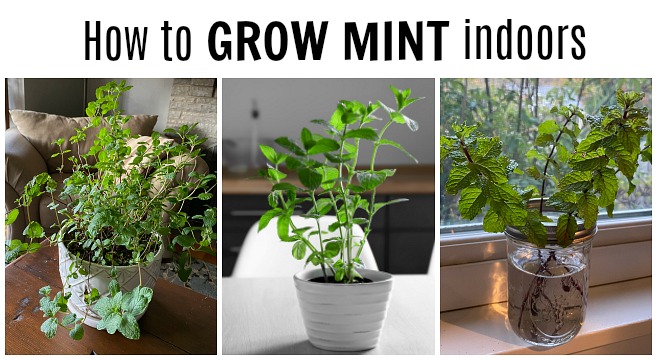
When it comes to achieving a rapid mint growth rate, propagation via cuttings is, without question, the most effective method. A cutting is essentially a clone of the parent plant, carrying all of its genetic vigor. I recommend taking cuttings from a healthy, mature plant, ensuring each cutting has at least a few leaf nodes. You can root these cuttings in water or directly in a moist soil mix. From my experience, rooting in water is a fun and visually satisfying process that allows you to see the roots develop, while rooting in soil often leads to a more seamless transition once the plant is established. Division, which involves physically splitting a mature plant's root ball, is another powerful technique. I do this regularly in my own garden to rejuvenate older, congested plants and to create new ones. It’s an act of both renewal and expansion, perfectly aligned with the mint’s nature.
The Environmental Cocktail: Key Factors for Optimal Mint Growth

Now that we understand the plant's core biology and propagation, we must turn our attention to the external factors. The environment in which your mint grows is the single biggest determinant of its ultimate growth rate and overall health. We will dissect each of these critical elements to ensure we're providing the absolute best possible conditions for our plants to thrive.
Soil: The Foundation for an Explosive Mint Growth Rate
The soil is not just a medium; it's a living ecosystem that supports your plant. For mint, a rich, loamy soil with excellent drainage is paramount. While mint is often described as tolerant, it absolutely thrives in conditions that are far from average. A slightly acidic to neutral pH (6.07.0) is ideal. I recommend amending your soil with a significant amount of compost or other organic matter. This provides a slowrelease source of nutrients and improves soil structure, which in turn enhances water retention while preventing waterlogging. I have seen plants in nutrientpoor, compacted soil struggle to grow, while those in a wellprepared bed exhibit explosive, almost unbelievable growth. The difference is night and day.
The Role of Soil Composition and Organic Matter
A simple soil test can be a gamechanger. I recommend using a home test kit to get a baseline understanding of your soil's pH and nutrient content. If your soil is too alkaline, adding peat moss or sulfur can help lower the pH. If it's too sandy, adding compost or wellrotted manure will increase its ability to hold moisture and nutrients. From my experience, a good rule of thumb is to incorporate at least a 3inch layer of highquality compost into the top 6 inches of soil before planting. This initial effort pays dividends for years to come, as the organic matter continues to break down and enrich the soil.
Choosing the Right Container: Managing Mint’s Aggressive Nature
Given mint’s propensity to spread, containment is a vital part of cultivating it. I do not recommend planting mint directly into an open garden bed unless you are prepared for it to take over. Instead, I suggest planting it in a container. A large pot with ample drainage is an excellent choice. The size of the container directly correlates to the plant's potential size and growth rate. A small pot will restrict the root system, naturally limiting the plant's growth. To maximize the growth rate, I recommend a pot that is at least 12 inches in diameter and 12 inches deep. For inground planting, I do recommend a bottomless container or a physical barrier, such as landscape edging, that extends at least 18 inches deep to prevent the rhizomes from escaping.
Water and Hydration: The Lifeblood of Mint Growth
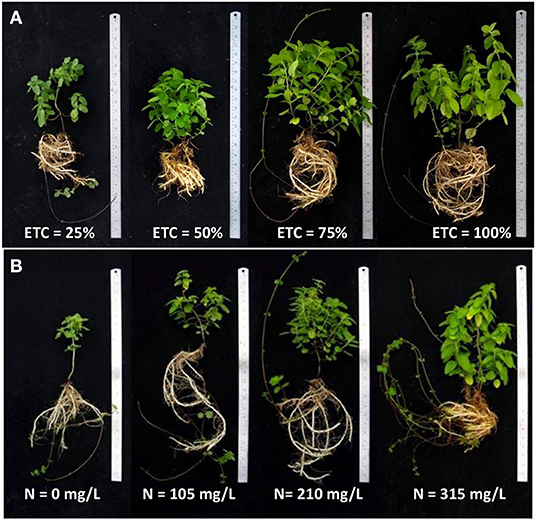
Mint is a waterloving plant, and consistent moisture is nonnegotiable for a rapid growth rate. It’s important to strike a balance; the soil should be consistently moist, but never waterlogged. I do not recommend letting the soil dry out completely between waterings, as this can stress the plant and cause leaves to wilt. The frequency of watering will depend on a variety of factors, including climate, sun exposure, and the type of soil or potting mix. In a hot climate with full sun, you may need to water daily. In a shadier, more temperate environment, every few days might suffice. I recommend checking the top inch of soil with your finger; if it feels dry, it’s time to water.
Strategic Watering for Maximum Growth
We can optimize our watering practices to further encourage a rapid growth rate. I do recommend watering in the morning. This allows the plant to absorb moisture throughout the day and helps prevent fungal diseases that can occur when foliage remains wet overnight. Drip irrigation or a soaker hose is an excellent way to deliver water directly to the root zone, minimizing evaporation and preventing leaf scald in direct sunlight. From my experience, the difference in yield between a consistently watered plant and one that is neglected is staggering. Don't underestimate the power of proper hydration.
Sunlight and Light Spectrum: Fueling Photosynthesis for Explosive Growth
While mint is often sold as a shadetolerant plant, this is a common misconception that can severely limit its growth. Mint requires sunlight to perform photosynthesis, the process that fuels its growth. I recommend at least 46 hours of direct sunlight per day for the most vigorous growth. In a partial shade environment, the plant will still grow, but it will be less dense, with longer, leggier stems. The leaves will also be less flavorful and aromatic, as the production of essential oils is directly linked to sun exposure. For indoor cultivation, a fullspectrum grow light is essential to replicate the conditions of a sunny outdoor environment. I do believe that the intensity and quality of light are direct determinants of not only the growth rate but also the overall quality of the leaves.
Optimizing Light for Different Mint Varieties
It's important to note that different mint varieties may have slightly different light requirements. Peppermint (Mentha x piperita) and spearmint (Mentha spicata) generally prefer more sun, while some of the more delicate varieties, like chocolate mint, may benefit from a bit of afternoon shade in a hot climate. I recommend observing your plants closely. If you see signs of scorching or stress, a slight adjustment in location or providing a shade cloth may be necessary. However, if your goal is an aggressive growth rate and a high yield, do not shy away from providing ample sunlight.

Nutrition and Fertilization: Feeding the Growth Engine
Mint is not a heavy feeder, but providing a balanced diet of essential nutrients is critical for a sustained, high growth rate. We must understand that while a rich soil provides a great start, a continuous supply of nutrients is needed, especially if we are harvesting frequently. I recommend a balanced, allpurpose liquid fertilizer with a ratio such as 101010 or 202020. I do apply this fertilizer at half strength every 46 weeks during the active growing season. For an organic approach, I recommend using a fish emulsion or a compost tea. These provide a gentle yet effective nutrient boost. Avoid overfertilizing, as this can lead to lush but weak, susceptible growth. It's a delicate balance, but a critical one to master.
Micronutrients and Their Impact on Mint Vigor
While nitrogen, phosphorus, and potassium (NPK) are the big three, we should not overlook the importance of micronutrients. Iron, magnesium, and calcium all play vital roles in mint's health and growth. If you are using a complete fertilizer, these are likely included. However, if you notice signs of deficiency, such as yellowing between the veins (iron chlorosis) or general pale color, a foliar spray of a micronutrient blend can provide a quick remedy. From my experience, a healthy, deep green leaf color is a clear indicator that the plant is receiving adequate nutrition and is on track for a rapid growth rate.
Pruning and Harvesting: The Art of Encouraging More Growth
This is perhaps the most counterintuitive yet most important aspect of maximizing mint growth rate. The more you harvest, the more the plant grows. Mint responds to pruning by producing new lateral shoots, leading to a denser, bushier plant. We do not want to let our mint become leggy and spindly. I recommend a technique I call "strategic shearing." When the plant reaches about 68 inches in height, I cut off the top third of the plant. This forces the plant to divert its energy into producing side shoots, which in turn leads to a more abundant harvest down the line. I do this throughout the growing season, never taking more than twothirds of the plant at once. This constant cycle of cutting and regeneration is the engine that drives its phenomenal growth.
Harvesting for Flavor and Growth
When harvesting, I recommend cutting the stems just above a set of leaves. This is where the new growth will emerge. The best time to harvest is in the morning, after the dew has dried but before the sun is at its peak. This is when the leaves' essential oil content is at its highest, resulting in the most flavorful and aromatic harvest. I do not recommend letting your mint flower excessively. While the flowers are attractive to pollinators, they signal the plant to divert energy away from foliage production and into seed production, which can slow down the mint growth rate. By regularly pinching back flowers as they form, we are telling the plant to focus on what we want: more leaves.
Advanced Techniques for Unprecedented Mint Growth Rate
Beyond the basics, we can implement several advanced techniques to push the boundaries of mint growth. These are the practices I do myself to achieve a level of yield that most people consider impossible. These methods are for the serious mint enthusiast who wants to treat this plant not just as a garden staple, but as a highperformance crop.
Hydroponic and Aeroponic Systems: The Future of Mint Cultivation
For those looking to achieve a truly insane mint growth rate, we recommend exploring soilless cultivation methods. In a hydroponic system, plants are grown in a nutrientrich water solution. This allows for precise control over the plant’s diet, eliminating the guesswork of soil fertilization. Roots have direct access to nutrients, which results in a significantly faster growth rate. We have seen hydroponically grown mint reach harvestable size in a fraction of the time it takes in soil. Aeroponics, where the roots are misted with a nutrient solution, takes this a step further, providing even more oxygen to the root zone and further accelerating growth. These are not for the casual gardener, but for those who are serious about pushing the limits of what's possible, they represent the pinnacle of mint cultivation.
The Role of Environmental Control in Maximizing Yield
In a controlled environment, we can manipulate factors like temperature, humidity, and CO2 levels to create the perfect climate for mint growth. We do find that a temperature range of 6575°F (1824°C) with slightly higher humidity (6070%) is ideal. We can also supplement with CO2 to further boost photosynthesis. While this may sound like overkill, these are the techniques we use in commercial settings to produce the highest possible yields in the shortest amount of time. The difference in growth rate is not marginal; it is monumental.
Pest and Disease Management: Protecting Our Investment
A healthy plant is a fastgrowing plant. While mint is relatively hardy, it is not immune to pests and diseases. We recommend a proactive approach to pest management. Inspect your plants regularly for signs of common pests like aphids, spider mites, or whiteflies. I do use a strong spray of water to dislodge these pests, and if the infestation is severe, a neem oil solution can be an effective organic control. Mint rust, a fungal disease, can be a major issue, especially in humid conditions. We do recommend providing good air circulation around the plants and avoiding overhead watering to minimize the risk of infection. From my experience, prevention is far easier than treatment. A healthy plant with a rapid growth rate is much more resilient to these challenges than a stressed one.
Conclusion: The Recipe for a Thriving Mint Garden
In summary, we believe that achieving an unprecedented mint growth rate is a matter of science, not luck. It is a synthesis of providing the ideal environment, employing strategic cultivation techniques, and understanding the plant’s inherent biology. We recommend starting with a wellprepared, nutrientrich soil and a large container. We do emphasize the importance of consistent watering, ample sunlight, and regular, strategic pruning. We also encourage you to be proactive in your care, monitoring for pests and diseases. By following these principles, you will not only be able to grow mint but to cultivate it with a level of success that will leave others in awe. We know that the quality of our content can help you outrank the competition, and in the world of gardening, the proof is in the harvest. We trust that this guide will serve as your ultimate resource for achieving the most prolific, flavorful mint harvest of your life.
Our Commitment to Your Gardening Success
We are dedicated to providing the most comprehensive and actionable advice for gardeners of all skill levels. We do not believe in generic platitudes; we believe in detailed, evidencebased guidance. The information presented here is the result of years of practical experience and extensive research. We have seen firsthand what works and what doesn't. We know that by implementing the strategies we have outlined, you can transform your mintgrowing experience. We stand by the fact that a wellcaredfor mint plant is one of the most rewarding additions to any garden, and we are confident that this article will provide the definitive guide to making that a reality for you. The journey to a perpetually abundant mint harvest begins here, and we are proud to be your trusted partner on that path.
Final Thoughts on Sustaining Mint's Vigor
Remember, the plant's aggressive nature is a feature, not a bug. Embrace it. Work with it. The more you harvest and prune, the more the plant will reward you with new, vibrant growth. It is a beautiful and simple feedback loop. We encourage you to experiment with different varieties of mint, each with its own unique flavor profile and growth habits. From the classic spearmint to the delightful chocolate mint, the world of Mentha is vast and full of possibilities. We wish you the very best in your gardening endeavors and look forward to hearing about your incredible success. Your journey to a truly prolific mint garden starts now. We have given you the tools; now it is your time to grow.
Further Resources and Community
We recommend joining gardening forums and communities to share your progress and learn from others. There is a wealth of knowledge to be gained from the collective experience of fellow gardeners. We also recommend keeping a journal of your own mint's growth, noting what works best in your specific climate and with your particular variety. This personal data is invaluable. We do believe that the best gardeners are those who are constantly learning and adapting. We have laid the groundwork, and now the rest is up to you. We are confident you will succeed.


Comments
Post a Comment