Pepper plants
A Comprehensive Guide to Growing Bountiful Pepper Plants 🌶️
From the mild, sweet bell peppers that grace our summer salads to the fiery chilies that add a kick to our favorite dishes, the world of Capsicum is rich and rewarding. Our goal with this extensive guide is to provide you with the definitive resource you'll need to cultivate robust, healthy, and highly productive pepper plants. We'll leave no stone unturned, guiding you through the entire process, from selecting the perfect variety to preserving your hardearned bounty.
The Foundation of Success: Soil, Sun, and Temperature
We know that a successful garden begins with a solid foundation, and for peppers, this means providing the right environmental conditions. Peppers are native to warm climates, and they truly thrive in settings that mimic their ancestral homes.
The Sun's Embrace: Why Peppers Need Full Sunlight
From our experience, peppers are true sunworshippers. They require at least 68 hours of direct sunlight per day to produce a high yield of fruit. A lack of sunlight can lead to leggy, weak plants with a minimal amount of flowers and fruit. We recommend choosing the sunniest spot in your garden, a place where they'll be bathed in light from sunrise to sunset. If you live in an area with particularly intense summer heat, a location that offers some afternoon shade might be beneficial to prevent scorching, but for most climates, more sun is always better.
The Perfect Soil: A Haven for Healthy Roots
The soil we provide our pepper plants is critical to their success. We recommend a sandy loam soil that is not only rich in organic matter but also drains exceptionally well. While peppers need consistent moisture, they will not tolerate "wet feet" or waterlogged roots, which can quickly lead to root rot and other fungal diseases. Before planting, we advise amending your soil with a generous amount of compost or wellaged manure. This will improve both the soil's structure and its ability to retain moisture without becoming soggy.
The Importance of Soil pH
A detail we find often overlooked is the soil pH. Peppers prefer a slightly acidic to neutral pH, ideally somewhere between 6.2 and 7.0. We recommend a simple soil test to determine your current pH level. If your soil is too acidic, you can raise the pH by adding garden lime. If it's too alkaline, you can lower it with elemental sulfur. Getting this balance right will ensure your plants can effectively absorb all the nutrients they need to flourish.
The Warmth They Crave: Ideal Temperatures for Pepper Plants
Peppers are extremely sensitive to cold temperatures. We do not recommend transplanting your plants outdoors until all danger of frost has passed and nighttime temperatures consistently remain above 55°F (13°C). The ideal daytime temperature for growth is between 70°F and 90°F (21°C and 32°C). To give your plants an early start, especially in cooler climates, we suggest using black plastic mulch to warm the soil before transplanting.
From Tiny Seed to Mighty Plant: The Art of Propagation
For those who wish to cultivate a wide variety of peppers, starting from seed is the most rewarding path. It gives us complete control over the process and allows us to explore a universe of unique flavors and shapes.
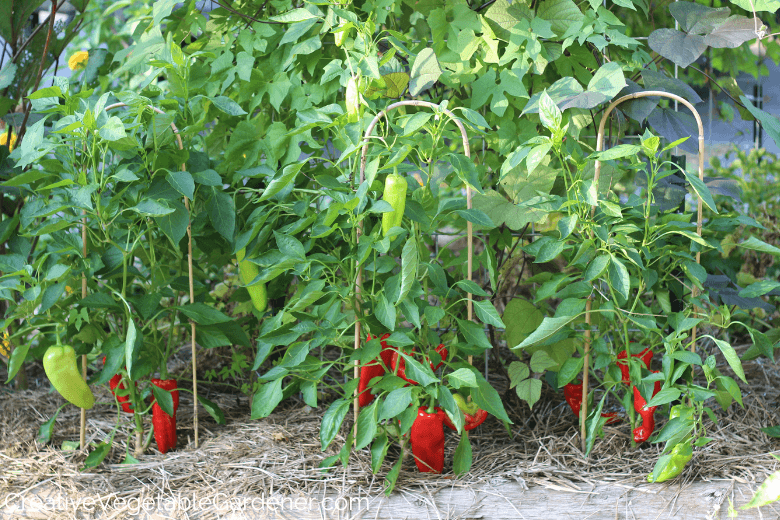
Starting Seeds Indoors: A Head Start on the Season
Because most pepper varieties require a long growing season, we always start our seeds indoors 810 weeks before the last expected frost date. This gives the plants ample time to develop a strong root system and sturdy stems before they face the challenges of the outdoors.
The Germination Process: Creating the Perfect Conditions
We find that pepper seeds germinate best in a sterile, soilless seedstarting mix. Plant the seeds about onequarter inch deep. To speed up germination, which can be finicky for some varieties, especially hot peppers, we recommend using a heating mat. Maintaining a soil temperature of 8090°F (2632°C) is crucial. We also believe in providing bright, overhead light for at least 1216 hours a day once the seedlings emerge. This prevents the plants from becoming "leggy" or weak as they reach for light.
The HardeningOff Process: Preparing for the Great Outdoors
Before we transplant our young pepper plants, we must "harden them off." This is a critical step that acclimates them to outdoor conditions. We recommend this process be done gradually over a period of 710 days. We start by placing the plants outdoors in a protected, shady spot for a few hours each day, slowly increasing their exposure to direct sunlight, wind, and cooler temperatures. This step ensures a smooth transition and prevents transplant shock.
Cultivating Your Crop: Watering, Feeding, and General Care
Once your plants are in the ground, they need consistent care to reach their full potential. We've honed our methods over years of growing, and we are confident that following these steps will lead to a successful harvest.
The Watering Regimen: Finding the Perfect Balance
We find that consistent watering is key to preventing problems like blossom end rot. We aim for a total of 12 inches of water per week, adjusting based on weather conditions. The soil should be kept consistently moist but never saturated. Watering deeply and less frequently is better than shallow, frequent watering, as it encourages the roots to grow deep into the soil. We highly recommend using mulch, such as straw or chopped leaves, around the base of the plants to help retain moisture and suppress weeds.
The Art of Fertilization: Fueling Fruit Production
Peppers are considered light feeders, but they do benefit from a balanced fertilization program. We recommend working a balanced fertilizer into the soil before transplanting. During the growing season, once the plants begin to set flowers and fruit, we'll apply a sidedressing of a lownitrogen, highphosphorus and potassium fertilizer (like a 51010 or 5105). Excess nitrogen can lead to lush, leafy growth at the expense of fruit production, which we want to avoid.

Supporting Your Plants: Staking for Success
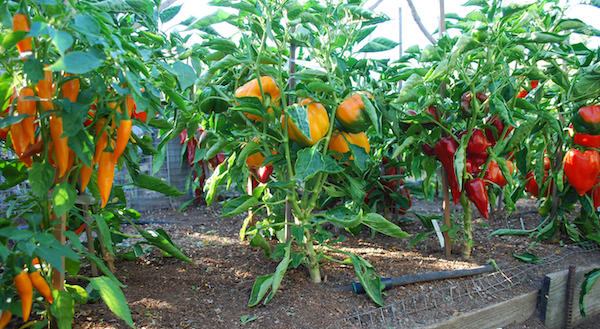
As pepper plants become laden with fruit, their branches can become brittle and prone to breaking. We recommend staking your plants early to provide support. Simple wooden stakes or small tomato cages work well. Tying the main stem to the stake with a soft material, like old nylon stockings, will prevent the stem from being damaged as it grows.
Battling the Elements: Common Pests, Diseases, and Problems
From our experience, even the healthiest plants can fall victim to pests and diseases. We believe in being proactive and identifying problems early to protect your crop.
Common Pepper Pests and How We Manage Them
We've encountered numerous pests over the years, and we have a few tricks up our sleeves for managing them.
The Persistent Aphids
These small, softbodied insects cluster on the undersides of leaves and on new growth, sucking the plant's sap. We combat them with a strong jet of water from a hose, which dislodges them. For more serious infestations, we'll use an insecticidal soap or introduce beneficial insects like ladybugs and lacewings.
The Destructive Hornworms
These large, green caterpillars can defoliate a plant seemingly overnight. The good news is they are easy to spot and can be picked off by hand. We also find that planting dill and other herbs nearby can attract beneficial wasps that prey on hornworms.
Other Common Pests
From our experience, we also encounter flea beetles, which chew small holes in the leaves of young plants, and spider mites, which thrive in hot, dry conditions. We combat these with a variety of organic methods, including neem oil and keeping the plants wellhydrated.
Understanding Common Pepper Diseases
We know that many pepper diseases are a result of fungal or bacterial pathogens that thrive in wet conditions.
The Threat of Blossom End Rot
Blossom end rot is a common problem that we see, and it is almost always a result of uneven watering or a calcium deficiency in the plant. The fruit will develop a black, leathery spot on its bottom. We prevent this by maintaining consistent soil moisture and ensuring the soil has an adequate amount of calcium.
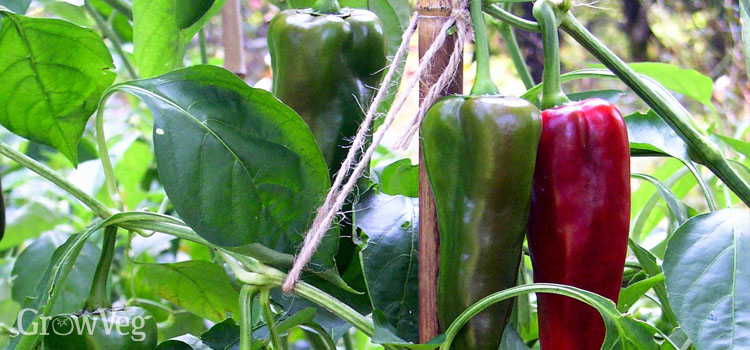
Dealing with Fungal Issues
Diseases like Phytophthora blight and Verticillium wilt can be devastating. We prevent them by practicing crop rotation, ensuring our soil has excellent drainage, and avoiding overhead watering, which can splash soilborne pathogens onto the leaves. When we see signs of fungal disease, we act quickly to remove the affected leaves and consider an organic fungicide.
The Pinnacle of the Process: Harvesting Your Bounty
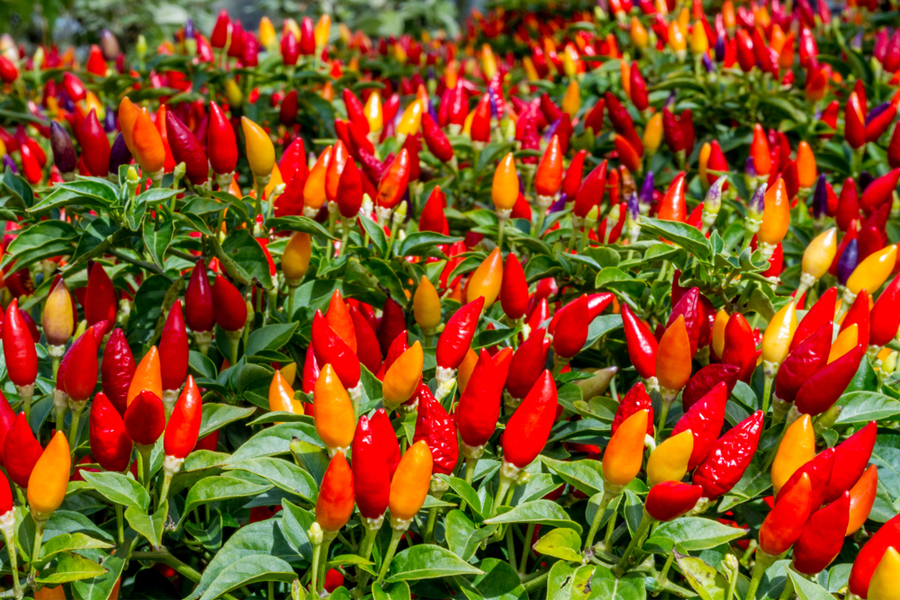
There's nothing more satisfying than harvesting the fruits of your labor. Knowing when and how to pick your peppers is the final step in a successful growing season.
When to Harvest: Understanding Ripeness
For sweet peppers, we recommend harvesting them when they have reached their full size and desired color. For most bell peppers, this is when they turn red, yellow, or orange. For hot peppers, the flavor and heat often intensify as the fruit ripens and turns from green to its mature color. We advise you to taste a small piece to determine if it has the flavor profile you desire.
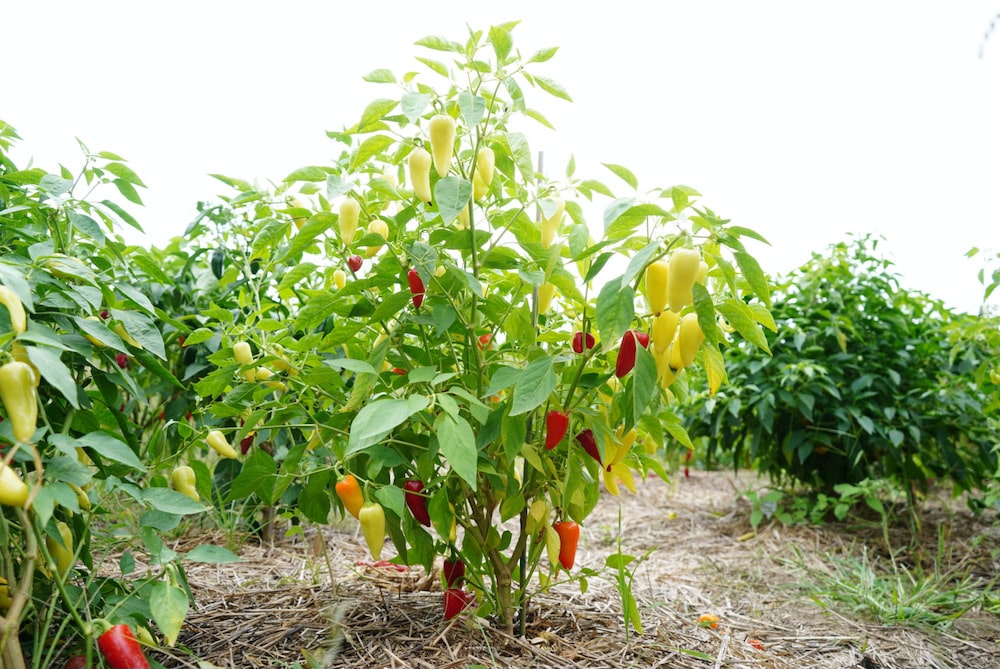
The Proper Technique: Don't Pull, Cut!
We stress this point to all new gardeners: do not pull peppers from the plant! This can damage the fragile branches and even uproot the plant. We always use a sharp knife or garden shears to cut the pepper from the stem, leaving a small piece of stem attached to the fruit.
Preserving Your Harvest: Making the Goodness Last
From our experience, a successful growing season can lead to an abundance of peppers. We recommend preserving your excess peppers so you can enjoy them all year long.
Freezing Peppers: A Quick and Easy Method
For many varieties, freezing is the simplest way to preserve them. We simply wash, dry, and chop the peppers (or leave small hot peppers whole), remove the stems and seeds, and then place them in a freezer bag. They can be used in cooked dishes, sauces, and soups.
Drying, Smoking, and Pickling
We also love to dry our peppers, especially thinwalled hot peppers, to create our own chili flakes. We also enjoy smoking peppers like jalapeños to create chipotle peppers. Pickling is another fantastic way to preserve the crispness and flavor of peppers.
This video provides an excellent visual guide to growing pepper plants faster, focusing on key aspects like soil temperature and lighting.
How to grow peppers faster


Comments
Post a Comment