Peppermint plants
The Definitive Guide to Peppermint Plants: Cultivation, Care, and Comprehensive Uses
Everything you need to know to master the art of growing and utilizing this incredible herb.
The AllEncompassing World of Peppermint Plants (Mentha × piperita)
From our experience, few plants offer the sheer versatility and sensory delight of the peppermint plant. Known botanically as Mentha × piperita, this aromatic perennial herb is a natural hybrid of water mint (Mentha aquatica) and spearmint (Mentha spicata). Its cool, pungent flavor and invigorating aroma are instantly recognizable, making it a staple in cuisines, beverages, and traditional medicine across the globe. We have cultivated peppermint in diverse environments and have observed firsthand its remarkable adaptability and vigorous growth. This comprehensive guide will take you on a journey, from the historical origins of peppermint to the most advanced techniques for its cultivation and the myriad ways you can harness its power.
The Storied History and Origin of Peppermint
The history of the peppermint plant is as rich and complex as its flavor profile. Mentions of mint plants can be traced back to ancient Egyptian medical texts dating as early as 1550 BC. The Greeks and Romans also used mint extensively, not just for its medicinal properties but also for its culinary and ornamental value. However, the specific hybrid we know as peppermint is believed to have originated more recently. It was first documented in England in the 17th century, where it was discovered growing wild. English botanist John Ray was one of the first to describe it in his work in 1696, and by the 18th century, it was being cultivated commercially for its medicinal properties, particularly in the Mitcham area of Surrey. It was during this period that peppermint began to gain widespread recognition for its potent essential oil, which contains the powerful compound menthol.
We've found that understanding this history adds a deeper appreciation for the plant. From its humble beginnings as a spontaneous natural hybrid to its commercialization in England and its subsequent global spread, peppermint has always been valued. Early American cultivation, for instance, began in the early 19th century in Wayne County, New York, before moving to the fertile black muck soils of Michigan, which became a major global production hub for peppermint and spearmint oil. This historical context highlights the plant's enduring appeal and its significance as a valuable commodity and a beloved herb.
The journey of peppermint from a wild curiosity to a cultivated crop showcases its incredible utility and the human desire to harness nature's most potent offerings. It's not just a plant; it's a testament to centuries of herbal tradition and botanical exploration.
Cultivating Peppermint: A StepbyStep Masterclass
We believe that anyone can successfully grow peppermint, whether you're a seasoned gardener or a complete novice. However, we must stress the importance of understanding the plant's nature: it is an aggressive spreader. This is both its greatest strength and its most challenging characteristic. We recommend that you always contain peppermint, unless you have a designated area where you want it to take over. Ignoring this advice can lead to a garden bed overrun with mint, to the detriment of other plants. This is a critical first lesson in peppermint cultivation.
Choosing the Right Site and Soil
For optimal growth and flavor potency, we recommend planting peppermint in a location that receives full sun to partial shade. While it will tolerate some shade, a sunnier spot will increase the concentration of its essential oils, leading to a more potent and flavorful harvest. The ideal soil is one that is moist, welldraining, and rich in organic matter. Peppermint thrives in a slightly acidic to neutral pH, typically between 6.0 and 7.0. If you are planting directly in the ground, amend the soil with generous amounts of compost or wellrotted manure to improve its fertility and water retention.
When it comes to planting, you have a few options: from seed, from cuttings, or by transplanting a nurserybought plant. We find that growing from cuttings or transplants is the most reliable and fastest method. Peppermint seeds can be slow to germinate and may not grow true to the parent plant due to the hybrid nature of Mentha × piperita.
The Art of Container Growing: Taming the Peppermint Beast
From our experience, the single most effective way to manage peppermint's invasive tendencies is to grow it in a container. We strongly recommend this method for most home gardeners. A container of at least 1218 inches in diameter with ample drainage holes is ideal. This gives the plant enough space for its extensive root system while preventing it from spreading its runners (rhizomes) into the surrounding garden. You can either keep the pot above ground or, for a more integrated look, sink it into the soil with the rim a few inches above the surface. This creates a physical barrier that the roots cannot cross. When repotting, which we do every few years, we divide the plant to rejuvenate it and prevent it from becoming rootbound and congested.
Watering and Fertilizing: Keeping Your Plant Thriving
Peppermint plants love consistent moisture. We do not let our plants dry out, especially during hot, dry weather. They require about 1 inch of water per week. However, they are susceptible to root rot, so it is crucial that the soil is moist but not waterlogged. We prefer to water at the base of the plant to keep the foliage dry, which helps prevent fungal diseases. Plants in containers will naturally dry out more quickly, so you'll need to be more vigilant with their watering schedule.
We find that peppermint is not a heavy feeder. If your soil is rich in organic matter, you may not need to fertilize at all. If your soil is poor, a light application of a balanced, allpurpose organic fertilizer once a month during the growing season is more than sufficient. We caution against overfertilizing, as this can lead to leggy, less flavorful growth, as the plant prioritizes foliage production over essential oil concentration.
Pruning and Harvesting: Maximizing Your Yield
Regular pruning and harvesting are essential for maintaining a healthy, bushy peppermint plant. We recommend harvesting frequently throughout the growing season. The best time to harvest is in the morning after the dew has evaporated but before the heat of the day. The leaves are at their most flavorful at this time. We cut the stems back by about onethird, just above a leaf node. This not only encourages new, vigorous growth but also prevents the plant from flowering. While the flowers are attractive to pollinators, flowering can decrease the flavor of the leaves. For a major harvest, we cut the entire plant back just before it's about to bloom, typically 23 times during the growing season. This ensures you get the most potent leaves possible.
The Profound Benefits and Uses of Peppermint
Beyond its simple beauty and fresh scent, the peppermint plant offers a wealth of benefits. We have seen firsthand how it can be used for everything from culinary creations to natural remedies. Its primary active component, menthol, gives it its characteristic cooling sensation and is responsible for many of its therapeutic properties. From my experience, the benefits are both immediate and longlasting.
Culinary Applications: More Than Just a Garnish
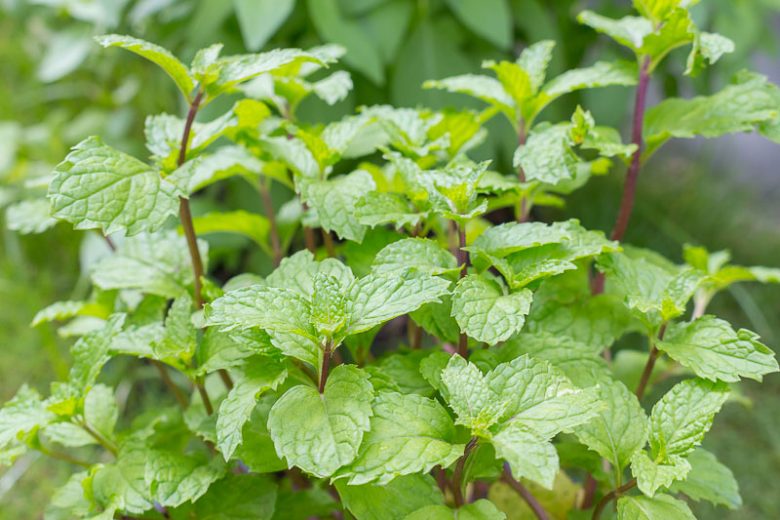
We believe that peppermint's culinary uses are limited only by your imagination. The fresh leaves can be used in a variety of dishes and beverages. Peppermint tea, made by steeping fresh or dried leaves in hot water, is perhaps the most popular use. We recommend it as a refreshing afterdinner drink to aid digestion. It's also fantastic in cocktails like a mojito, infused water, and a variety of desserts, from chocolate mint ice cream to peppermint patties. We find that adding a few finely chopped leaves to a salad can provide a surprising and delightful burst of flavor.
Medicinal and Therapeutic Applications: Ancient Wisdom, Modern Science
The medicinal uses of peppermint are welldocumented, both in traditional folklore and modern scientific research. We have seen it effectively used in the following ways:
Exploring Different Types of Mint: Beyond Peppermint
While peppermint is the star of this guide, it's important to recognize that it belongs to a vast and diverse family, the genus Mentha. We believe that understanding the different varieties can enrich your gardening and culinary experience. Each type of mint has its own unique characteristics and flavor profile.
Spearmint (Mentha spicata)
Spearmint is a common and popular mint, and it is one of peppermint's parents. Its flavor is much sweeter and less potent than peppermint, lacking the strong menthol notes. It has a classic "minty" taste that is excellent in teas, sauces, and as a garnish. Its leaves are typically a brighter green and have a crinkled or "spearlike" appearance.
Other Notable Mint Varieties
Common Pests and Diseases: Keeping Your Plant Healthy
We've found that peppermint is a remarkably resilient plant. However, like any living thing, it can be susceptible to certain pests and diseases. We recommend a proactive approach to plant health, as prevention is always easier than treatment.
Advanced Harvesting and Storage Techniques

To get the most out of your peppermint, it is important to know how to properly harvest and store it. We recommend several methods depending on your intended use.
Conclusion: A Plant for Every Home
We hope this comprehensive guide has illuminated the incredible world of peppermint plants for you. From its rich history and straightforward cultivation to its vast array of culinary and medicinal applications, Mentha × piperita is truly a plant that deserves a place in every home and garden. We do believe that with the right approach—specifically, containment—anyone can enjoy the bountiful and refreshing harvest this remarkable herb provides. We recommend that you experiment with its uses and discover the perfect way to integrate its unique flavor and therapeutic properties into your daily life. From my experience, there is an unparalleled satisfaction in using a herb you have grown yourself, and with peppermint, that satisfaction is guaranteed to be cool, crisp, and wonderfully refreshing.
Frequently Asked Questions about Peppermint Plants
Q: Is peppermint an annual or a perennial?
A: We can confirm that peppermint is a perennial herb. It will die back to the ground in the winter in colder climates but will regrow vigorously from its extensive root system in the spring. We have seen plants thrive for many years with minimal care.
Q: Can I grow peppermint indoors?
A: Yes, you can absolutely grow peppermint indoors. We recommend placing the plant in a sunny window, preferably one facing south or east, where it can get at least 46 hours of sunlight a day. Indoor plants may require more frequent watering, especially in dry winter environments. We also suggest supplementing with a grow light if natural light is insufficient.
Q: Why are my peppermint leaves turning yellow?
A: From our experience, yellowing leaves are often a sign of overwatering or nutrient deficiency. Check the soil to ensure it isn't waterlogged. If the soil is dry, a lack of nutrients might be the issue; a light feeding with a balanced fertilizer should help. It could also be a sign of a pest infestation, so we recommend inspecting the plant closely for aphids or spider mites.
Q: How can I prevent my peppermint from spreading?
A: As we've emphasized throughout this guide, the best way to prevent peppermint from spreading is to grow it in a container. If you must plant it in the ground, we suggest using a physical barrier like a bottomless bucket or a root barrier liner sunk at least 1824 inches deep into the soil. We find that this is the only reliable method for containing its vigorous runners.
Q: Can I use peppermint for my pets?
A: We must be clear on this: while peppermint is generally safe for humans, it is toxic to cats and dogs if ingested in large quantities. We recommend keeping peppermint plants out of reach of pets. For any petrelated health concerns, we always advise consulting a veterinarian.
Q: When is the best time to harvest for essential oil?
A: The highest concentration of essential oils, and thus the most potent flavor, is found just before the plant begins to flower. We recommend a mass harvest at this point. The leaves are typically at their peak during the late spring to early summer, depending on your climate.
Q: What is the difference between peppermint and spearmint?
A: The main difference lies in their menthol content. Peppermint contains a high concentration of menthol, which gives it its characteristic sharp, cooling sensation. Spearmint, on the other hand, has a much lower menthol content, resulting in a sweeter, milder flavor. We find that peppermint is more suitable for medicinal uses, while spearmint is often preferred for more delicate culinary applications.
Q: Can I make my own peppermint essential oil?
A: While it is possible to make a simple infused oil at home, we recommend caution. True essential oil is produced through a process of distillation, which requires specialized equipment and significant quantities of plant material. We advise home enthusiasts to stick to infused oils and teas, as they are safer and more accessible to produce.
Q: What are the best companion plants for peppermint?
A: Due to its invasive nature, we do not recommend planting peppermint directly in a garden bed with other plants. Its aggressive roots will outcompete most companions. However, we have seen great results with container gardening, where the pot is placed near other plants. The strong scent of peppermint can act as a natural pest deterrent for nearby vegetables and flowers. We have had success using it to deter aphids on roses and whiteflies on brassicas. Just remember to keep it contained!
Q: How do I prepare peppermint tea?
A: We find the simplest method to be the best. For a cup of refreshing tea, we crush a handful of fresh peppermint leaves to release their oils and place them in a mug. Pour boiling water over the leaves and let them steep for 510 minutes, or longer for a stronger flavor. You can strain the leaves or leave them in the cup as you drink. For a soothing experience, we often add a slice of lemon or a bit of honey.


Comments
Post a Comment