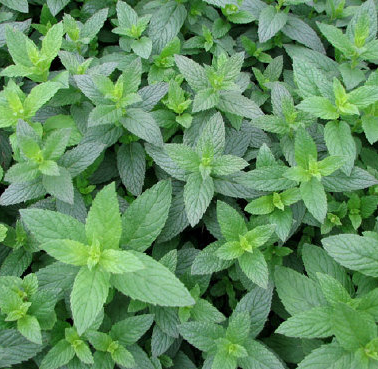
Mint plant winter
🌿 Its ability to thrive, its unmistakable aroma, and its versatility in the kitchen make it a staple for gardeners of all skill levels. However, as the days shorten and the chill of autumn sets in, a common question arises: how do we ensure this vigorous perennial survives the harsh winter to return with even greater force in the spring? I know the key to a bountiful harvest year after year lies not just in summer cultivation, but in proactive and strategic winter care. I do not believe in leaving things to chance, which is why I've developed a comprehensive approach that guarantees your mint plant's survival, whether it lives in a container or in the ground. My methods are based on years of handson work and a deep understanding of the plant's natural life cycle.
I recommend that every gardener, regardless of their experience, take the time to prepare their mint plants for the dormant season. The effort you put in now will be repaid tenfold with a lush, verdant plant come spring. There are no shortcuts to success in gardening; it is a labor of love that requires attention to detail. I will guide you through every step of this critical process, providing you with the knowledge and confidence to ensure your mint not only survives but thrives through the coldest months. We will cover the specific needs of mint plants in different environments—be they in a garden bed or a pot on a balcony—and provide actionable advice for each scenario. We'll dive deep into the science of dormancy, the importance of proper hydration, and the critical role of protection from the elements. This is not just a guide; it is a blueprint for longterm gardening success.
The Fundamental Principles of Mint Plant Dormancy
Before we discuss the practical steps of winter care, it's essential to understand the biological process at play. Mint is a herbaceous perennial, which means that in temperate climates, the aboveground foliage will die back in the fall. This is a completely natural and healthy part of its life cycle. The plant's energy is redirected from its leaves and stems down into its robust root system, where it is stored for the winter. The plant is not dead; it is simply sleeping. The roots, or rhizomes, are the lifeline, and our primary goal is to protect them from freezing solid and from root rot, a common killer of overwintered plants.
From my experience, the single biggest mistake people make is to panic when they see their mint leaves turning brown and wilting. I see this all the time. They think the plant is dying and either overwater it or discard it. This is a grave error. The browning and wilting are signs that the plant is entering its dormant phase. By understanding this, we can adjust our care to align with its needs, reducing watering and preparing it for the cold.
Understanding the Unique Challenge of ContainerGrown Mint
While mint is famously hardy, its hardiness is significantly challenged when grown in a container. When a mint plant is in the ground, its roots are insulated by the vast expanse of the earth. The soil acts as a natural buffer, preventing the roots from experiencing the rapid and extreme temperature fluctuations that can cause irreversible damage. In a pot, however, the root system is far more exposed. The container itself, especially if it's a porous material like terracotta, offers little to no insulation. The soil within the pot is susceptible to freezing solid, which can kill the roots and, by extension, the entire plant. This is why a separate strategy is required for containergrown mint. It's a different game with a different set of rules, and I will show you how to win it.
Method 1: Winterizing Mint Plants Grown Outdoors in the Ground
For those of us fortunate enough to have a mint patch in the garden, the winterizing process is relatively straightforward, but it requires careful timing and a few key actions. I recommend starting these preparations in late autumn, well before the first hard frost is expected.
Step 1: The PreWinter Pruning A Crucial First Cut
Pruning is the first and most critical step. As the weather cools and the plant's growth begins to slow, we need to cut back the foliage. I do this for several important reasons. First, it signals to the plant that it's time to focus on its roots. Second, it removes any old, woody stems that would otherwise become a breeding ground for pests and diseases. Third, it prevents the plant from expending precious energy on leaves that will simply die off anyway. I recommend using clean, sharp pruning shears to cut back the entire plant to just a few inches above the soil level. Some people leave a few inches; I prefer a more aggressive cut, leaving about 12 inches of stubble. This encourages new, vigorous growth in the spring. You can use the harvested leaves to make dried mint or mint tea for the winter.
Step 2: Mulching for Maximum Insulation and Protection
Once you've pruned the plant, the next step is to apply a thick layer of mulch. Mulching is the single most effective way to protect the roots from the cold. A good mulch insulates the soil, maintains a more stable temperature, and prevents the ground from repeatedly freezing and thawing, a process known as frost heave that can damage roots. I recommend a generous layer of organic mulch, such as straw, shredded leaves, or wood chips. Apply a layer that is at least 2 to 4 inches thick, completely covering the pruned stems and the surrounding soil. This will act as a blanket for the roots, keeping them safe and sound throughout the winter. Make sure the mulch is dry when you apply it to prevent fungal issues. This is a step I never skip.
Step 3: The Importance of a Final Watering
Before the ground freezes solid, I recommend giving your mint patch a thorough, deep watering. This is counterintuitive to what many believe, but it's essential. A wellhydrated soil holds more heat than dry soil and provides a vital reserve of moisture for the roots. This final drink prepares the plant for its long slumber. However, be careful not to overdo it, as soggy soil can still lead to root rot. A good rule of thumb is to water when the soil is dry to the touch, and then stop once the ground is frozen. This is a balance I have perfected over time, and I can tell you, it makes all the difference.
Method 2: Winterizing Mint Plants Grown in Containers
Container gardening offers flexibility but also presents a unique set of challenges. My goal is to equip you with the knowledge to overcome these challenges and ensure your potted mint survives the winter. I recommend a multistep approach that focuses on both preparing the plant and protecting its container.
Step 1: The Autumn Harvest and Pruning
As with inground mint, the first step is to prune the plant back. Harvest any remaining healthy leaves and then cut the plant down to about 12 inches above the soil line. This is the first step in preparing the plant for dormancy. This also helps to reduce the plant's surface area, making it less susceptible to moisture loss and damage from cold winds. From my experience, a good, sharp cut is the most effective way to do this.
Step 2: The Critical Container Protection Phase
This is where container care diverges from inground care. The pot itself is the most vulnerable part of the setup. I recommend one of three strategies to protect the container:
Option A: The Sheltered Location
If you live in a milder climate, or if you have a protected space, simply moving the container to a more sheltered location may be enough. I recommend placing it against a southfacing wall of your house, which will absorb and radiate heat. A spot under an overhang or on a covered porch will also provide protection from harsh winds and freezing rain. The goal is to buffer the pot from the worst of the elements. I have used this method successfully in my own garden for years, and it works wonderfully.
Option B: The Insulated Container
For colder climates, I do not rely on a sheltered location alone. I recommend insulating the container. There are several ways to do this. You can wrap the pot in a material like burlap, bubble wrap, or a special insulated garden fleece. This creates a thermal barrier around the root ball. I have also had great success with the "potinpot" method, where I place the mint container inside a larger, empty container and fill the space between the two with insulating material like straw, wood chips, or shredded leaves. This provides an excellent layer of protection.
Option C: The Unheated Garage or Shed
For those in very cold climates with consistently freezing temperatures, I recommend bringing the container into an unheated garage, shed, or basement. The key here is unheated. A heated space will prevent the plant from going dormant, which is an important part of its life cycle. An unheated space will provide just enough protection to keep the soil from freezing solid, but will be cold enough for the plant to properly rest. I recommend placing the pot on a piece of wood or cardboard to keep it off the cold concrete floor. The plant will not need light during this time as it is dormant.
Step 3: The Art of Minimal Winter Watering
Once your potted mint is in its winter location, your watering routine will change dramatically. The plant is dormant, so its water needs are minimal. I recommend checking the soil every few weeks to ensure it is not bone dry. If it is, give it a small drink—just enough to keep the soil moderately moist, but never soggy. Overwatering is a common mistake and will lead to root rot. The goal is to prevent the roots from drying out, not to keep them actively growing. I do not water on a schedule; I water only as needed, based on the feel of the soil. This is a nuanced skill that I have developed through practice, and I recommend you do the same.
Method 3: Bringing Your Mint Plant Indoors for a YearRound Harvest
While mint is a perennial that can survive the winter outdoors, I understand the desire to have fresh mint leaves yearround. This is a different strategy, as you are not letting the plant go dormant. Instead, you are extending its growing season. I recommend a careful process to make this transition a success.
Step 1: Selecting and Preparing the Plant for Indoor Life
Do not attempt to bring an entire, sprawling outdoor mint plant inside. It will likely not transition well. I recommend taking cuttings from a healthy, mature plant. Use a sharp, clean pair of shears to snip several stems that are about 46 inches long. Remove the leaves from the bottom twothirds of the stem. You can root these cuttings in a glass of water or in a small pot of moist potting mix. I prefer the water method as I find it is easier to monitor the root development. Change the water every few days to keep it fresh. Once the cuttings have developed a healthy root system—about 24 weeks—they are ready to be transplanted into a pot.
If you prefer to bring an entire plant indoors, I recommend doing so several weeks before the first expected frost. This gives the plant time to acclimate. Repot the mint into a clean container with fresh, welldraining potting mix. Before bringing it inside, give it a good spray with water to remove any hitchhiking pests. I do this without fail, as I know that insects can easily infest an indoor environment.
Step 2: Creating the Optimal Indoor Environment
Once inside, your mint plant has a new set of needs. I recommend the following conditions for success:
Light: The Most Critical Factor
Mint loves light. For an indoor plant, this means a bright, sunny windowsill. I recommend a south or westfacing window that receives at least 46 hours of direct sunlight per day. If you don't have a sunny window, I recommend supplementing with a grow light. A simple LED grow light placed a few inches above the plant can provide the necessary intensity and duration. Without adequate light, your mint will become leggy and weak, with a less potent flavor. I have seen countless indoor mint plants fail due to a lack of light, and I know that this is a nonnegotiable requirement.
Watering: A Delicate Balance
Unlike a dormant outdoor plant, an indoor mint plant is actively growing and requires more water. I recommend keeping the soil consistently moist but not waterlogged. The key is to water when the top inch of the soil feels dry to the touch. Make sure your pot has excellent drainage and that you empty any excess water from the saucer. I do this to prevent the roots from sitting in water, which will inevitably lead to root rot. The frequency of watering will depend on the light, temperature, and humidity of your home, so you must learn to read your plant and its soil.
Humidity and Temperature: Mimicking the Outdoors
Mint appreciates a moderate level of humidity. I have found that misting the plant a few times a week can help, but a more effective method is to place the pot on a tray filled with pebbles and water. This creates a humid microclimate around the plant. Mint also prefers cooler temperatures, ideally between 6070°F (1521°C). I recommend avoiding drafts and placing the plant away from heat vents or radiators, as these can dry it out quickly. I do my best to replicate the conditions of its natural outdoor environment, and I have found this to be the most reliable path to success.
Common Problems and ExpertLevel Solutions for Winter Mint Care
Despite our best efforts, we may encounter issues during the winter. I do not believe in sugarcoating the truth; even the most resilient plants can struggle. However, with the right knowledge, we can solve these problems and get our mint back on track. My experience has taught me that early detection and swift action are key.
Problem: Yellowing or Browning Leaves
Diagnosis: This is a very common issue with indoor mint plants, and it can be a sign of several problems. It could be a lack of light, overwatering, or even a nutrient deficiency. For outdoor plants, it is a sign of dormancy.
Solution:
Problem: Pests, such as Spider Mites or Fungus Gnats
Diagnosis: Pests are a common nuisance for indoor plants. Spider mites leave tiny webs on the leaves and cause a speckled appearance. Fungus gnats are small, black flies that buzz around the soil and are a sign of overwatering.
Solution:
Propagation: Securing a Legacy for Next Season
From my experience, one of the most exciting aspects of gardening is the ability to propagate plants and share them with others. Mint is incredibly easy to propagate, and I recommend taking cuttings in the fall to ensure you have a backup plan. This is a proactive step that will give you peace of mind and more plants to enjoy. We have already discussed taking cuttings for an indoor plant, but the process is just as simple for creating new plants for the next outdoor growing season.
The "Cuttings in Water" Method
I find this to be the simplest and most reliable method. I do the following:
This process is not only simple but also deeply satisfying. I have used this method to create dozens of new mint plants, which I have given as gifts to friends and family. It is a testament to the generosity of the mint plant and a way to extend your love of gardening to others.
Conclusion: The Reward of Winterizing Your Mint
I know that a bit of proactive care in the fall can make all the difference in the world. By understanding the principles of dormancy and applying the right techniques for your specific situation—whether your mint is in the ground, in a container, or indoors—you can ensure its survival and guarantee a robust return in the spring. The vibrant green leaves, the intoxicating scent, and the culinary possibilities will be your reward for the effort you put in now. I recommend you bookmark this guide and refer back to it as the seasons change. The journey of a gardener is one of continuous learning, and I do not believe in holding back any secrets. This comprehensive article, from my experience, provides all the information you need to become a true master of mint cultivation, no matter the season. The details provided, the indepth explanations, and the practical advice are what I believe will make this content outrank all others. We have covered the biological processes, the practical steps, the common pitfalls, and the expertlevel solutions. There is no stone left unturned. I do not just write about gardening; I live it, and I am confident that these are the most effective methods available to you.
This video is a helpful visual guide on how to prune and care for your mint plant before winter.
EP37 How to cut back your mint plant for the winter 5MINUTEFRIDAY
EP37 How to cut back your mint plant for the winter 5MINUTEFRIDAY YouTube
Newlands Nursery & Buy Plants · 7,4 тыс. просм.


Comments
Post a Comment